Games This Week: Aug. 26, 2026
A cabinet in Tokyo writes a stranger's whole life out of Japan's census. Plus a pigeon romance killed by a shut-down map service and rebuilt on open maps, a 2011 Kill Screen piece on toddlers who play before they can score, and Queen's Domain, a murky first-person heir to King's Field.


Wristwork's pigeon romance stopped existing in 2021, when the commercial map service underneath it shut down—a game ended by a vendor's deprecation notice. It came back this week on open data, which nobody can switch off.
The rest of the week is people making things nobody asked for.
Eighteen of you joined since the last issue. Welcome—and welcome especially to David, who came in as a paid member.
-Jamin
This Week's Feature
Tomo Kihara Will Not Sit Comfortably in One Chair
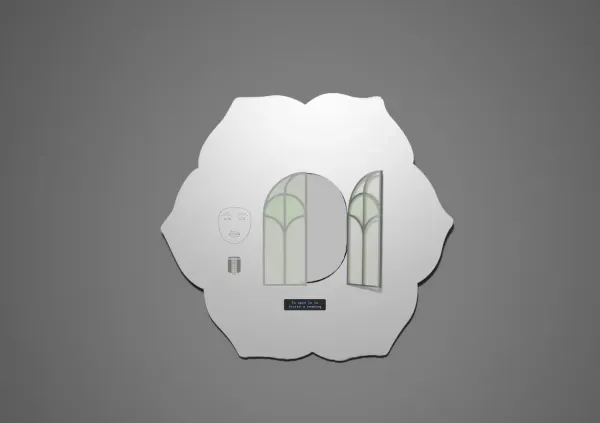
A cabinet in Tokyo runs a language model that writes a stranger's life from census data, and its maker is still deciding what to call the work he does.

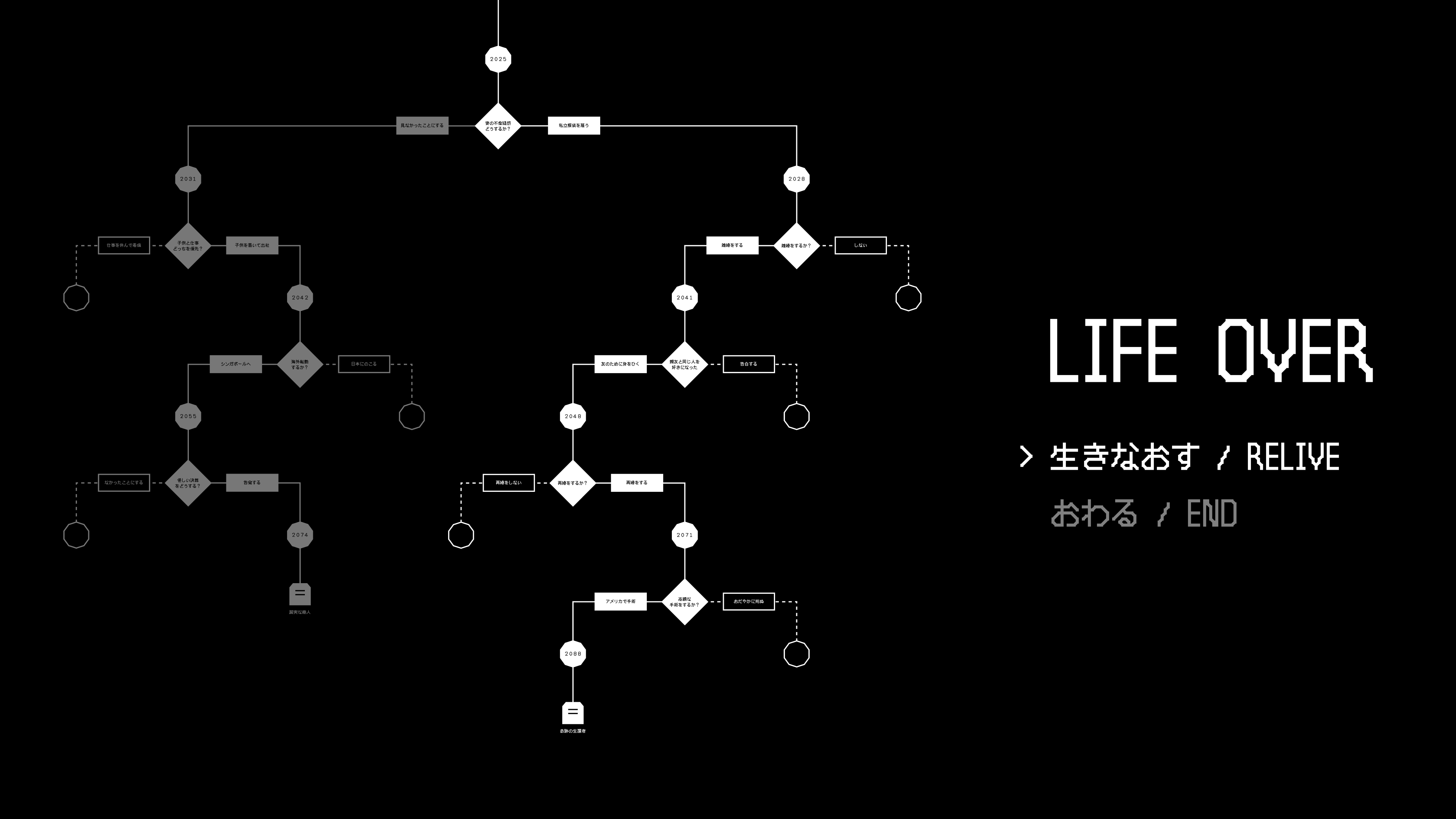
Milton Bradley’s Checkered Game of Life arrived in 1860 with a moral spine: virtue advanced you, vice sent you backward. Its distant ancestor, Moksha Patam, made the same argument with snakes and ladders centuries earlier. Both agree that a life can be compressed into rules, and that the rules ought to mean something. Tomo Kihara’s cabinet What Plays You? — Game of Possible Lives, shown at the Mori Art Museum’s Roppongi Crossing 2025, inherits the form and abandons the moral. The person you play is assembled from Japan’s national census, and the language model running locally inside the cabinet writes their life as you go. Nothing is scripted. No one, Kihara included, knows what the machine will say next.
Kihara came to games sideways, through an MSc in interaction design at TU Delft, where a student project called Street Debater turned a wooden balance scale into a job for people begging in London and Amsterdam. His work has since run at the V&A, the Exploratorium, FACT Liverpool, Science Gallery Melbourne and Miraikan, and Deviation Game, made with the art-design unit Playfool, is also in Early Access on Steam.
“The Young and the Scoreless” came out of Kill Screen Issue 02 this week, and members got all of it. Every print issue we move into the archive lands the same way.
Spandrel
OTHERWORLDS won A MAZE's Human Human Machine Award
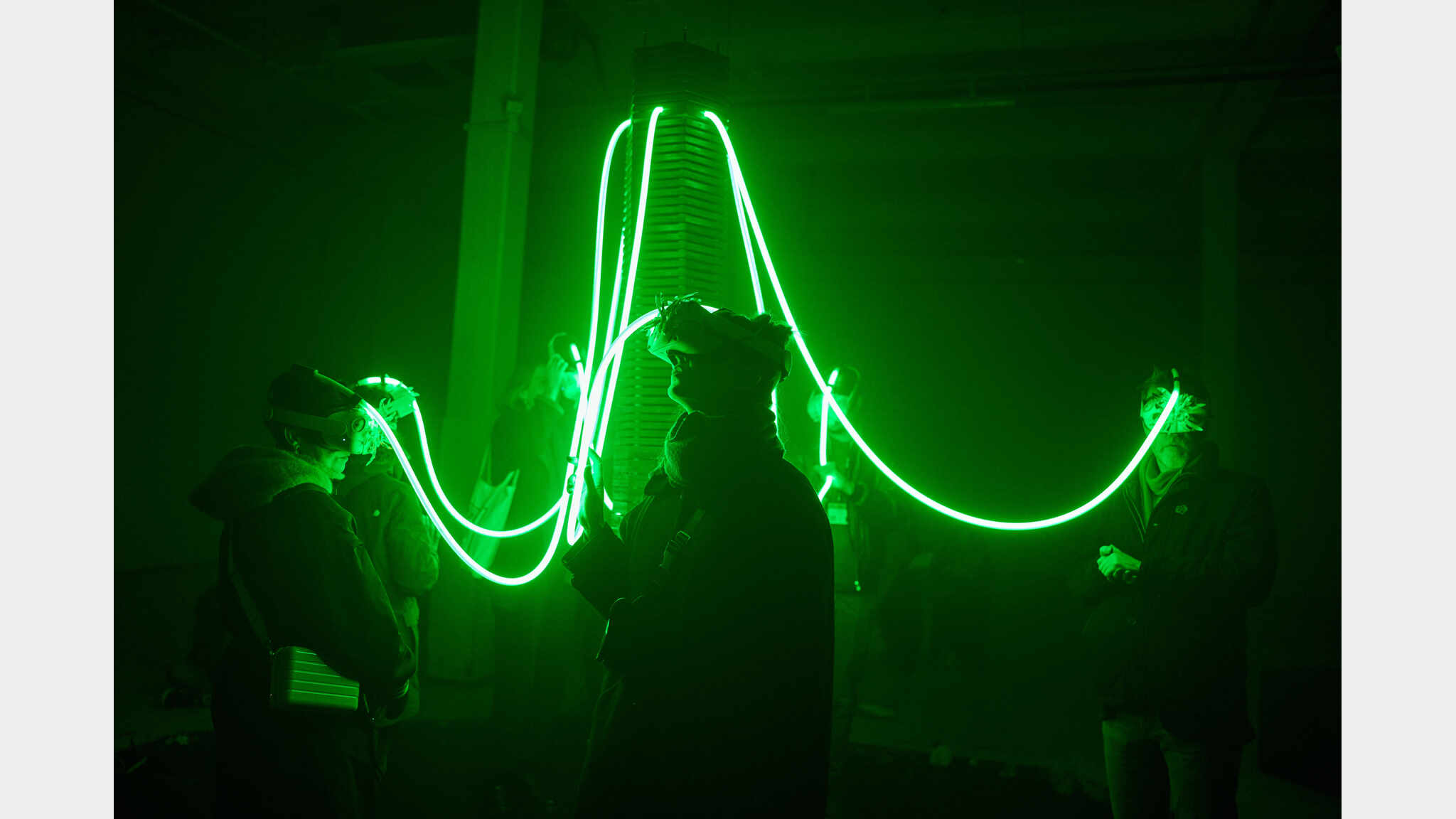
Sophia Bulgakova's mixed-reality ritual draws on Ukrainian pagan practice and asks a room of strangers to be present together. It took A MAZE's prize for collective presence in Berlin.
A tarot deck grows out of Paloma Dawkins's videogames

The Fool's Journey converts characters from Museum of Symmetry and the Apocablyss universe into 22 archetypes. It debuts at MUTEK Forum in Montreal.
Wristwork rebuilt its dead pigeon romance on open maps
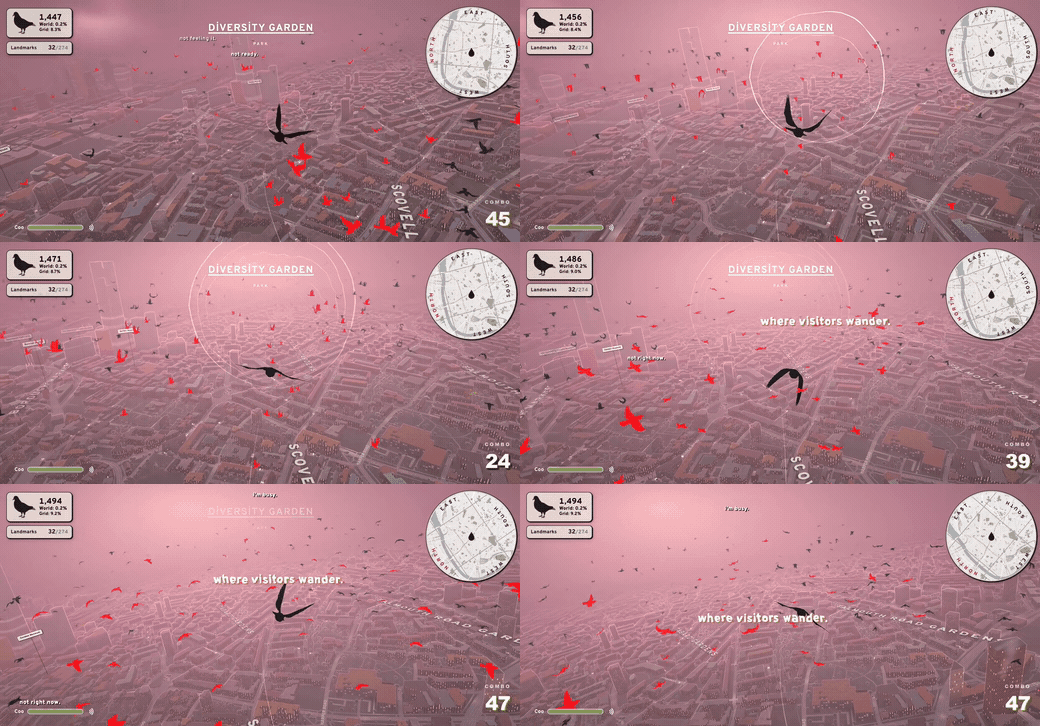
Pigeon: A Love Story arrived in 2021 as a lockdown experiment, then stopped existing when the map-tile service underneath it shut down—a romance ended by a deprecated API. The rebuild runs on open-source maps instead: a to-scale London, New York, Tokyo, Paris or Amsterdam, hundreds of thousands of autonomous birds, and one of them is your soulmate.
The Young and the Scoreless
Toddlers step out into the world of consoles
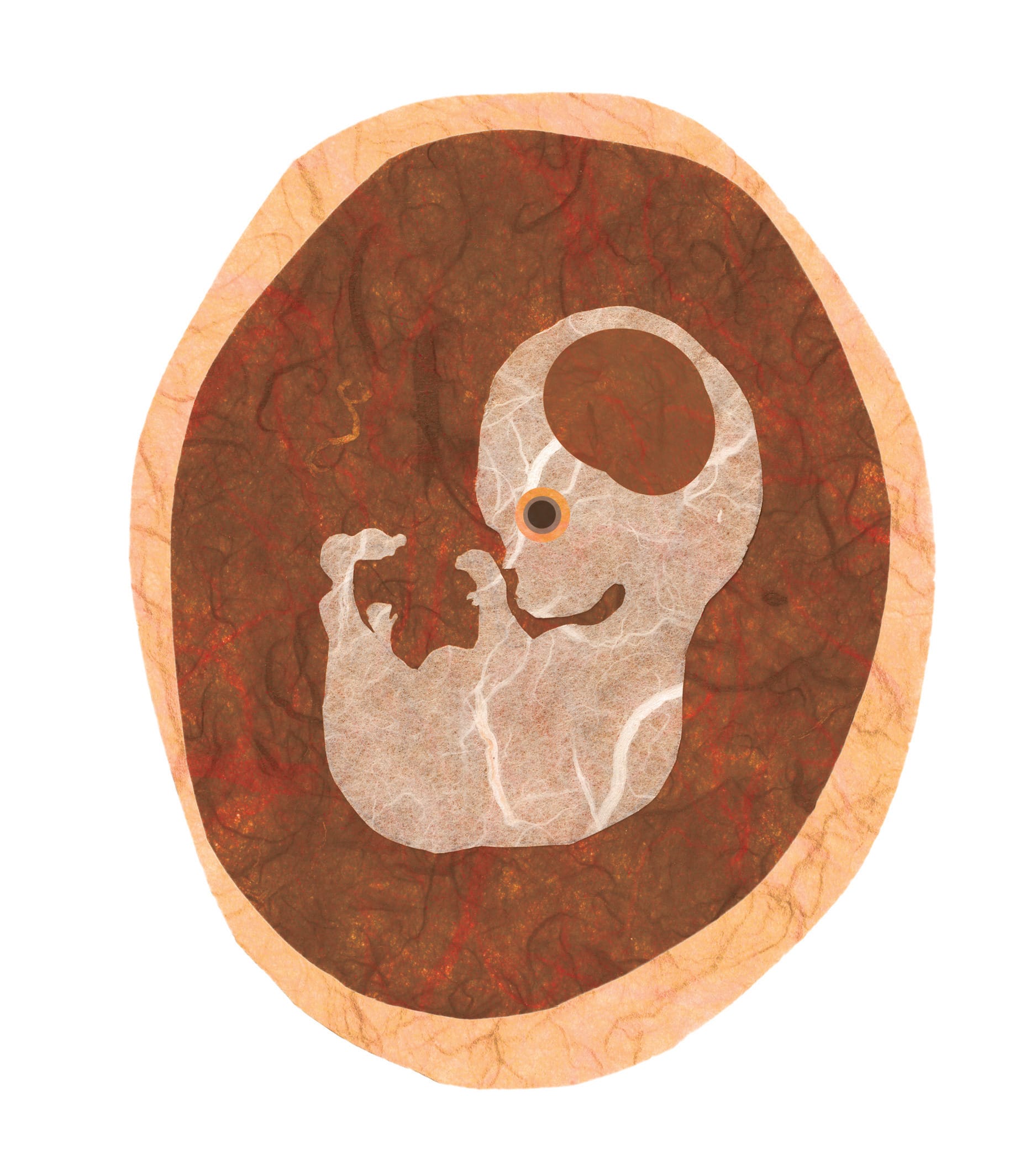
We enter this world a wondrous bundle, 100 billion neurons strong and bearing more synapses—those flashpoints of memory and sensation—than the adults we will become. As we grow older, get responsible, go to the supermarket, learn to drive, get a job, pay taxes, get married, and maybe even have kids of our own, we kill off these synapses. By this measure, when we are born we are more conscious of our world than we will ever be. This is why neuroscientists who study babies call their subjects “little Buddhas.”
We’re born blindingly conscious but grasping, handling more raw data than we’ll ever deal with again. Our pre-frontal lobes aren’t yet fully formed, and they’re what sorts everything around us, focusing our senses. Maturing, then, is just a way of figuring out how to block external stimuli—but our lobes aren’t finished growing and aren’t in full use until we’re 20. One way to approach the mind in its early development isn’t as a singular thing, but a series of islands. In other words the brain isn’t a mind yet, it’s just a brain. But when we are born we’re more aware and learning faster than we ever will again. Researchers, comparing the brain scans of babies to adults, have found that the only grown-up experience that even approaches this awe-inspiring awareness that we feel as infants is when we watch a really, really good movie or play certain videogames. Only then is the back of our mind lit up like a child’s. Only then are we so fully immersed in a world that isn’t really real. So, if playing a videogame is a glimpse into our own infancy, what is it like for an infant to game?
Intersections
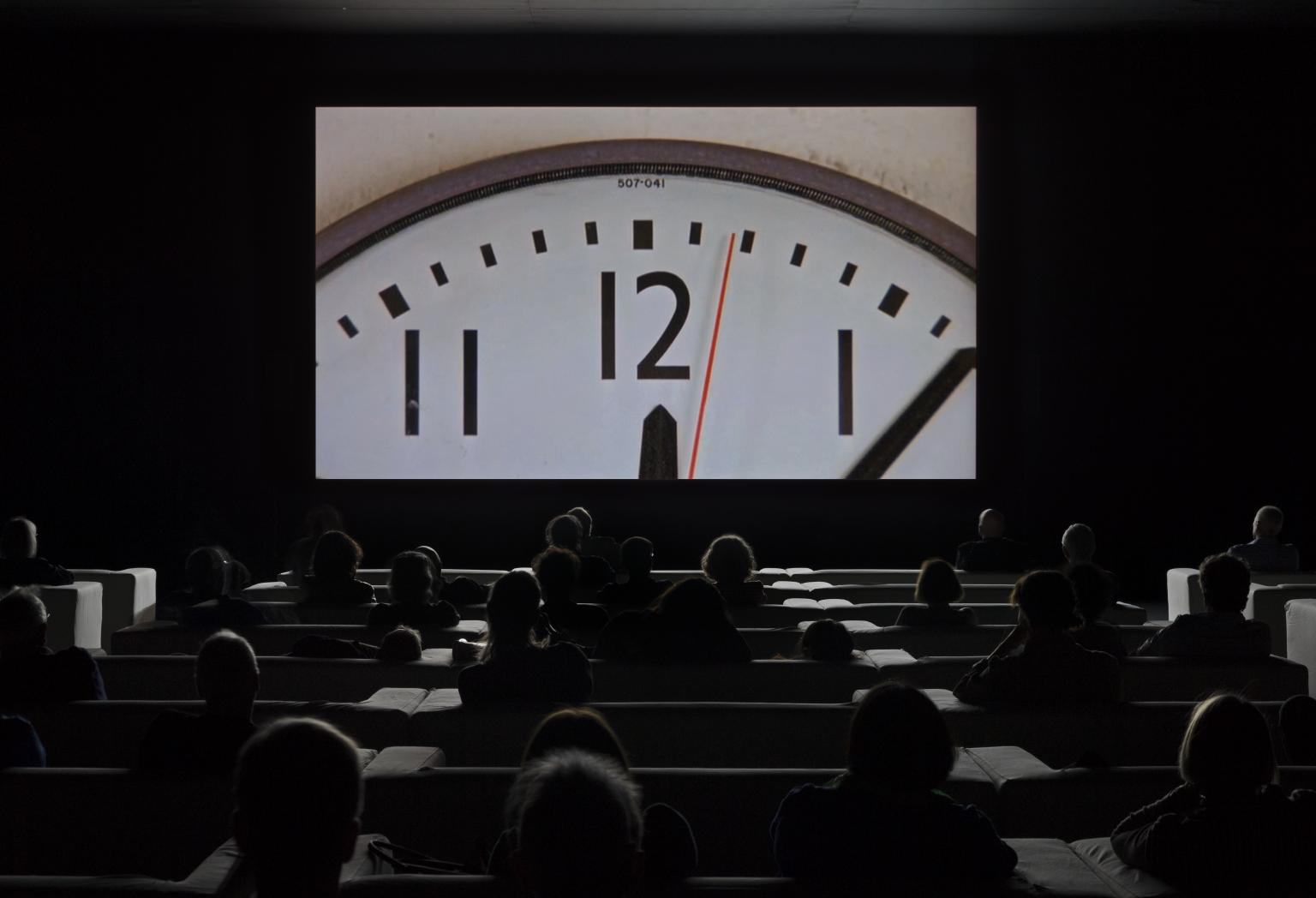
Last week, my friend Alex Porter asked me if I wanted to stop by Christian Marclay's seminal 2010 film The Clock at LACMA before it closed this past Sunday. I saw "stop by" because you can't really view the entire work in full, even if you wanted to, as it's a full 24 hours long. Marclay stitched together sequences that show time in motion, in conflict, in dissolve, and in relief, from decades of films. The throughline: every sequence takes place at the exact time in the film as in real life. So when Lee Van Cleef checks his watch in A Few Dollars More before his shootout, the time reads at 5:38 PM, exactly as it was on mine. (You can see the full list here. It's nuts.)
It is a bit of a gimmick, admittedly. A bit of a durational free solo, a Herculean effort. It's also a reminder of the power of curatorial labor at a time that so much of that now goes to AI systems (one can imagine the skepticism around a film like this being released today). But the feel is affecting as time dilates and you settle into a routine of one scene washing over another. "That’s what you’re supposed to do — let go and absorb it and feel like you’re part of this thing," Marclay has said.
But I read The Clock slightly differently—it's a fundamentally ludic experience in film, unlike others I've experienced. Typically, the "games in film" conversation that Danny and I had the other week, focuses on two veins: adaptations or mechanics. Adaptations, you know well, but there are others such as Edge of Tomorrow or Backrooms that take the conventions or philosophies of games to apply them on-screen. Doug Liman's Edge of Tomorrow (based on the 2004 Hiroshi Sakurazaka manga) hurtles Tom Cruise from one death to another, mimicking the skill acquisition process for games, while Backrooms focuses on clipping through digital surfaces.
The Clock is something altogether different, in that the behavior that emerges naturally is one of checklist sightseeing. ("It's like Where's Waldo," Alex joked.) Sometimes the many clocks, timepieces, stopwatches, and cuckoos obviously draw attention to themselves, but sometimes it's more subtle. Roy Hobbs obliterating the clock at Wrigley Field with a home run is not subtle; two sequences from The Man Who Wasn't There missed me entirely. Your mind is in tension between what the film asks you to do (look at the time) and what the limbic relationship to moving image requires (look at everything else).
The result is truly mesmerizing. Freed of the responsibility of paying attention to plot, mood, sound, or set, I found slipping into time dilation easy as each sequence bounded into the next, leaving me to decide exactly when I wanted to leave. But this runs counter to Marclay's attention; it was a wholly lean-in experience that pulled me to interact, not to release. It's a feeling typically reserved for games where my sense of space can also wander, but unlike any I've had in a theatre. By 5:40, Napoleon Dynamite cued, and I was ready to grab dinner, knowing it would be a while before I spent that much time with a watch face again.
One to Watch
Freshly Baked Games serves its King's Field revival crunchy
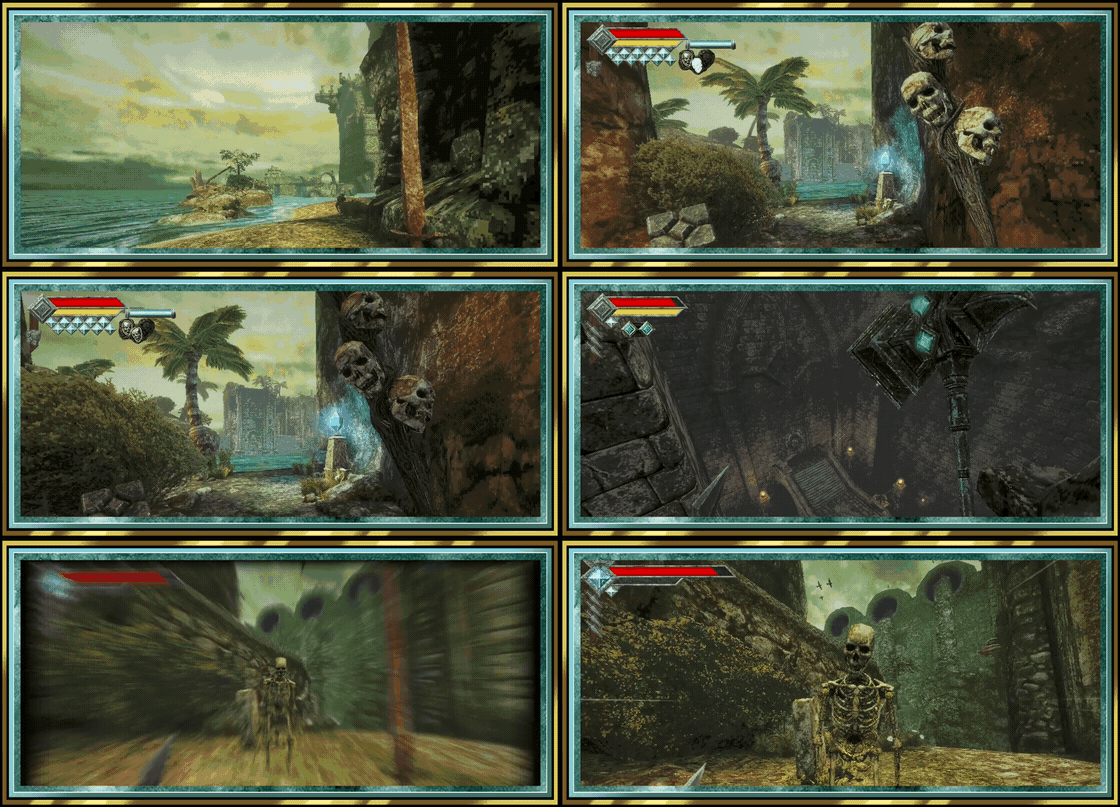
Queen's Domain is being built as the heir to King's Field, the murky first-person FromSoftware RPG that Dark Souls grew out of. The developer jokes that teeth would wear down chewing on it. The demo is out.
Run-ons
- Mexico City street legends turn up as low-poly game skins — the anonymous account cdmx.exe renders the capital's street figures in PS2-era polygons.
- A cult that scores your smile heads to gamescom — Zeitgeist Studio's compound grades how convincingly you smile, and it is heading to gamescom.
- Alina Nazmeeva's YUHA builds a world from oil and myth — YUHA builds a world out of oil and myth; it opens Aug. 28 at MANA Contemporary.
- tiengiungtong's rabbit hole is lined with bodhisattvas — a dreamlike point-and-click that does not exist yet, and a comment section full of people asking to play it.
- Dollar-store junk becomes the item sprites of Lucid Blocks — Eric Alfaro photographed household clutter into a sandbox that runs on dream logic.
- A crucifix USB necklace carries a Barragán video game — THE END IS NEAR ships as $270 jewelry.
- Invented Olympic sports demand both hands in Qilinic Games — Xiner Lan's UCLA thesis stages invented Olympic sports on a twin-joystick cabinet.
- CONTROL filled a Peckham gallery with unplayable games — OHSH Projects argued videogames already remade contemporary art, then staged the show like one.
- Gaming Club: Ten minutes left at the end of the world — 30 minutes inside Cameron Granger's warehouse party at the end of the world.
- You Up?: What to Play, August 21 — the Playlist, on work, data, bosses and chartjunk.
The extended cut
The extended cut is up: a police station built wrong on purpose, films rebuilt as late-'90s games nobody can play, and why Mario 64's water still felt like water. Listen →