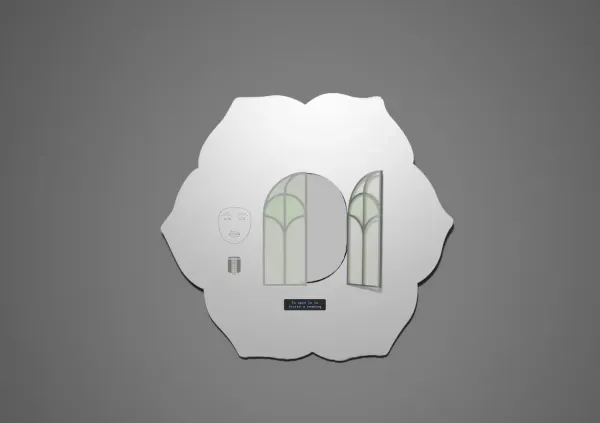
Invented Olympic sports demand both hands in Qilinic Games
Xiner Lan's UCLA MFA thesis installation stages pseudo-sports on a twin-joystick arcade cabinet, a ritual for building 'the great body.'

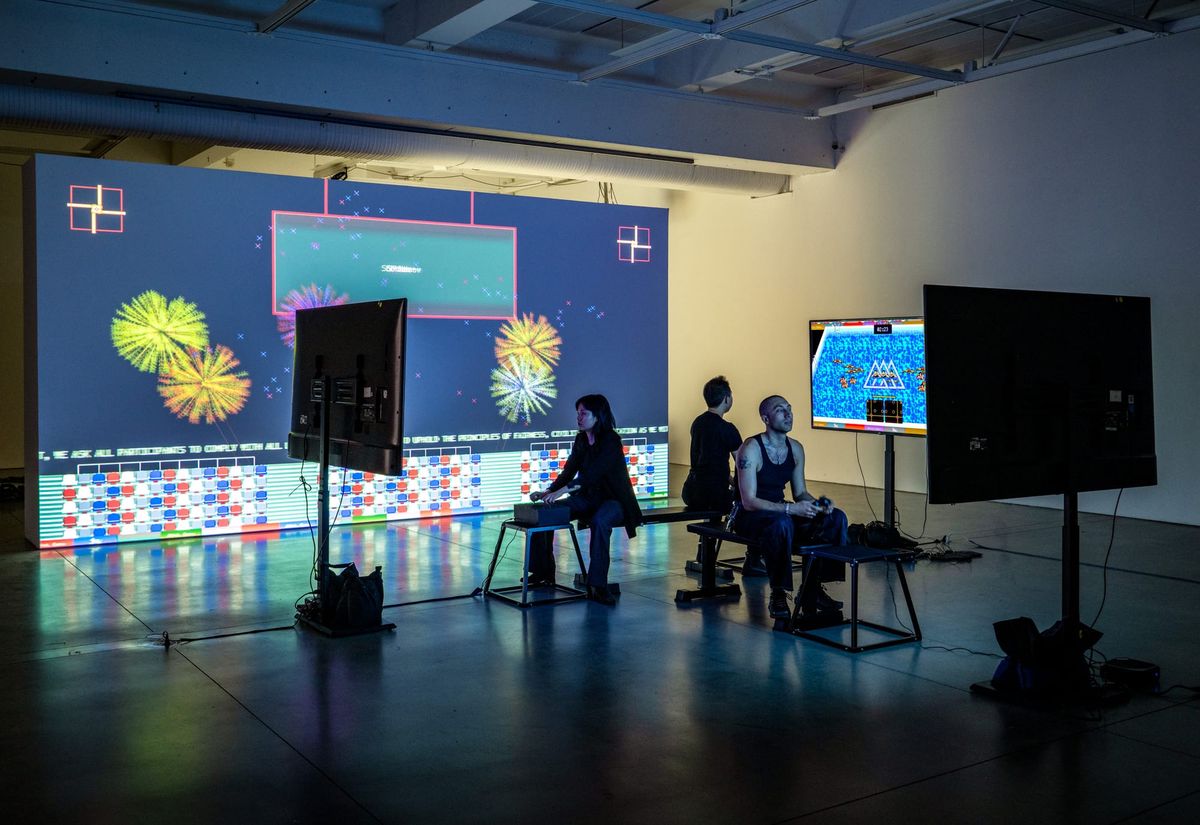
The Olympics were already a videogame (arbitrary rule systems, national bodies, an audience keeping score), so Xiner Lan invented new events instead of licensing old ones. Qilinic Games, Lan's MFA thesis installation at UCLA Design Media Arts, collects pseudo-sports minigames set in the fictional Qilin City, played on a custom arcade setup whose twin joysticks demand physical synchronization between both hands. The screen displays the sport; the actual game happens in your shoulders.
Across multiple characters' perspectives, the project page explains, the minigames stage vignettes of "a ritual that both celebrates and depletes the construction of 'the great body'"—sport as national fitness program, rendered somewhere between arcade and shrine. The documentation photos show the cabinet standing in the gallery like gym equipment that wandered into a temple. Lan also built keyboard and gamepad control options, so the games can survive outside the installation.
Lan—a video artist, game maker, and performer who came up through film and animation at the Rhode Island School of Design—is a name worth tracking. DisplaceMen, an earlier game of Lan's, was a finalist for Best Student Game at the 2025 Independent Games Festival. And the thesis committee reads like a Killscreen index: Jenna Caravello, Danny Snelson, and Eddo Stern, whose art games about game life this publication has covered for more than a decade. The alternative-controller argument—that the controller, not the screen, is where the meaning lives—keeps winning converts; Lan's version just asks both of your hands to agree with each other first.
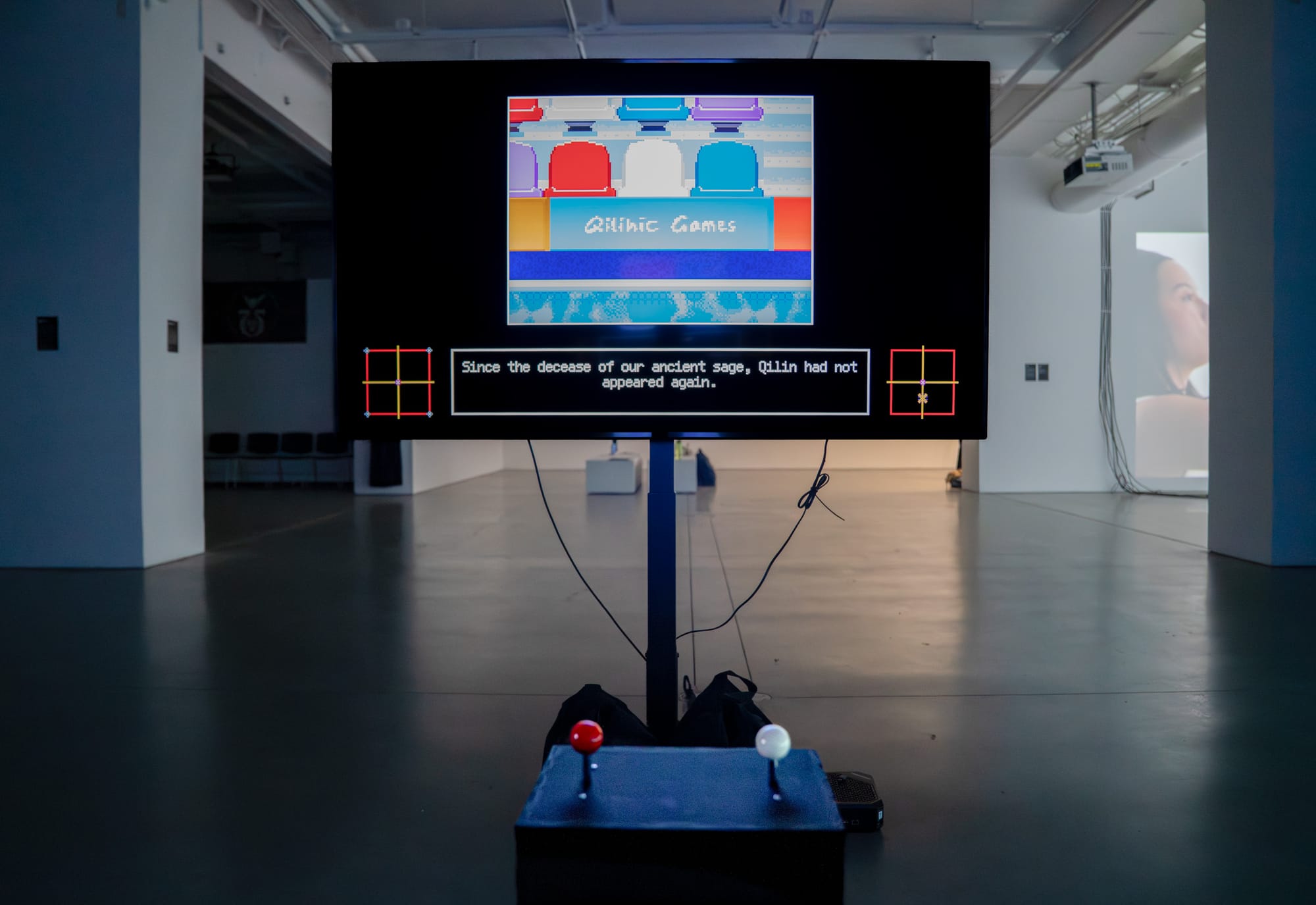
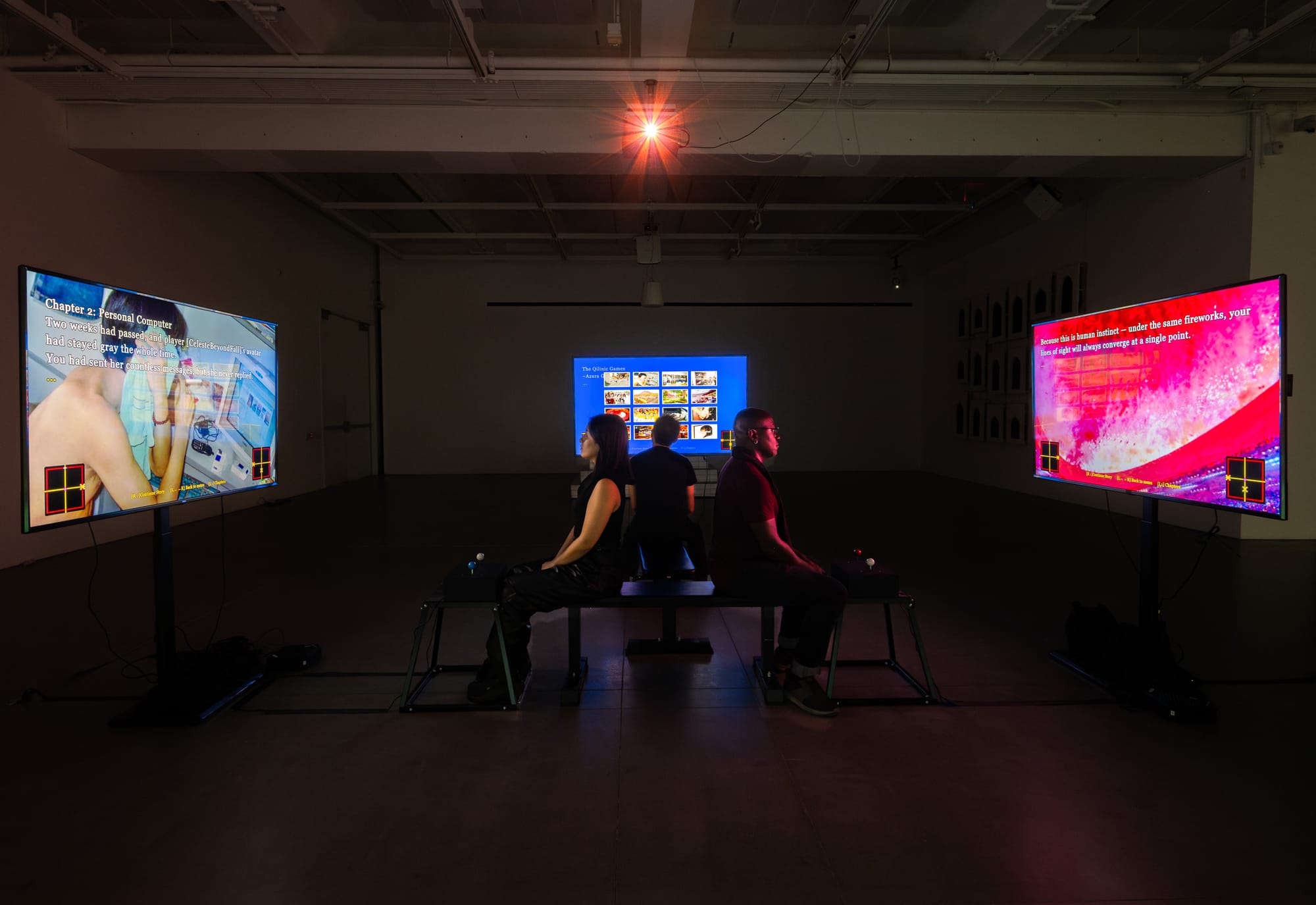
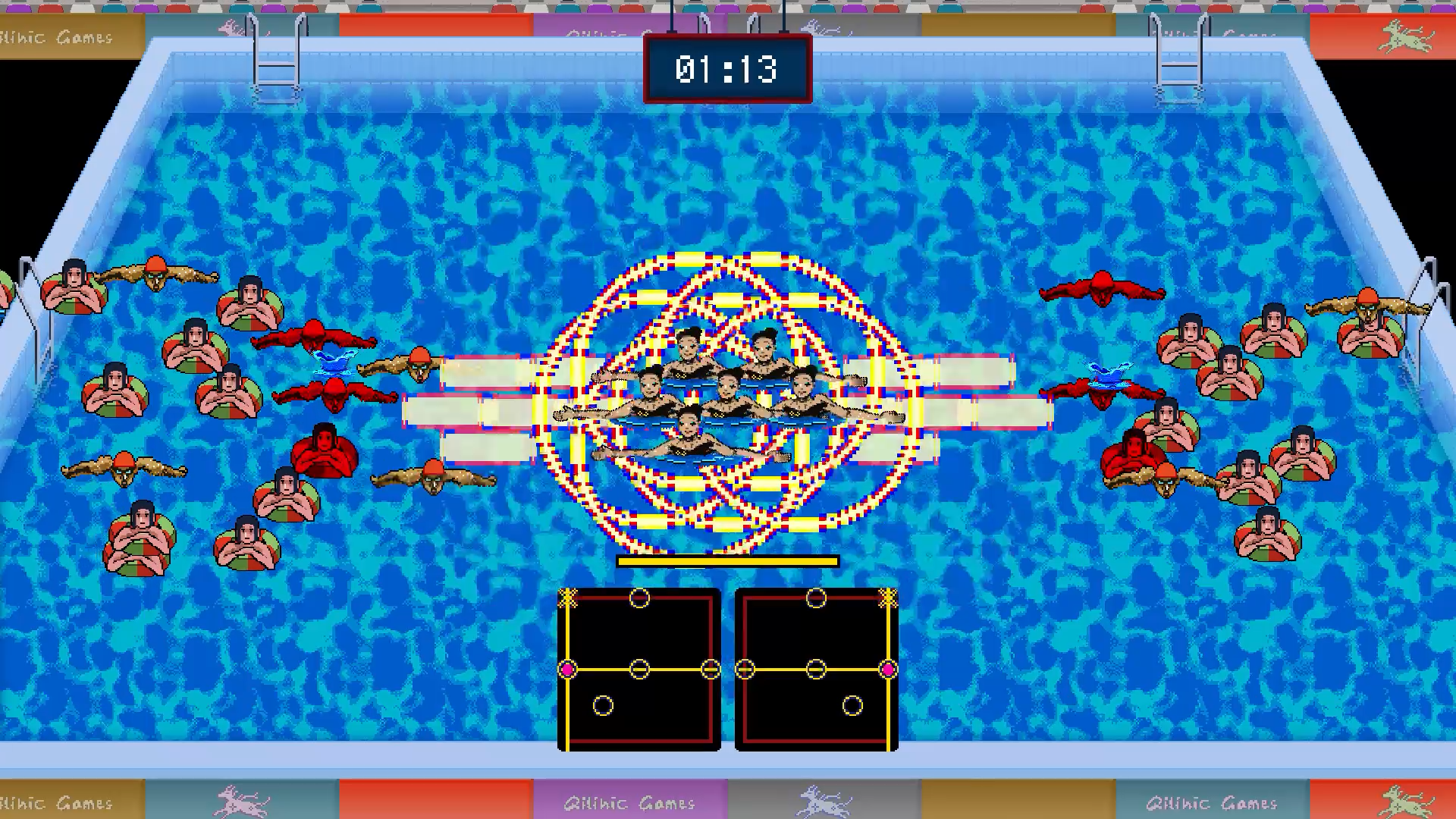
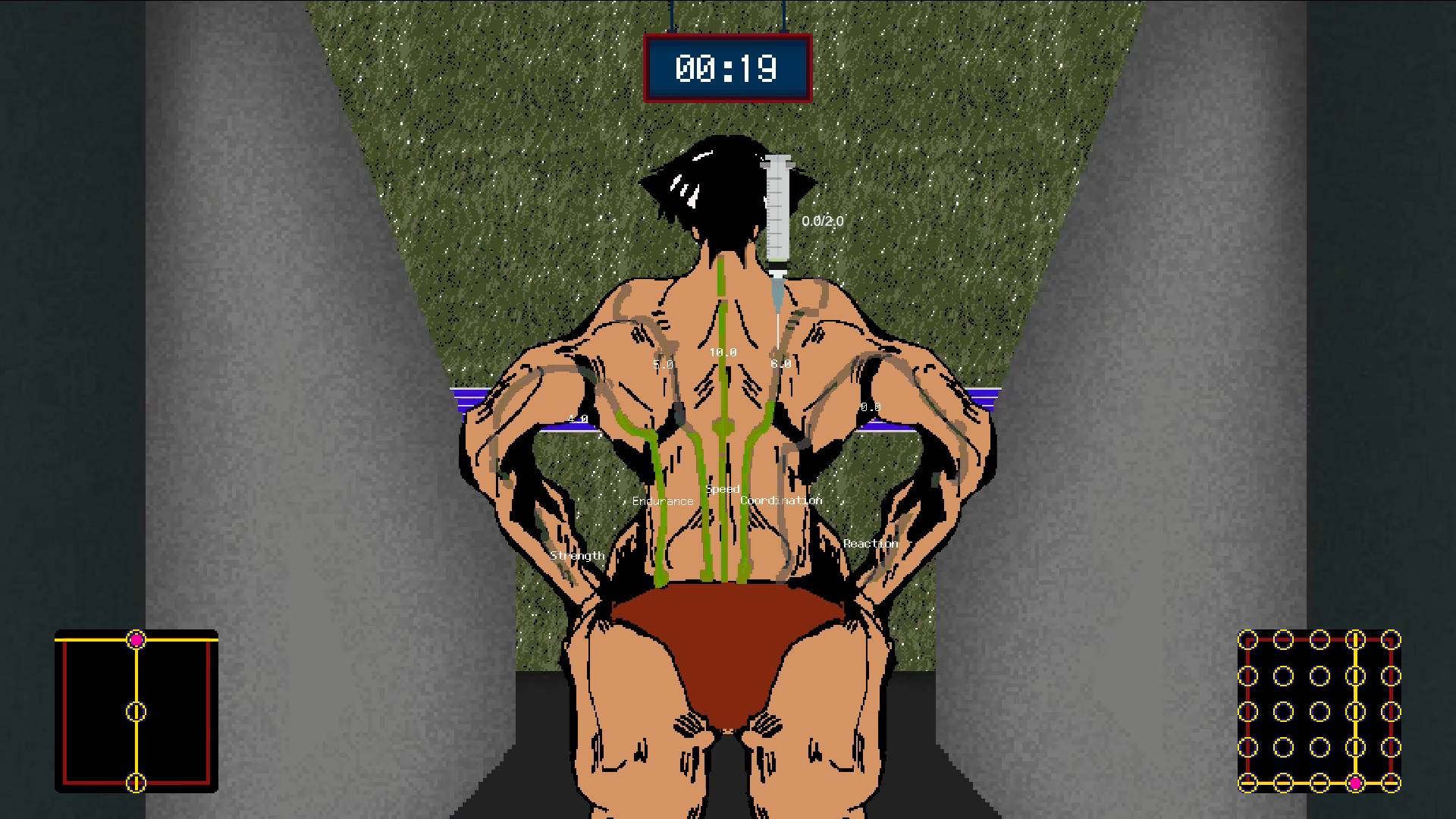
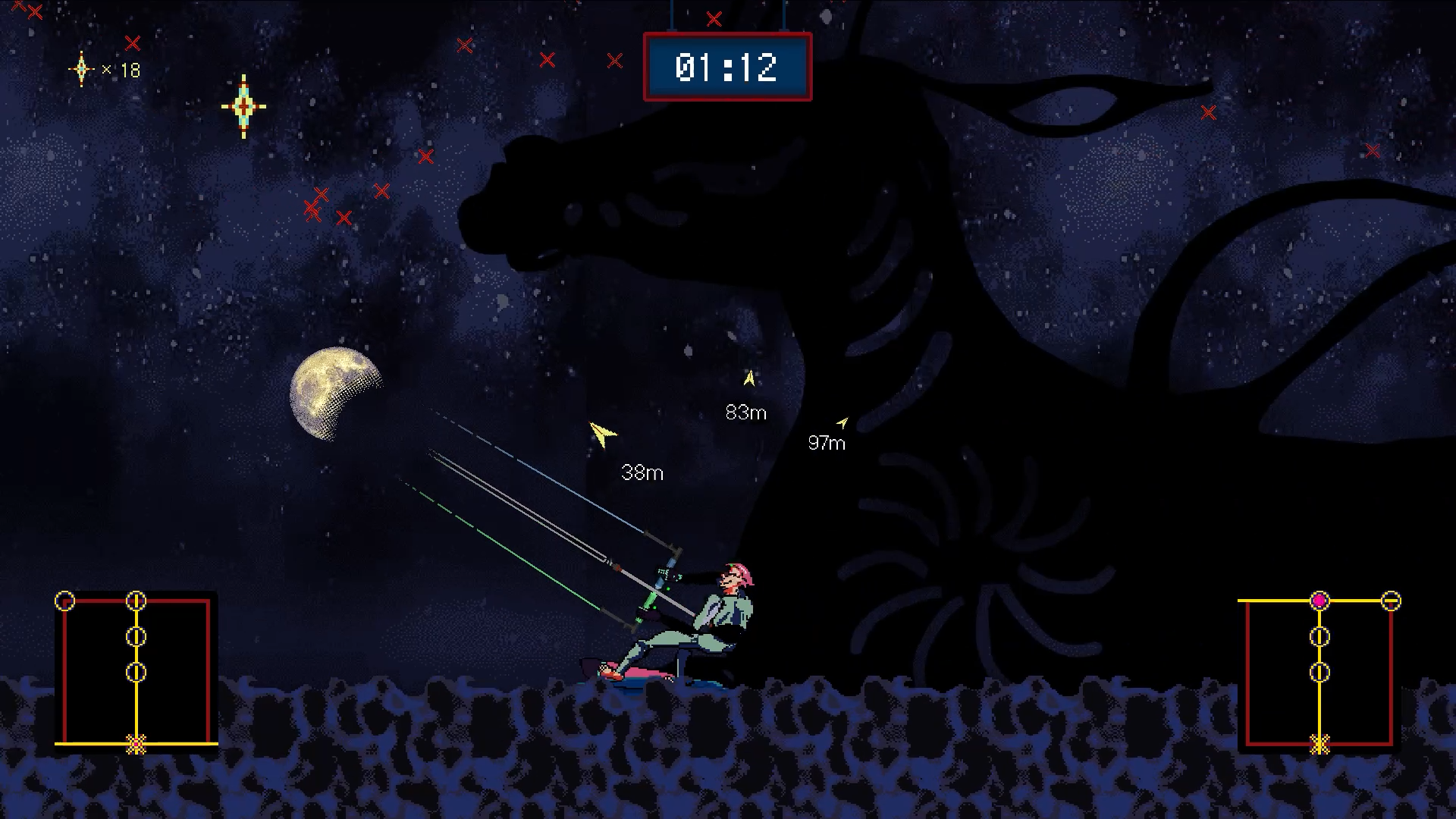
The twin-joystick cabinet and in-game vignettes of Qilinic Games. Images: Xiner Lan
We track MFA shows so you meet artists like Xiner Lan before the festivals do. The free newsletter is the early feed.