The Young and the Scoreless
Toddlers step out into the world of consoles
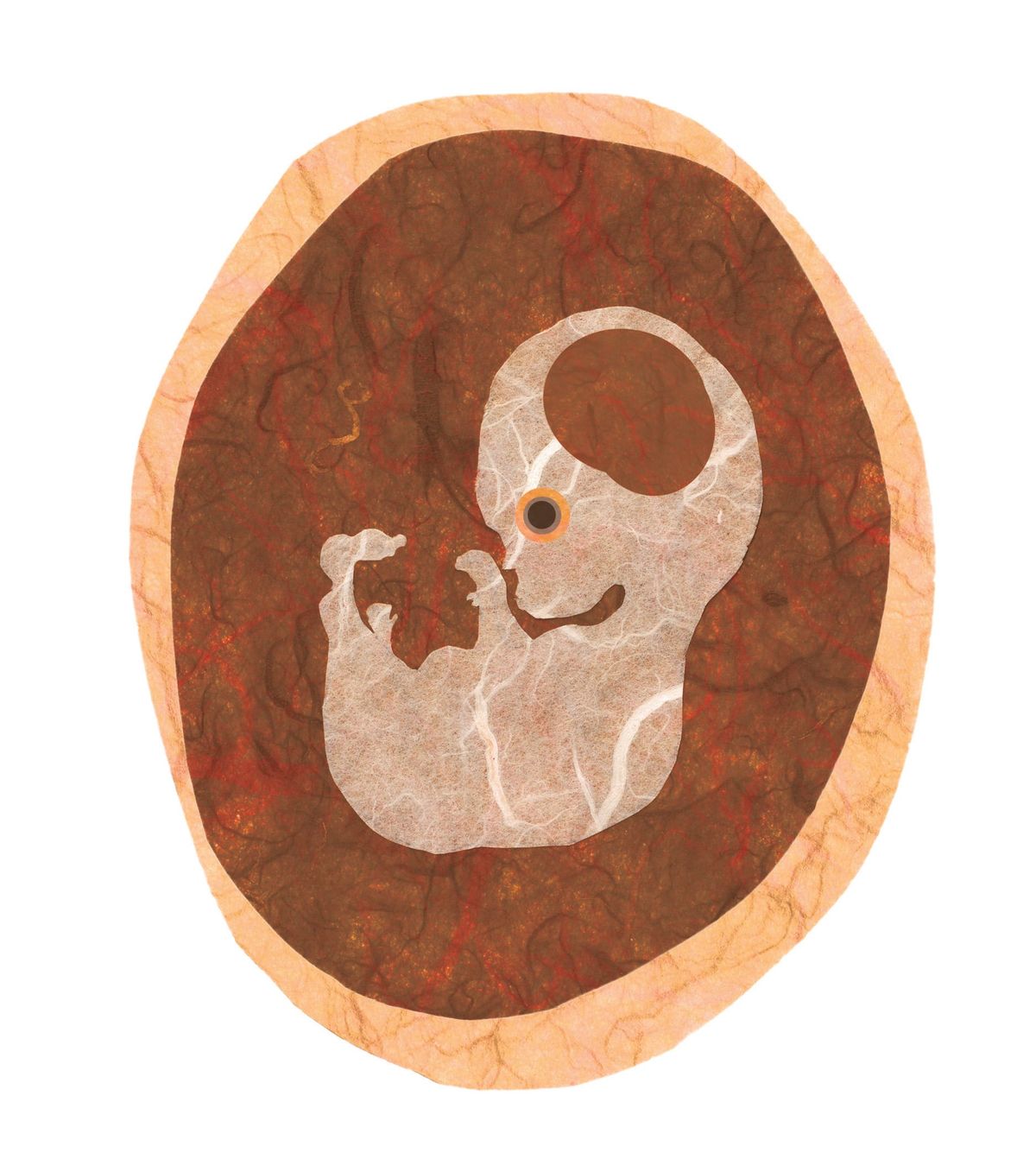
We enter this world a wondrous bundle, 100 billion neurons strong and bearing more synapses—those flashpoints of memory and sensation—than the adults we will become. As we grow older, get responsible, go to the supermarket, learn to drive, get a job, pay taxes, get married, and maybe even have kids of our own, we kill off these synapses. By this measure, when we are born we are more conscious of our world than we will ever be. This is why neuroscientists who study babies call their subjects “little Buddhas.”
We’re born blindingly conscious but grasping, handling more raw data than we’ll ever deal with again. Our pre-frontal lobes aren’t yet fully formed, and they’re what sorts everything around us, focusing our senses. Maturing, then, is just a way of figuring out how to block external stimuli—but our lobes aren’t finished growing and aren’t in full use until we’re 20. When we’re very young we don’t know thought, can’t connect the dots. One way to approach the mind in its early development isn’t as a singular thing, but a series of islands. In other words the brain isn’t a mind yet, it’s just a brain. But when we are born we’re more aware and learning faster than we ever will again. Researchers, comparing the brain scans of babies to adults, have found that the only grown-up experience that even approaches this awe-inspiring awareness that we feel as infants is when we watch a really, really good movie or play certain videogames. Only then is the back of our mind lit up like a child’s. Only then are we so fully immersed in a world that isn’t really real. So, if playing a videogame is a glimpse into our own infancy, what is it like for an infant to game?