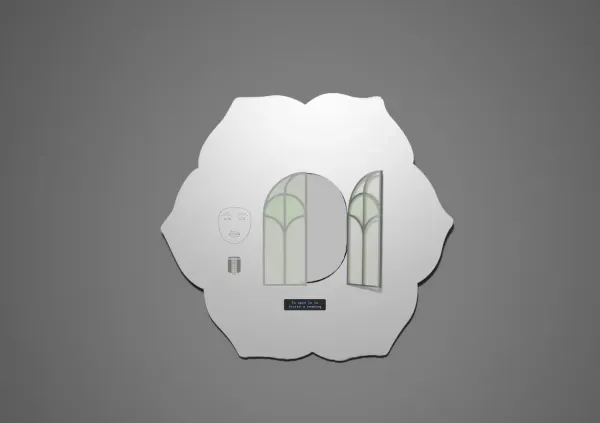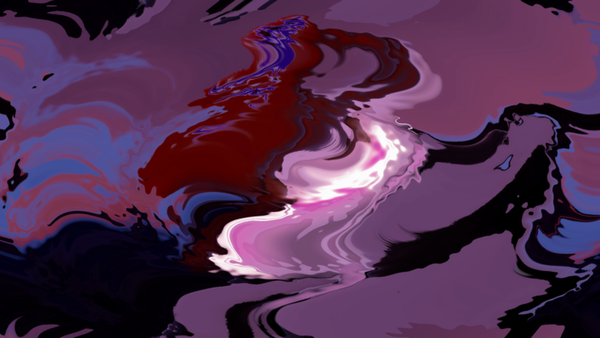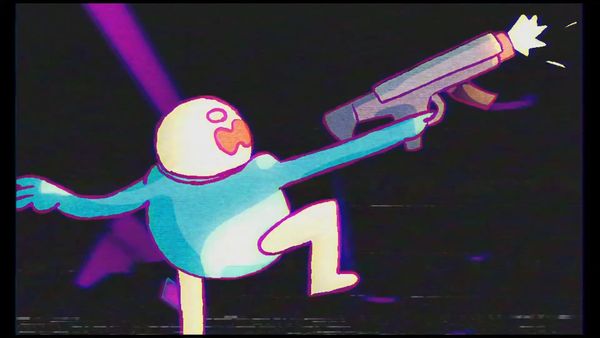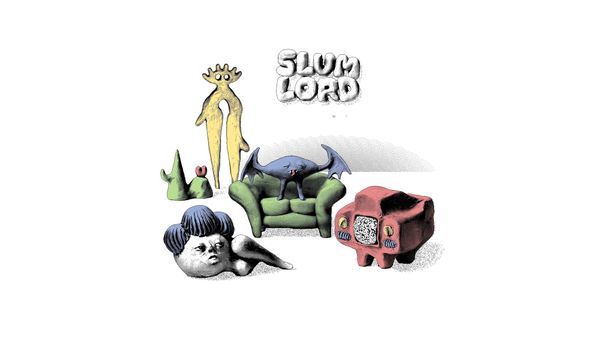
CONTROL filled a Peckham gallery with unplayable games
OHSH Projects argued that videogame aesthetics already remade contemporary art, and staged the show itself like a game.

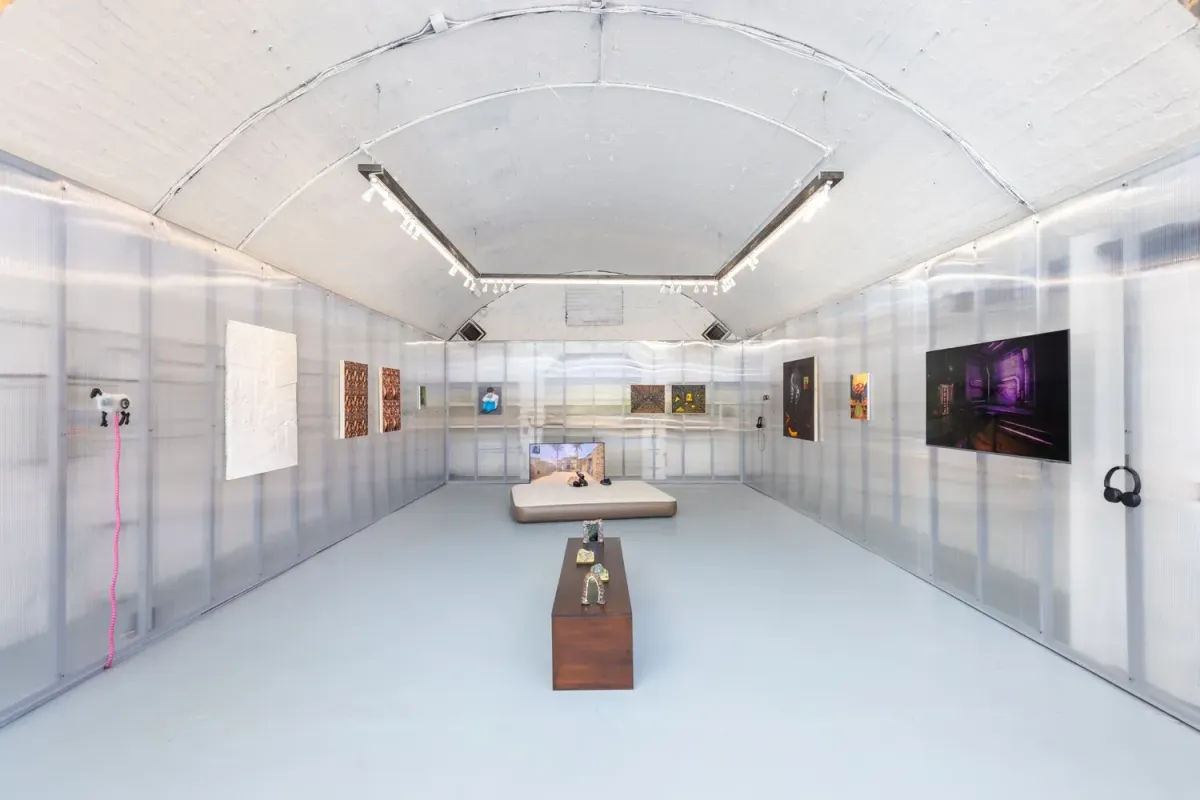
"Are games art" died as a question sometime around the Museum of Modern Art's first Pac-Man acquisition. CONTROL, which ran July 8 through August 1 at Peckham Oasis Gallery in south London, started from the better premise: videogame aesthetics have already entered contemporary art, and the job now is reading what artists do with the language. OHSH Projects gathered fifteen of them—and staged the show itself like a game, installing hidden works through the building like easter eggs for visitors willing to stray off the main route, per the gallery's announcement.
The lineage on the walls ran from Suzanne Treister's fictional videogame stills of the early 1990s—paintings of games that never existed, made before game art was a genre—through David Blandy, Petra Szemán and Mathew Zefeldt. The work the announcement leads with is 16 years old and still lands: Freedom (2010), Eva and Franco Mattes's performance shot inside Counter-Strike (featured in our No Fun issue!), in which Eva Mattes begs other players for mercy on the grounds of being in the middle of performance art, and is killed, over and over, by people who never agreed to be an audience. Few works say more, faster, about what a game's social contract actually is.
The curatorial text is worth reading on its own: early game graphics reframed as an aesthetic of constraint—"sufficient reality," enough image for a player to enter a world and care about it—with Alex Colville's stilted mid-century paintings offered as an art-historical precedent. It is an argument this publication has made since games first opened up for performance art, now hung on walls in SE15. The show closed August 1; the catalogue PDF on the exhibition page is the consolation prize.
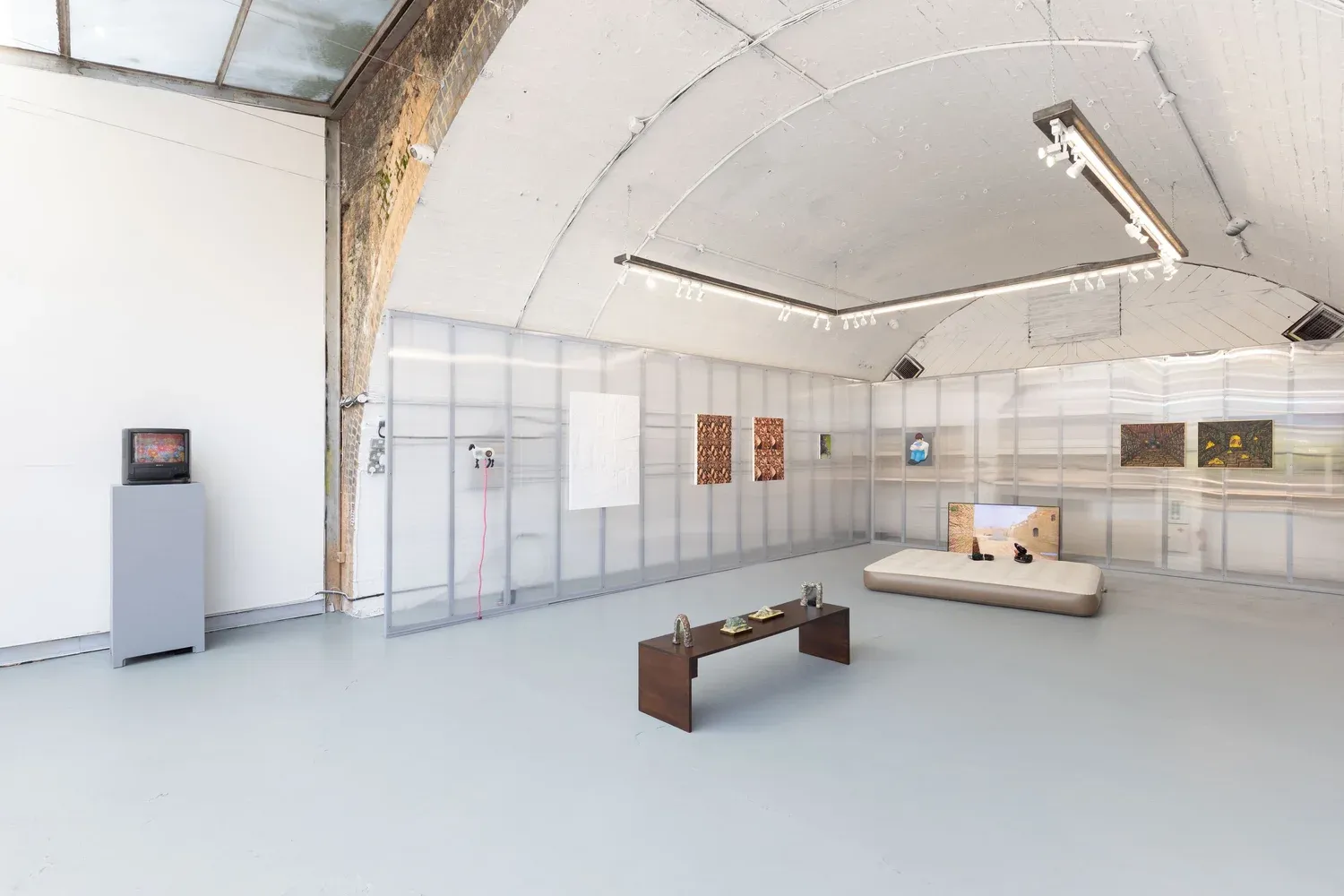
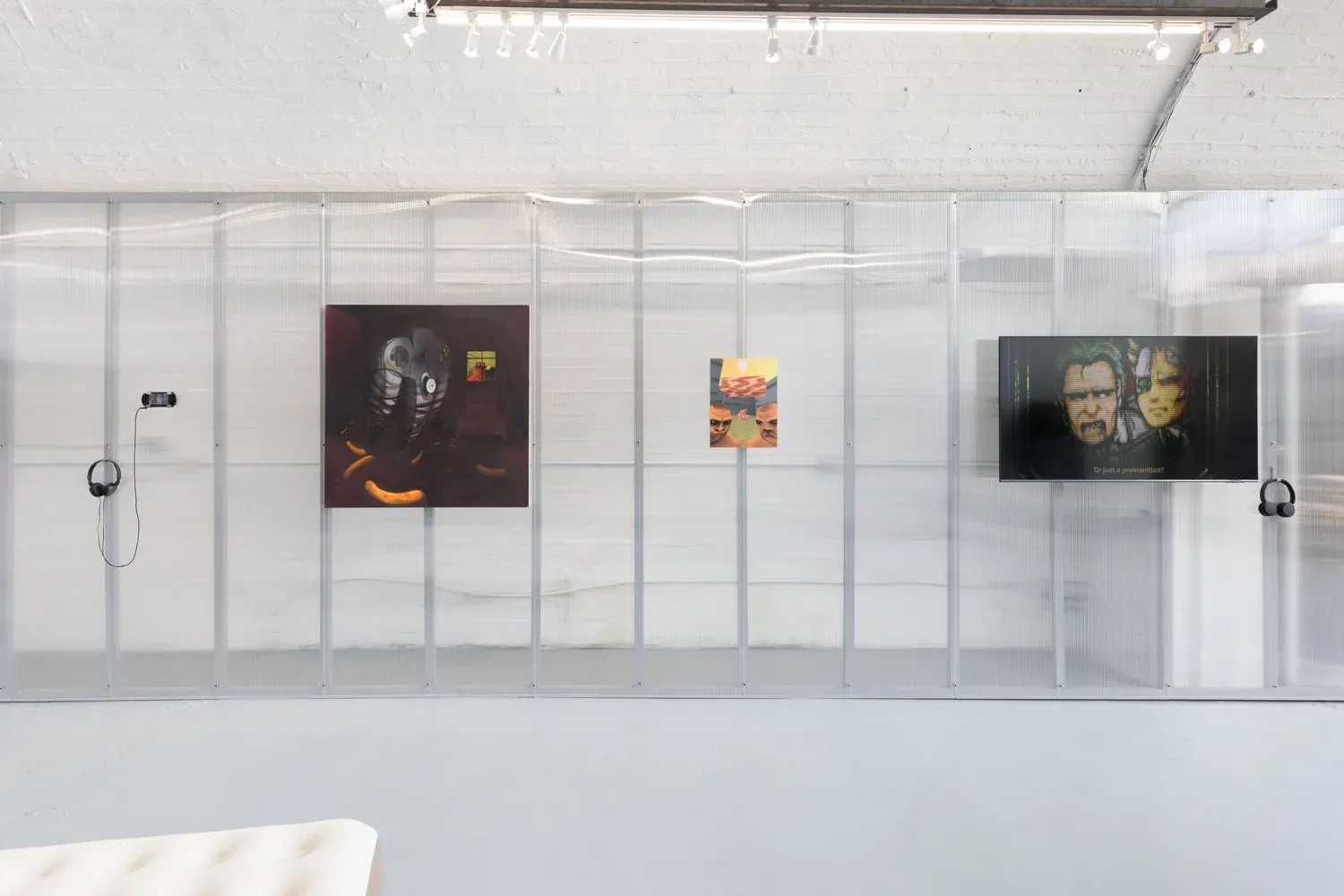
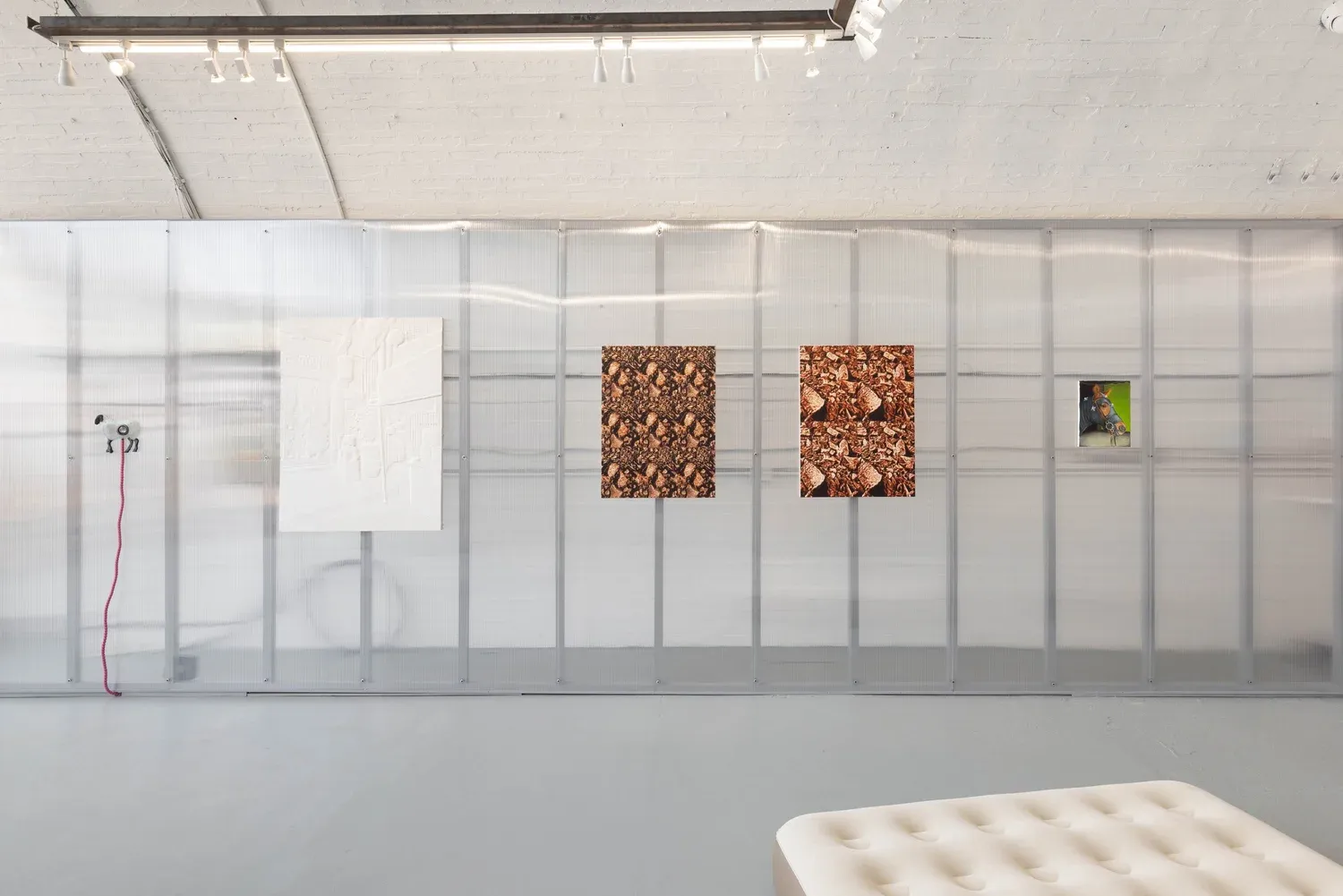
Install shots from CONTROL. Photography by Benjamin Deakin, courtesy OHSH Projects
Killscreen has argued for 16 years that games and contemporary art share a language. The free newsletter is where the argument continues.