


Currently Making is a series featuring artists and game-makers with work in progress.
When Lando was growing up outside of London, he felt on the very edge of something. "It's kind of a cultural dead zone," he told me in a conversation with his creative partner Stathis Tsemberlidis. "Like, a clone town where everything's pretty much the same." One might say it was a space colony, although Lando prefers the word "satellite." [see query 1] And working that sense of barrenness and sameness into his work was almost natural, as it was too fitting then to be making a game about a failed colony where the ecosystem is out of sync. In their new game, Rhizomatic Compound, the world is not right. "[My childhood town] definitely fed into my work," he reflects.
Over the last 20 years, Lando and Tsemberlidis have been on an expedition. What started in art school with photocopied runs of 50 and selling at zine fairs has now formed into the first draft of a new game project. And it's the extension of an idea they've been pursuing, an argument even, about speed and attention, but now dedicated in the form of a medium—videogames—that can finally hold it.
The two originally met in art school in 2003, while pursuing master's degrees in animation in London. It was a bit of a handshake across European experiences. Tsemberlidis was raised in Athens, had little exposure to Japanese anime, and read French experimental comics. "Before, it was all these children's comics, but when I saw this other stuff, my mind was blown," Tsemberlidis remembers. For Lando, it was the reverse; lots of manga as a teen but no Moebius until recent translations. When they met to form Decadence Comics, their first project was a photocopied A5—a folded and stapled anthology for 50 friends, born of a desire to break with their fellow classmates who wanted to work for big animation houses. By 2008, zine fairs in London and Bristol demonstrated that there was an audience for "sci-fi, conceptual ... heavy stuff," Lando says.
Like many, they found the pandemic lockdown forced necessary self-reflection, and they were connected with a programmer, Sam, who could help them build a game world. "It felt like a natural progression with what we are doing with comics and animation," Tsemberlidis says. "The game feels a little bit like reading a comic, but more like you interact with it." The whole process was "spontaneous," a word that comes up multiple times throughout our conversation.
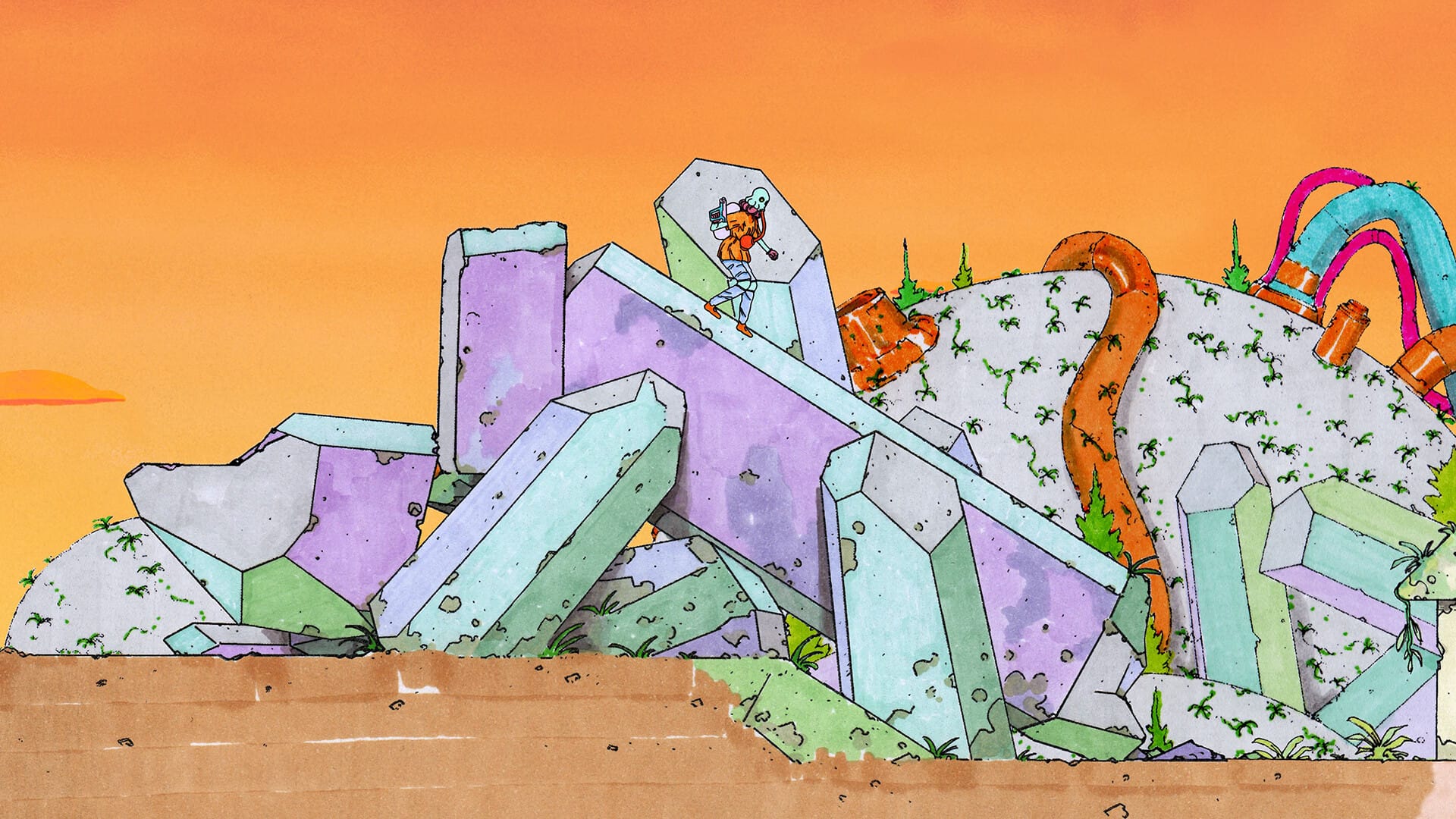
So, the game. They are about a third of the way through Rhizomatic Compound, a hand-drawn (of course!) tale about exploitation and collapse. You are placed on a distant planet that was previously colonized by humanity, but reckless resource extraction has driven everyone underground into a series of tunnels called the "Rhizomes." Your toolkit as a scientist is biological, not ballistic, with terminals to hack, cellular life to reprogram, and fungi to cultivate. There is an inherently allegorical political dimension to what remains after humanity has spoiled what it's been given. "It feels like an extension of most of the themes that we have been exploring for the past twenty years," Tsemberlidis argues. "It's not like something disconnected from this universe we have created."
One apparent marker for Rhizomatic Compound is the pace, an obsession for both artists who let their work breathe. The scientist walks and walks, but is punctuated with occasional violence, a staccato rhythm familiar from Éric Chahi's Another World (1991), an inspiration for the work. "Pacing has been something that has puzzled me for a long time with comics," Tsemberlidis says. His Picnoleptic Inertia is nearly textless, for example, sprawling across multiple collected shorts, and Lando's Gardens of Glass opts for symbols as language.
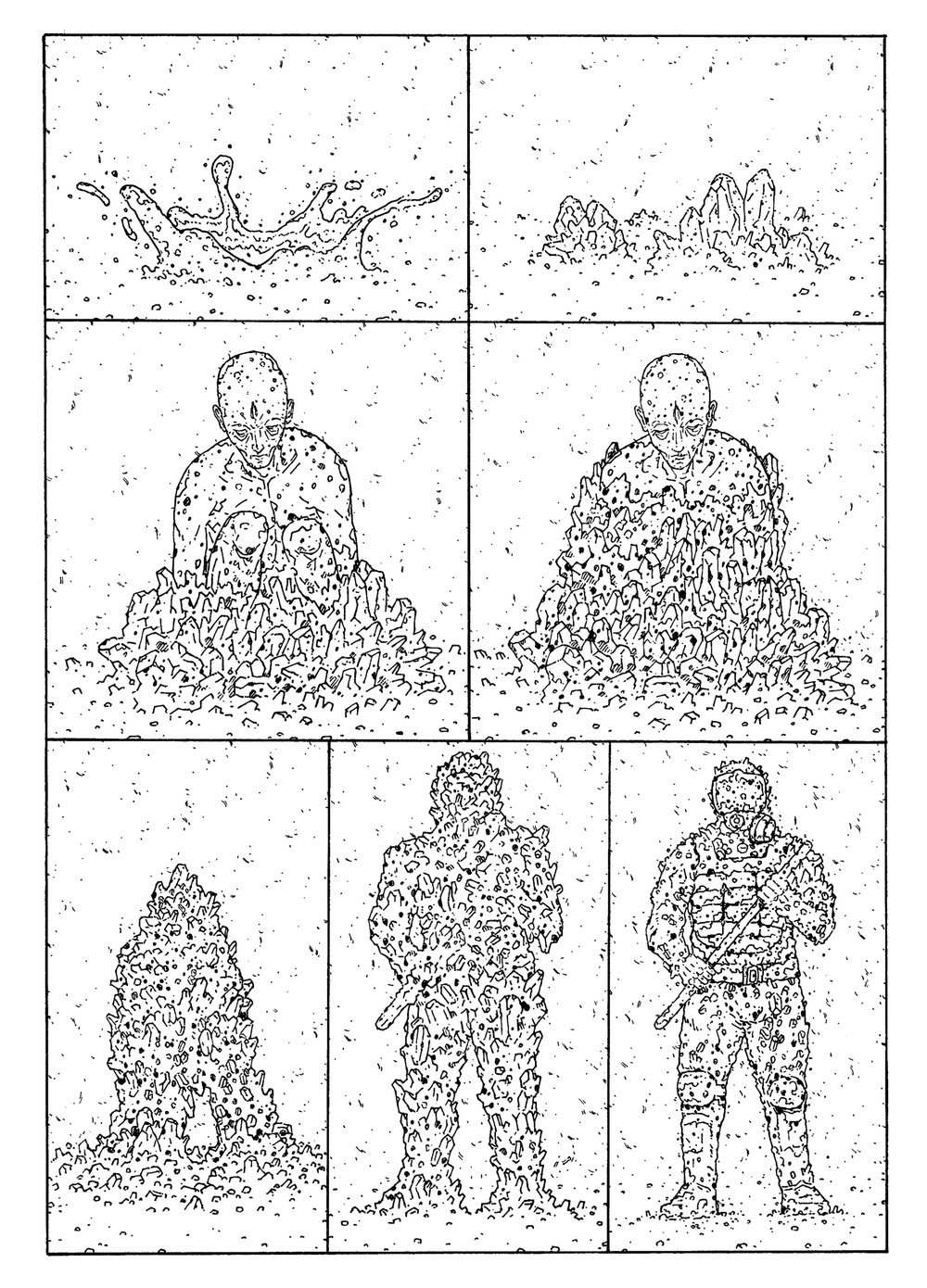
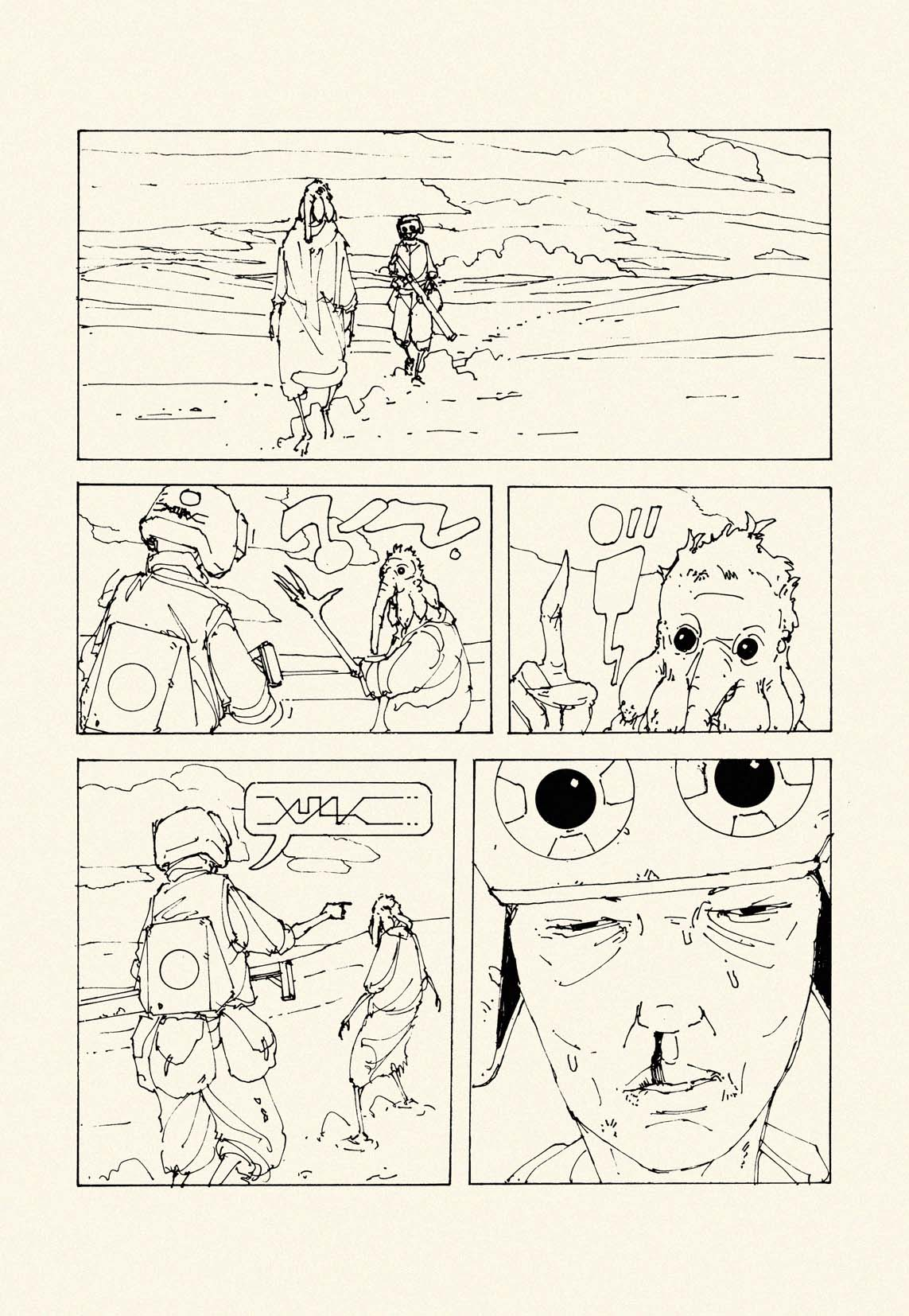
Tsemberlidis cites the work of French theorist Paul Virilio, especially his seminal work Speed and Politics. In it, Virilio establishes "dromology," his term for social development born of speed and technological acceleration. (Picnoleptic Inertia is nod to Virilio's "picnolepsy," the epileptic state of consciousness produced by speed, consciousness defined by its own gaps.) For Lando and Tsemberlidis, there was a contemporary lesson for games, specifically "fast-paced run-and-gun games." Right now, there is an unbelievable push to capture players' time and attention through artificial game extensions, useless cut sequences, or saccharine bloat. But that's not the only way. "I want to drag it as long as possible. And I want the player to spend time with the environment and the music and create a different approach towards time and space," Tsemberlidis says.
Foregrounding slowness and reflection isn't purely a countercultural stance. The benefit of working through two decades of comics together is delivering something to honest-to-goodness fans of their work. In part, they've embedded the foreboding feel and rough line work that their readers already expect. (A particular pink character alludes to a popular British icon that will be familiar to some.) "Partly we're making the game for people that have read our comics, so I think it's fun to include stuff like that," Lando says. "But for non-comic people, it might be quite confusing."
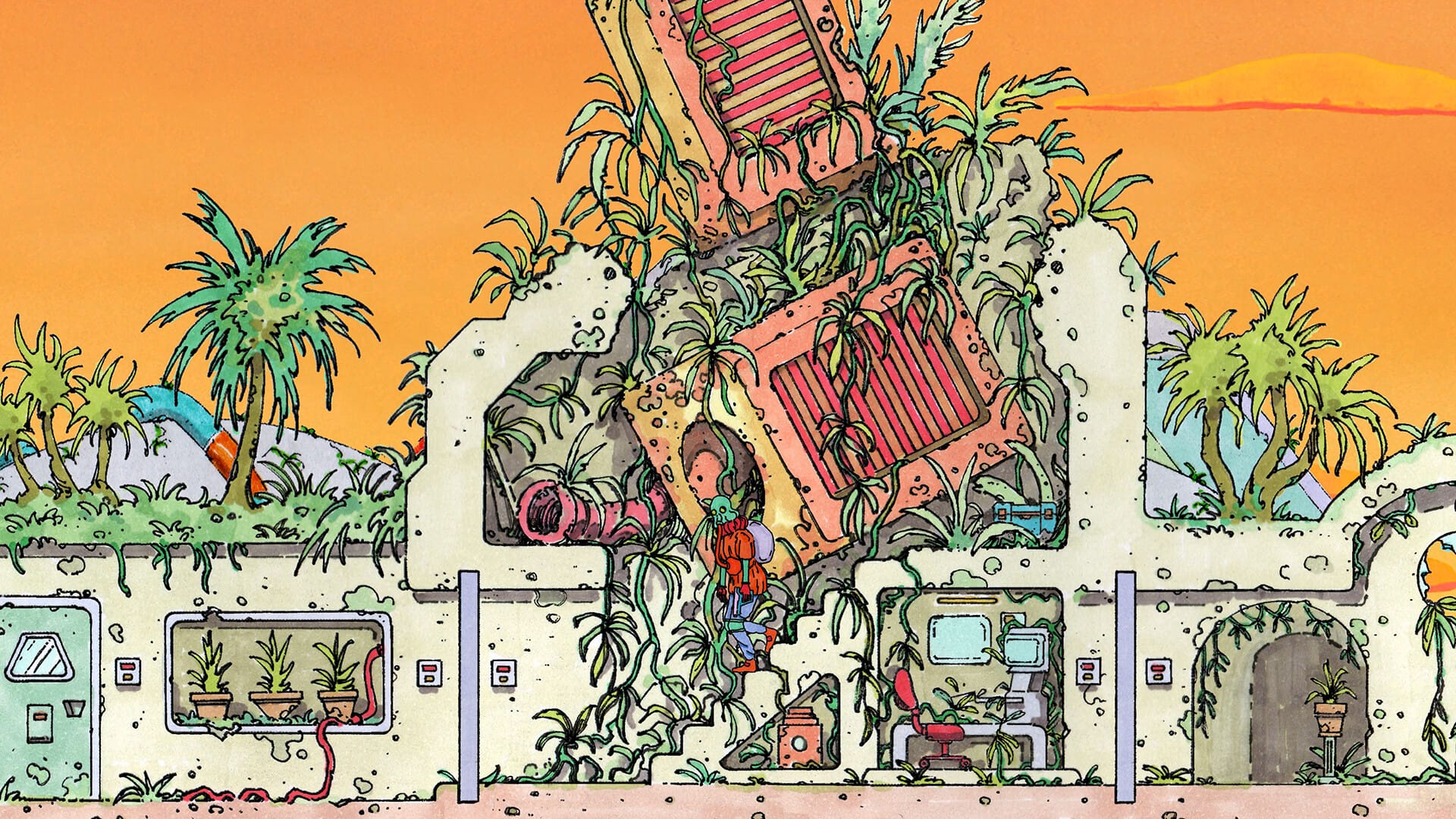
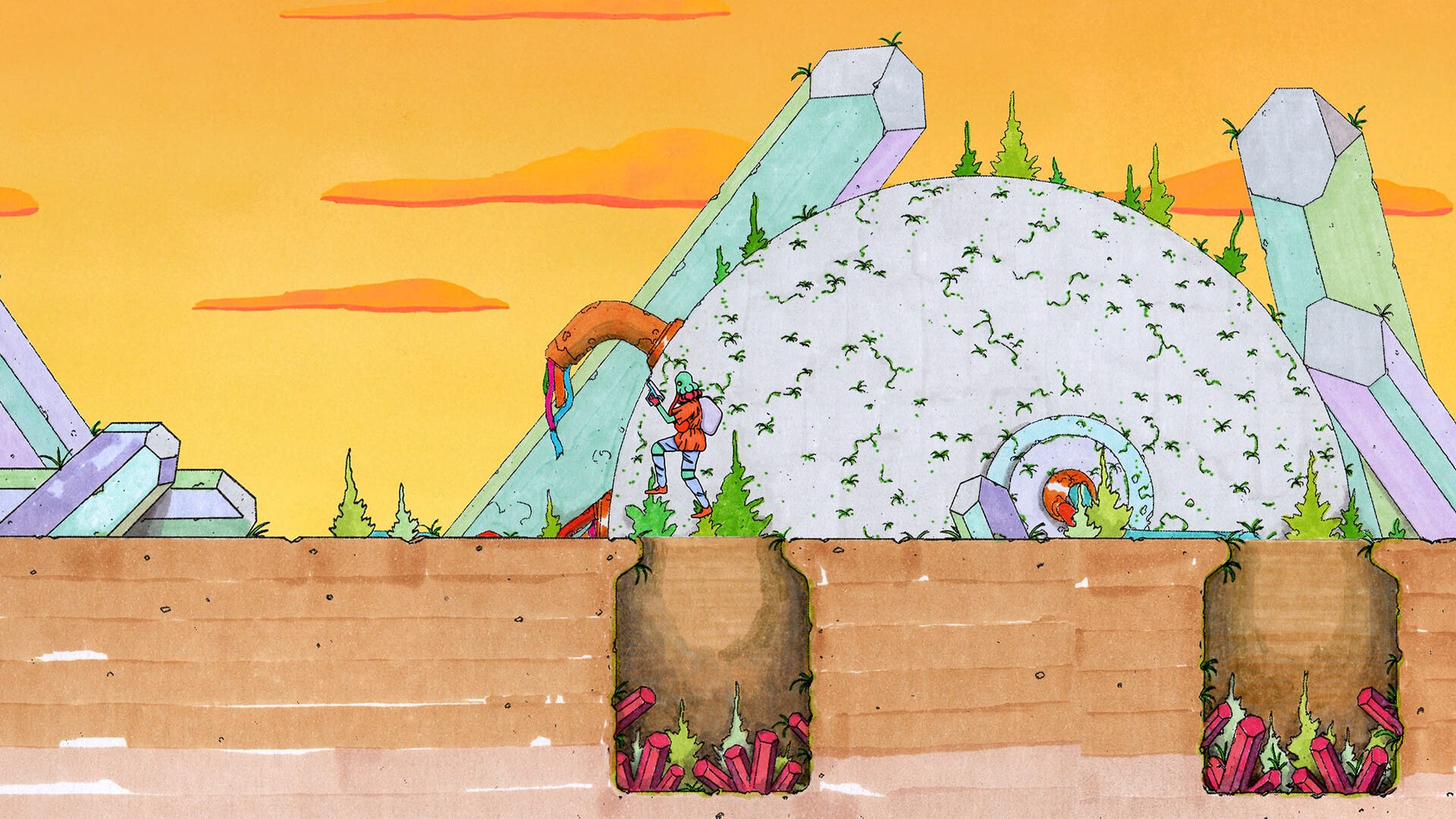
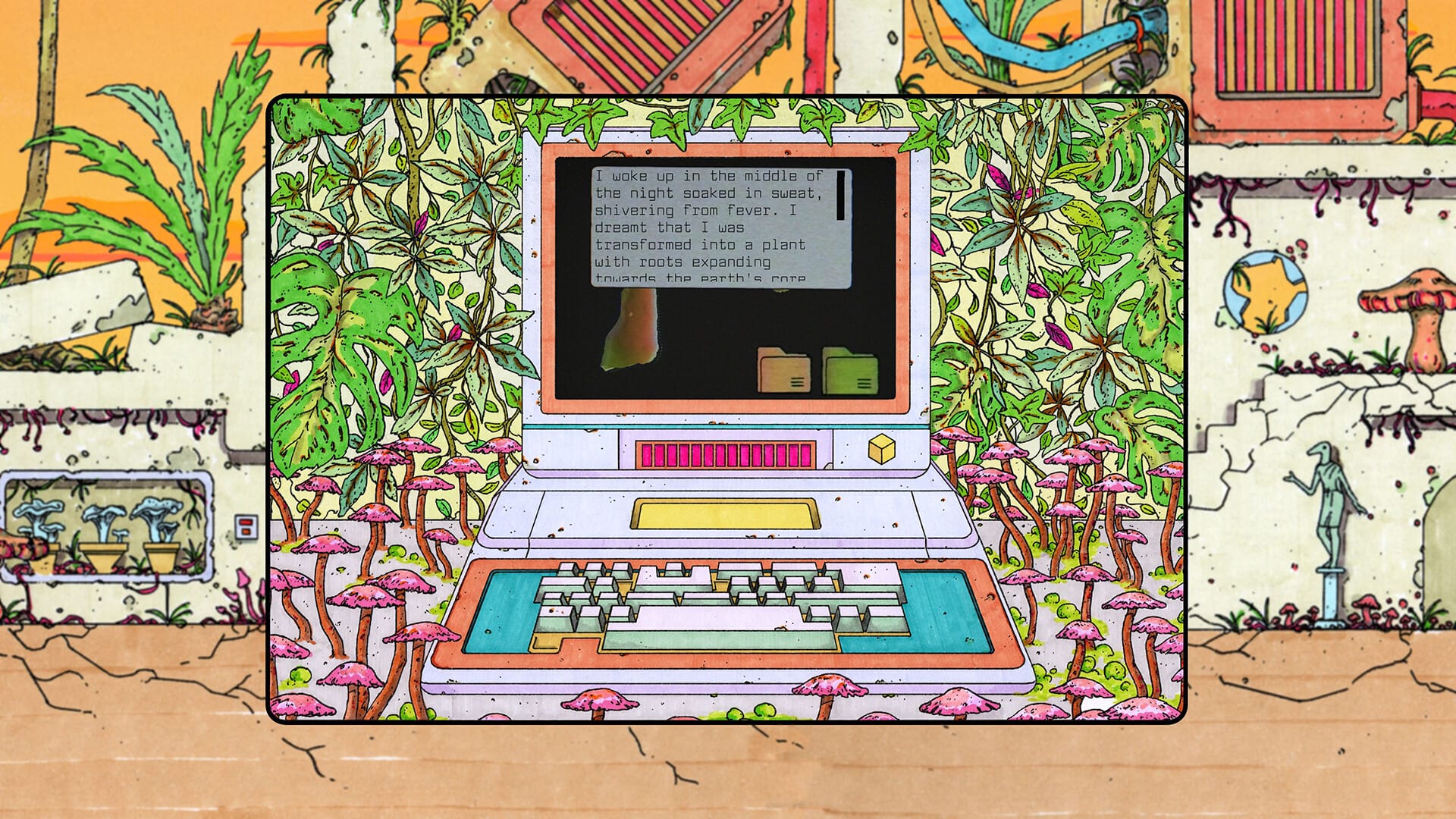
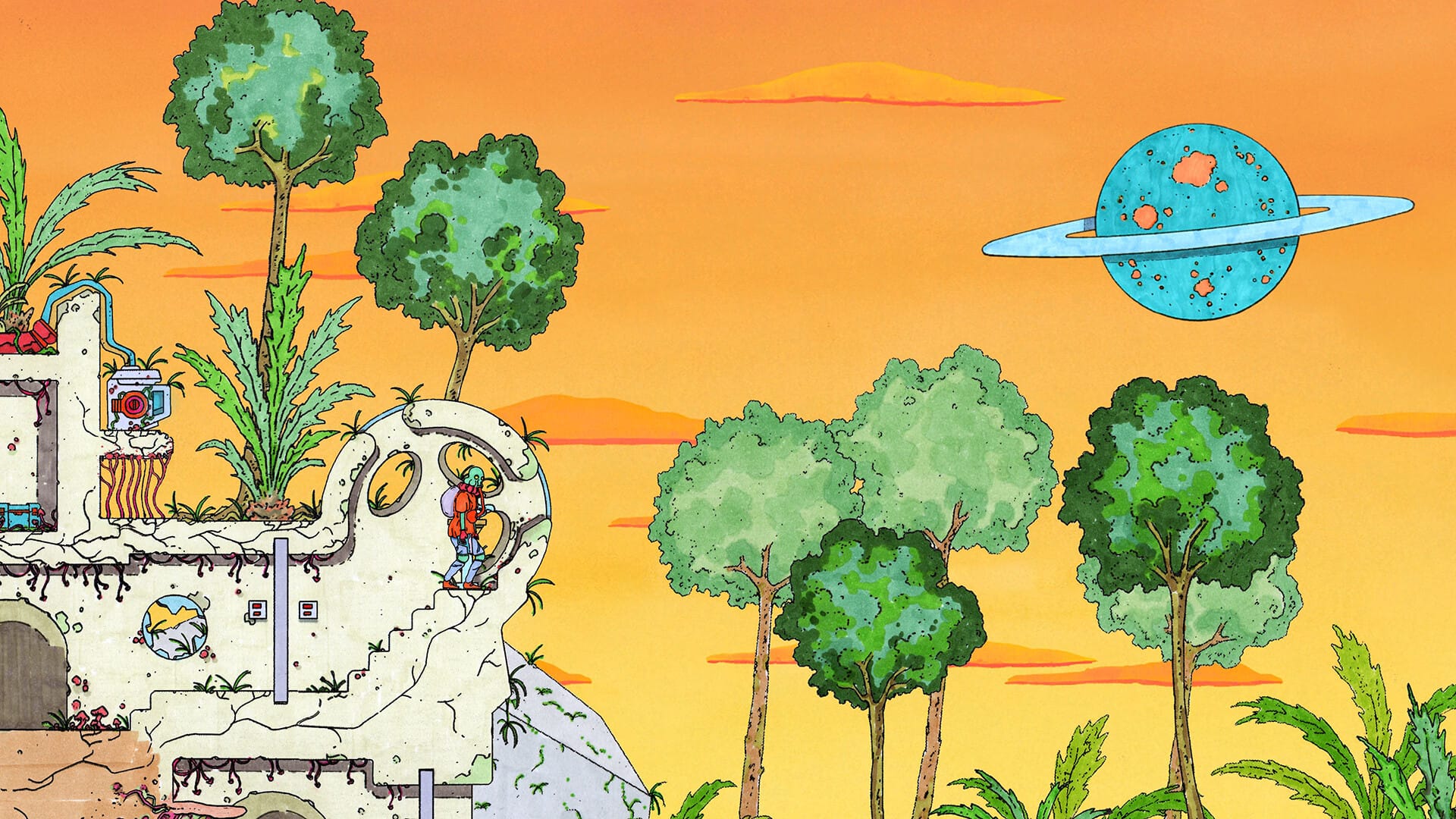
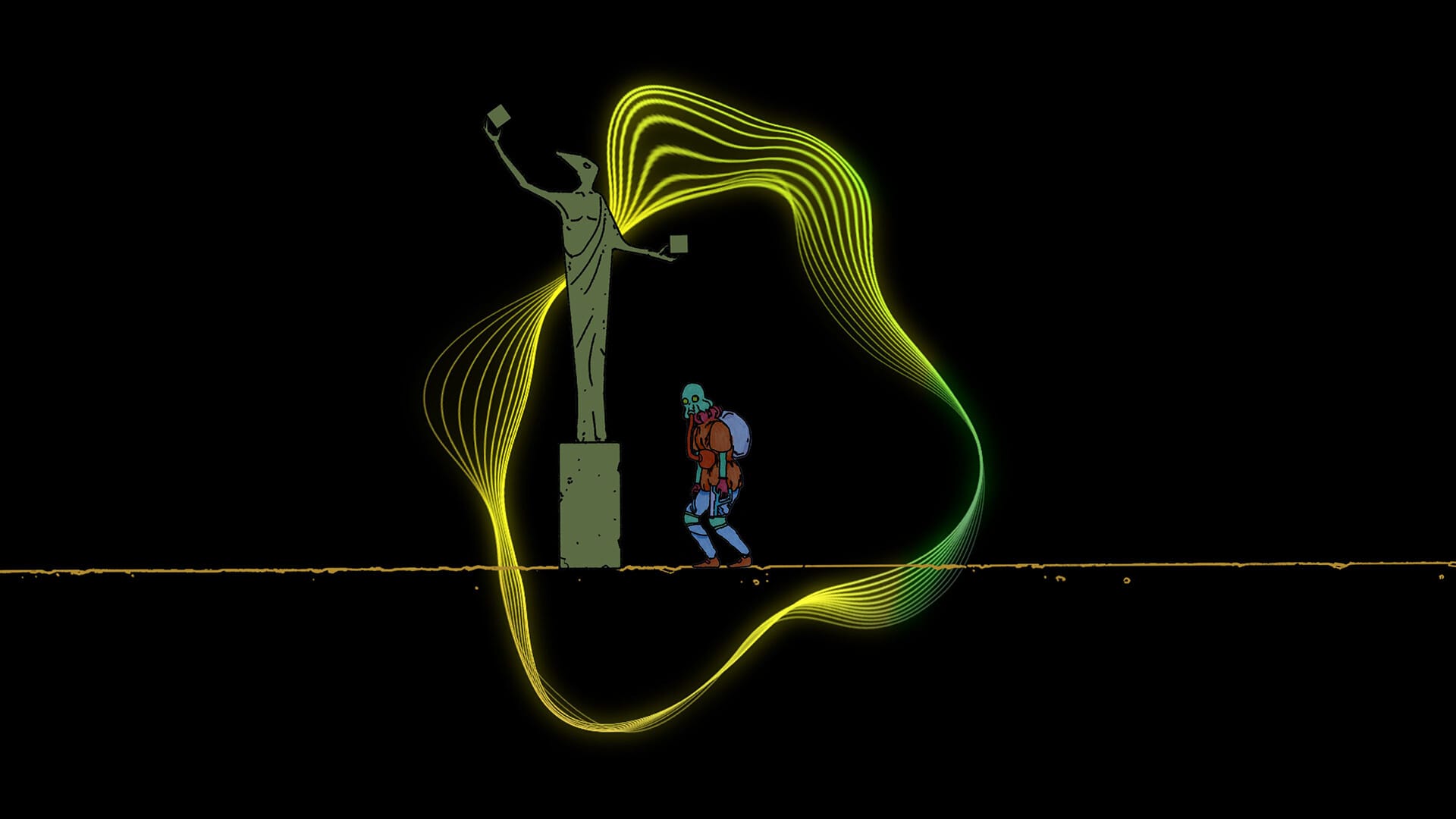
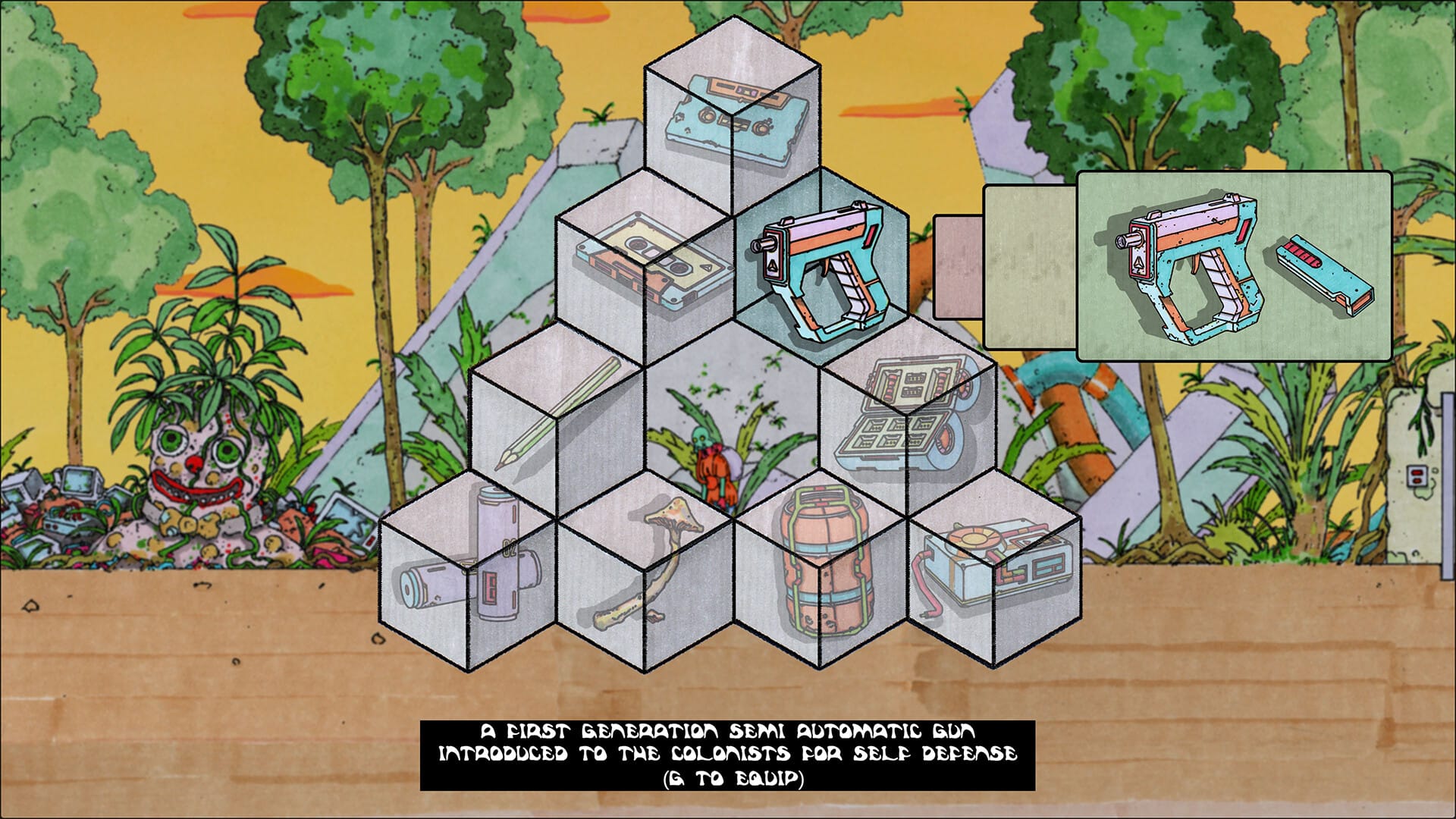
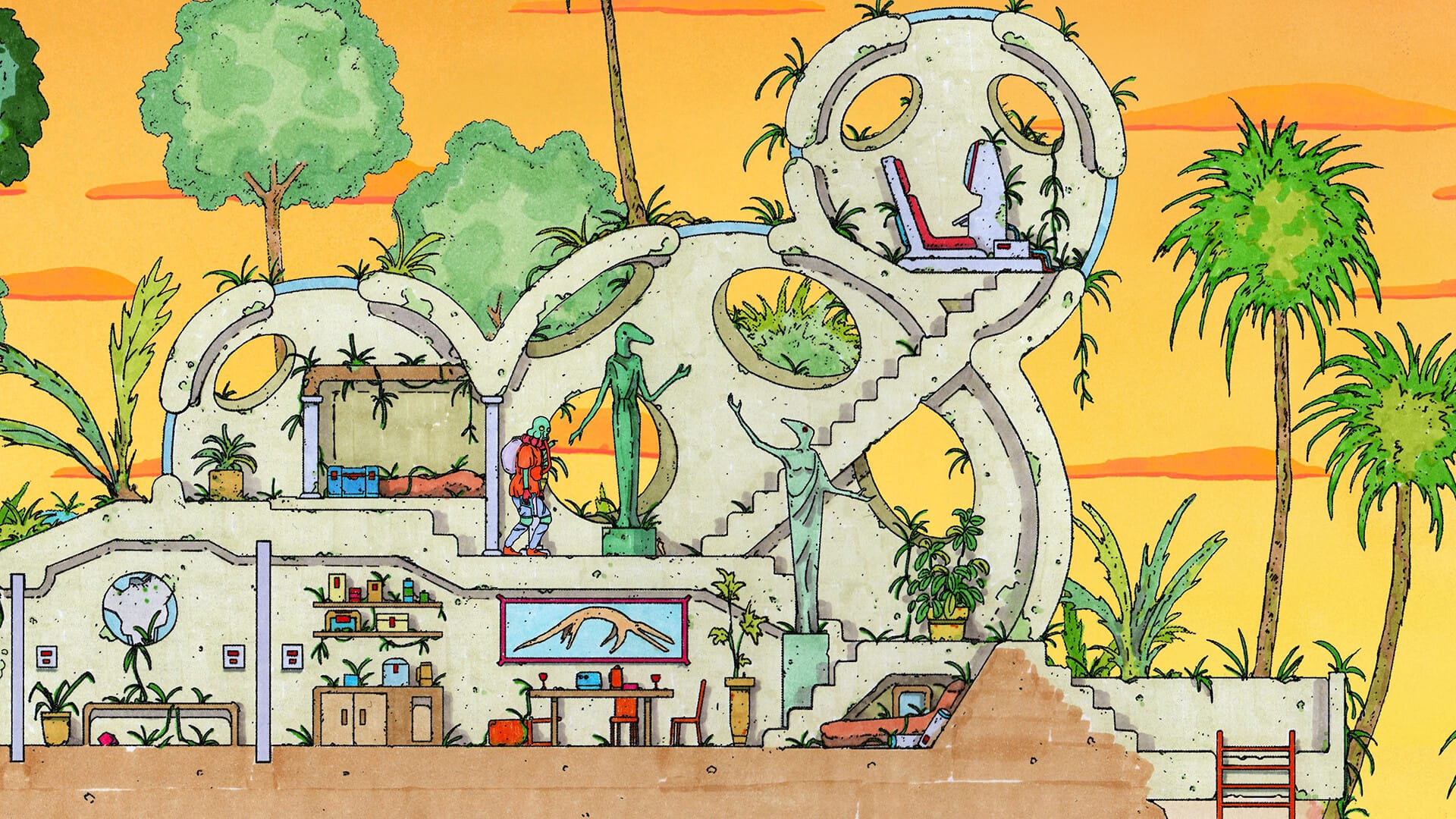
That said, the promise of making games is attracting new fans to their work. I wasn't familiar with Decadence until I saw early screenshots and videos floating around online, so Rhizomatic Compound can both hold current supporters and bring in a new audience. Pacing aside, Decadence is trying to find the contours of what the final product will be. "Slowing down time and walking around an environment—you do need to find some drama, I guess," Lando relents. [see query 5] Comics have the benefit of sequential text and propel the reader through the page, whereas Decadence is learning the fine art of environmental storytelling, "so you're figuring things out along the way." [see query 5]
But for now, they still need to figure out what Rhizomatic Compound will even be. "The past two years have been working seriously on this project and putting a lot of effort into it," Tsemberlidis says. "We are in this stage where things are a bit unsure." For two artists working the edges of an alien colony, this sounds about right.
Rhizomatic Compound has no release date. You can follow their work on their website, Steam, or on Bluesky.


