Where did all the bees go?
Read on for French dungeons and a game as big as the planet itself.

Hello hello, after a long weekend here in the States. We spent the weekend camping. A couple of years back, I met someone who created a sliding scale for camping trips rated from epic to fiasco to total disaster. This weekend we pulled that boondoggle card with a broken tent and had to drive home a day early, but hey, at least we've got a fun story we can tell friends about at dinner.
Before we jump in, a big thank you to Arnaud, Robbie, Ashley, and Adam for becoming paid members this week. Appreciate the support!
Long Read
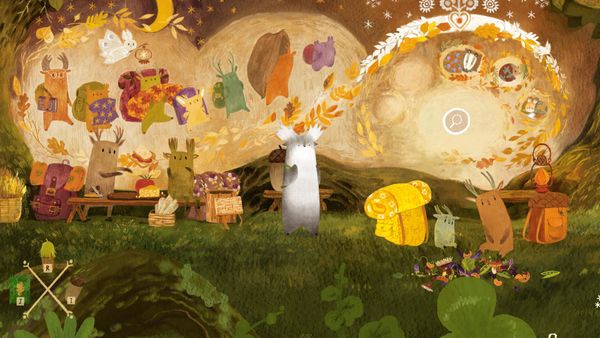
What Would You Do If You Had to Find the Last Surviving Bees?
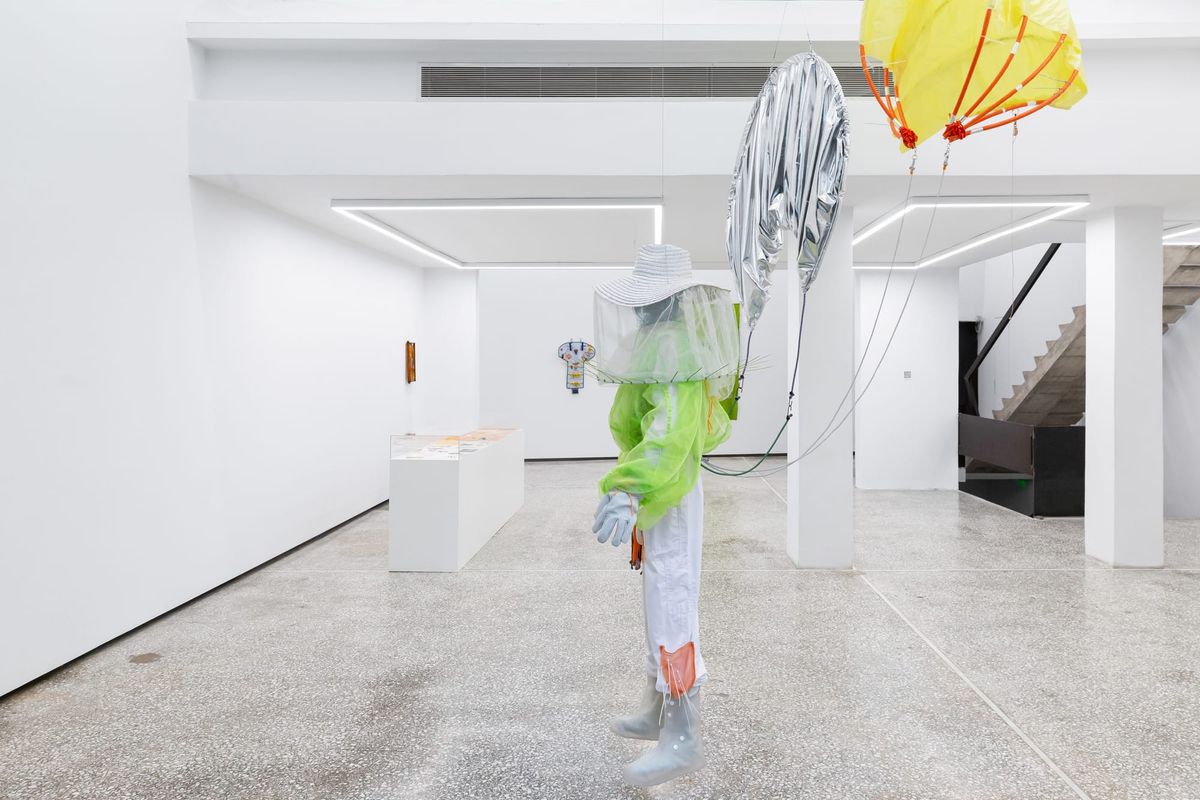
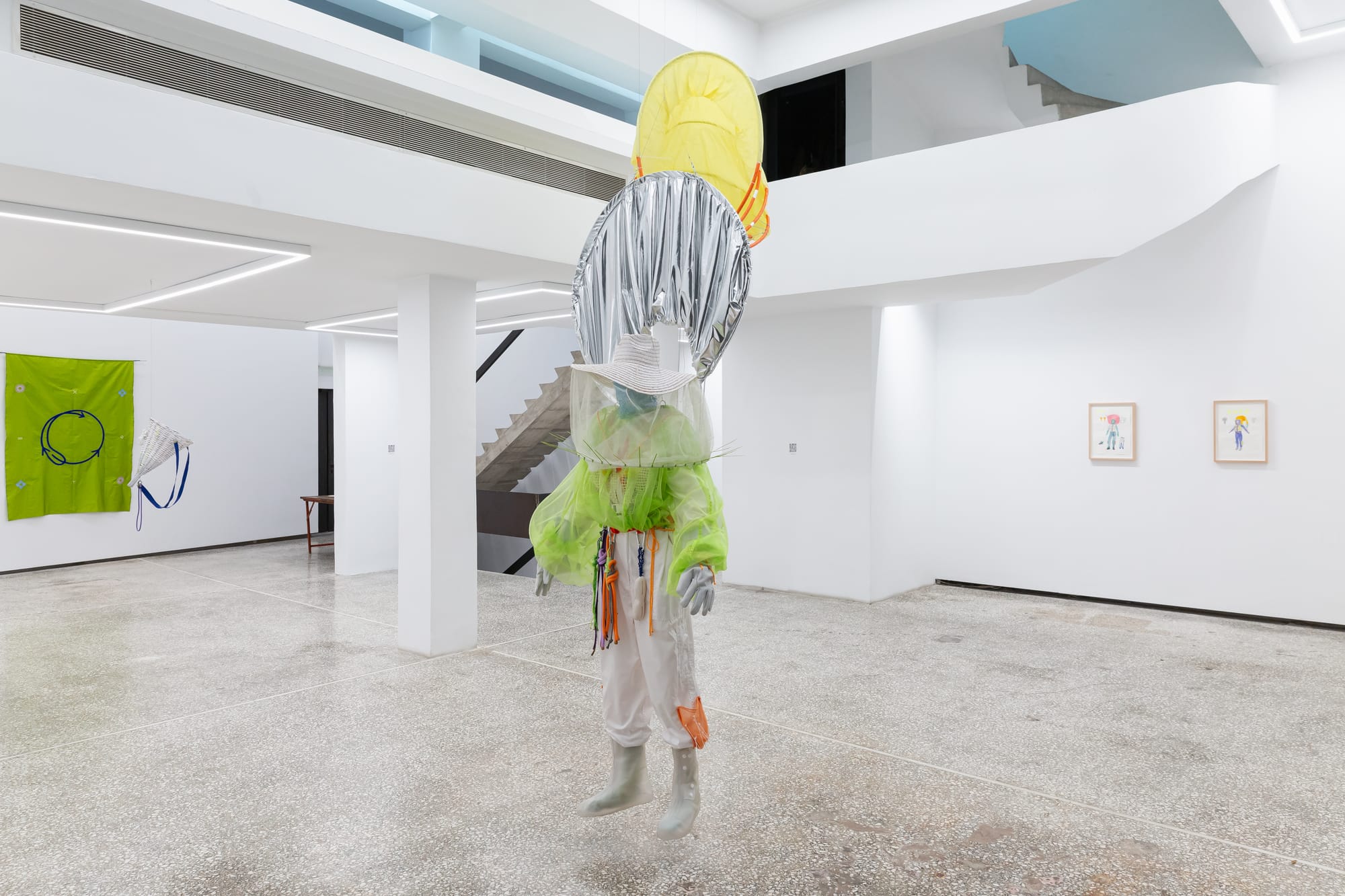
The Athens-based artist Kyriaki Goni, on a woven basket gifted to her at 18, the ritual of telling bees about deaths and births, and building a speculative video game set in a near-future Aegean.
Currently Making is a series with artists and game-makers who have a work in-process.
Jamin Warren: Telling the Bees has this remarkable origin story rooted in a single found object, a basket you were given when you were 18. I'm curious about the long arc from receiving that object to deciding, years later, that it could be the seed of a whole speculative universe. Can you take me back to that first encounter?
Kiriaki Goni: It's a big story that emerged from one object. I was 18, hiking on Ikaria, an island in the southeastern Aegean archipelago. I was walking through a village when I met this lady who invited me to coffee. In her kitchen, I noticed this weird object—a basket woven from thin branches—and asked her what it was for. She told me they use these baskets to swarm or host bees. In Greek, she used the word smarologos, and smari is "swarm." Then she said, "You can have it."
I took the gift back to my hometown, Athens. When we eventually managed to travel back after a long ferry strike, I took a picture at the port holding this basket, really happy to finally be going home. I mean, don't get me wrong, it was a perfect island, but staying against your will on an island for so many days is kind of weird.
I kept the basket with me for years, in different studios and apartments. About three years ago, I started thinking about making something of it. Most of the time, these baskets hang from trees upside down, with the cone base up, but I started thinking: what if I could make it look like a backpack? So I started designing straps and mending them a bit, because they were old. I was invited to be part of an exhibition, and I said, OK, I'm going to work on this object and allow a story to take form. Eventually, I came up with this character, the Beeseeker, who is gifted the basket, as if she's following my own story, and embarks on a mission to find the last surviving bees.
Enjoy Killscreen? Consider giving the gift of gifting to your favorite Killscreen future fan.
SPANDREL
On the radar
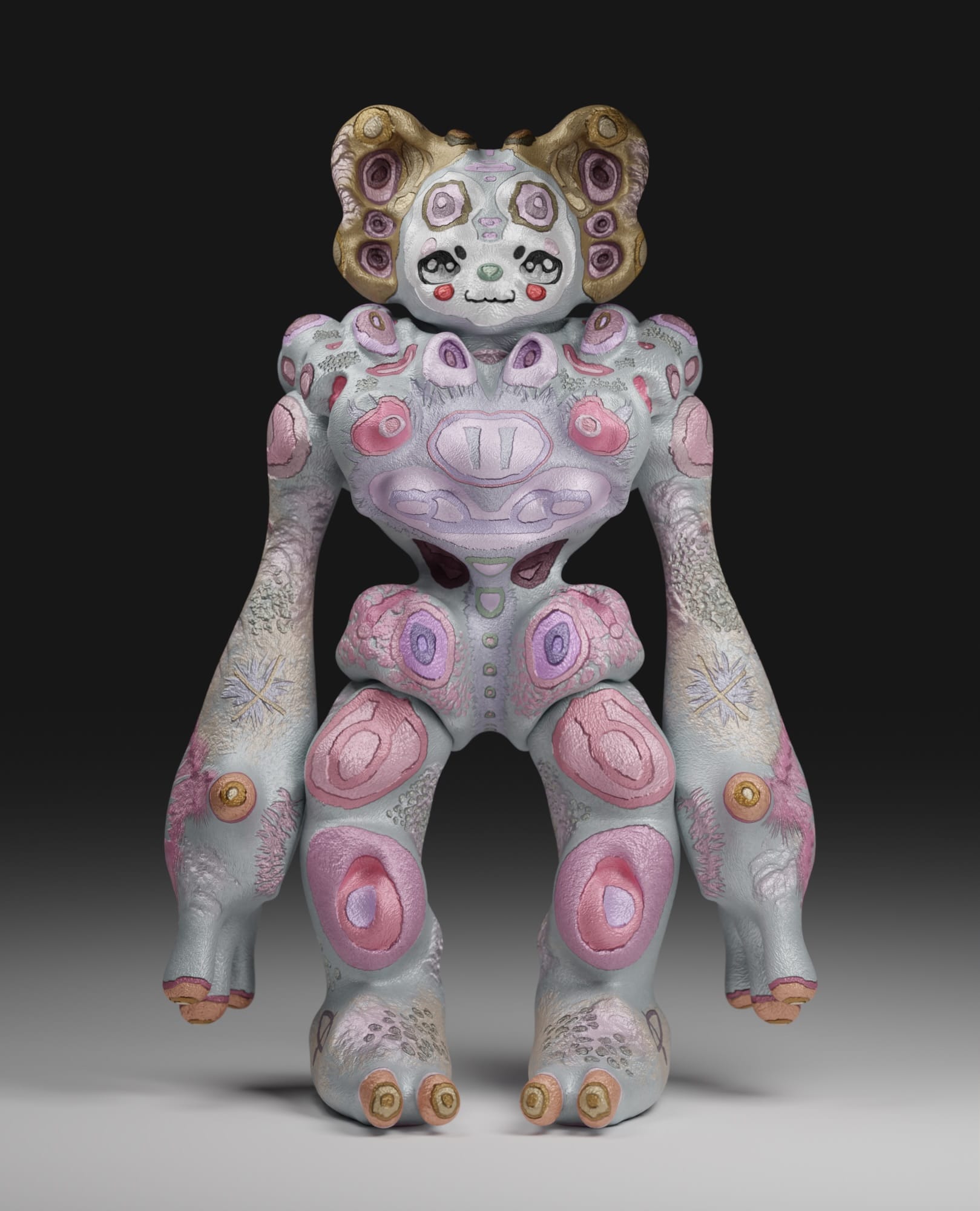
Part of Gabriel Massan's ongoing engagement with socio-political structures, he shared early sketches and designs from How Do We Get There? (2024), a multichannel video installation that explores the seemingly straightforward question of public transportation. For the unfortunate souls who are venturing across I-95 for a pedestrian bridge to MetLife for the World Cup or dare to go "car--free" for the LA Olympics, this work is an avatar for your future frustrations.

While French designers Goblinz Studio might be moving in a slightly different visual direction for dungeon crawler Sol Cesto, that didn't stop them from a sumptuously produced animation from Gobelins graduate Armand Goxe. One of the great sleight-of-hand for early game-makers was creating visuals that gestured at the world, rather than merely depicted it, and this animated trailer happily breaks follows that tradition.

Isaac Cohen has been sharing some Fortnite widgets, with contributions from the likes of Adventure Time's Pendleton Ward, illustrator Kat Ball, and others. It's unclear exactly what these overlays actually do, but it doesn't matter. I do not care for Fortnite's cynical kitchen sink approach to IP overload, but if this is an alternate universe for the world's most popular game, I am here for it.
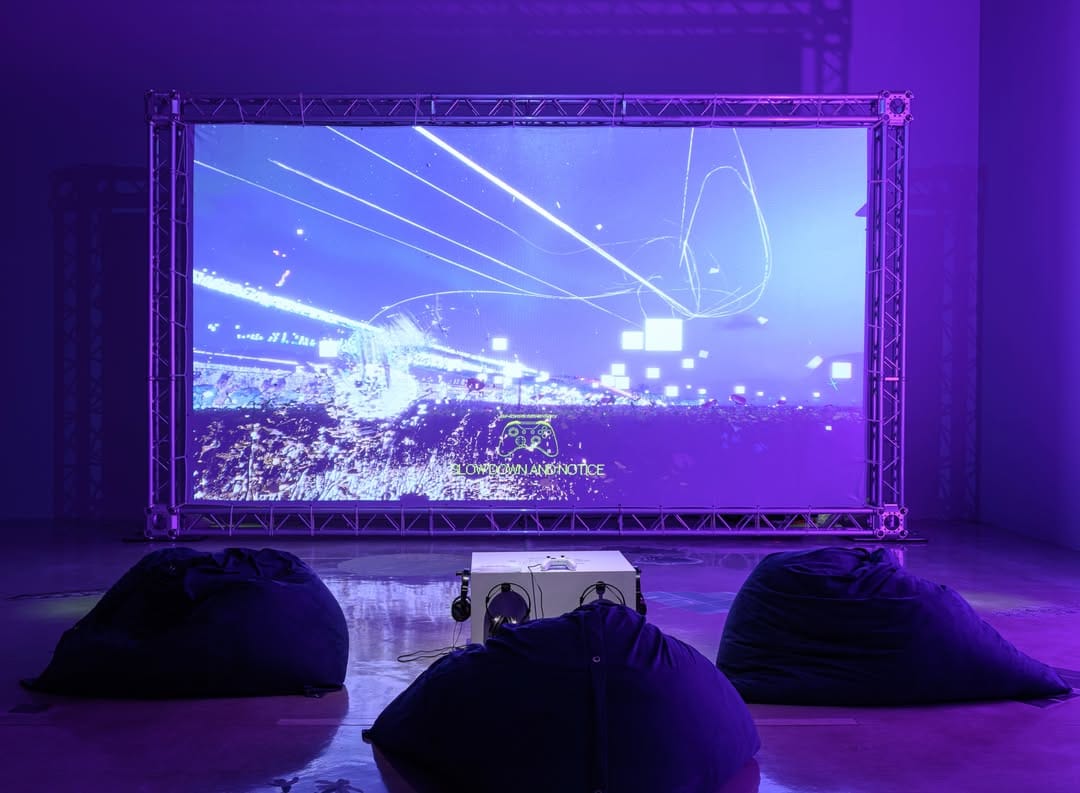
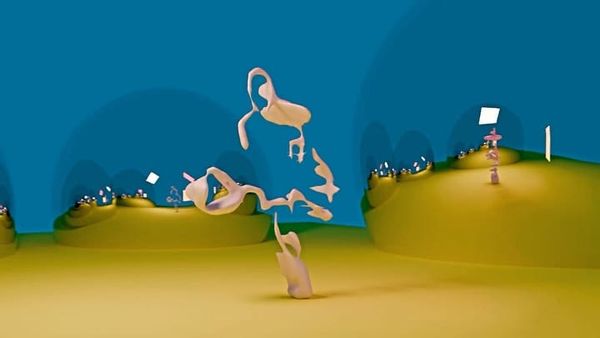
Alice Bucknell's Earth Engine has been making its way out into installation view this year, most recently at the National Taiwan Museum of Fine Arts. The game inverts the standard perspective for players, treating us as mere characters in the main character's story of the planet. Tying its lineage to Bucknell's other fieldwork and science-based approach to game design, the game pulls in real-time climate data and forecasts, along with in-game behavioral patterns.
Hyphens
Intersections at play
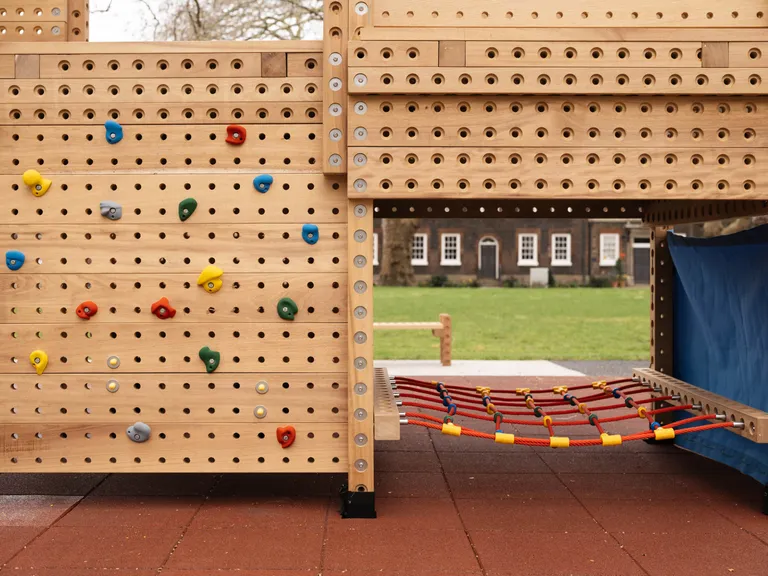
I continue to be deeply interested in the work of playgrounds. It's partly because I am a parent and finding playgrounds is now a principal concern, and partly because there's been a movement of more artists looking at playgrounds as a site worth approaching. I came across this design collaboration between Playrise, architects OMMX, and engineers Webb Yates, which views the playground as a human right.
The project is a modular timber playground system built for refugee settlements and disaster-relief zones, where 48 million displaced children currently have little access to structured play. Made from Iroko hardwood timber with Lego-like interlocking slots, it flatpacks for transport and can be assembled, scaled, and reconfigured by the communities using it. Additional add-ons make space for other found objects.
But this quote from co-director Alexander Meininger really stuck with me; the explicit promise that permanence was never the goal: "There's really no desire for any permanent installation because it gives this impression that these are also permanent conditions." Well put.
The design also solves a problem most Western playground furniture ignores entirely: climate. In Ethiopia, where the team ran co-design workshops with Sudanese communities, metal playground equipment reaches temperatures that make it unusable. Timber stays cool. Solid forms create shade. Fixing holes becomes canopies of dappled light.
Playrise unveiled its first prototype earlier this year. The immediate goal is to supply six sets to villages across Gaza. The longer ambition, per Meininger, is to reshape how we think about play everywhere for any child without access to a playground, not just those in crisis zones.
CLASSIC
From the vault

A personal essay on Six Days in Fallujah, realism, and what it costs to set a videogame in a place that still lives in someone's memory:
I tried to reengage the issue with critical eyes. I shared the naysayers' emotional investment, but not their hasty, hair-trigger reactions. Unlike them, I became curious about the positive things that could come of Six Days in Fallujah; for my sentiments laid elsewhere. I wasn’t a soldier. I wasn’t an aid worker. I wasn’t a journalist. In fact, I had nothing to do directly with the war effort. Instead, the thread that tied me to the war-torn city was heritage; I had family there.
ONE TO WATCH
I've moved this section to the public newsletter to make more space for longer reviews for the weekly Playlist email. I'm tracking games currently in development that are trudging towards release.
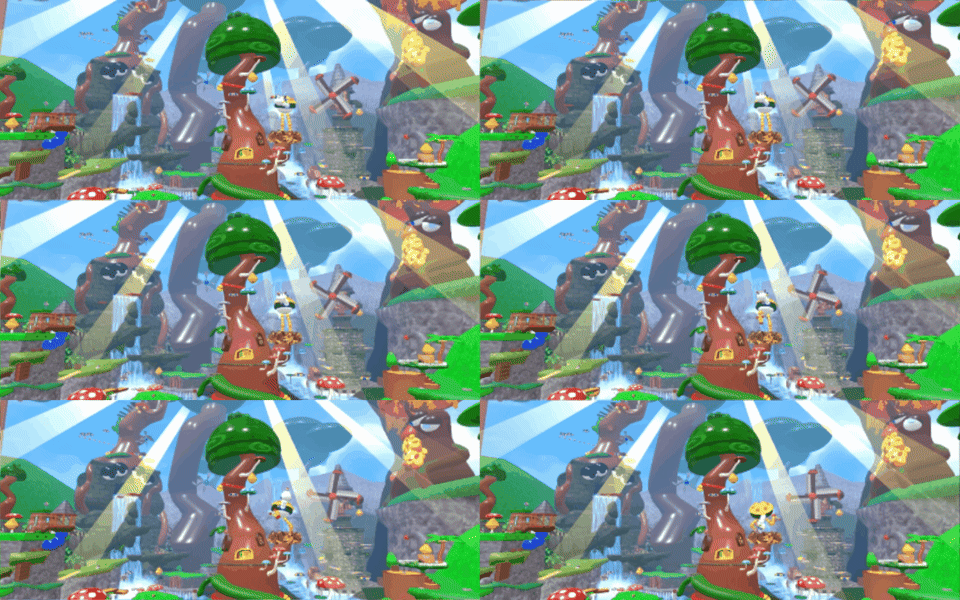
Kami Quest: Enter the Imagynasium sounds exactly like its name: a joyous romp through a plasticene dream world. I've been skeptical of the PS1-level revival work, as it mostly feels superficial and doesn't capture the true strangeness of this era. But this pulls more of the otherworldly slickness of Nicole Ruggiero or Harriet Davey.
Run-Ons
Trans Theft Torso, a game about gender gladness, takes top prize at A MAZE. LOVID experimental DVD work is worth its weight in menus. A four-day immersive LARP inspired by Germany's own comes to central Pennsylvania, with plenty of fantasy and yurt rentals. Danielle Brathwaite-Shirley is designing a mini-golf hole.