Winning Hearts and Minds
A writer with family in Fallujah reckons with a video game set in the city where his cousin was shot and asks whether realism in games is even welcome anymore.

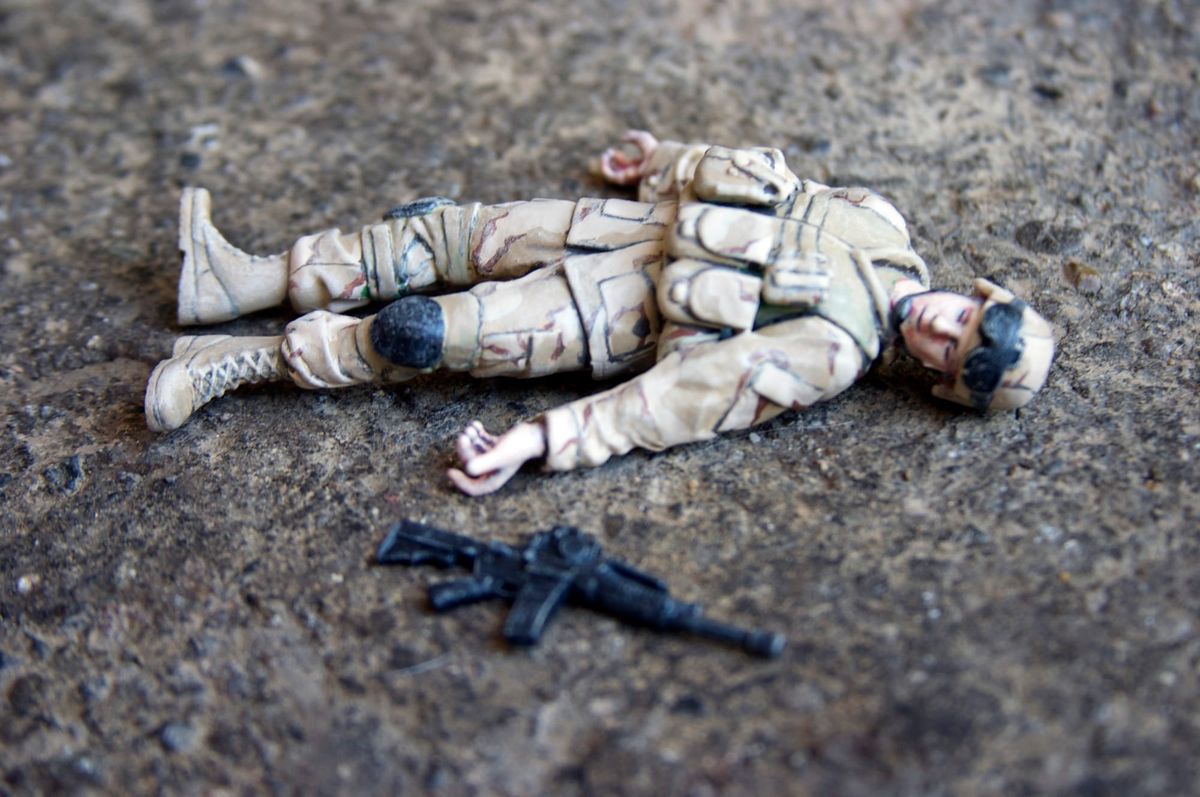
It’s difficult to put into words how I felt when I first heard about Six Days in Fallujah. I had spent time in the Iraqi town west of Baghdad in the spring of 2002—for far more than six days—and the thought of a videogame set there sent shivers through my body. To me, Fallujah isn’t something emotionally disjointed like a romp through a zombie wasteland or a struggle against invading alien hordes. It didn’t conjure fantasies of heroism. Fallujah is something more intricate, something personal.
Evidently, I wasn’t alone in feeling this way. In the weeks after the official announcement, a maelstrom of opinions appeared on Six Days. What was supposed to be an intimate, “documentary-style” examination of the bloodiest single conflict in recent memory was mostly received as a revolting misstep, tarred and feathered by peace groups and even some vets of the battle (or their families)—all of whom were quick to vocalize criticisms before the concept had been fully revealed. Although the game is still set for release, its original publisher Konami dropped the title because of these complaints.
I tried to reengage the issue with critical eyes. I shared the naysayers' emotional investment, but not their hasty, hair-trigger reactions. Unlike them, I became curious about the positive things that could come of Six Days in Fallujah; for my sentiments laid elsewhere. I wasn’t a soldier. I wasn’t an aid worker. I wasn’t a journalist. In fact, I had nothing to do directly with the war effort. Instead, the thread that tied me to the war-torn city was heritage; I had family there.