The Places We're Losing Are Becoming Virtual Worlds
Plus: Faker as religious experience, strategy guides to non-existent games, and a very fancy date spot in Barcelona

Long Read
The Places We're Losing Are Becoming Jakob Steensen's Worlds
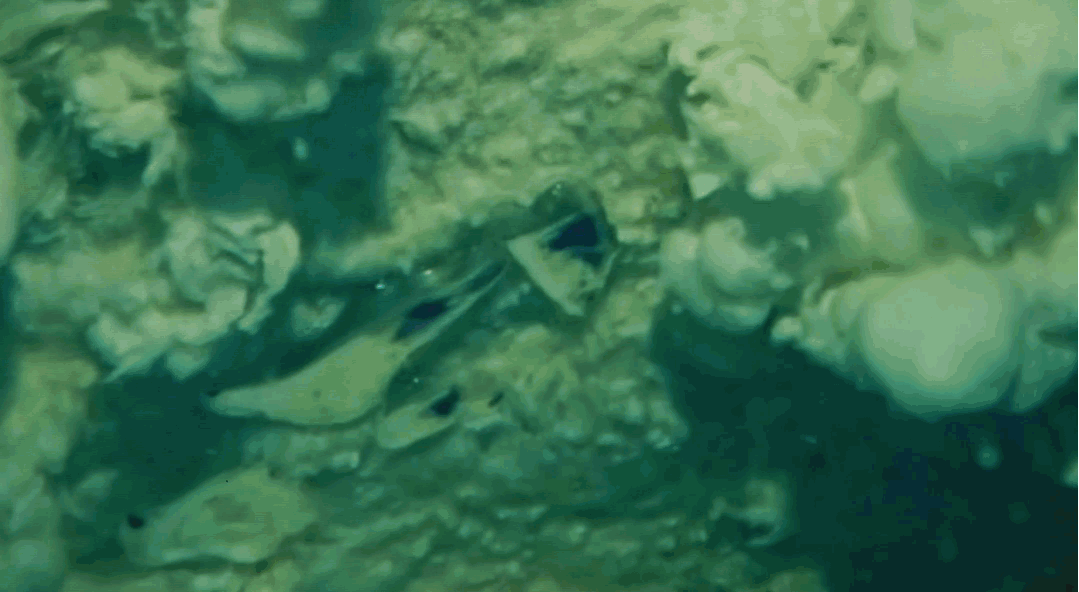
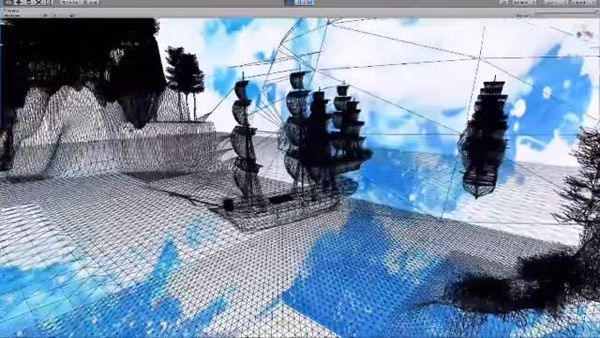
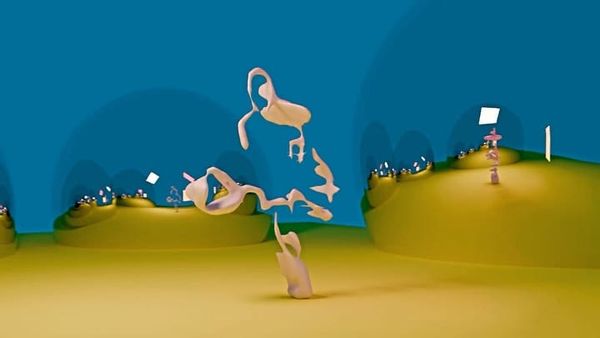
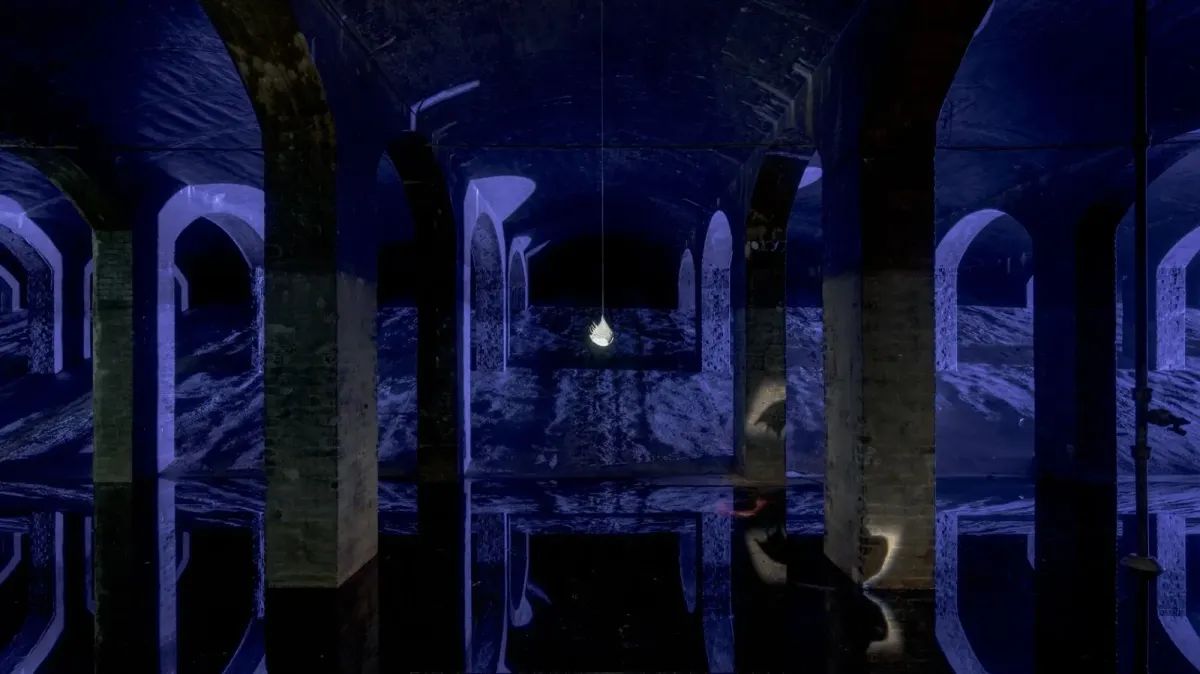
For the past decade, Danish artist Jacob Kudsk Steensen has been treating the video game engine as a medium of ecological fieldwork. His immersive installations grow from years of onsite research—underwater volcanic vents near the Azores, collapsed ice caves in the Swiss Alps, an experimental forest in Minnesota—transforming them into virtual worlds that sit somewhere between scientific document and living dream. We spoke about Otherworlds, a survey on view at the Phi Centre in Montreal that gathers five distinct spaces and spans 15 years; Psychosphere, built from photogrammetry of newly discovered submarine volcanic landscapes; and Song Trapper, part of an expanding game world called Evoker.
Jamin Warren: I want to start with your background, because the way your practice fuses ecology and game engines feels almost generationally specific. We don't usually think of those things as connected—indoor kids tend to stay indoor kids. How did the two come together for you?
Jacob Kudsk Steensen: I grew up in different places with my mom, but I spent a lot of time in a really small town on the West Coast of Denmark, near the water. Less than 2,000 people lived there. My dad is very much into ornithology, and I grew up around wetlands and brackish water. I've worked a lot with wetlands in recent projects because I really know them from a personal level.
At the same time, when I was 12, I bought a copy of Unreal Tournament. It was part of a series of games that exploded full-on into an interactive, three-dimensional space in a free-roaming, playful, organic way. And it came with a level editor. So you could open up this map or other levels and change them around. It was a "Capture the Flag" game, and I started changing materials.
It was never a conscious choice for me to work with video game engines or natural environments. I think I'm just an exact generation where the two really happened. There's a sense of climate awareness, narratives about climate change, and environmentalism, at the same time as there is this explosion of full-on three-dimensional virtual worlds that you can modify. I've used Unreal since it came out. For me, it's like a musical instrument. I very much fell in love with the spatial, environmental part of video game technology.
SPANDREL
On the radar
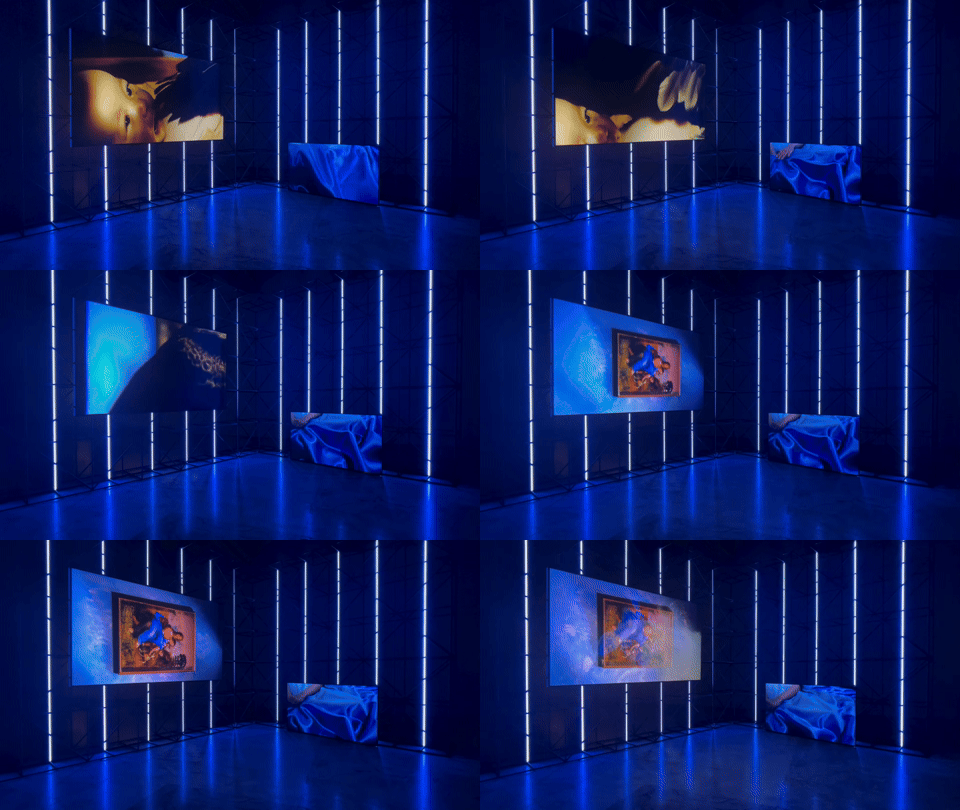
Filmmaker Jacky Connolly has moved on from her Sims work that I'd written about over the years with new work The Mineral Kingdon (Dark Green). These are clearly an extension of the eerie work of adolescents, as she takes you between the underworld and the sky. Back in November, the work was selected for the Taipei Biennial.
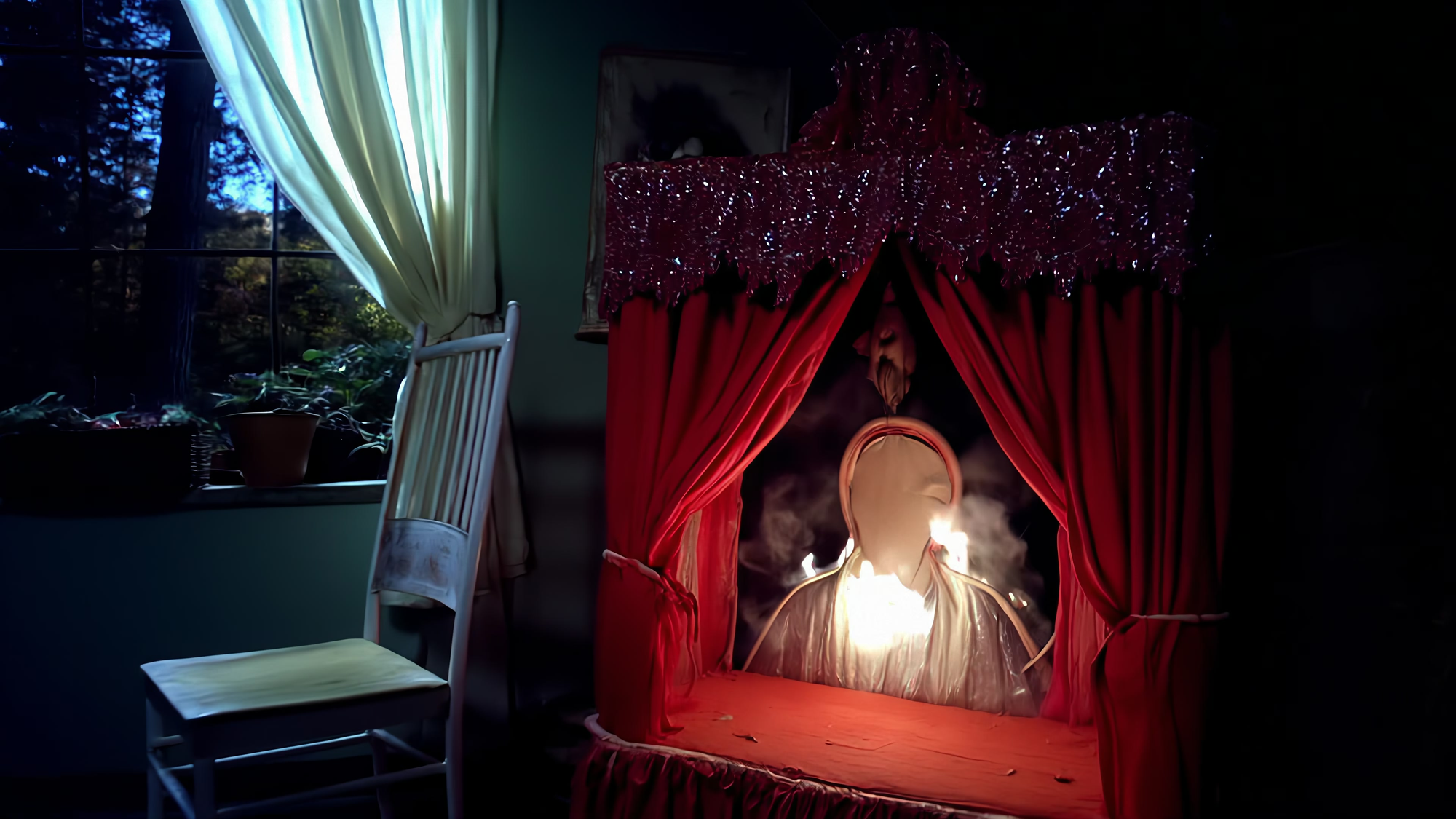
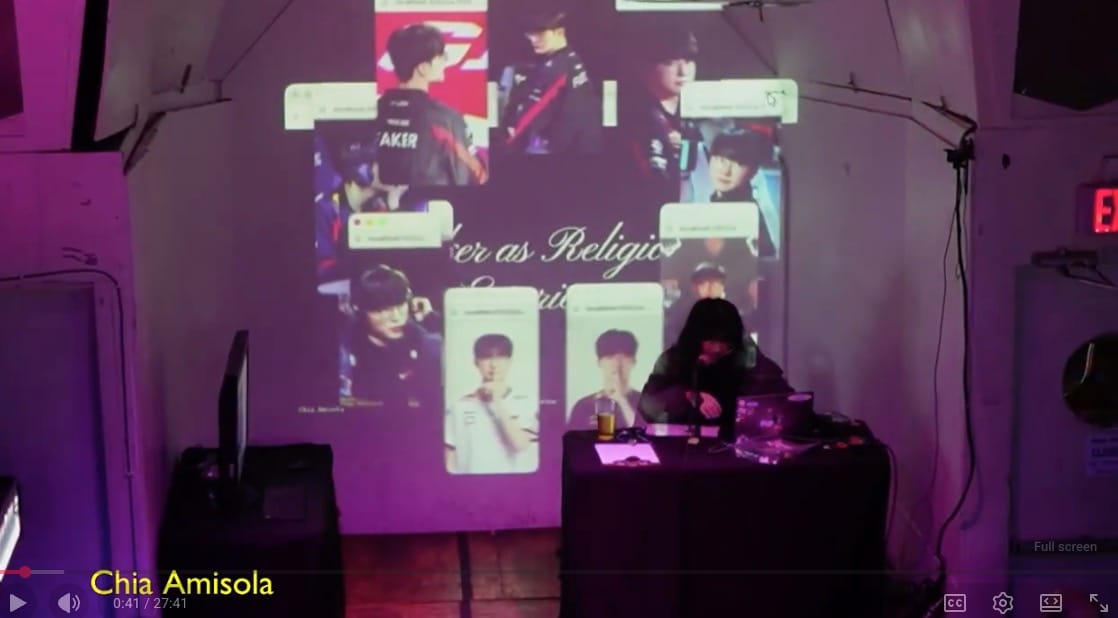
"Here, I'm on the internet resisting it. I'm reciting, breaking, glitching, reading, stuttering, lagging. All these gestures and acts of play and breaking of the machines, hoping to eventually remake the environment itself as well. I hope I always play on the internet, no matter how futile or constrained things seem."
Artist Chia Amisola has had game work through much of their career with web art, but in this talk, they connect their anxieties around making web art with an unlikely fount of inspiration: South Korea esports legend Faker. (The talk's title is also a nod to David Foster Wallace's legendary piece on Roger Federer that turned 20 last month.) "If I am read at least once, maybe, just maybe, all will be fine." Oof!
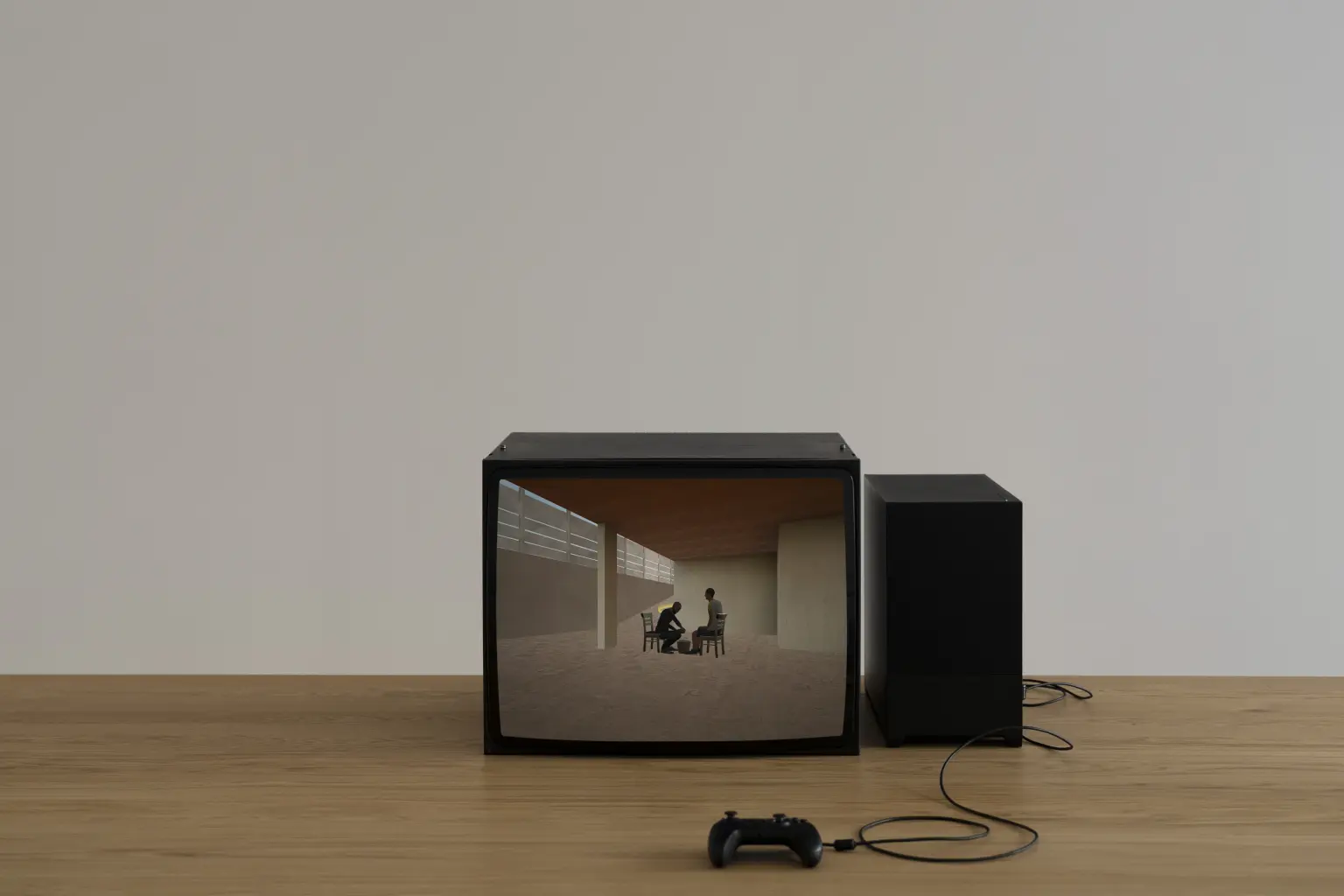
Greek artist Marina Xenofontos works mostly with memory and how we display the ruddy stuff of politics. For the first time, her game project Play Life is exhibited in its entirety at the Musée cantonal des Beaux-Arts in Laussane. Her project revolves around the titular character Twice, who has endured many transmutations from animation to sculpture and now to a video game protagonist. The work carries you through Twice's daily routine that vacillates from the mundane ("Hide in the Bush") to psychopathic (Throw the hammer at Twice"). You're caught in a "replayable present," reliving the best and worst moments of your teenage life.
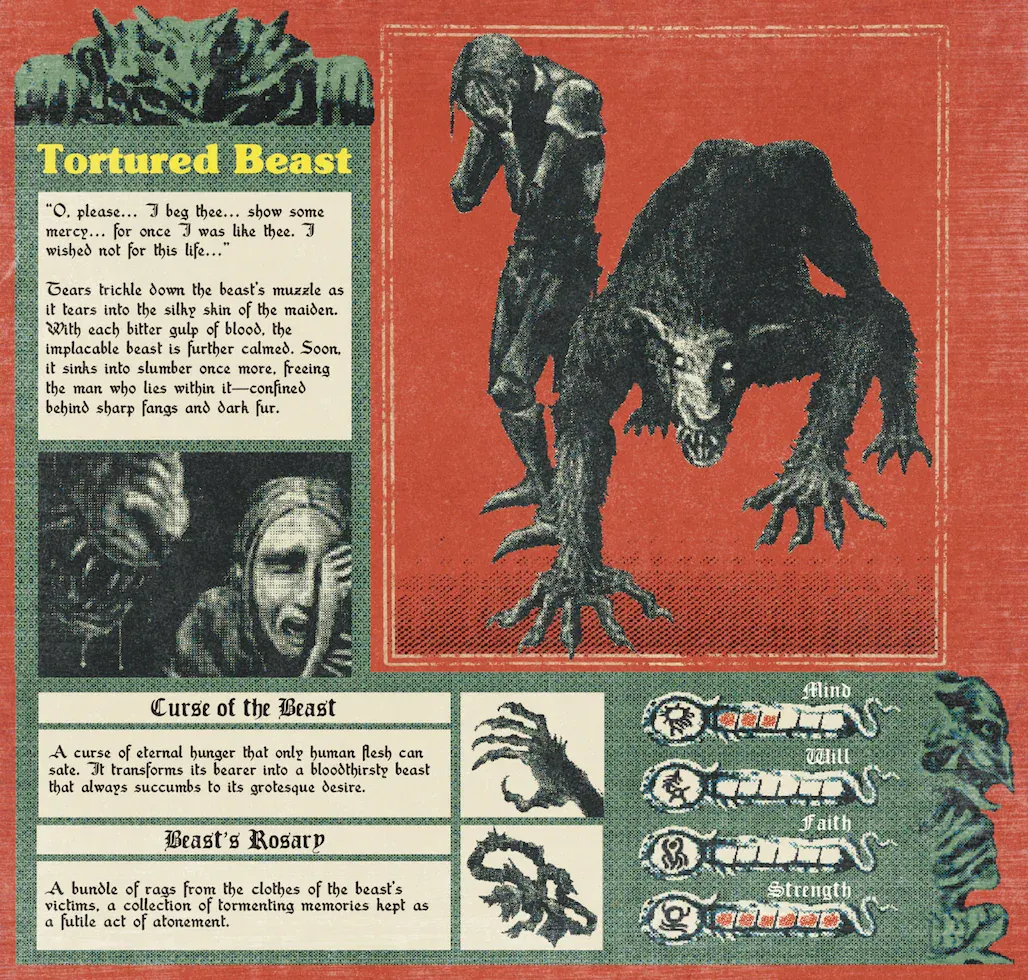
"The archive is the world."
Game designer Damjan Jovanovic mused on the curious case of "lore book," game guides that detail the fabric and strategies of a game. But there is no game to be played. It doesn't exist.
There have been ample examples in media of media that do not actually appear in the work referenced, known as "apocryphal media." But Jovanovic views this budding genre as a reflection of wider cultural comfort with the conventions of games that have become so widespread that you don't even need to make a game to generate the sentiments or experiences of a game. He writes:
"I would argue that the actual output of game design, when it produces something culturally significant, is a world in the strong sense: a structured totality that determines what can exist within it, what relations can hold, what objects mean, what the inhabitant can perceive. The play session is one way of accessing that totality, but it is not the totality itself. The play session is the access point, and the access point has been taken for the thing accessed."
Jovanovic doesn't view lore bibles as obviating games, but more as a function of where the medium has developed. I find there's something similar at work on Instagram: games that present themselves as in progress but are never actually played. I was joking with a friend that maybe that's the work itself, and you never really need to ship anything.
HYPHENS
Intersections at play

My wife and I loved Barcelona when we went on our honeymoon over ten years ago. Although the late, rich meals did a number on my stomach, sidelining me for part of the trip (it wasn't a heart attack!), the chance to see two of Antoni Gaudí's homes was easily one of the highlights. So I was delighted to see that Casa Batlío, with its coral-shaped facades, would be opening its only private residence to the public. (Sorta!)
You can already tour the building on its own, but the third-floor balcony is the only part of the space that has been spared renovation. Following news that Sagrada Familia, Gaudí's cathedral masterpiece, has finally finished its exteriors after 100 years of construction, Casa Batlló is now open as an event space after a touch-up.
As a games person, Gaudí always spoke to me as someone interested in how spaces could both obscure their utility (e.g., Gaudí working around the chimneys at Casa Milá) while also suggesting there was a secret behind every wall. What's more, biomimicry through design has a legacy in games dating back to Conway's Game of Life in 1970, but recent artists like Alice Bucknell are applying it to their game works.
Anyway, if anyone wants to meet me with $700 for a two-hour coffee in Barcelona, please inquire immediately.
CLASSIC
From the vault
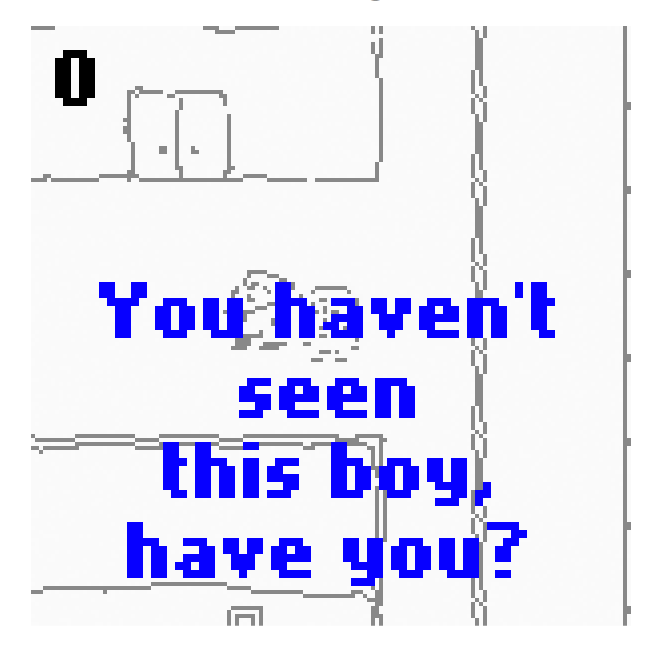
Every Choice Leads to Loss
Stephen Lavelle's games don't let you win—and that's the point. His rigged systems of loss reframe what games can say about control, grief, and the limits of choice.
RUN-ONS
Creator of J-Horror Koji Suzuki passed away. The aforementioned Chia Amiasola debuted a voice-controlled "MUDslop" dungeon crawler that uses misspoken or misunderstood words to confine you within the limits of language. A snowy owl appears. Tomo Kihara's Game of Possible Lives, which statistically conjectures an existence, is up at Movo Gallery in Tokyo. I had gleefully predicted that Tottenham Hotspur might go down, but my schadenfreude will likely be incomplete.
What do you think? Is this something worth supporting?