Mexico joins a seven-country games policy program
The Centro de Cultura Digital is the point of entry, so the largest videogame market in Latin America enters a regional policy body through a culture center.


The interesting part is which institution walked through the door. Mexico’s entry into IberVideojuegos is being handled by the Centro de Cultura Digital, a public culture center, rather than by a trade association or an export agency. The largest videogame market in Latin America will be represented in a regional policy body by the people who run exhibitions and a games lab.
IberVideojuegos was established as an Ibero-American cooperation program after approval at the XXIX Ibero-American Summit in Ecuador in 2024, and it sits within the same family of “Iber” cultural programs that have co-funded film and music across the region for years. Chile holds the presidency; Argentina runs the technical unit; Argentina, Brazil, Chile, Costa Rica, Spain, Mexico and Uruguay are in. The stated work is training, public policy and getting regional stories into games that are not set in the usual places.
The numbers behind Mexico’s case are lopsided in a way worth naming. Figures cited by Mexico’s federal telecommunications regulator put Mexico as the biggest market in Latin America and the 10th largest anywhere, with more than 76 million players, annual revenue above $2.3 billion, and something close to gender parity among players. What it does not have, in proportion to any of that, is an export industry. It consumes at scale and produces at a fraction of it. That gap is the entire reason a program like this exists, and it is also why routing it through the CCD makes a kind of sense: the bottleneck is not demand; it is the pipeline that turns players into makers.
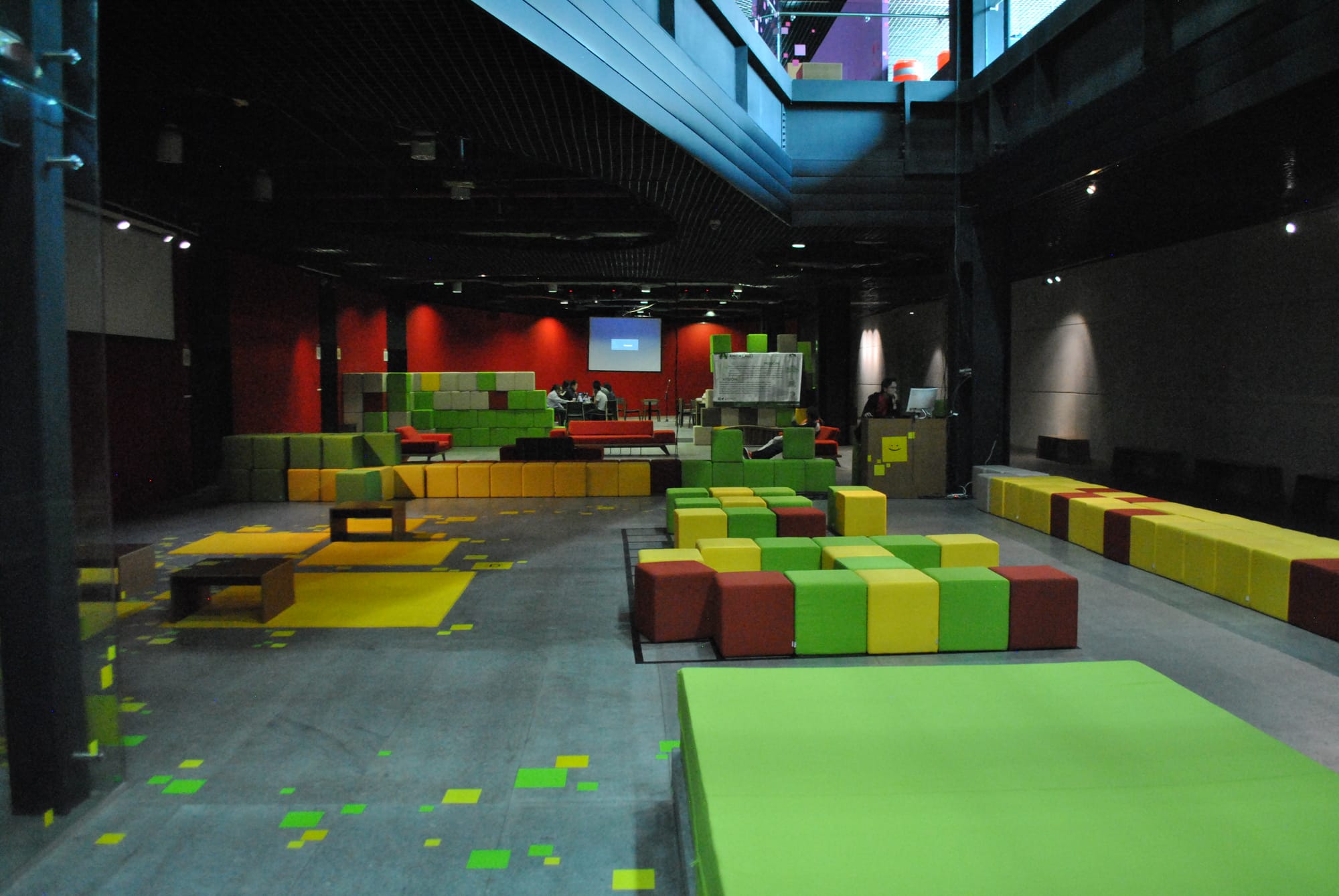
We asked what it meant to develop games in Latin America in 2013, and the answer then was mostly about isolation. Thirteen years on, the answer involves a summit communiqué, which is either progress or bureaucracy, and probably both. The CCD announced it here.
Games policy outside the US, EU and Japan barely gets covered in English. We cover it.