LACMA Acquires Maya Man's FAKE IT TILL YOU MAKE IT #404
The hand-coded series turns late-2010s self-care graphics into endless generated affirmations

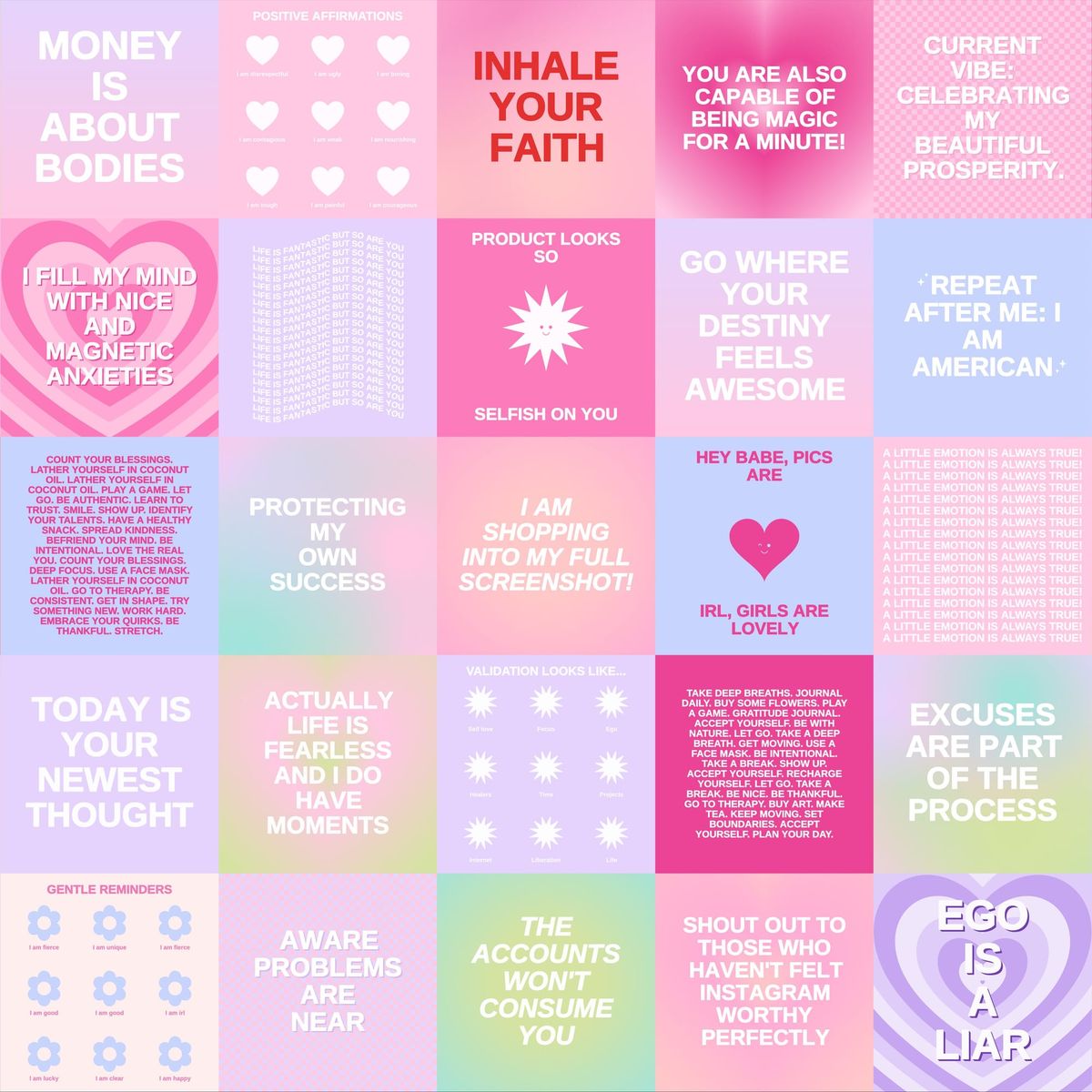
LACMA has acquired FAKE IT TILL YOU MAKE IT #404 (2022), a work from Maya Man's generative series of the same name, for its permanent collection, the artist said in the announcement on Oct. 27. The collector Neil Hutchinson gifted the work through the LACMA Digital Leaders Collection, chaired by Jeannie Vu and Jehan Chu. It's part of a larger patron group that is behind the more than 200 digital works that LACMA said in October it would receive over the next several years.
A clip from FAKE IT TILL YOU MAKE IT, from the artist's acquisition announcement. Video: Maya Man
FAKE IT TILL YOU MAKE IT launched on Art Blocks in August 2022 as 700 outputs from a custom JavaScript system that generates square affirmation graphics—you know, a cousin of wall art and the pastel, hand-lettered kind that spread around wellness and self-care accounts in the late 2010s and early 2020s. Employing her standard deep research process, Man spent weeks collecting real examples before writing the program. In a 2022 interview with Art Blocks, Man said the project was about "cult behavior, contemporary femininity, and the way belief systems are spread via social media," a precursor to other work such as StarQuest. and that the generated phrases had started to read "like little prayers."
The museum's piece is listed as custom generative software, in color and silent. A book edition of FAKE IT TILL YOU MAKE IT was published by Heavy Manners Library. The acquisition arrives in the same week that Mitchell F. Chan, so far the only game maker on the list, was named among the artists in LACMA's digital art gift.
For more reading see Maya Man, Did competition dance train us to perform for algorithms?, Mitchell F. Chan joins LACMA's landmark digital art gift and LACMA's announcement of the gift.
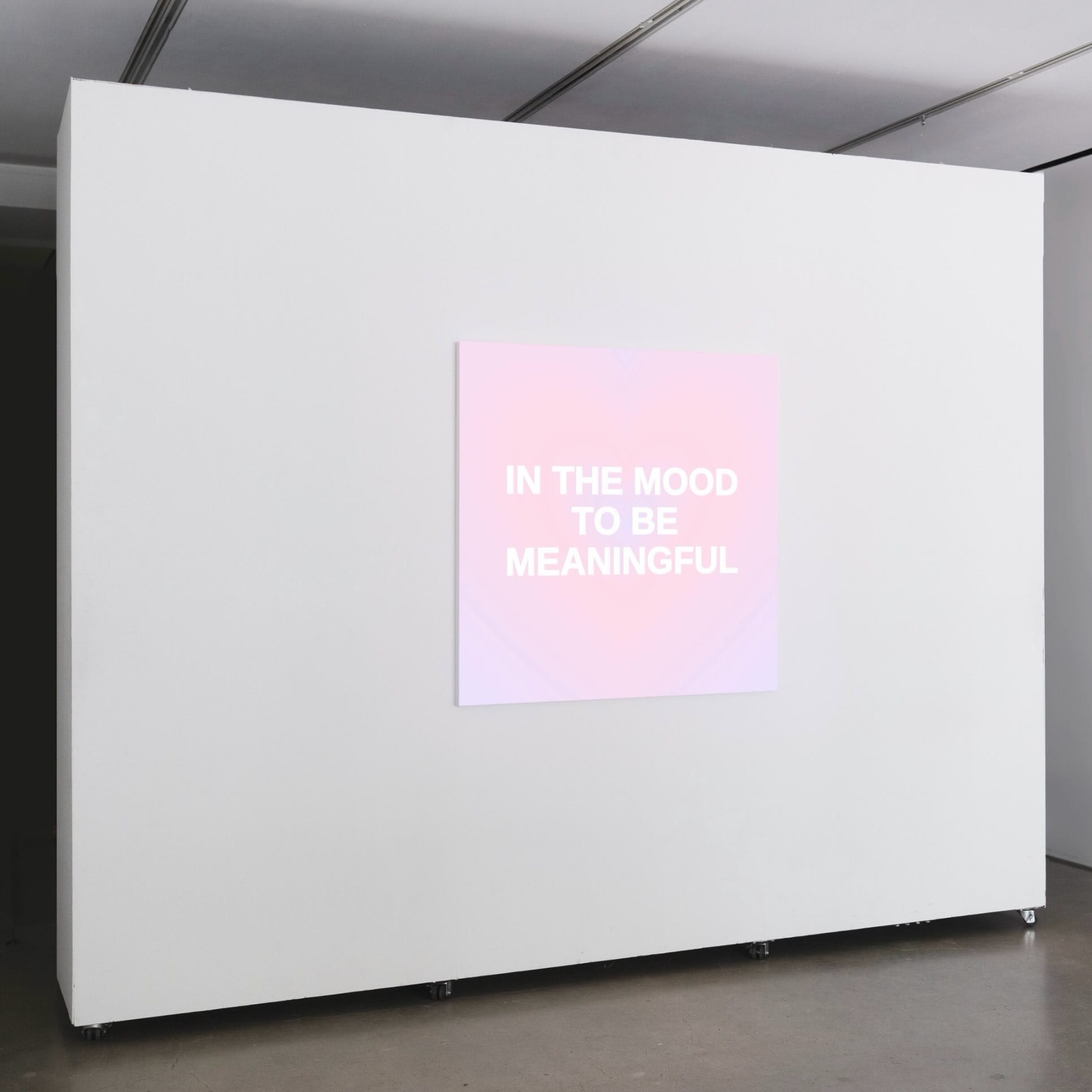
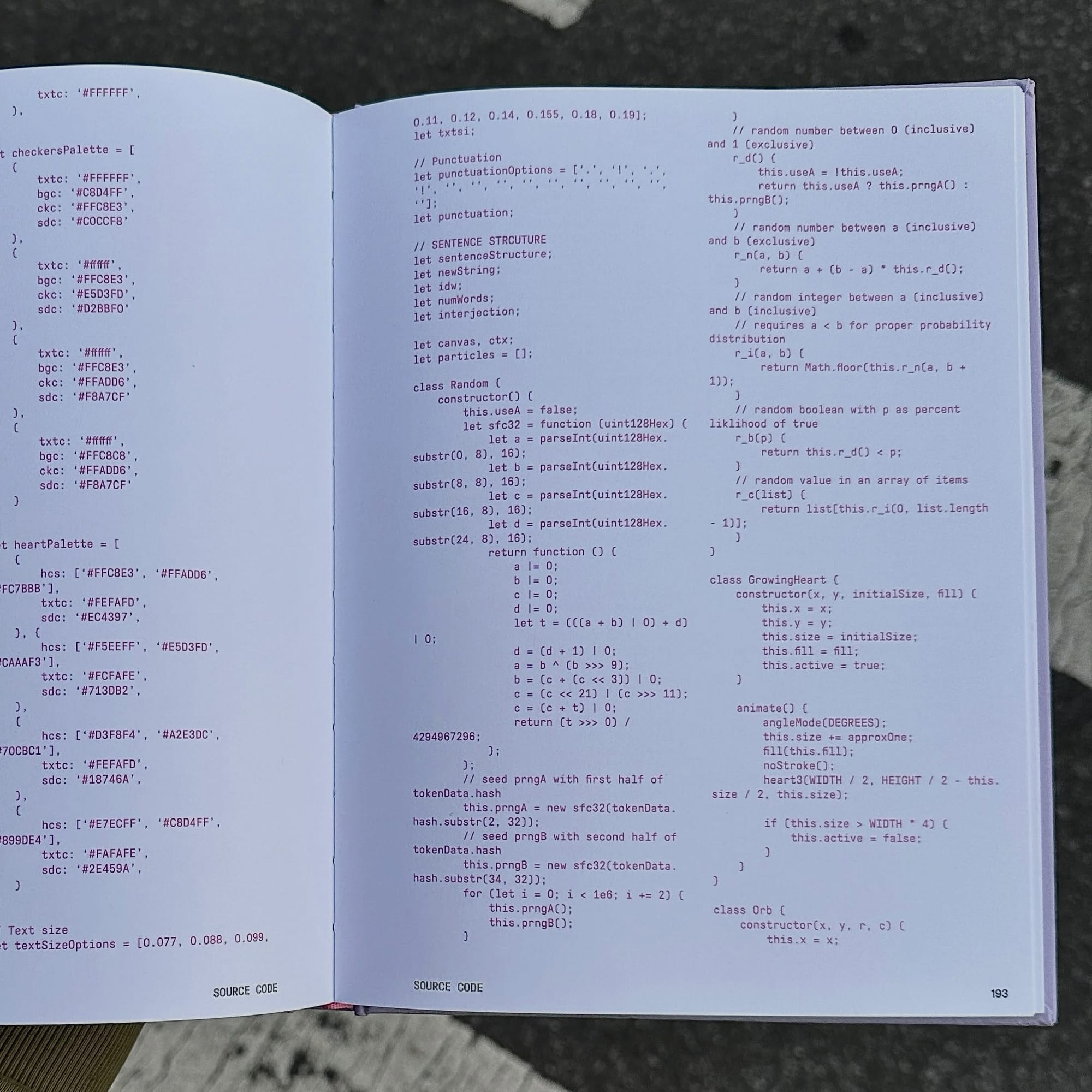
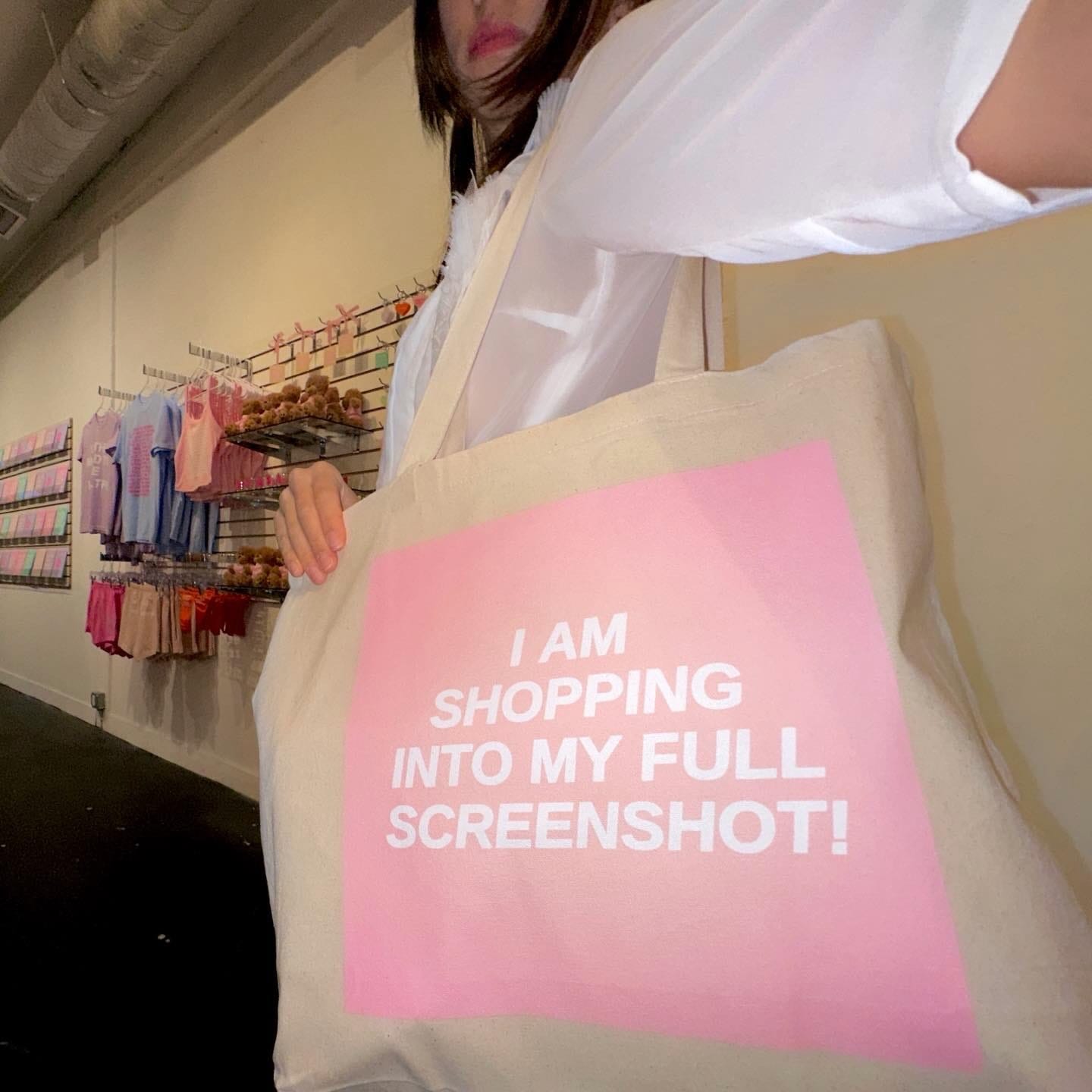
FAKE IT TILL YOU MAKE IT installed, in its source code and in print. Images: Maya Man
Killscreen follows the artists who write their own software and the institutions starting to collect it. Get the free newsletter.