Mitchell F. Chan joins LACMA's landmark digital art gift
The museum's patron circle and the Mneme Foundation are handing over 200-plus works, putting the art game maker beside Vera Molnar and Harold Cohen.

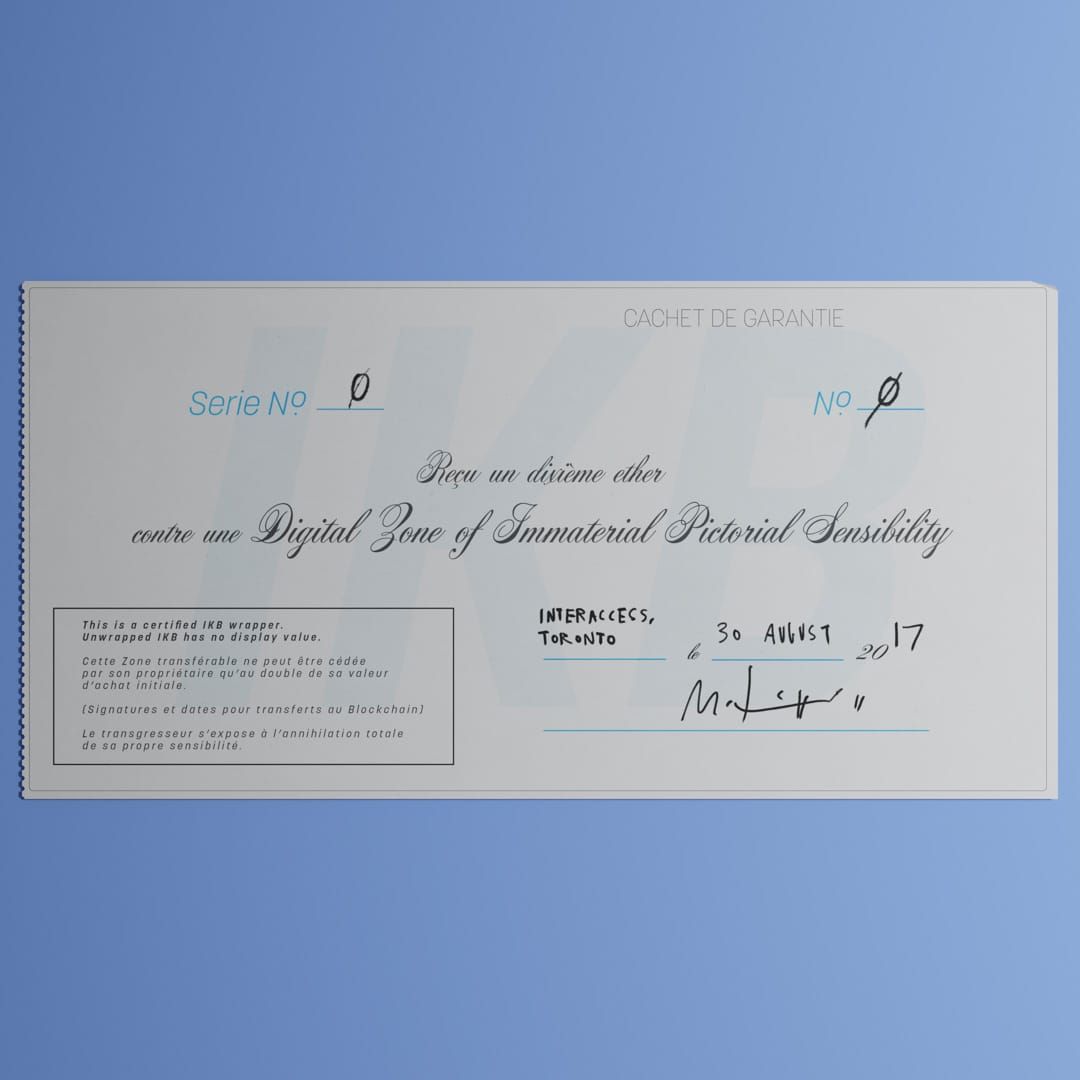
LACMA is taking in more than 200 works of digital art, a landmark gift announced October 22 and arriving over the next several years, and the list of makers includes Mitchell F. Chan. Chan's announcement credits the museum's Digital Leaders patron group, the Mneme Foundation and "other generous art patrons" with folding digital art "into a mainstream art historical conversation," which is exactly what an accession number does.
The gift, coordinated by the Digital Leaders group that Jeannie Vu and Jehan Chu have chaired since 2023, spans pre-internet pioneers through AI work: the initial donations carry Refik Anadol, Tyler Hobbs, Lauren Lee McCarthy, Trevor Paglen and Casey Reas, plus historical pieces by Rebecca Allen, Harold Cohen, Manfred Mohr and Vera Molnár. Chan sits in a further tranche of offered works alongside Kim Asendorf and Anne Spalter; which Chan pieces are going has not been named. "Digital art belongs within the long arc of art history, not apart from it," is how LACMA director Michael Govan put it, and the museum has the receipts, back to its Art and Technology program of 1967.
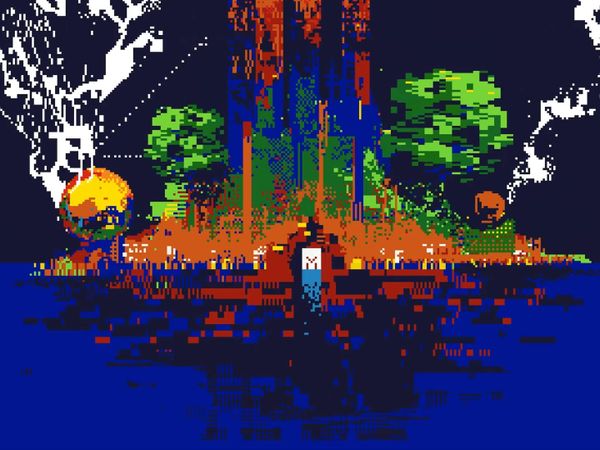
Chan is the sole game maker on the list. The 2017 Digital Zones of Immaterial Pictorial Sensibility, a conceptual restaging of Yves Klein's immaterial zones as tokens, came with a 33-page essay and was among the earliest NFT works minted in a legacy gallery. Lately the practice has gone fully playable: the rigged pinball sculptures of Workers' Playtime, now at DE SARTHE in Hong Kong through November 21, and the Insert Coin(s) suite headed to Steam.
Museums are converging on this material all at once; the V&A opened a Molnár display the same month. When an encyclopedic museum takes game-shaped work through the same door as plotter drawings, the old question of whether games belong in the collection stops being a question.
When museums finally come for game-shaped art, Killscreen has usually been reporting on it for years. The free Radar letter keeps you that far ahead too.