Google Photos is the palette in LoVid’s Spark Frame
The duo’s first Picture Theory solo hung a machine-sorted memory reel beside the signal videos they cut at the Experimental Television Center in 2003.

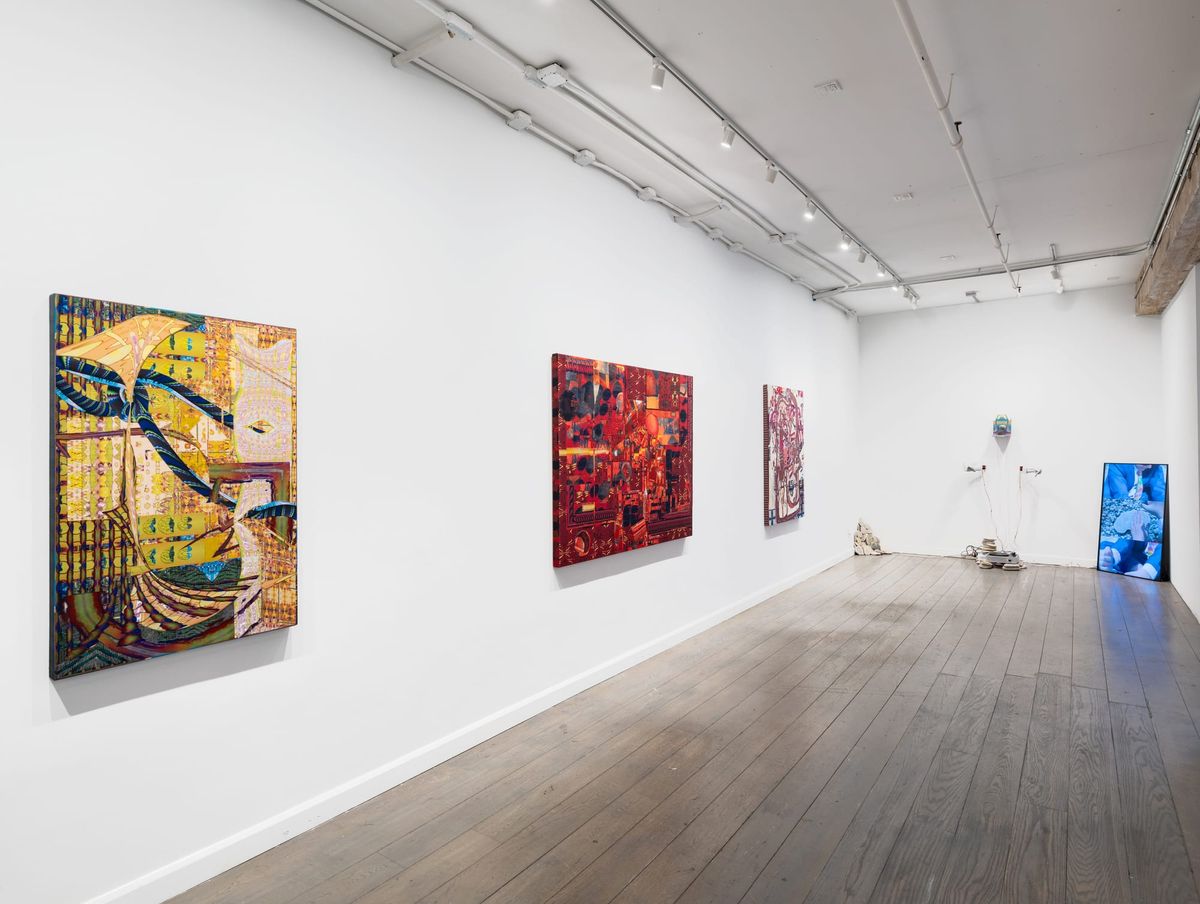
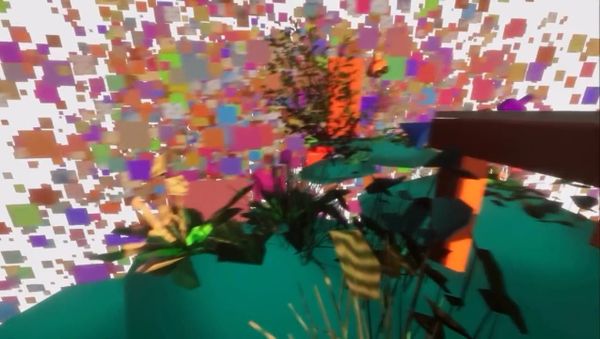
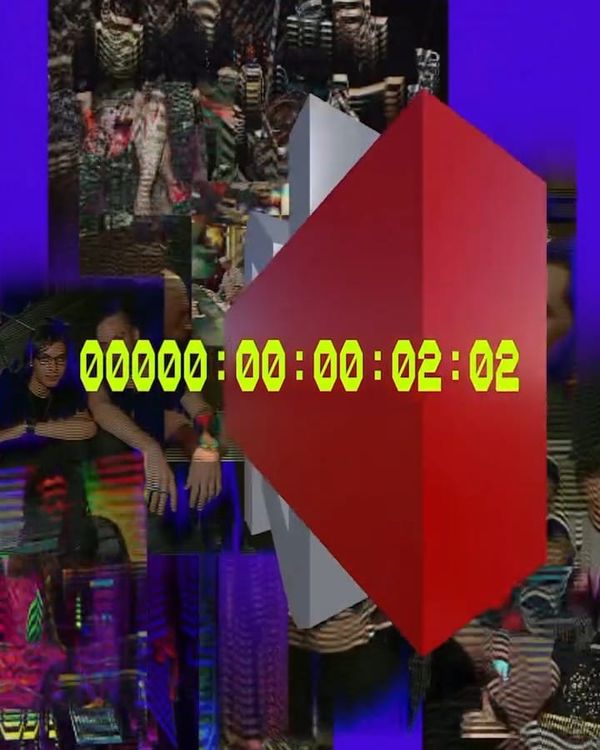
Spark Frame runs 48 seconds and is cut entirely from LoVid’s own Google Photos archive, surfaced by typing search prompts—“landscape,” “sky,” “mood”—into the machine and keeping what came back. The index’s idea of a landscape doesn’t match a lived memory of one, and that mismatch is the video: banal snapshots and composed images flickering past each other until the distinction stops holding. It anchored Hotter than the Sun, the duo’s first solo exhibition at Picture Theory in New York, which showed April 23 through May 30.
The show’s quiet argument sat in a side room. LoVid Links, a living library of zines, VHS tapes, and DVDs from the duo’s orbit—Cory Arcangel, Casey Reas, Lauren Lee McCarthy—also held the videos LoVid made in 2003 at the Experimental Television Center in Owego, New York: Quilt, Cyclops, Decay Hatching, Breaking and Entering the Lost Timeframe. Those pieces run analogue electrical current through hand-built synthesizers as both image and sound at once. “We hope to bring the body into this electrical landscape,” they told Dusted Magazine at the time—a sentence that covers the new video just as well.
Between the two sat the textiles, where Tali Hinkis and Kyle Lapidus use video stills as a brush: dye-sublimated prints layered with dense embroidery and acrylic, as in Magnetic Moment (2026). Emails from the Paleolithic, a kinetic installation of rocks, motors, and polymer prints with original music by Dan Friel, rounded out the room.
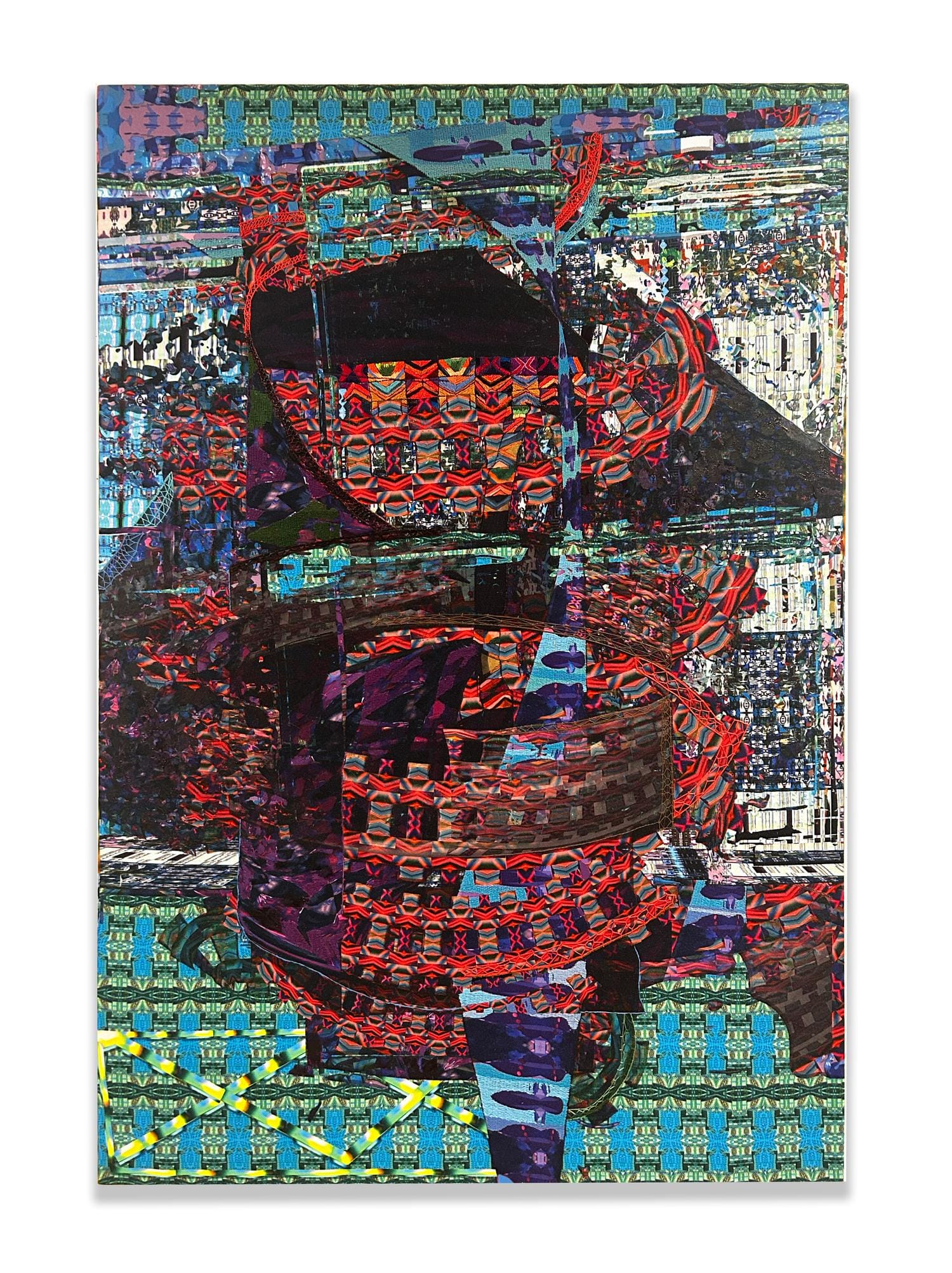
This is ancestor material for anyone thinking about generated space. Twenty years before engines dreamed up terrain on demand, current running through handmade hardware was already doing it—the same instinct we found in Hypnogenesis, where a video synthesizer is the control scheme. The gallery’s closing-week post is what put the 2003 work back in front of us; it was worth the trip backward.
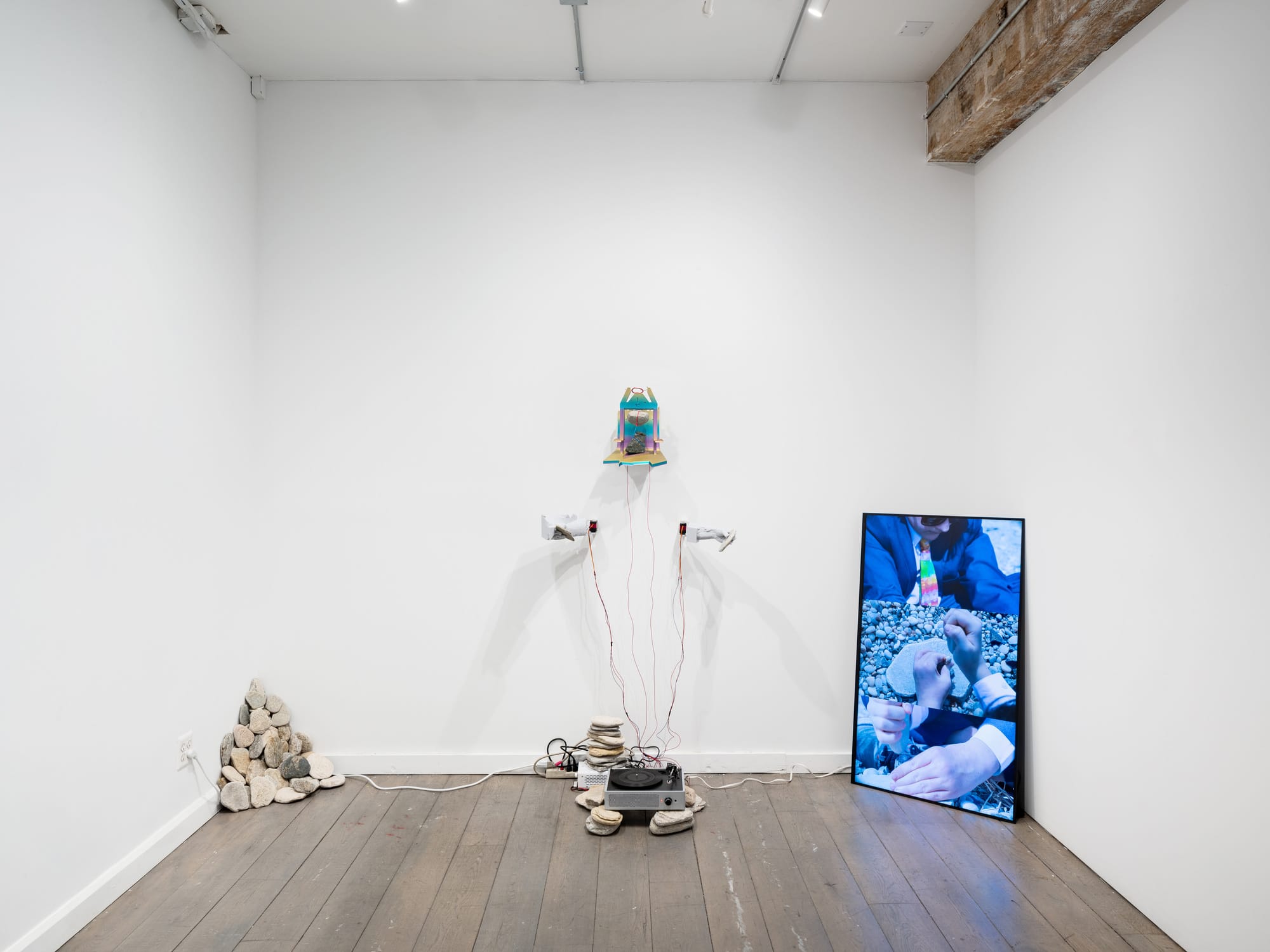
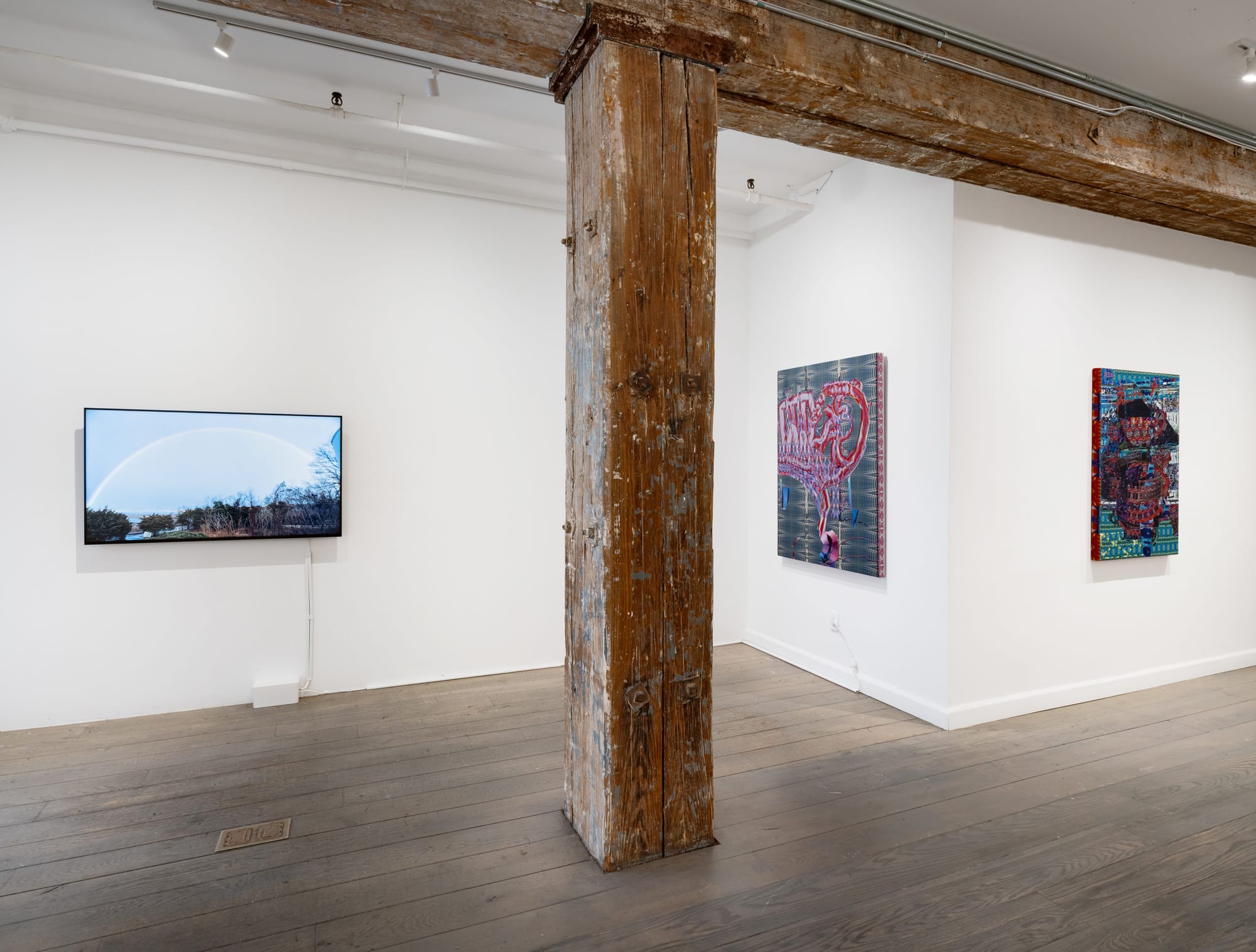
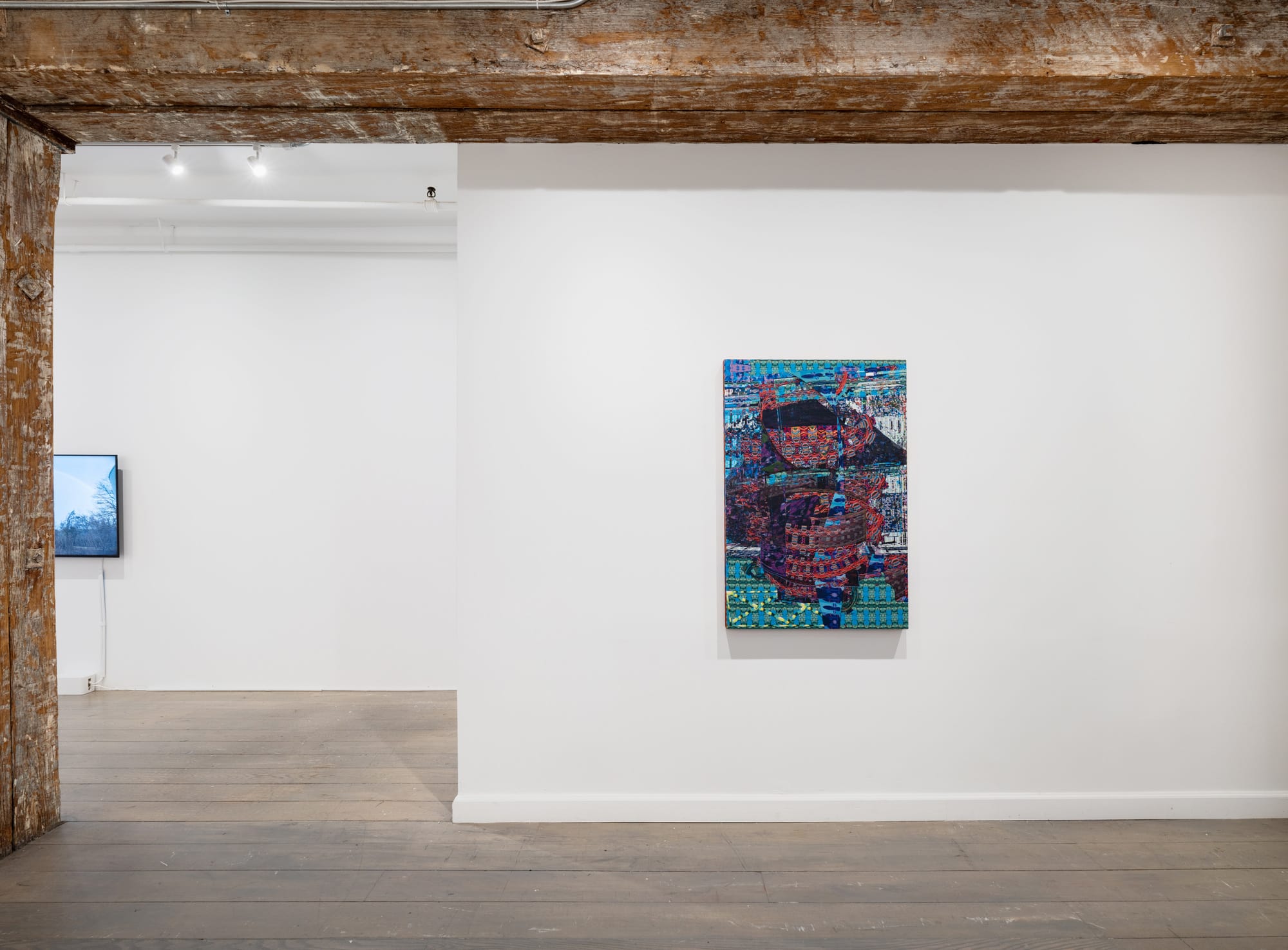
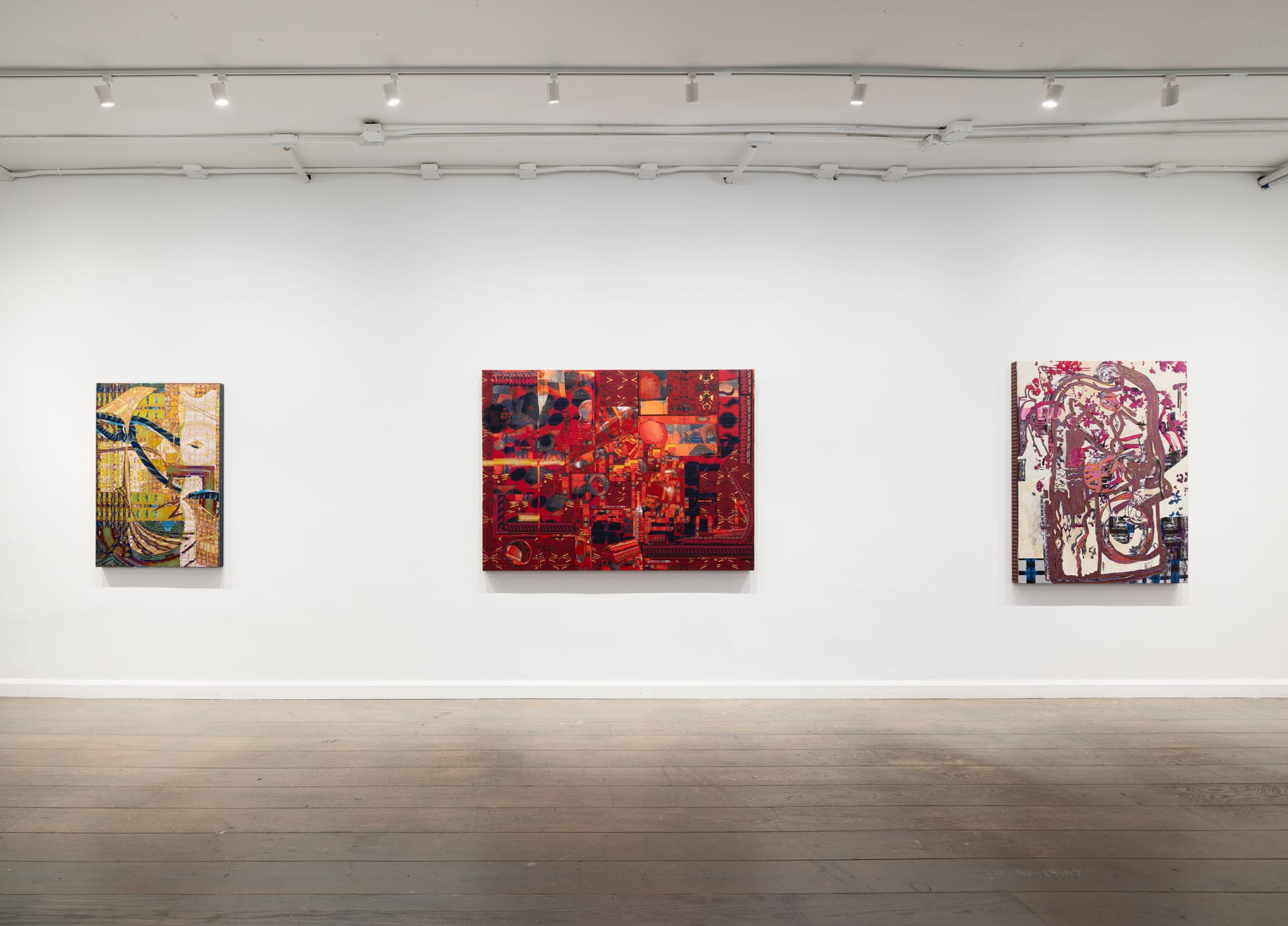
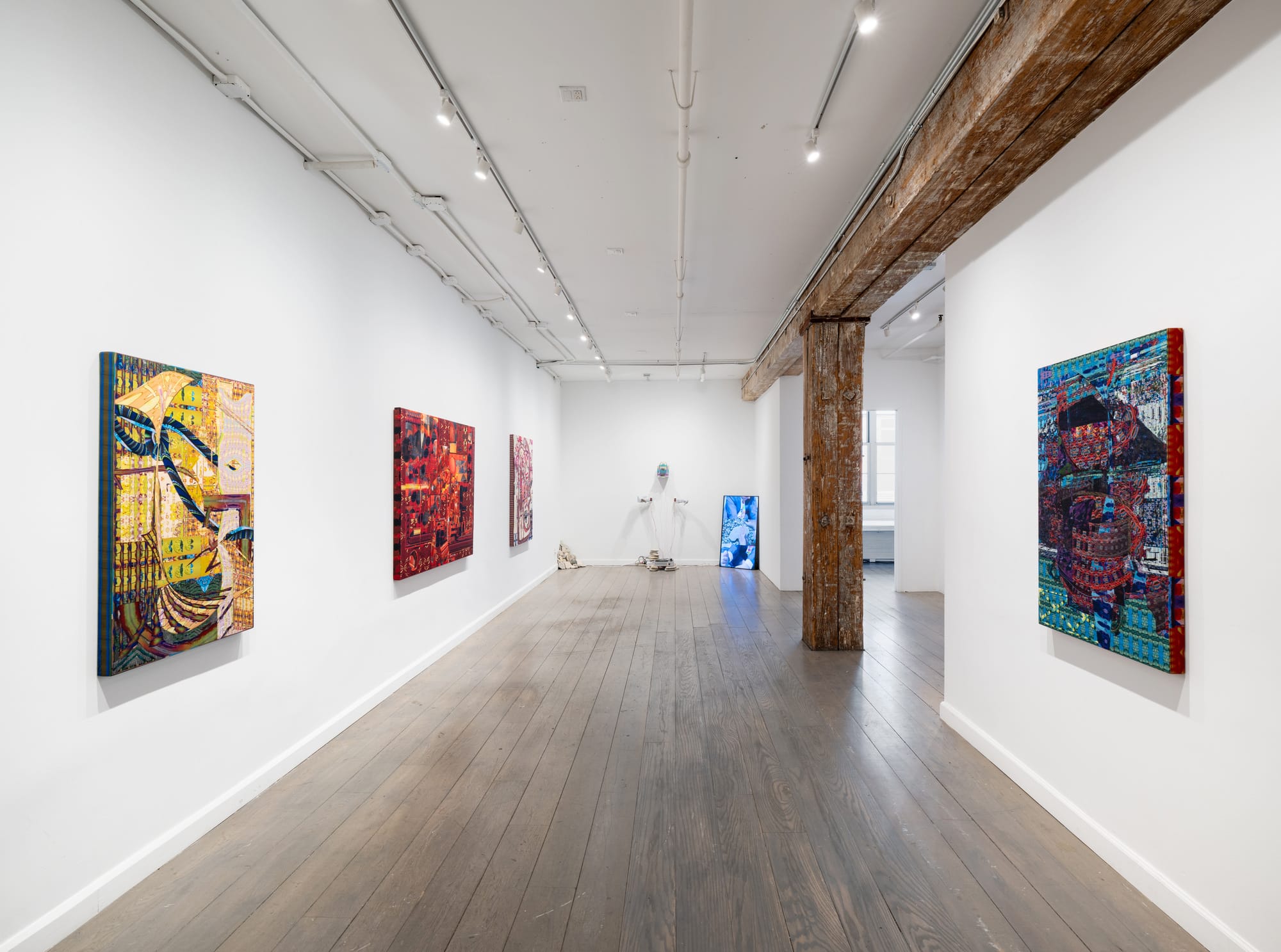
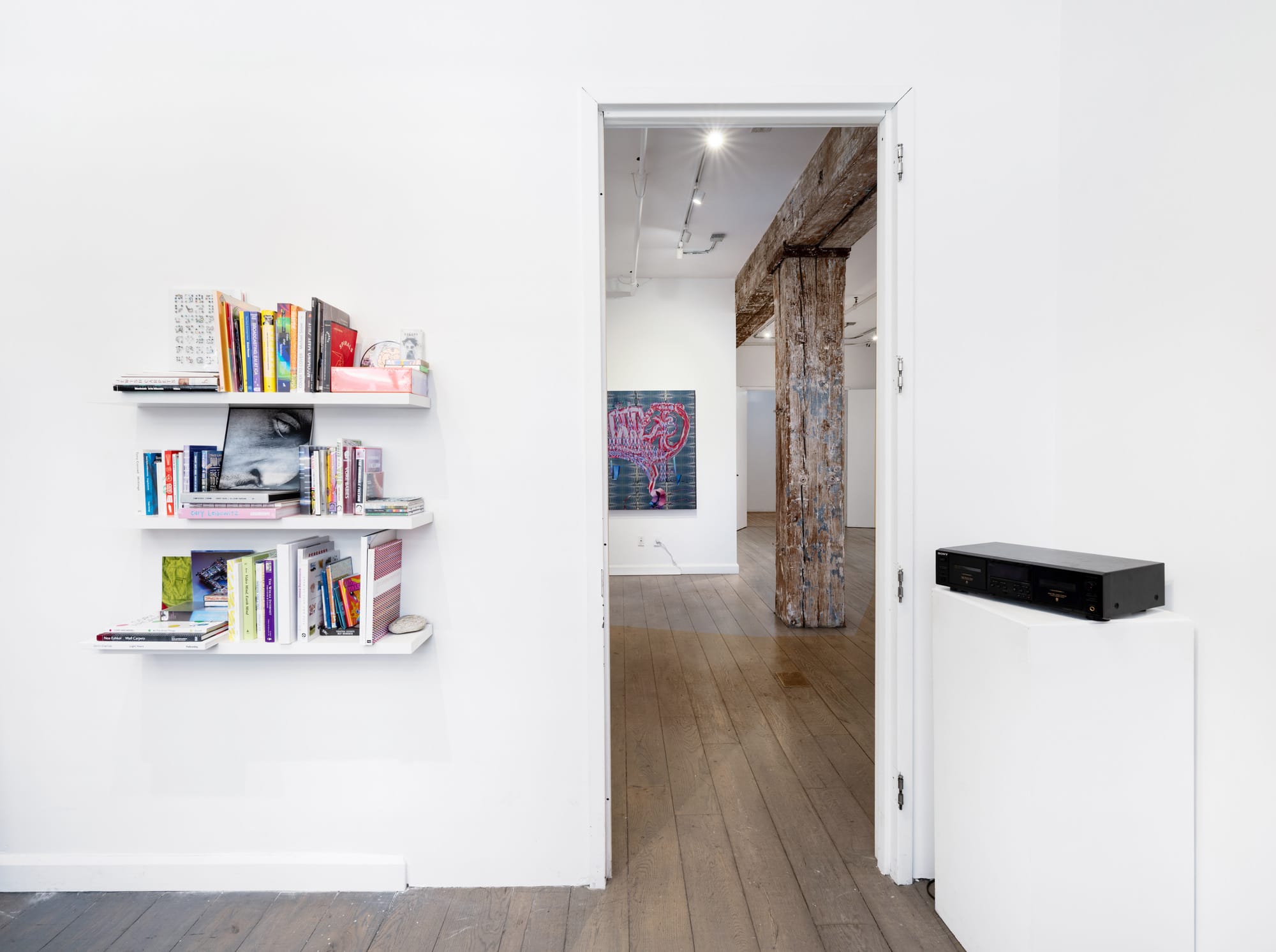
Installation views, Hotter than the Sun, Picture Theory, New York, 2026. Images courtesy of Picture Theory.
Electricity was drawing landscapes before any engine rendered one, and tracking that lineage is what Killscreen is for. Radar delivers three finds like this every week, free.