Bleed Map Is a Keepsake Game Played Beside Another Game
Florence Smith Nicholls' free zine turns an hour inside any title into a hand-drawn chart and a diary of the day.

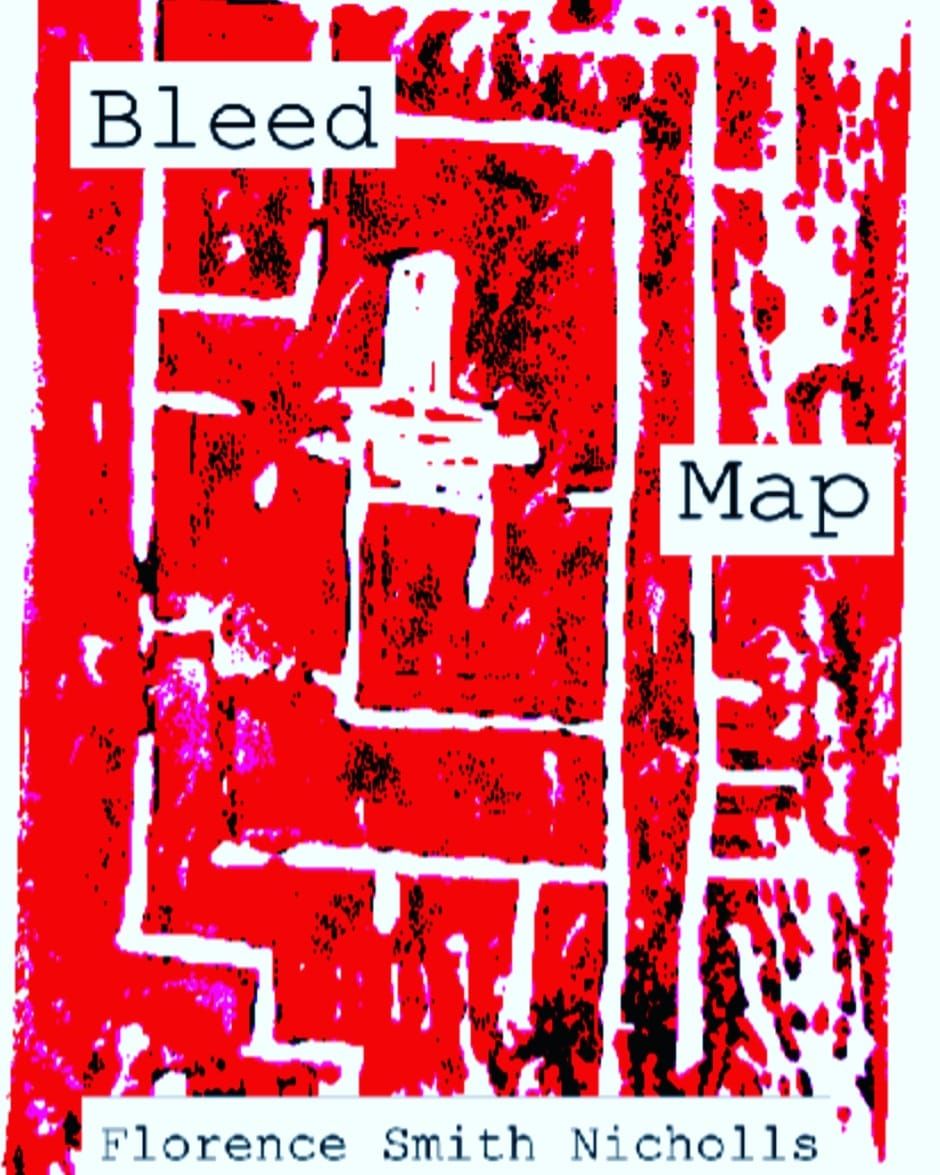
Florence Smith Nicholls, a postdoctoral researcher in video game archaeology at ITU Copenhagen, has released Bleed Map, a free keepsake game played alongside a video game of the player's choice. Smith Nicholls introduced it in an Instagram post on Oct. 8. The game has been on itch.io since Sept. 21, as a printable PDF and a foldable zine.
As the player moves through a digital space, they draw a map of it by hand. At the same time, the game prompts them to write down the emotions and thoughts from their everyday life that "bleed into the experience," in Smith Nicholls' words. A session takes no more than an hour. The finished sheet is both a map of a place inside a game and a record of the person who walked through it.
Keepsake games are a solo tabletop form designed to leave the player holding an object at the end, often a journal, a letter or a drawing. Smith Nicholls first developed Bleed Map for the Games and Archaeological Play workshop at the 2026 Foundations of Digital Games conference, held at the Royal Danish Academy in Copenhagen in August. It belongs to Smith Nicholls' current research into using keepsake games "to materialise and preserve digital play experiences." The itch.io page states that no generative AI was used.
The game extends an argument Smith Nicholls has made before. In a December 2025 Killscreen piece, the researcher made the case for treating video games as archaeological sites that can be surveyed and recorded. Bleed Map moves the record from the software to the player: what it keeps is not the build, which can be patched or delisted, but one person's hour inside it. Killscreen has followed the limits of build-based preservation since 2012, when the shutdown of Metal Gear Online's servers took the game with them. Smith Nicholls' itch.io page also hosts How to Archaeologically Record a Video Game, an earlier work on the same subject.
For more reading, see Why should we treat videogames as archaeological sites?, The plight of Metal Gear Online and the limits of videogame preservation and Minecraft, No Man's Sky, and the hunt for a true archaeology sim.
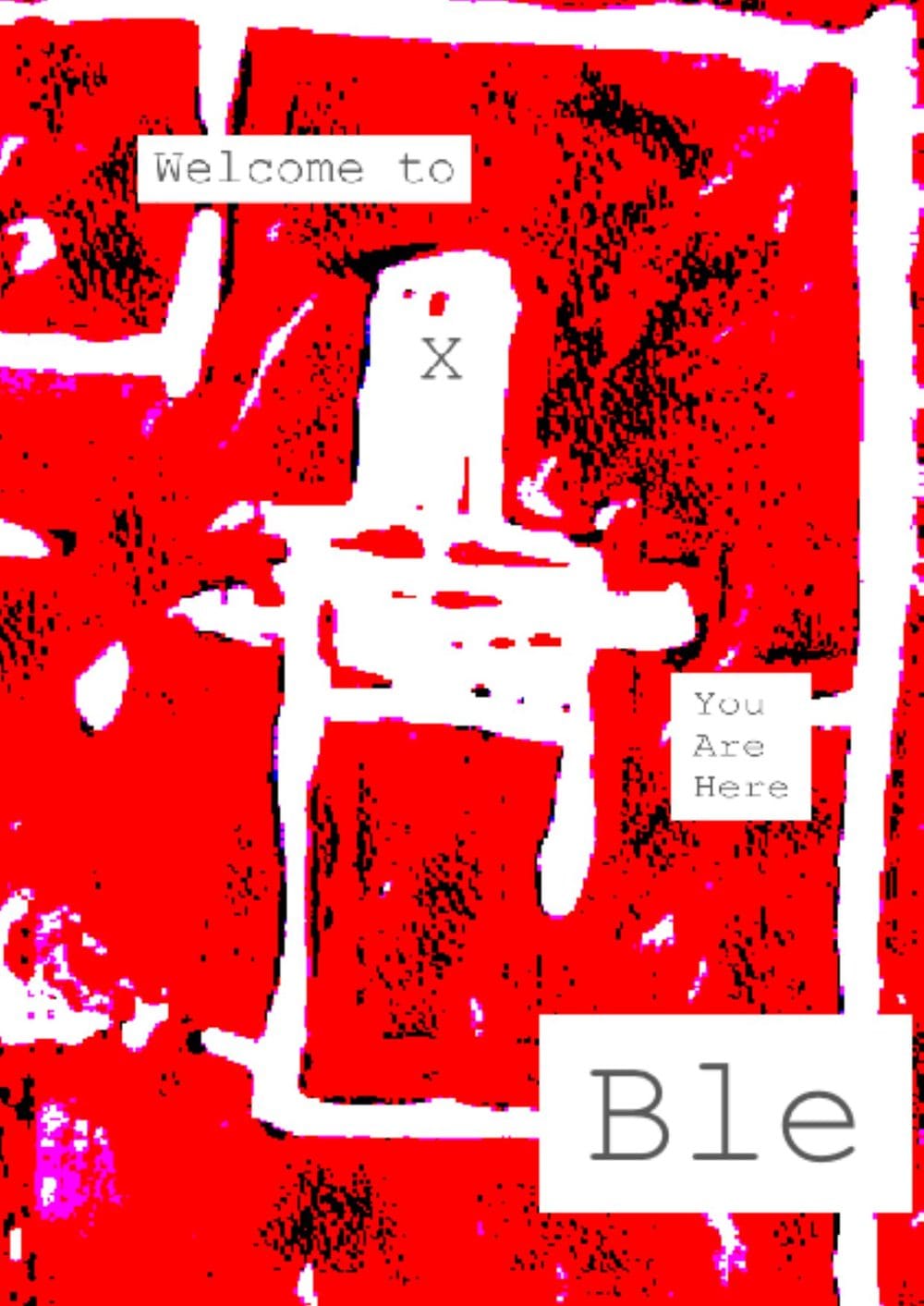
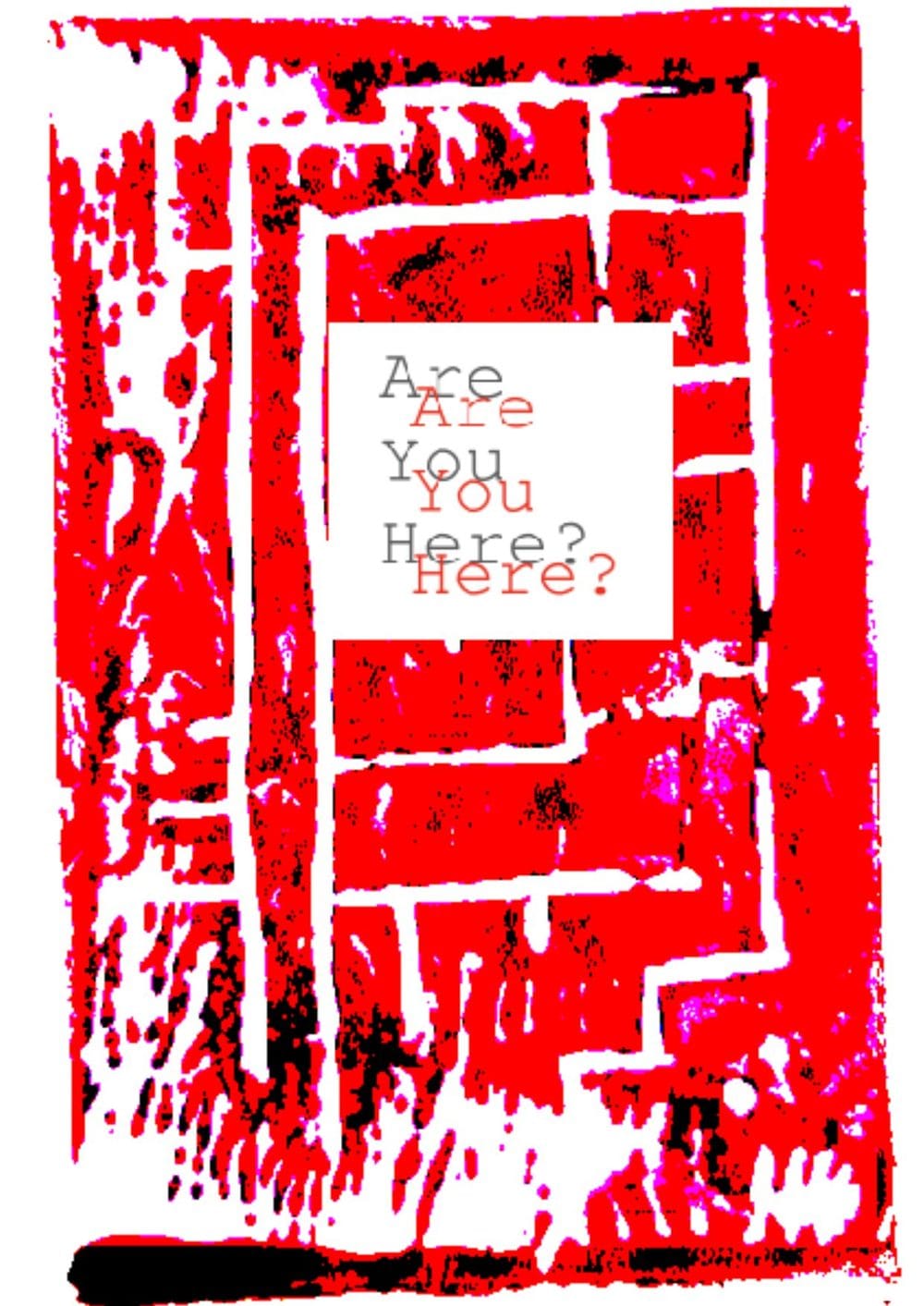
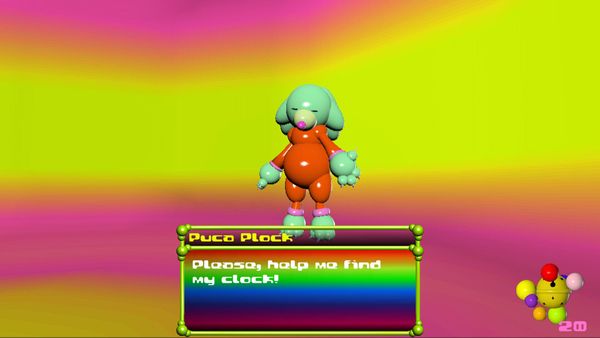
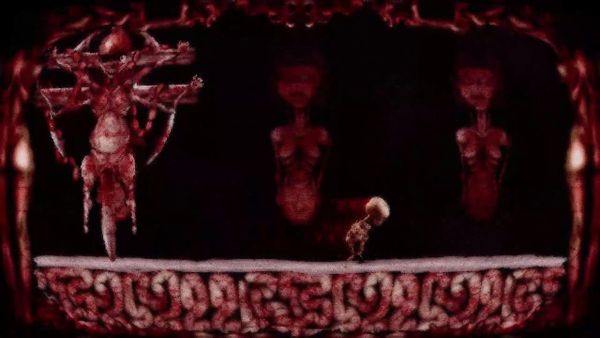
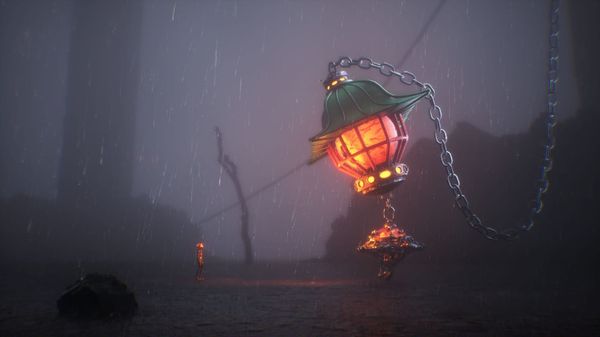
Pages from Bleed Map, by Florence Smith Nicholls
Killscreen covers the people treating games as sites to survey, map and keep. Get the free newsletter.