Anat Efrati's point-and-click world looks molded by hand
The Tel Aviv animation director teases an unnamed adventure game with stop-motion's thumbprints all over it, built out of Blender.


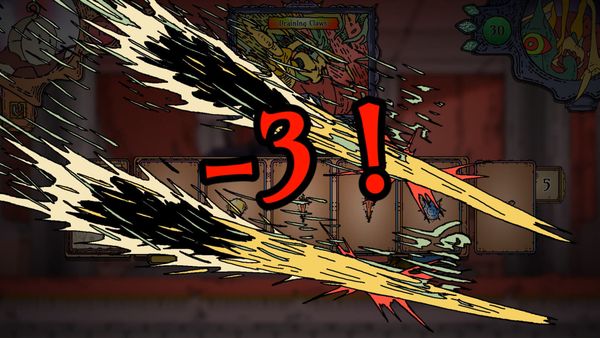
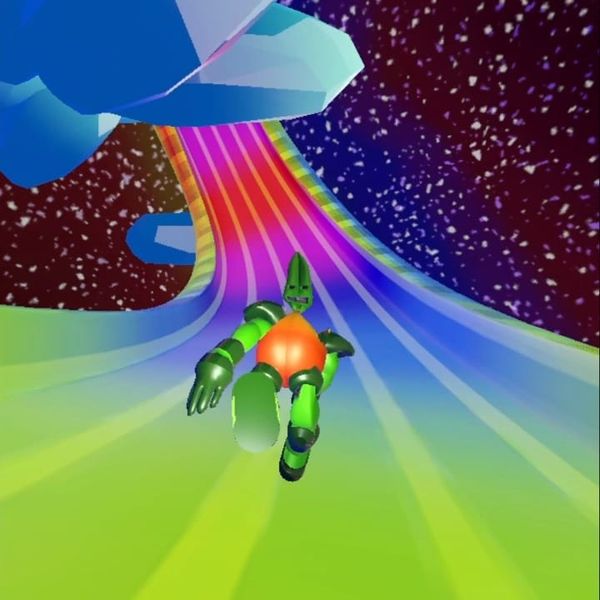
"A little glimpse into a point-and-click world I've been working on." That is the whole caption on the reel Anat Efrati posted in July, and the glimpse does the rest: heavy, painterly 3D figures that look pinched out of clay and left slightly wet, plus dialogue with a very particular deadpan. One character announces, "I was told my singing resembles a baby goat. Oh yes please!" Another line sits onscreen like a thesis: "it is hard for me to understand why this is happening to me."
The announcement reel, via Anat Efrati on Instagram. Sound on.
Efrati is a Tel Aviv-based illustrator and animation director represented by Hornet, with a body of commercial and personal animation that already trades in this handmade-digital register—stop-motion's warmth without the armatures. The game is unnamed and unreleased. The reel's hashtags put Blender and 3D animation in the pipeline; a direct question in the thread about which engine is underneath went unanswered.
What sold me is the comment section, which reads like a syllabus nobody planned: Hylics, Goya, the gothic novel Melmoth the Wanderer, Squinky's Dominique Pamplemousse, Jack Stauber, Boards of Canada. That spread—claymation games, Romantic painting, stop-motion pop surrealism—maps exactly the territory the work occupies. When the Hylics comparison landed, Efrati called it the best compliment ever, which tells you the reference points are load-bearing. We have argued since Mason Lindroth's clay experiments that malleable-looking worlds change how players treat them: you poke what looks poke-able.
No title, no date, no engine confirmed. Just a world that looks like it would take a fingerprint. Watching this one closely.
Killscreen exists for work like this—games in conversation with painting, puppetry, and pop animation. The free newsletter brings you the next one before the algorithm does.