Where do artists who make games "fit"?
Mitchell Chan sorts the field into categories, including Gesamtkunstgames and agential representation.

Where do artists who make games "fit"? It's a question I hear quite often—Tomo Kihara told me that "I will not sit comfortably in one chair," a sentiment shared by many interdisciplinary creators.
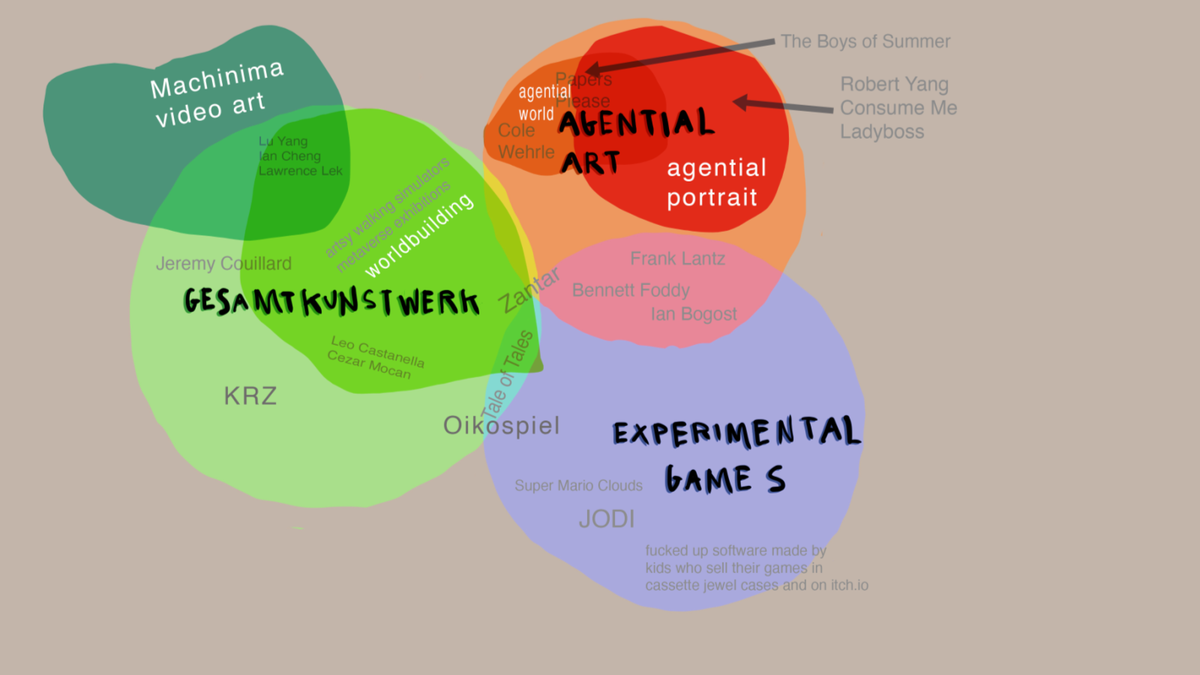
Early this year, I had the pleasure of hearing artist (and Killscreen member) Mitchell Chan work through this idea in a talk as part of NEW INC's DEMO Day. Chan has consolidated the work in the newly published "Categories of the Art Game," an essay on Rhizome's blog. In it, Chan does the brave act of sorting overlapping categories into a hand-drawn Venn diagram, a model I've seen with John Sharp's outlines of artists who make games.
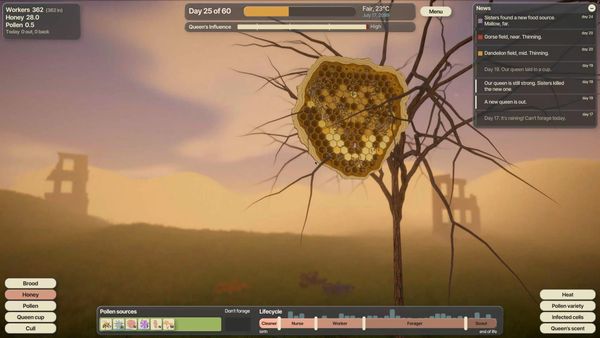
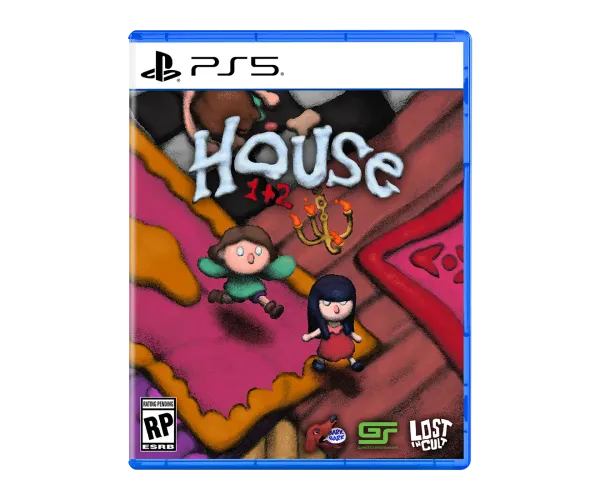
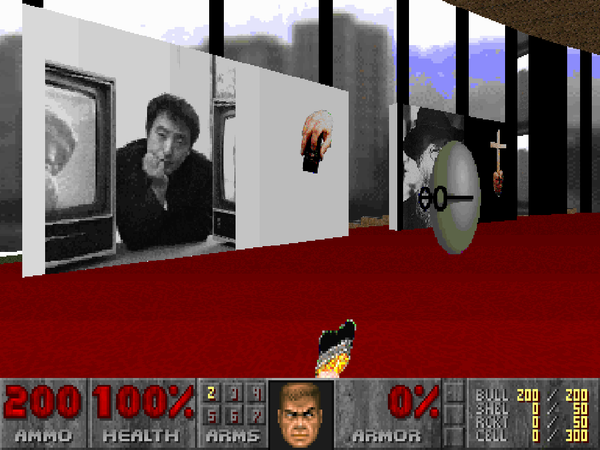
The first category is what Chan calls the "Gesamtkunstgame," after composer Richard Wagner's total work of art: games that expand another art form inside an interactive one. Wagner is a difficult figure, but also presage later theatrical attempts to capture work that crosses different domains. Chan lists several examples such as David Kanaga's interactive opera Oikospiel Book I, Cardboard Computer's Kentucky Route Zero and Chan's own Winslow Homer's Croquet Challenge, commissioned in 2022 by the Buffalo AKG Art Museum. Engine-made films are set apart, as work "in the lineage of experimental film." Pulling from philosopher C. Thi Nguyen, the essay then describes "agential representation": depicting something by reproducing its decision space. Baby Steps, Consume Me, Robert Yang's Hurt Me Plenty and Chan's 2025 endless runner Ladyboss are the examples.
Chan calls the art world's focus on worldbuilding "a pathetically narrow and incomplete view of the medium" and cites Google's Project Genie, opened to paying subscribers in January 2026, as a sign that generated worlds will soon be easy to make. This has been my concern with artist-driven worlds, but also indicts non-interactive XR that limits players' freedom. Being in a world isn't enough if you don't know what to do. This type of delineation is extremely common in games, as one often has to define their work to submit to festivals or offer the game online. It's delightful to have more artists attempt to discern their own place in the landscape.
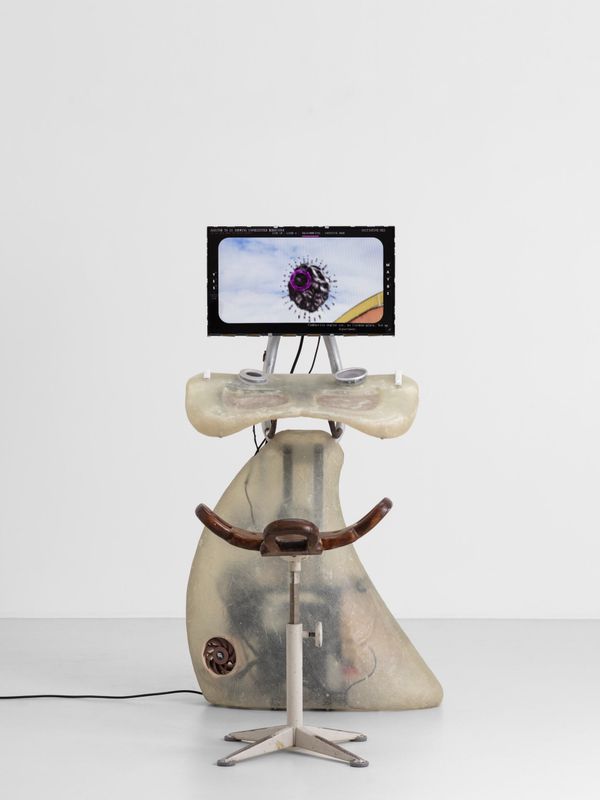
Chan's gallery show Insert Coin(s), built around a fictional game called Zantar, premiered at Nguyen Wahed in New York in May 2025 and traveled to the gallery's London space that fall. Zantar & Other Stories is listed on Steam for 2027.
For more reading, see Mitchell Chan's Insert Coin(s) suite is coming to Steam, What can one-trick art games teach us? and the full essay on Rhizome.
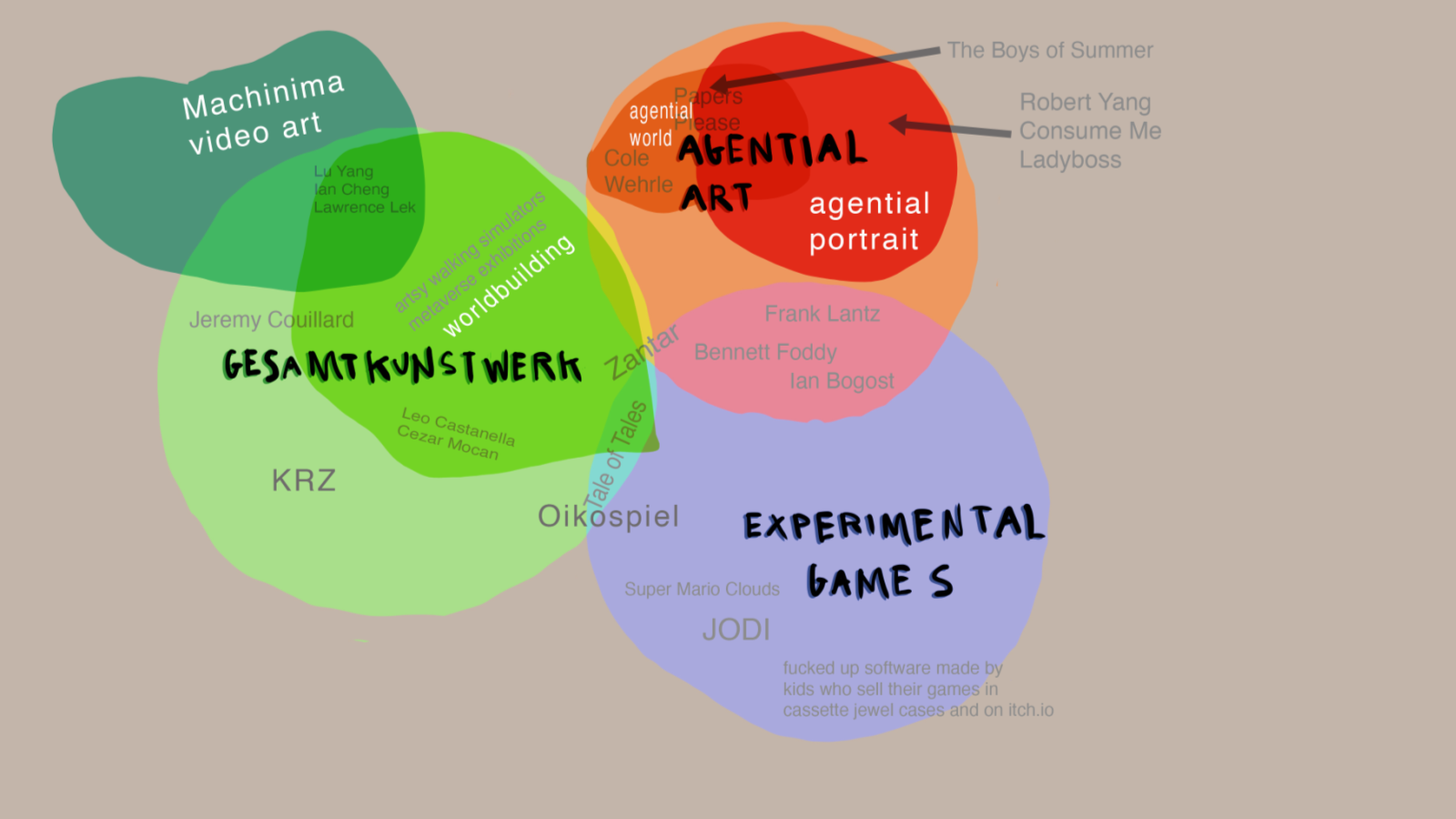
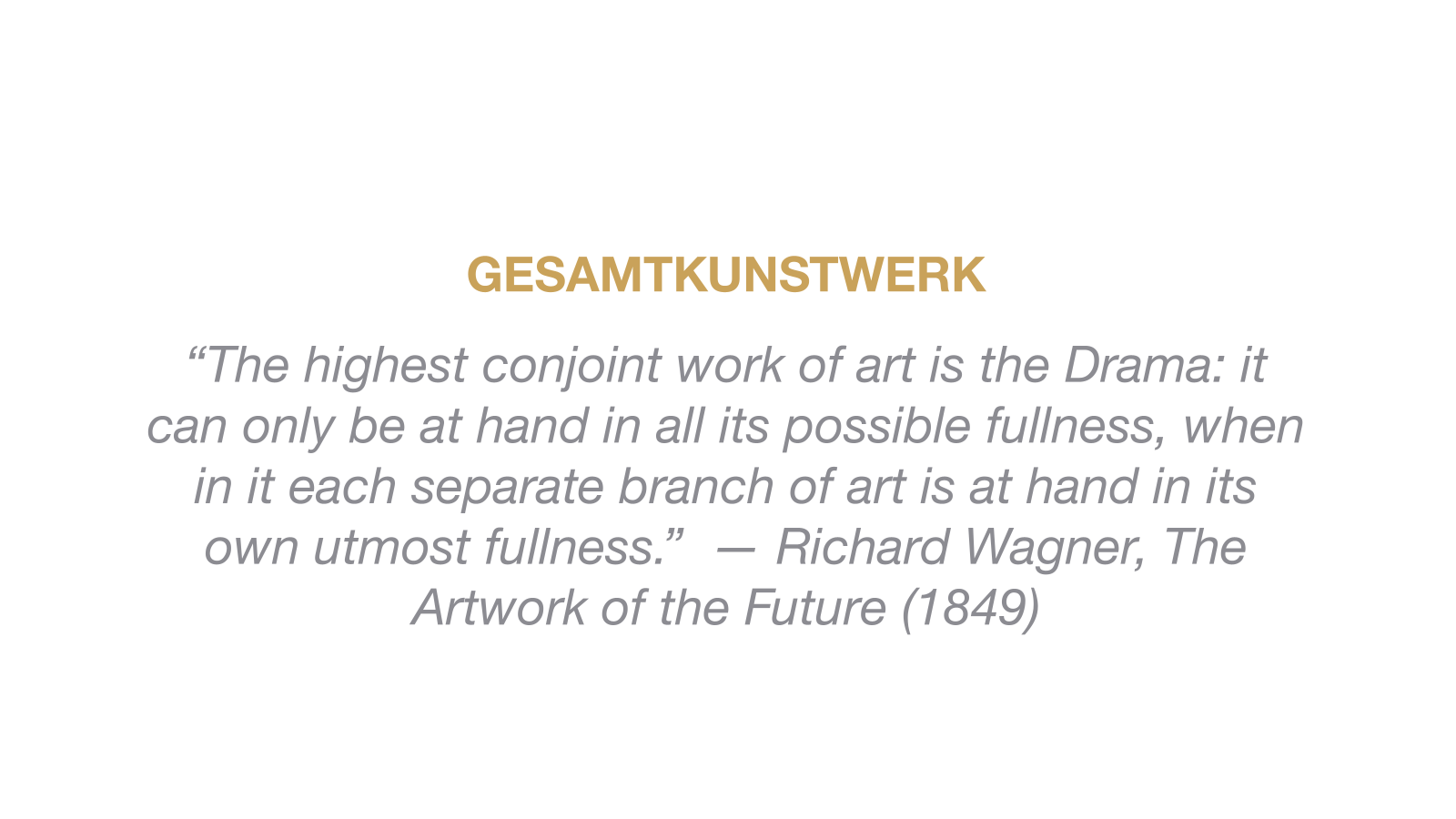
Images from "Categories of the Art Game." Images: Mitchell F. Chan / Rhizome
Killscreen follows the artists arguing over what games can be, and the games that settle it. Get the free newsletter.