P.T. is being rebuilt for PC from its own PS4 code
LoreanXavier's native Windows port is neither emulator nor remake. Museum conservators have a word for the difference, and it matters for a game Konami erased.

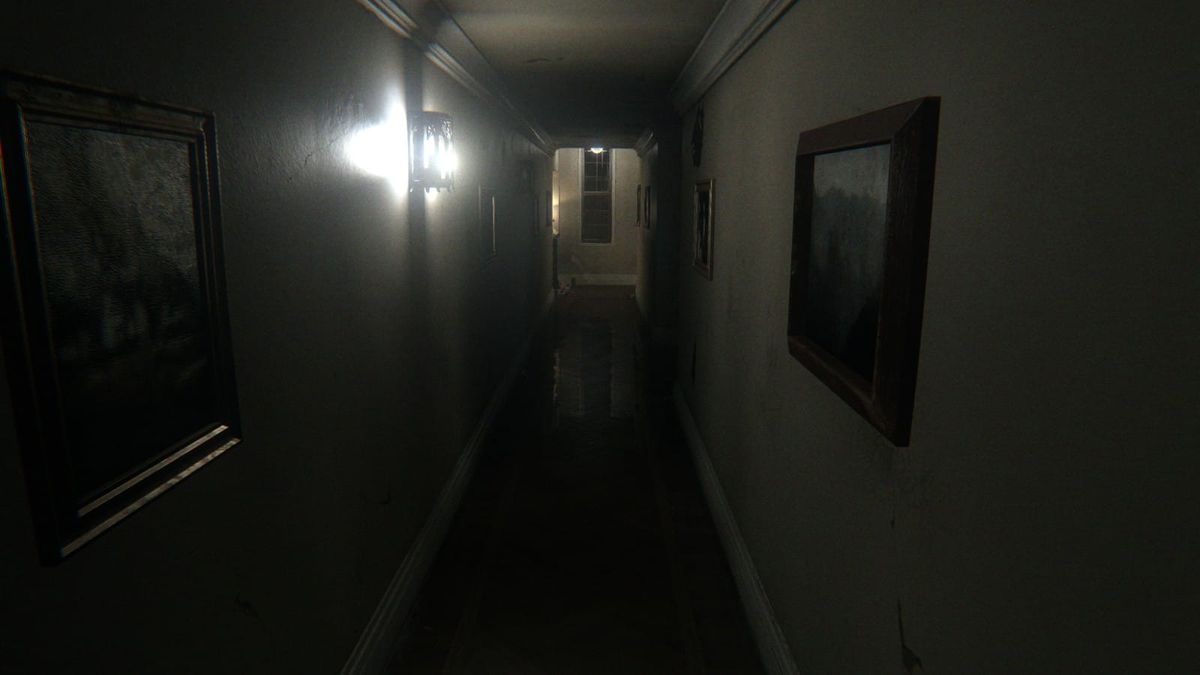
Every surviving copy of P.T. sits on a PlayStation 4 that somebody declined to wipe. Konami pulled Hideo Kojima and Guillermo del Toro's playable teaser from the PlayStation Store in April 2015 and blocked re-downloads soon after. That turned a 2014 horror game about one looping hallway into something like a fresco: fixed to its wall, and the wall is aging.
Last week a developer who posts as LoreanXavier announced a way off the wall. They reverse-engineered the PS4 executable and rewrote the game's logic and renderer in C++ and Vulkan as a native Windows program. It is about 97 percent done by their count, and a full playthrough runs from boot screen to ending. No Konami files ship with it. You bring the data from your own copy.
Museum conservators who look after software and video have four moves, set out in the Guggenheim's Variable Media work more than 20 years ago: store the original, emulate its hardware, migrate it to new equipment, or reinterpret it from scratch. Fans have now run all four on P.T. Hoarded consoles are storage. The Unity and Unreal remakes were reinterpretation; we wrote about PuniTy in 2015, and Konami shut another down in 2018. Running it in shadPS4 is emulation. This is migration, the one that keeps the work's own scripts, animation and sound banks and rebuilds the engine underneath them.
The part a conservator would recognize is the checking. By the developer's account, the original runs in the emulator on scripted controller input and recorded camera positions, the port renders the same moments, and the frames get compared. .
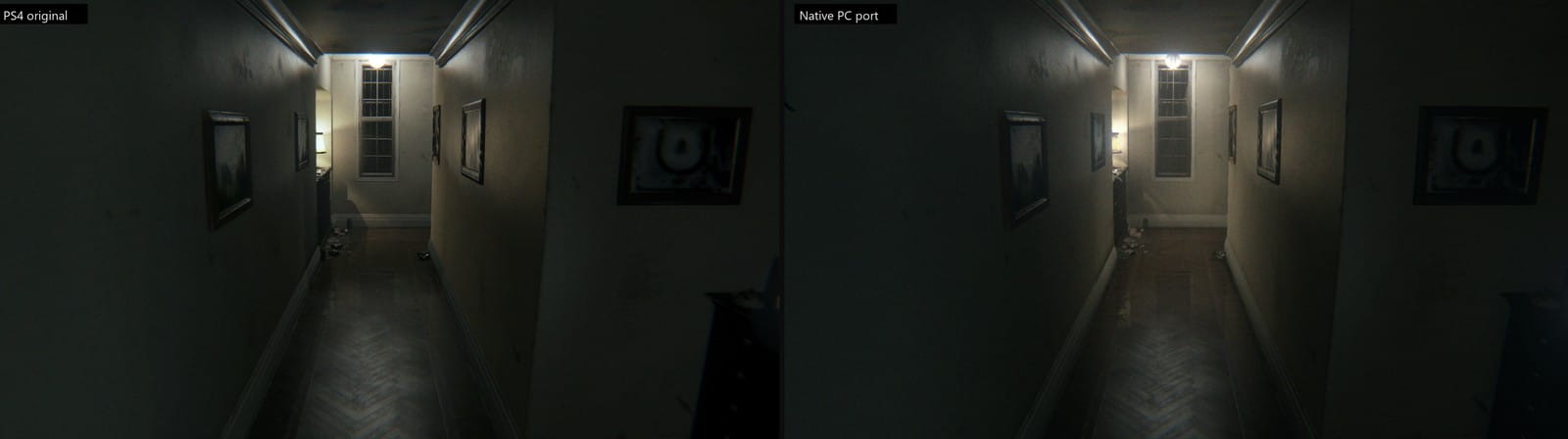
One caveat: the port still needs the data, and the data still lives on those consoles. Rhizome bet on emulation when it put Theresa Duncan's CD-ROM games back online, and Simogo migrated its own iPhone games last year. Simogo owns its work, though. Here the conservators are volunteers, and the owner is the reason the work needs saving.
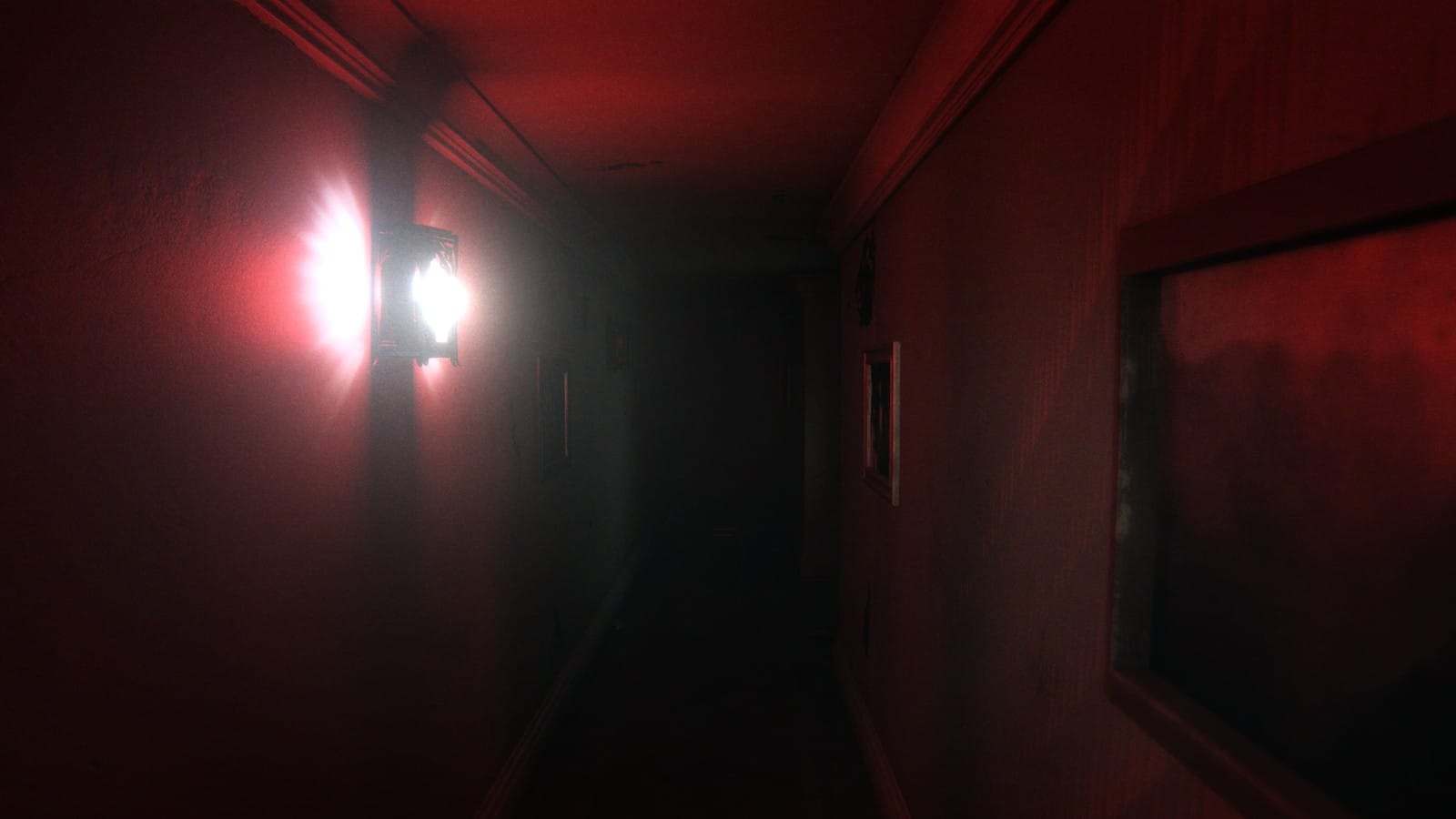
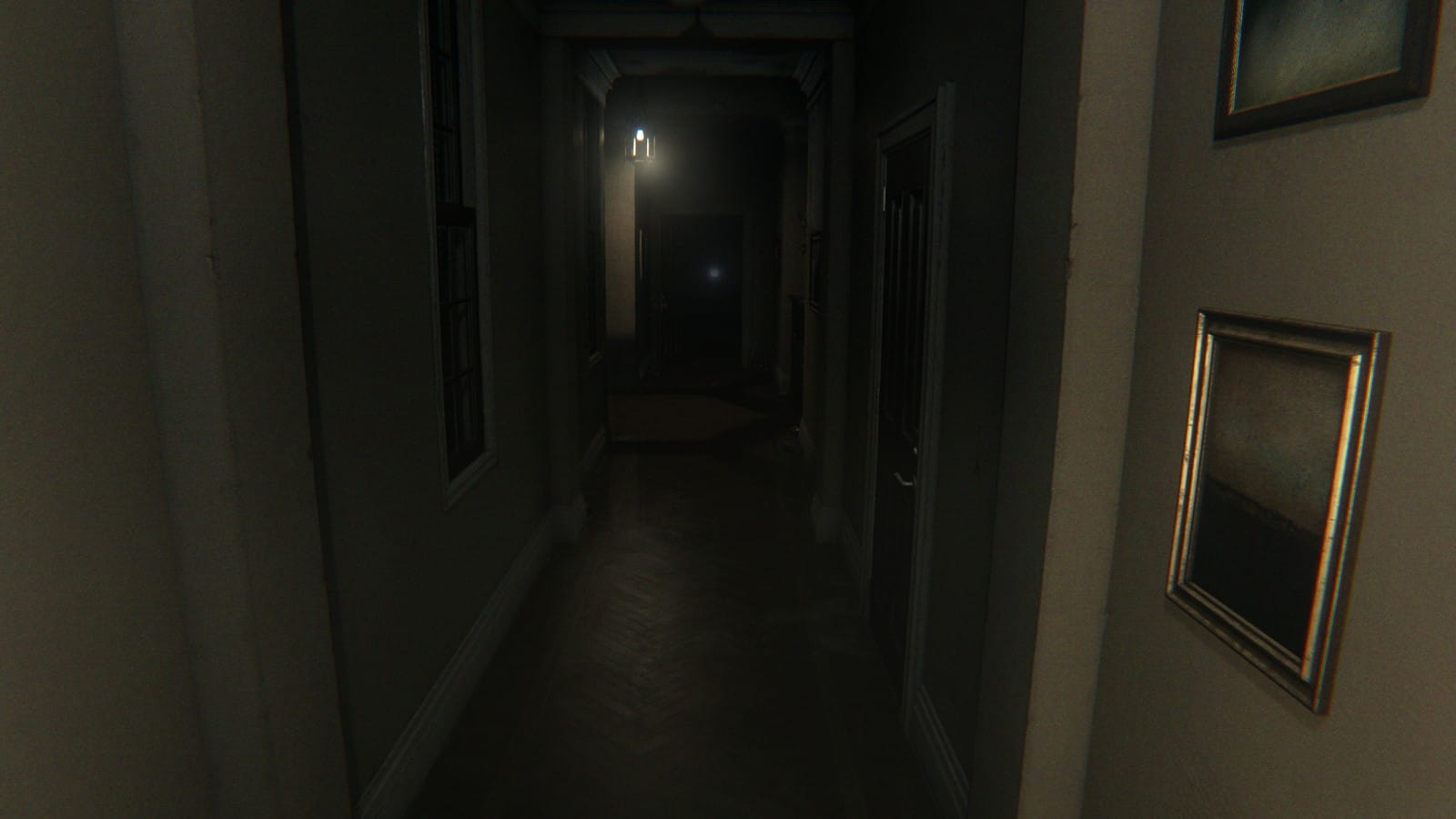
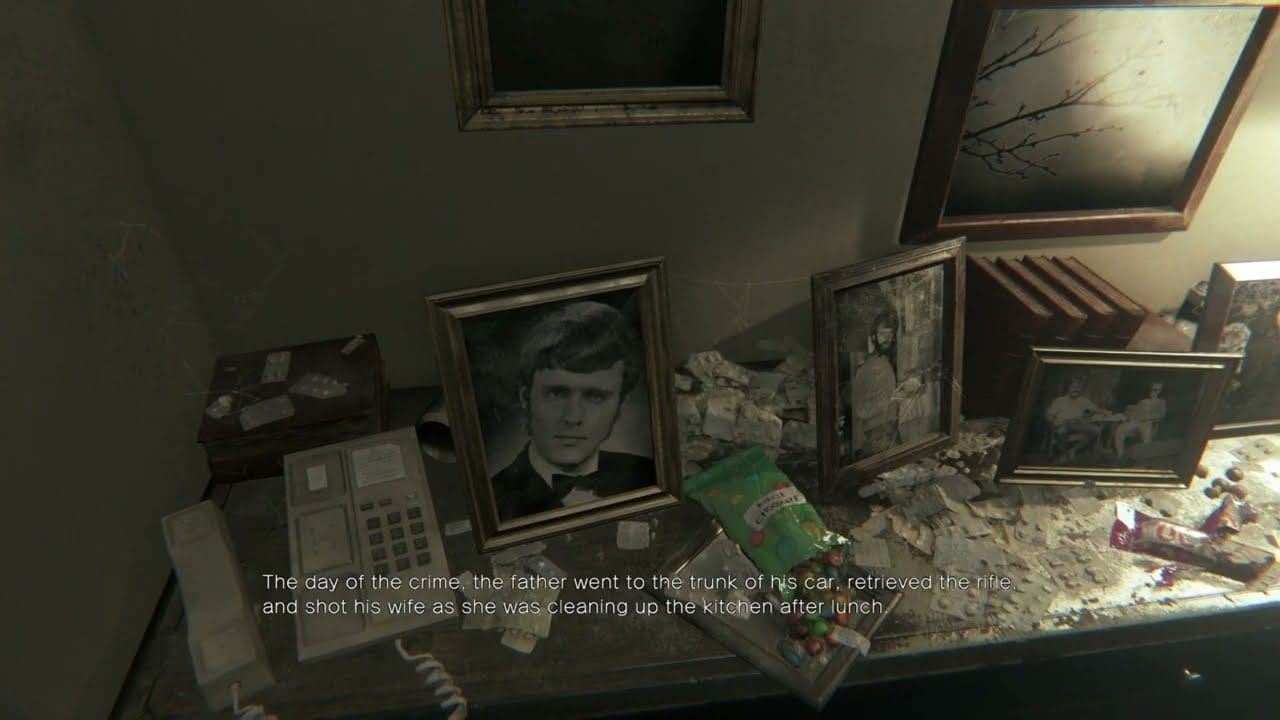
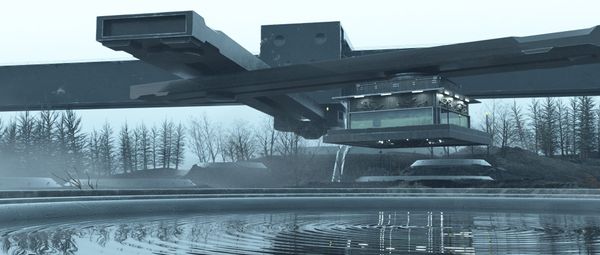
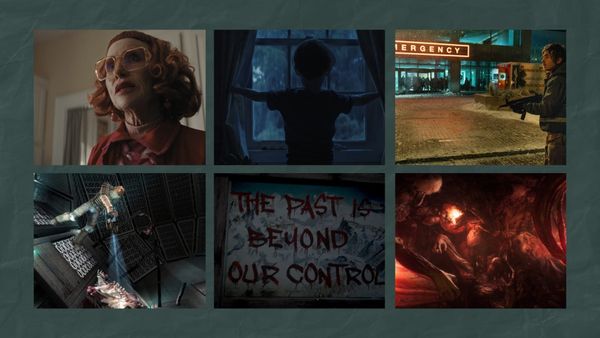
Scenes from the work-in-progress port of P.T. Images: LoreanXavier
Killscreen follows what happens to games after the companies that own them stop caring, and the people who take up the work anyway. The free newsletter is where that reporting lands.
![The Buttons Are Under Your Skin [Podcast]](https://storage.ghost.io/c/25/84/2584b75d-4bd6-4cce-8259-f1d1c65abbb5/content/images/size/w600/2026/09/murlo-06-steam-screenshot-01.jpg)