My Magic Diary turns a Casio toy into a secrets console
Lea van Hall and Éléa Brando beam vanishing infrared notes through papier-mâché at Clutch, opening Oct. 30 in Berlin.

- When
- Fri., Oct. 30 to Sun., Nov. 1, 2026. Opens Fri., Oct. 30 at 7 p.m.
- Where
- Prachtsaal Studio, Jonasstraße 22, Neukölln, Berlin, in Clutch, the fourth show from nowhere projects
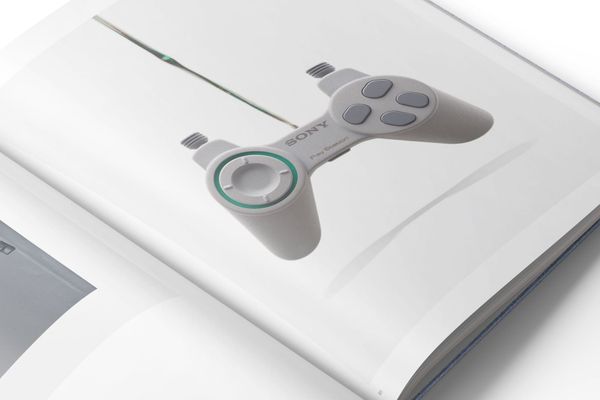
Before the smartphone put every secret on a server, Casio sold children a machine for keeping them close. Its 1990s My Magic Diary line sat somewhere between an educational tool, a personal diary and a game console: you could store private notes, consult an oracle about a crush and beam messages to a friend's device by infrared, signals that disappeared once read. That vanishing act is the material of My Magic Diary, an installation by Lea van Hall and Éléa Brando opening Friday, Oct. 30 at Clutch in Berlin and on view only through Sunday, Nov. 1.
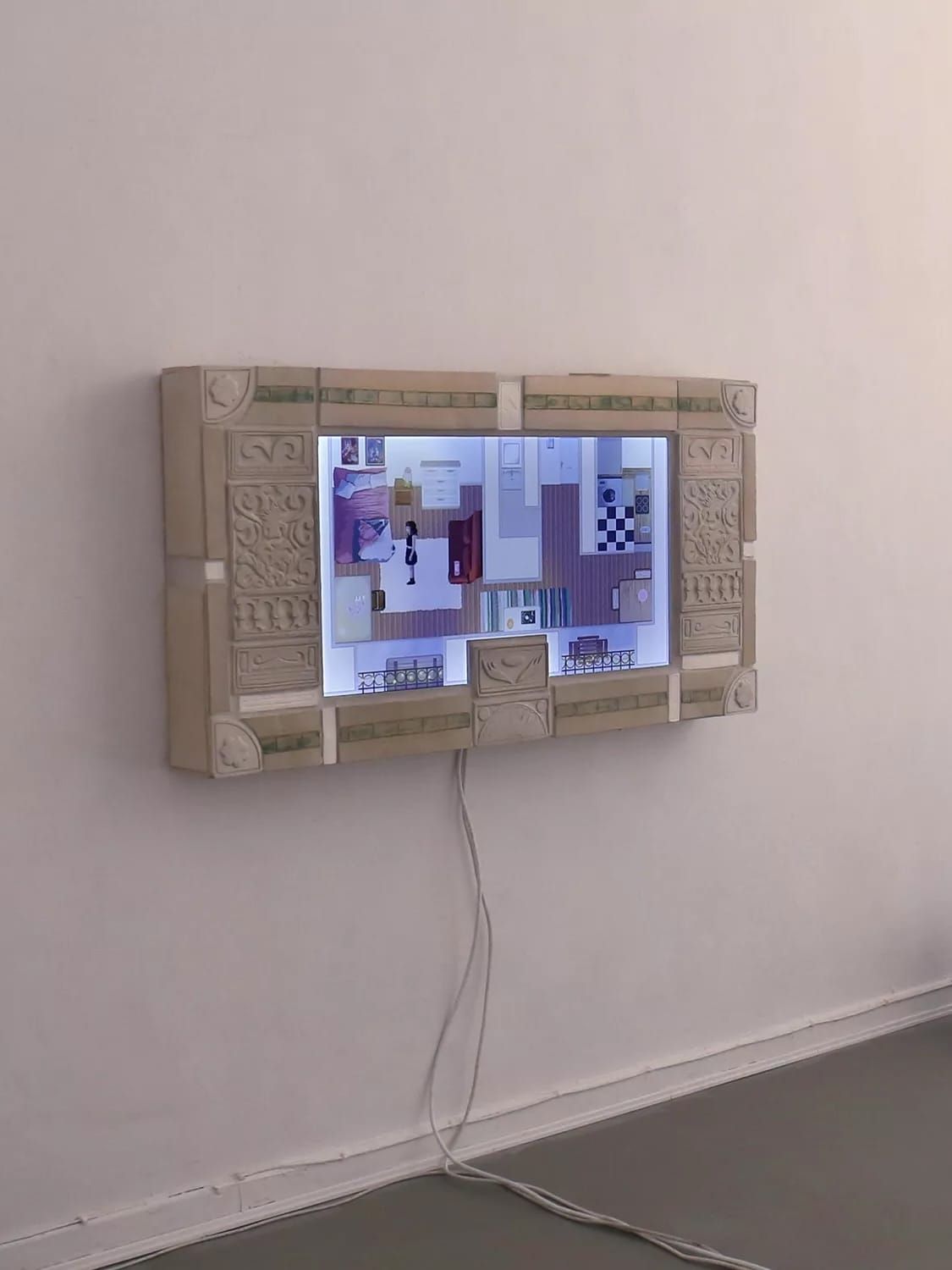
The two artists rebuild the device inside a papier-mâché structure that, in the words of the announcement, "evokes childhood, theatre, and handmade worlds," turning infrared message-swapping into "an intimate ritual suspended between proximity and distance, visibility and secrecy." The work sits at a hinge between childhood imagination and the longer history of coded communication in queer communities: who can read a message, who controls what circulates inside a private space. The organizers call it a gesture "towards local, intimate alternatives to centralised digital infrastructures and surveillance."
Van Hall, who works between Paris and Vienna and researches life-simulation games as spaces of self-reflection and queer desire, and Brando, a sound designer for installations and videogames, are two of ten artists in Clutch, the fourth show from the Berlin collective nowhere projects. Curators Maddy Dreiband and Andrea Luque Martín frame the weekend through the glitch, an interruption that makes a system visible precisely by disrupting it, and through queer readings of play: elsewhere in the show are a 1990s-arcade floor game from Franziska Harnisch and an exhibition game for about ten players from Gabriel Jeanjean.
Berlin keeps treating games as room-scale social sculpture; an evening of alt-ctrl games closed a Berlin summer school in the same spirit. Clutch opens Friday at 7 p.m. at Prachtsaal Studio, Jonasstraße 22, Neukölln, and closes Sunday.
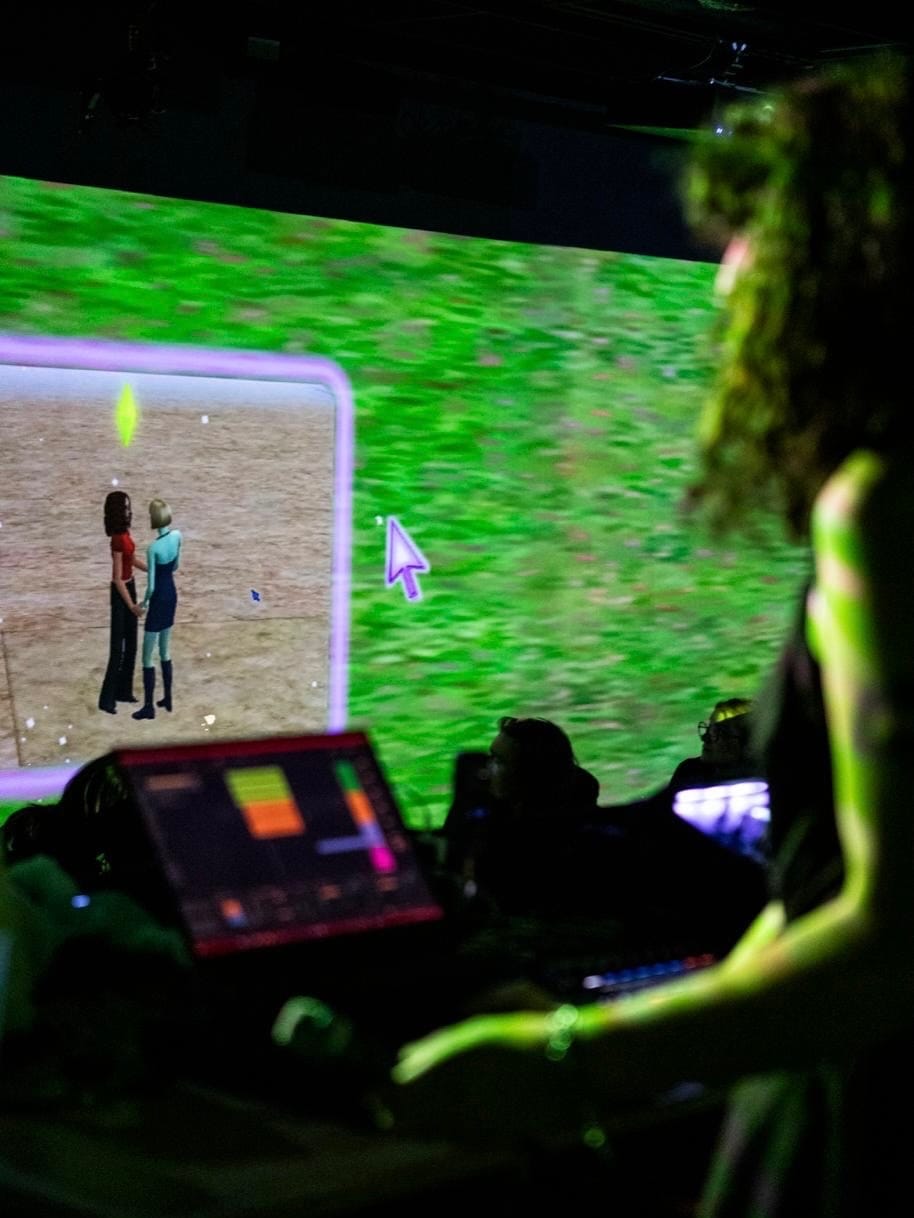
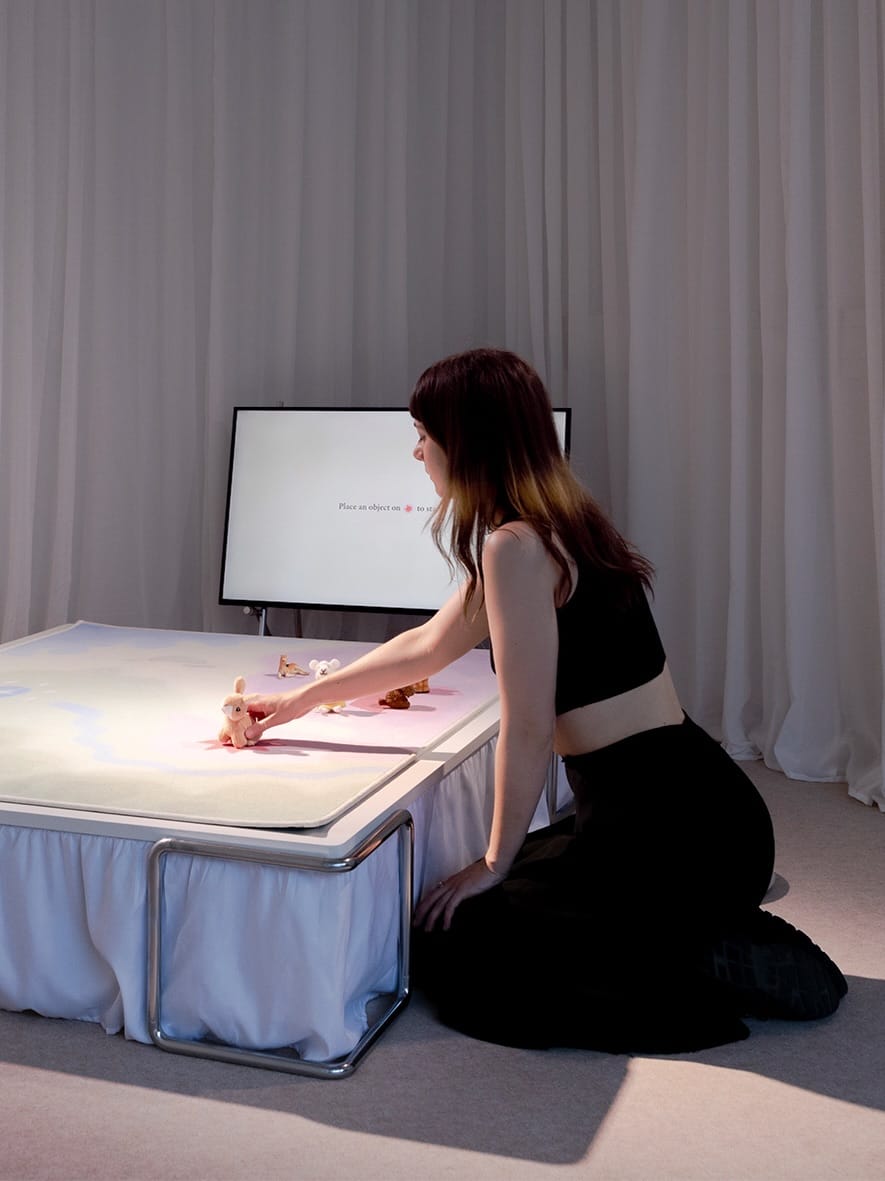
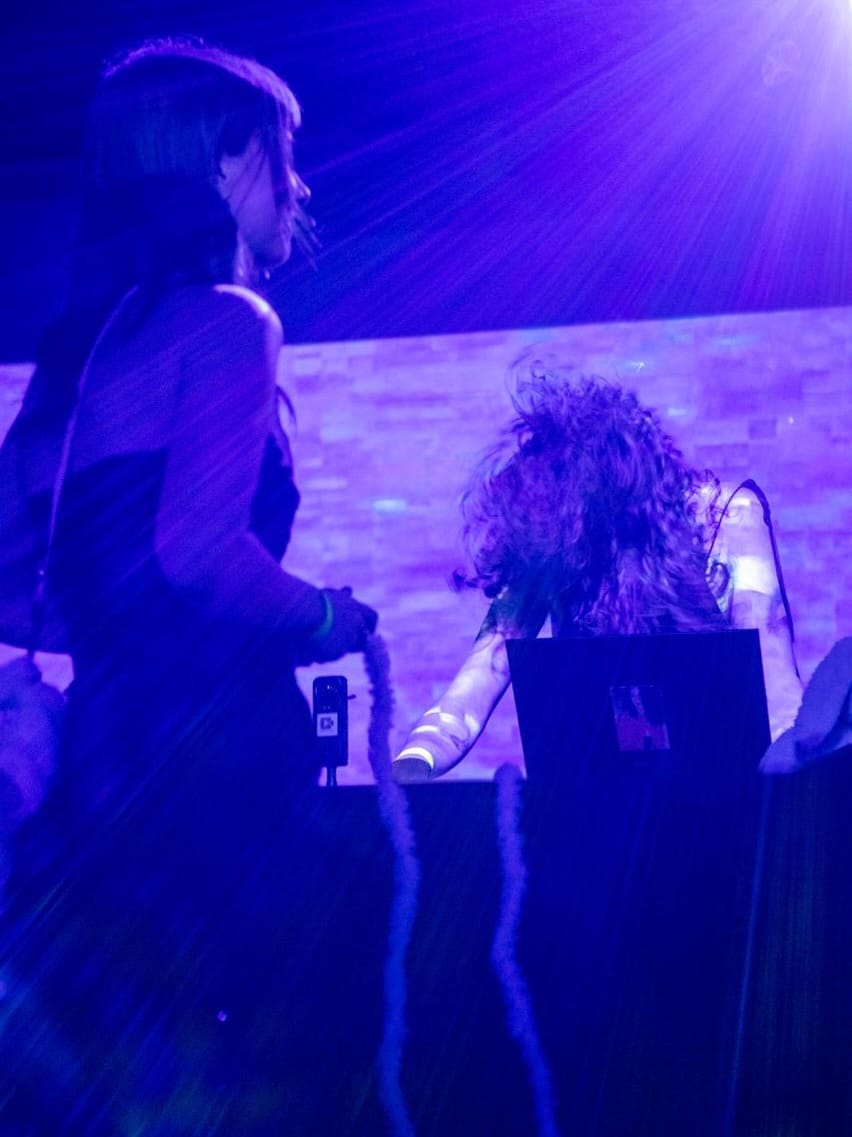
Images from the Clutch announcement. Via nowhere projects
Killscreen finds the games hiding in gallery basements and Neukölln weekends, the work almost nobody else covers. The free Radar newsletter keeps you up with the edges.