Game screens wind up in an altar and a copper girl in Arles
Anima Ludens hangs The Exit 8 beside contact Gonzo and Kenji Yanobe at Octobre Numérique,

- When
- Oct. 10 to Nov. 8, 2026, Tuesday to Sunday, 10 a.m. to 6 p.m.
- Where
- Chapelle des Trinitaires, 32 rue de la République, Arles
- Cost
- Free
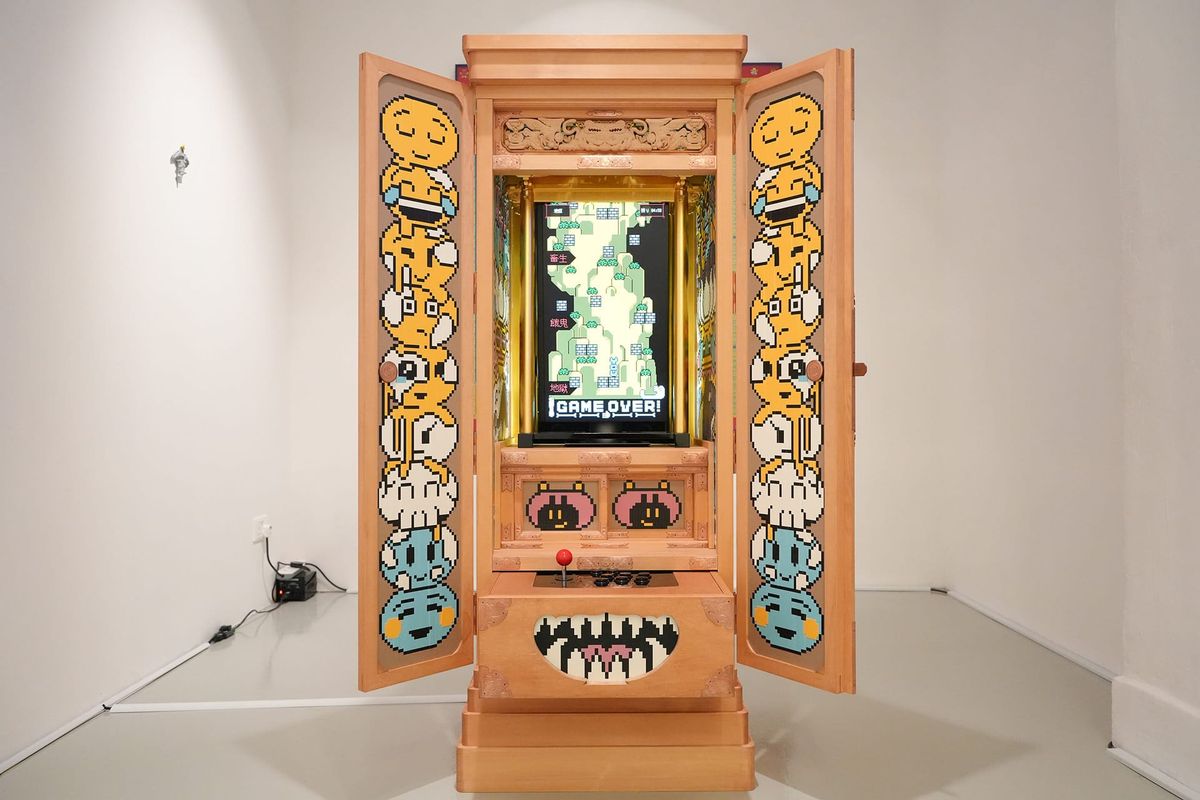
The show that opened Oct. 10 in an Arles chapel includes a Buddhist household altar with a game running on a screen at its center. Takakurakazuki's GAME OVER: BUTSUDAN GAME is one of 15 entries in Anima Ludens, the main exhibition of this year's Octobre Numérique festival, free at the Chapelle des Trinitaires through Nov. 8.
From the trailer for futurala's CultureHouse, one of the games in Anima Ludens. Watch the full trailer with sound on Steam.
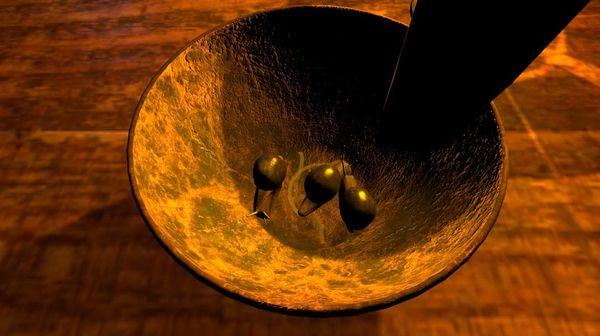
The Exit 8, KOTAKE CREATE's endless underground passage, is here. So is futurala's unreleased CultureHouse: seven days of growing strange organisms in a missing scientist's home lab. Beside them sit Fortune Assholer, a coin game from the performance unit contact Gonzo where the only body in play is your money sliding down a ramp; Kenji Yanobe's The Spaceship of SHIP'S CAT, a game cabinet conceived as sculpture; and Yoshihiro Takeuchi's Re:, a painted diptych crossing Abstract Expressionism with the first paddle-and-ball games.
In PRJ CÔGEIMU "ARE YOU THERE?", metalsmith Ryosuke Shiomi hammered a girl's head out of copper, game designer KamiEna and programmer Takeru Kaneko put a screen behind the eyes, and you play by warming the sculpture's cheeks.
Curators Daichi Nakagawa, Yasutaka Toyokawa and Vincent Moncho start from Johan Huizinga's Homo Ludens and ask who plays now that animals, microbes and AI learn by trial and repetition. "The magic circle is sometimes a zone to defend."
Nakagawa and Toyokawa also co-curated art bit #6: Game Playing Society in Kyoto, which we covered in September, and the organizers call Arles its counterpart. Kyoto refused to sort games and game art into separate rooms. Arles stops assuming the player is a person. The festival's announcement post carries the full list.
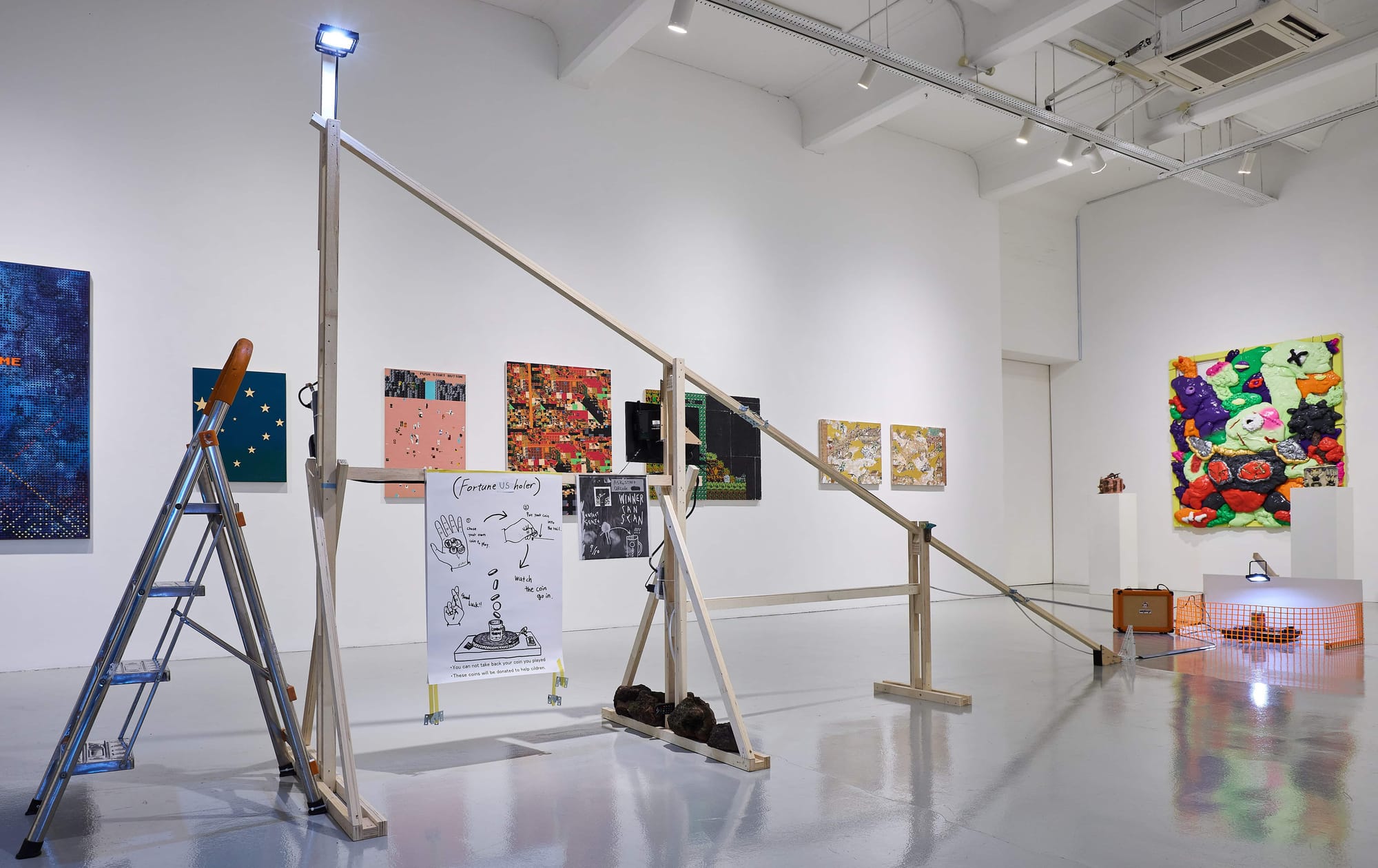
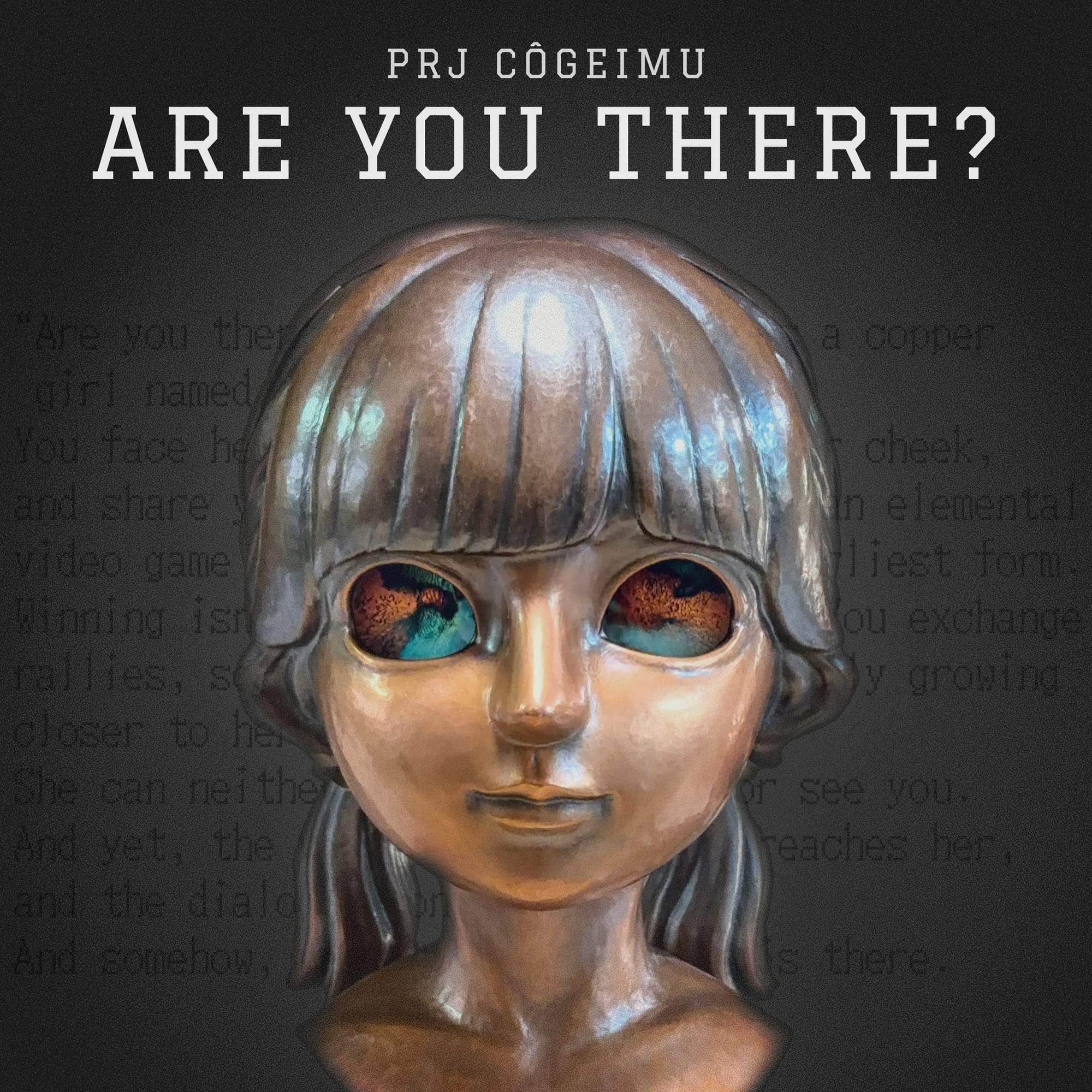
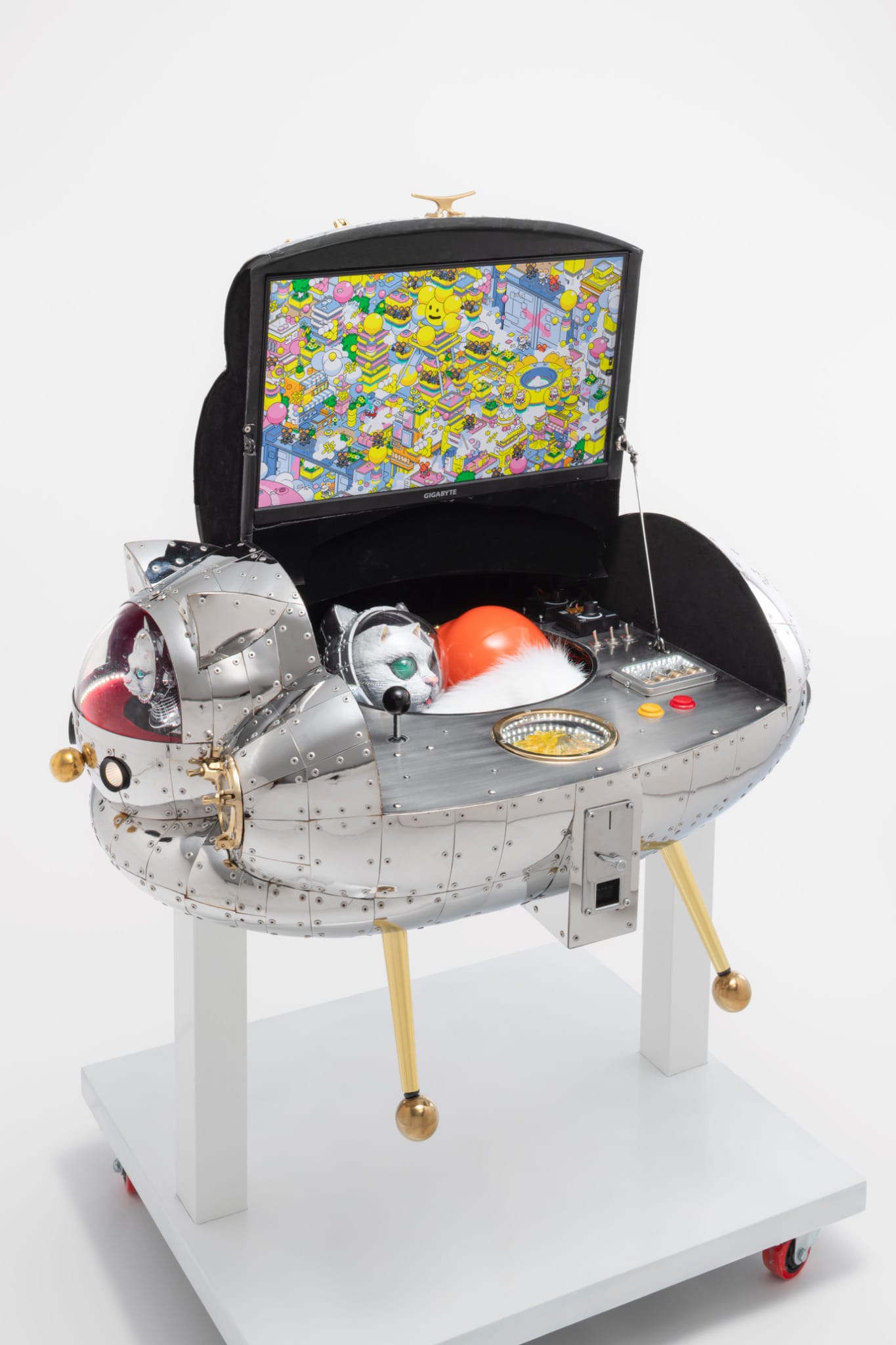
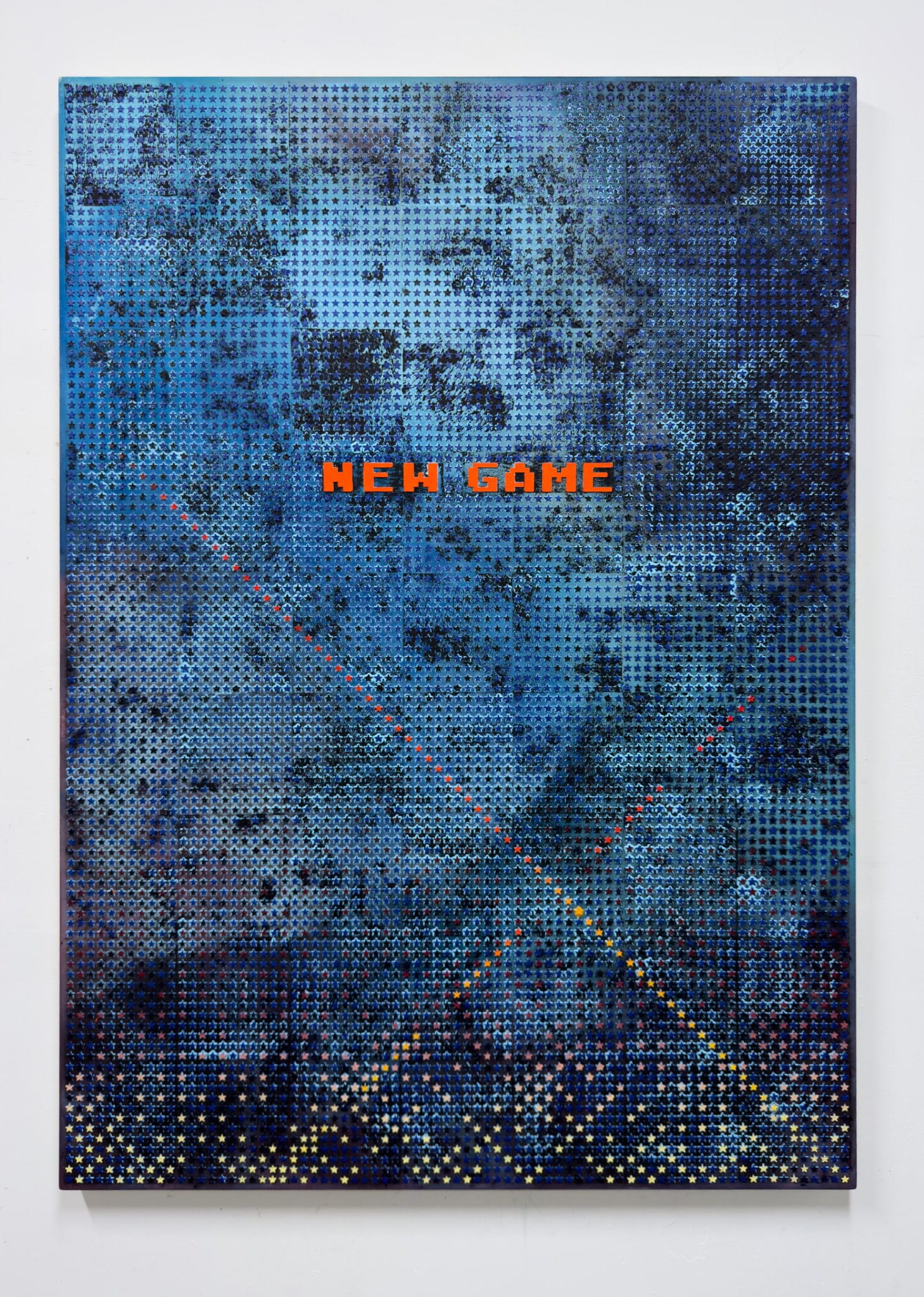
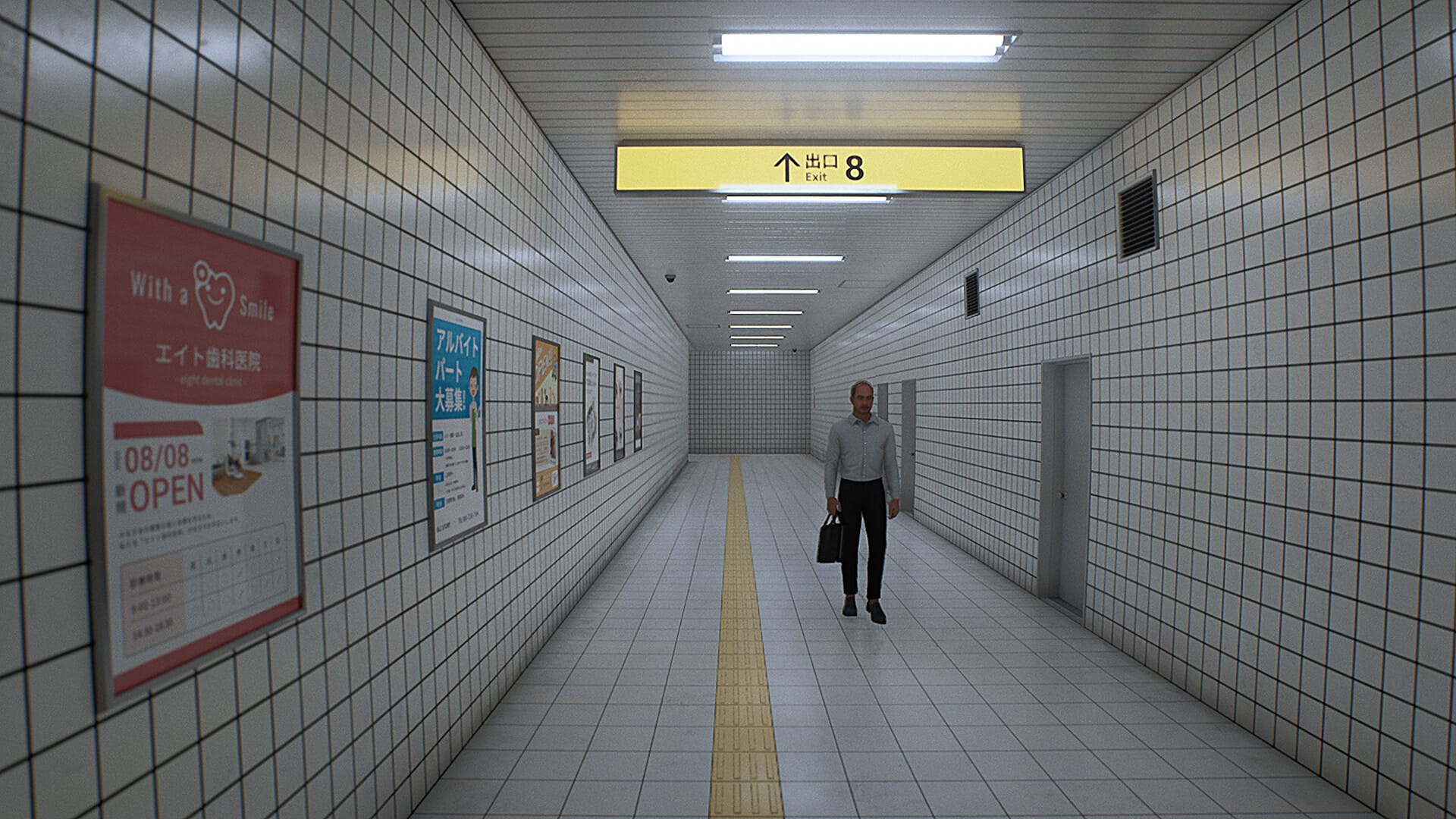
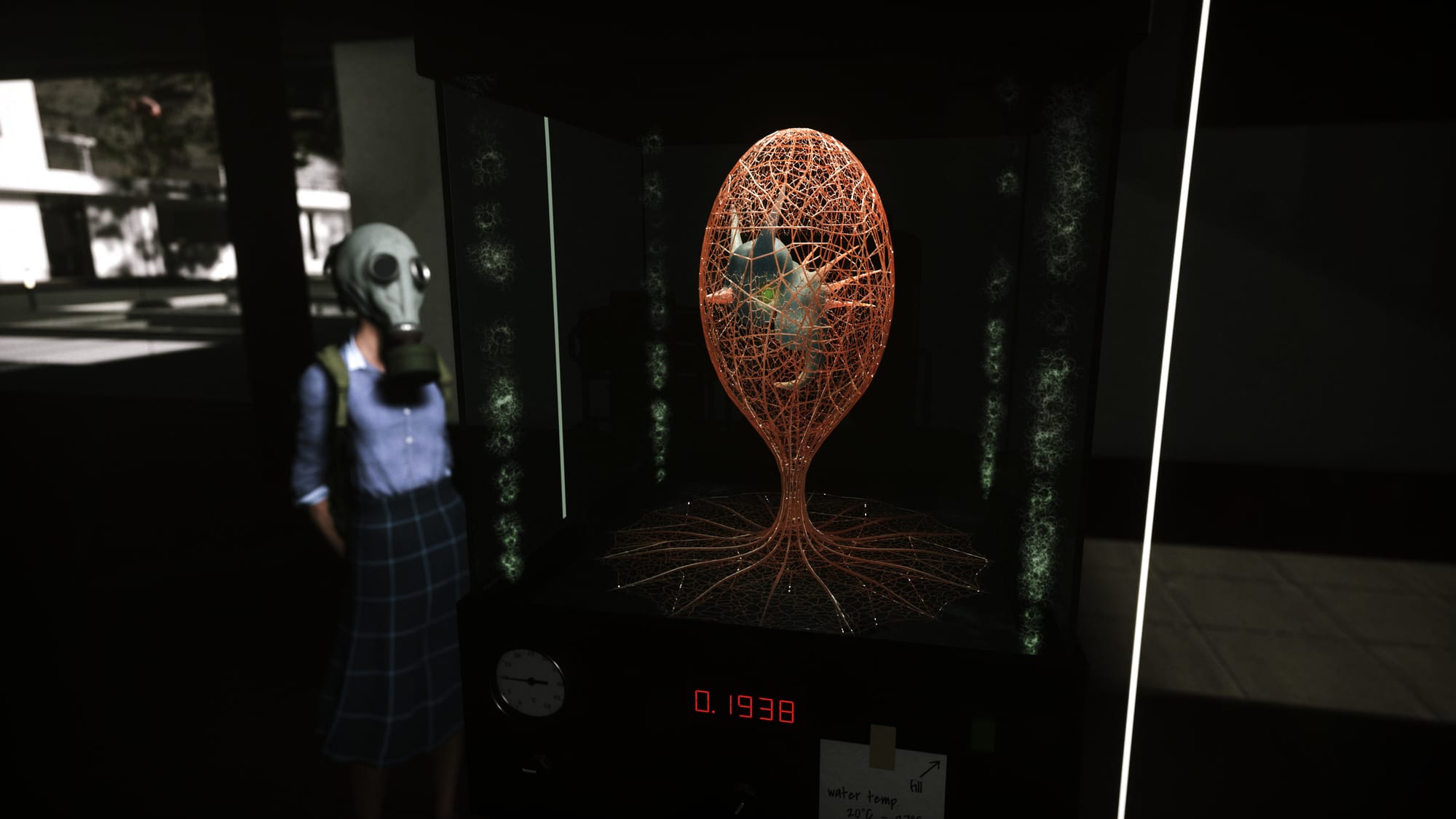
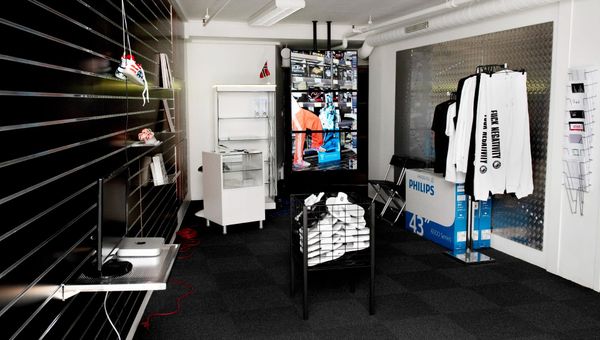
From Anima Ludens: contact Gonzo's Fortune Assholer; PRJ CÔGEIMU "ARE YOU THERE?" by Ryosuke Shiomi, KamiEna and Takeru Kaneko; Kenji Yanobe's The Spaceship of SHIP'S CAT (photo: Omote Nobutada; pixel art: BAN8KU); Yoshihiro Takeuchi's Re:; KOTAKE CREATE's The Exit 8; and futurala's key visual for the show. Images via Octobre Numérique.
Radar finds the rooms where games get hung as art and argued over, from a Kyoto hotel gallery to a chapel in Arles. It's free, and it lands in your inbox.