From Planet X to a Loveseat in Venice
Also: free kicks, subcutaneous projection, and hand-crafted pixels

Although I spent much of the early parts of the World Cup in Europe and attempted to stay up very late to watch Mexico and England (I gave up when the rain delay hit), I have been enjoying the knockout rounds tremendously, even if it has been a mostly European affair since the quarter-finals. One thing about watching a game with casual fans is that they always ask very funny, but sometimes insightful questions about soccer/football, such as: what's the deal with penalty kicks?
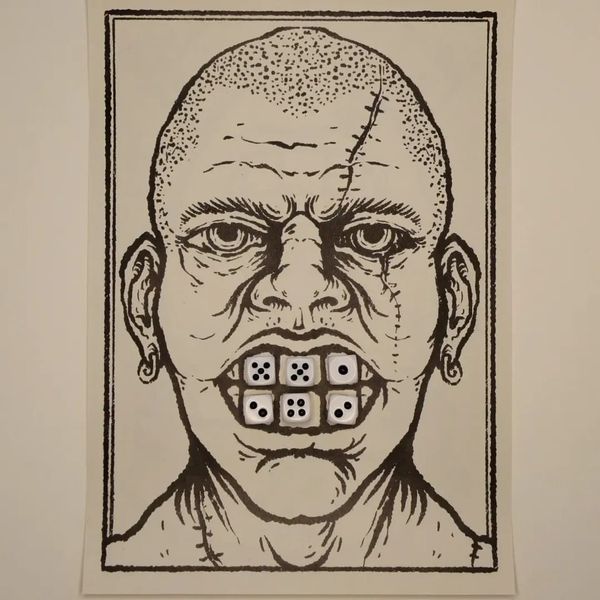
When you abstract the questions, it's a really good one. On the one hand, in a sport with an extreme degree of generativity, penalty kicks are relatively predictable. Estimates range between 70 percent and 80 percent conversion rates (although this World Cup has had the lowest conversion rates ever), but it's generally a predictable result in a game scaffolded by high variance, since so few goals are scored. In that way, penalty kicks represent a "sub-game" within the larger soccer ecosystem, with its own specific rules that do not appear elsewhere. (For example, goalies have to stay tethered to their line just before a penalty, but are free to do whatever they want for the rest of the game.) And the appeal for fans is that the feeling of jeopardy outweighs the mathematical reality, especially in an era of data analytics.
Please consider becoming supporting me to get access to my weekly Playlist recommendations and over 15 years of archives.
So then, why on earth is the endgame of soccer tied to something that is so unlike the rest of the sport? Other sports typically deal with some extension of the existing rules. Overtime simply elongates what is already happening, and sudden death (e.g., next X wins) ties a victory condition to a specific action in the game. Both endgame approaches build on the sport's existing framework.
From a design perspective, penalty kicks are interesting because they solve a genuine problem (soccer needs tiebreakers and needs a consequence for serious fouls in the box) using a mechanism that isn't really soccer. It replaces the continuous, emergent, team-based system with a duel: an isolated, turn-based, individual system. The rules essentially punt soccer into a different genre of game to generate an outcome. Whether that's elegant or a kind of category error is probably the most interesting critical question the design raises.
My proposed solutions, of course, are comedy. Given that penalty kicks simply do not reflect the overall system of soccer play, why not get weird with it? Every ten minutes, one of the following should happen:
- Remove a player
- Increase the size of the goal
- Add another ball
- Decrease the size of the pitch
Joking aside, I do think we can find a solution that is more befitting of the beautiful game than shoot-outs. What do you think we should do? Send me a reply!
Jocks v. Nerds (1974) decision notwithstanding, anyone who truly loves games should watch sports. I know I typically cover games, arts, and culture, but appreciating sports will absolutely deepen your understanding of play of all stripes.
The Teenage Fantasies of Nikima Jagudajev
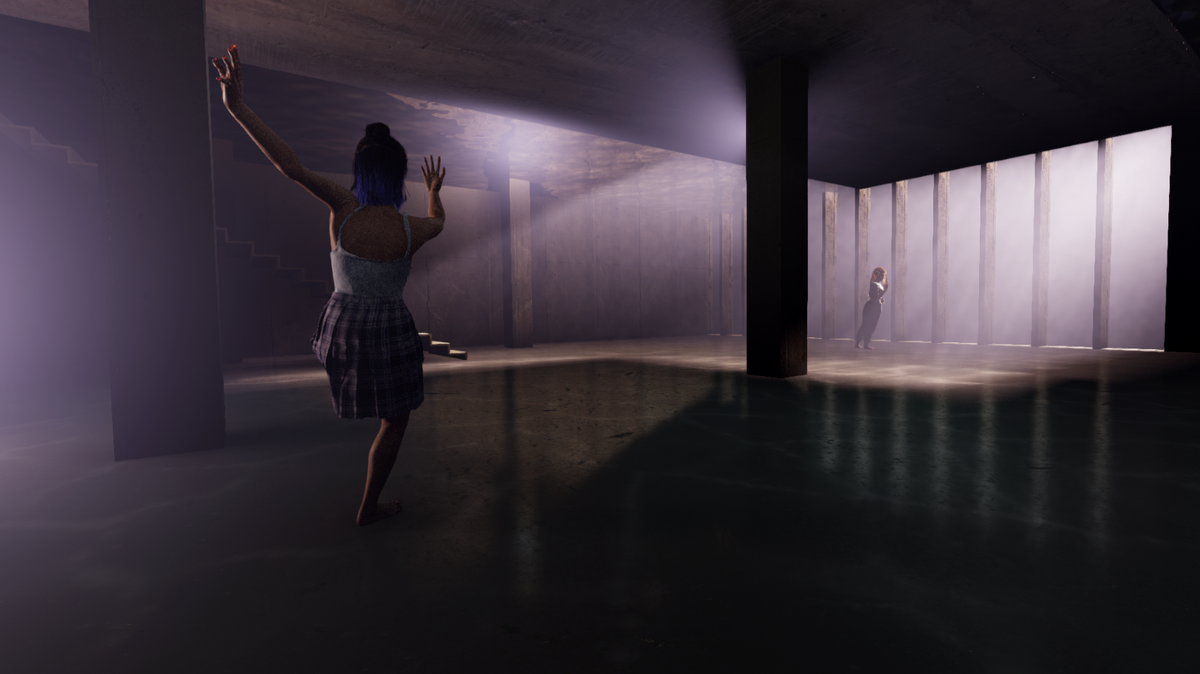
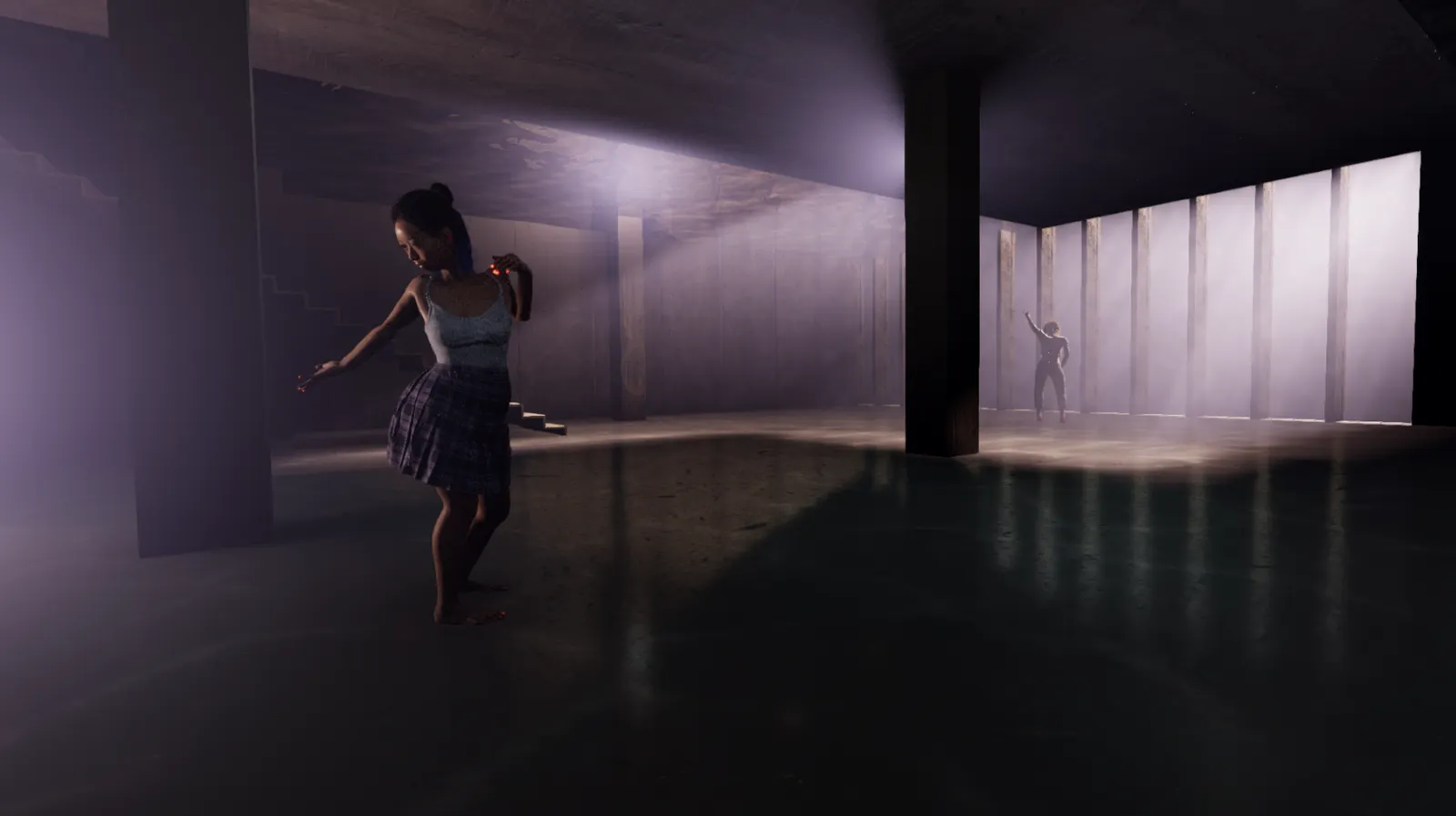
The Austrian-Uzbek artist and choreographer has always made worlds with their own rules—from a childhood fantasy game to LIKE, a video game built from years of live performance.
Rising is a series on game-makers on their way up.
Brussels-based artist and choreographer Nikima Jagudajev's journey to games pre-dated any of the typical signposts one associates with them. No trips to the arcade. No older sibling leaving a console in the den after leaving for college. No random YouTube videos. Instead, Nikima and their sister started their journey within their own minds, role-playing a fantastic universe called "Cool Girls.""We had to save the world from the Pluplots master who lived on Planet X," Jagudajev tells me. You see, the master was a monstrous figure who had taken over the lives of their childhood home of Portland, and it was the Jagudajevs' job to liberate them wherever they might be, on the bus or walking on the street. It was a bit of They Live, but through the eyes of children. "We had to protect humanity from the Plax people," Jagudajev remembers. Because, of course, you do. Before launching a career in performance, before making games, there were just two kids who decided the world needed different rules and decided to make them.
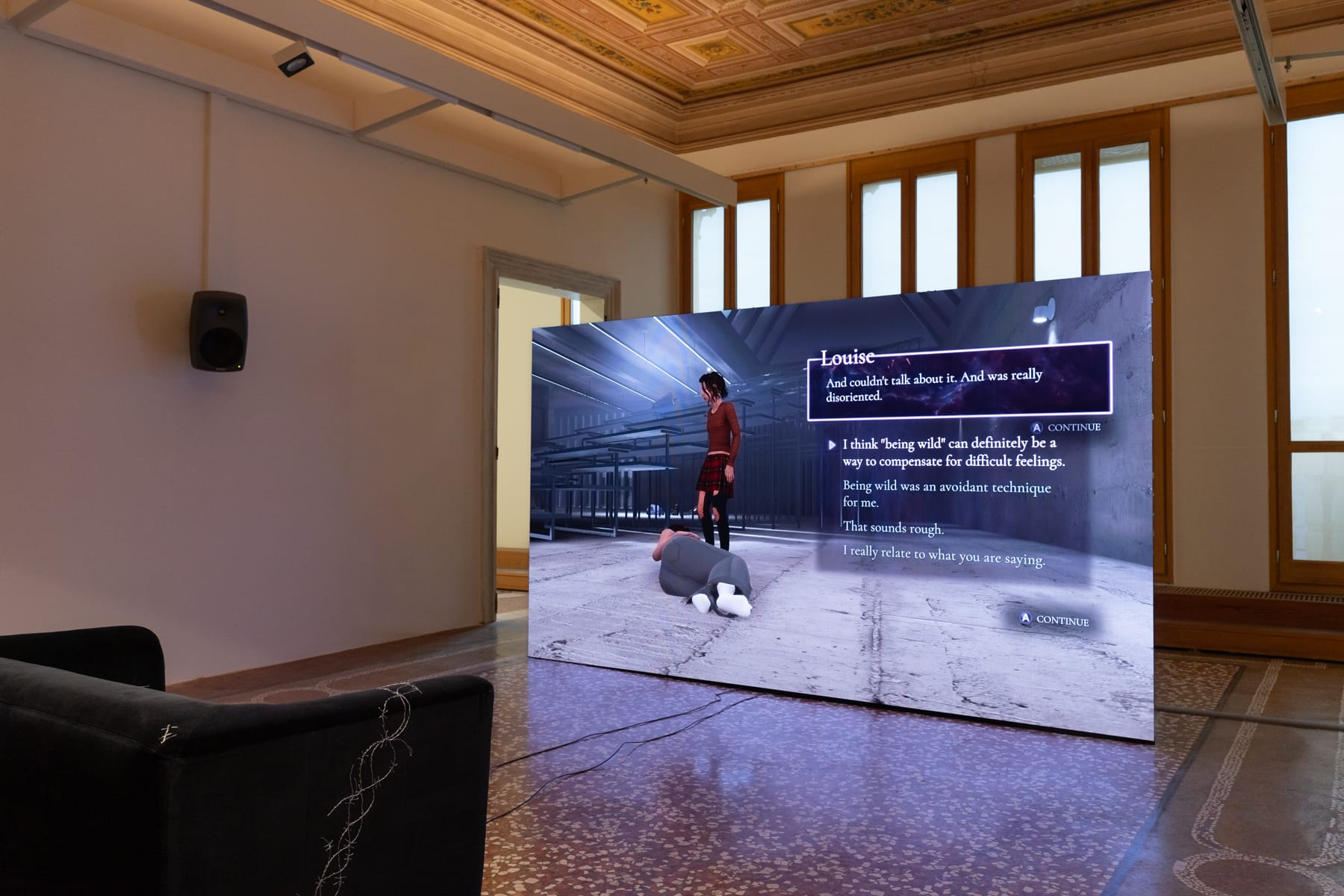
The improvisation of childhood blossomed into an interest in anthropology and sociology in college. The work of Dutch philosopher (and my personal fave) Johan Huizinga introduced the porous boundary of the "magic circle," the boundary between play and the real world, and provided a clever reframing of those childhood adventures. But Huizinga and others also gave Jagudajev connective tissue between play as a community practice and their own family of origin. "I was thinking a lot about how creating your own game creates a context for yourself and others," they explain, reflecting on the context surrounding their early dalliances with play. "Coming from a dysfunctional family context, games allow you to execute empowerment."
SPANDREL
On the radar
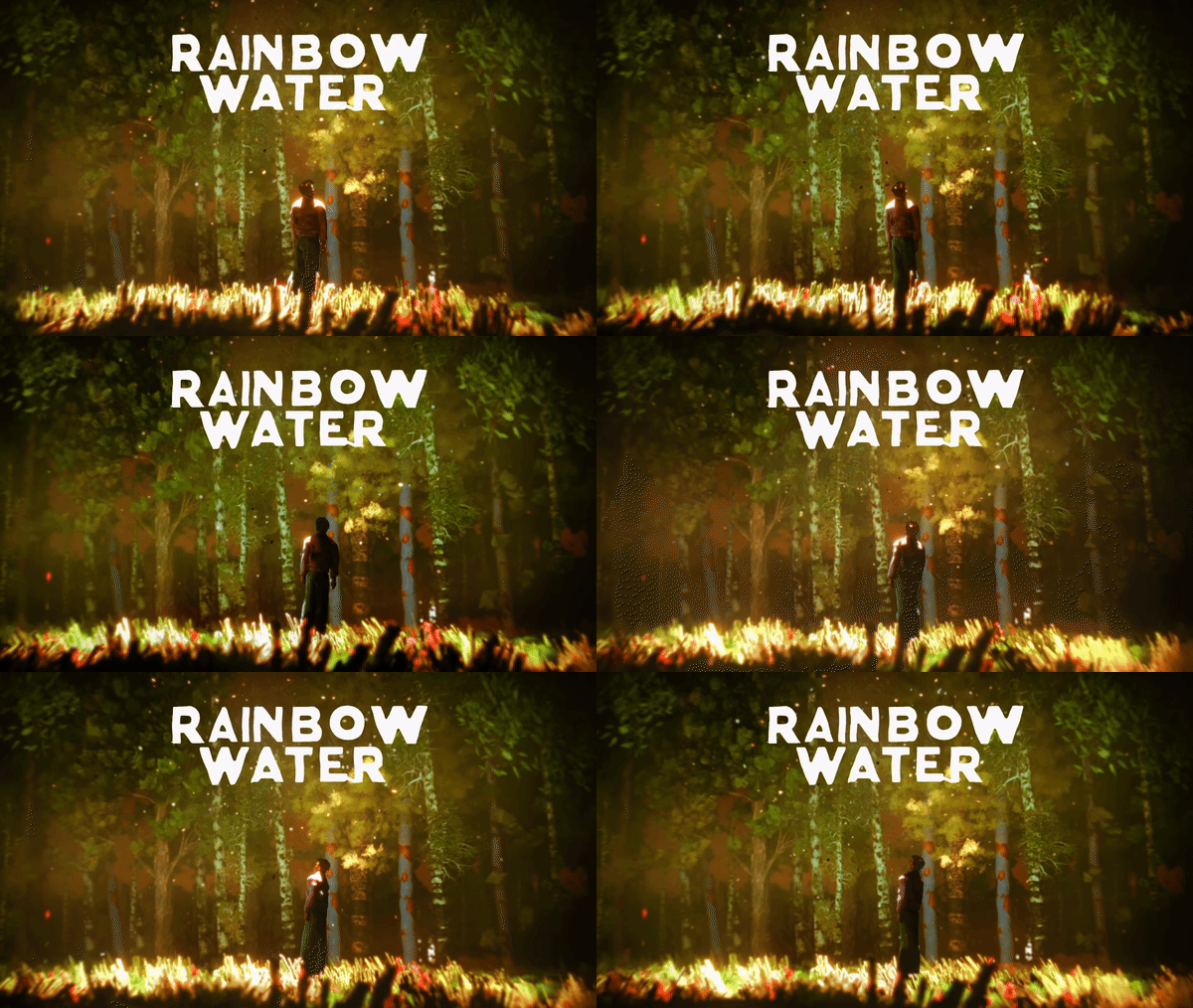
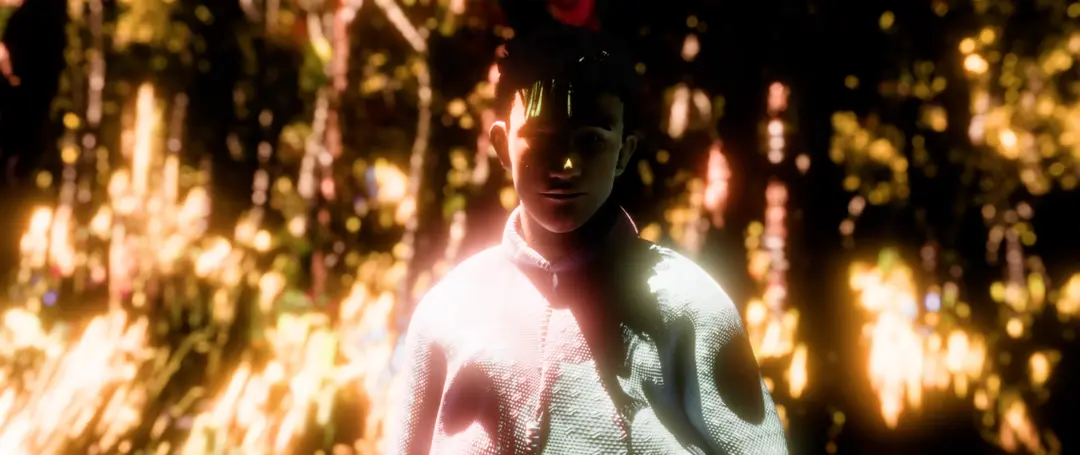
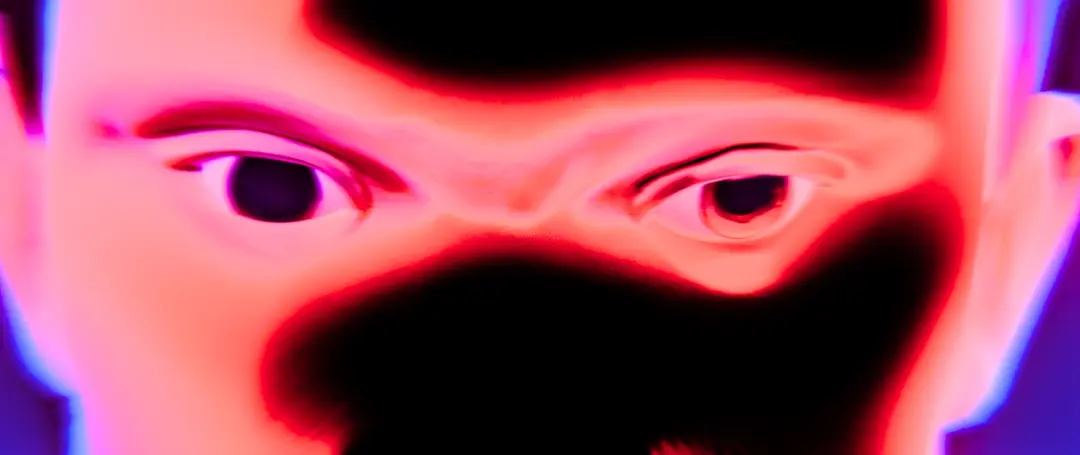
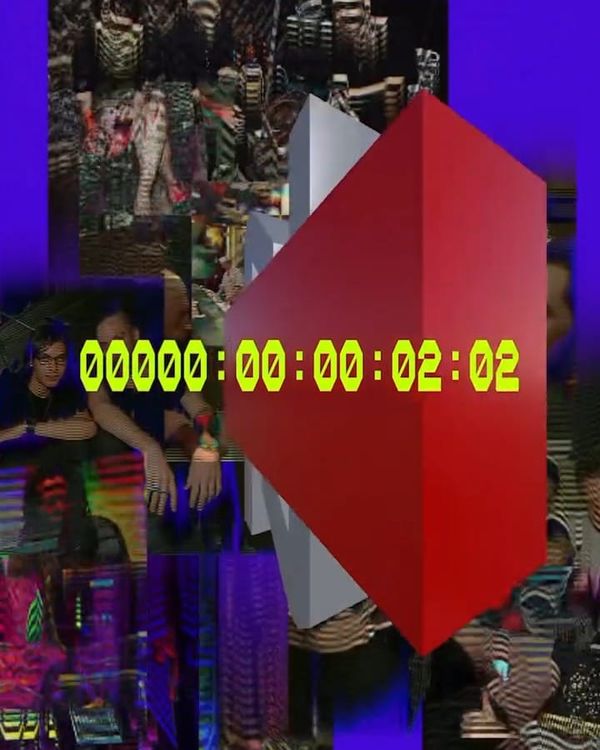
Will Freudenheim and Jack Wedge met back in middle school band about 15 years ago. "We were both playing the French horn, and I was the worst player, and Will was the best player," Wedge said. Since then, they've collaborated with musicians like Megan Thee Stallion and Perfume Genius while making shorts for adult swim and MTV. I had actually encountered their real-time autonomous AI simulation game Schema, when I was researching for this interview for Sahej Rahal.
In May, the duo announced a new short film with production company Hornet: "a blend of memoir, ecological defense, and science fiction" which was inspired by the true story of Wedge's grandparents. In the 1940s, the elder Wedge started at a well-drilling company, and during a reconnaissance mission to find a pre-glacial river, he met his future wife, a nurse named Mary. The work is listed as environmental story-telling, so TBD if there will be a strong interactive component. -JW
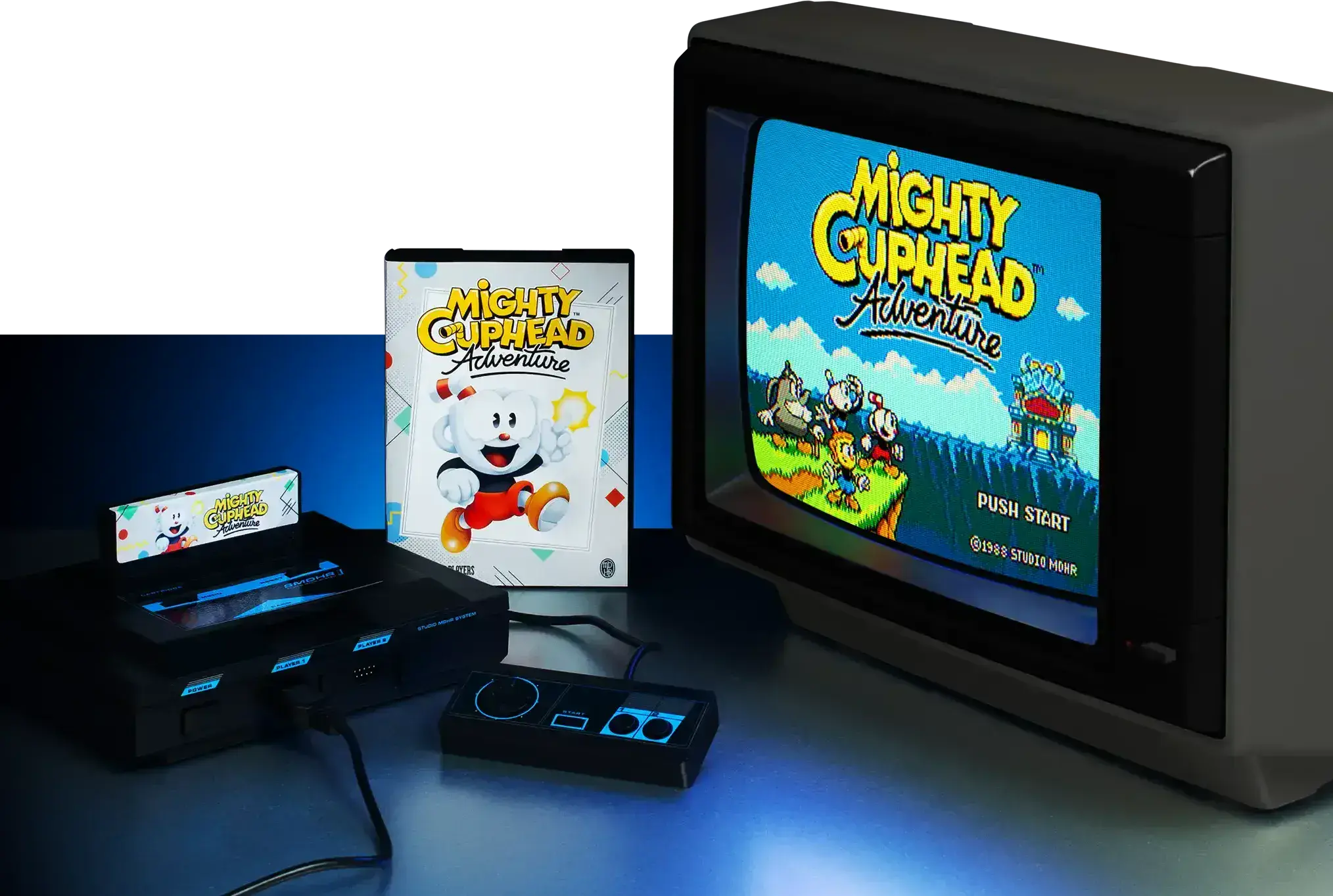
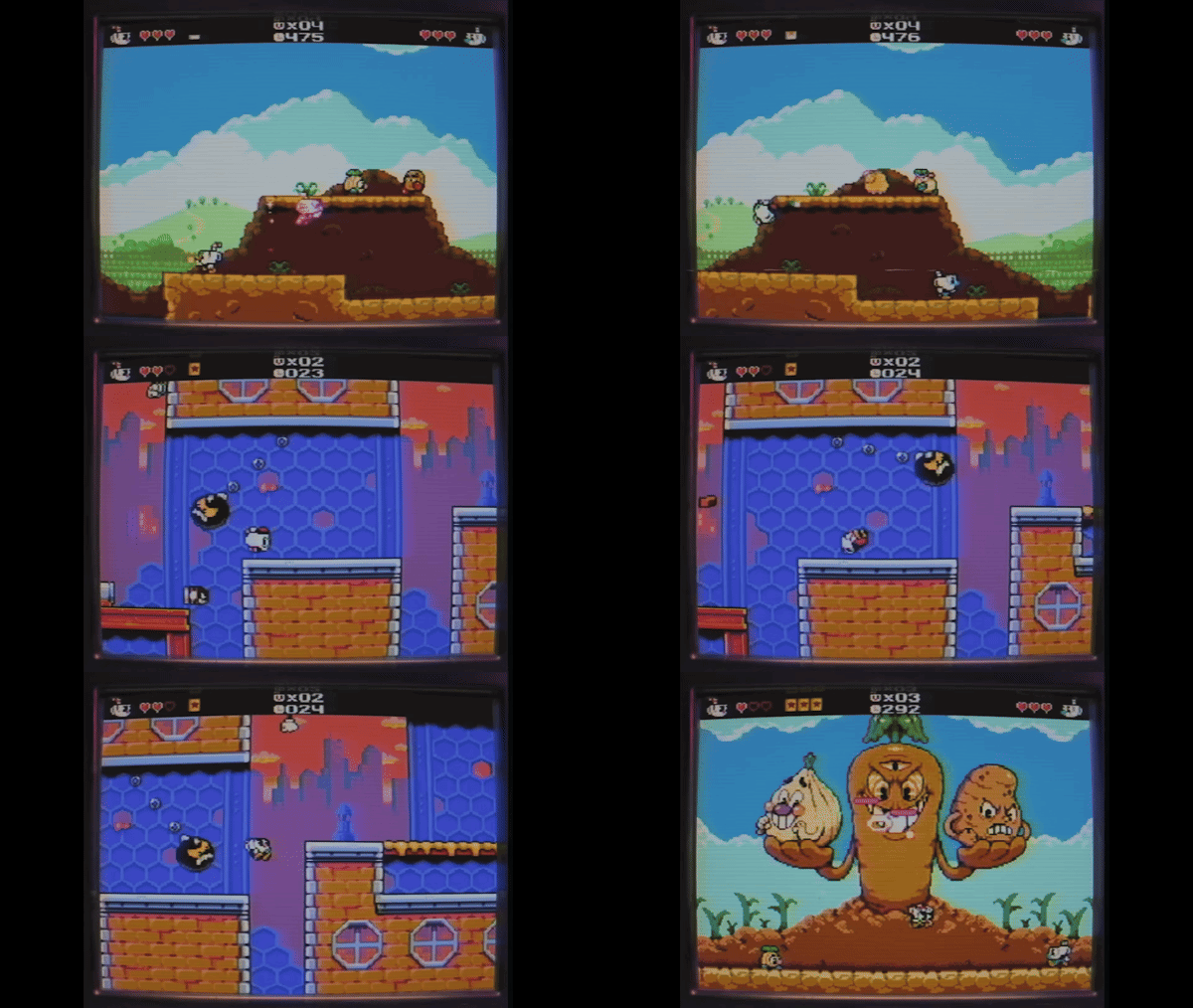
I have a complicated relationship with nostalgia. On the one hand, reflecting on the past is a worthwhile pursuit, and it is precisely because I played games during my childhood and college days that I love the medium. On the other hand, I have found games' nostalgia fetish cloying and juvenile. So whether nostalgia merits my attention is really stochastic.
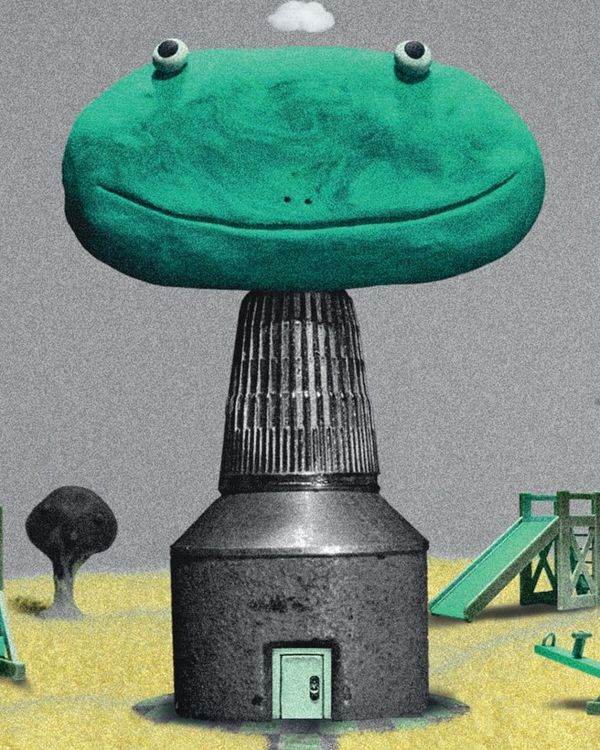
I first encountered Studio MDHR's work more than ten years ago at an Xbox Showcase, and found their attention to animated detail absolutely captivating. Hand-drawn frames pulled from the Golden Age of animation were absolute catnip for me—a salve as I struggled through the legendary difficulty of the game. After a long hiatus from game-making dotted with a Netflix animated series and graphic novels with Dark Horse, the Moldenhauer family is back with Mighty Cuphead Adventure, a love letter to the Sega Master System. In fact, it is ostensibly such an authentic recreation that it'll be released a physical cartridge for anyone who has an SMS at their parents (or at least grabbed one of Analogue's Mega SGs.) -JW

While at the after-party at the DEMO Festival, I met a Japanese artist named Goki Muramoto who was enthusiastically promoting his new show at Waheed Nguyen, just about a 10-block walk away. I had to head home before it closed, but I regret not stopping by. In his first US exhibition, titled Eyes Half Open, which just closed, Muramoto presents a set of works that play with what it is we do when we see. There's Lived Montage, glasses that share a cinematic vision among participants, and Training Wheels, lenses formed from written instructions and polished brass rings. But Imagraph (above) stands out.
Imagraph is an optical apparatus that actually projects video through your eyelids. There are two LED displays with optical fibers for each pixel, placed over your closed eyes, and the participant manually adjusts the color to account for everyone's unique blood-red skin hue. The final projection feels like something directly from your subconscious. Wild stuff!
Hyphen
Intersections at Play
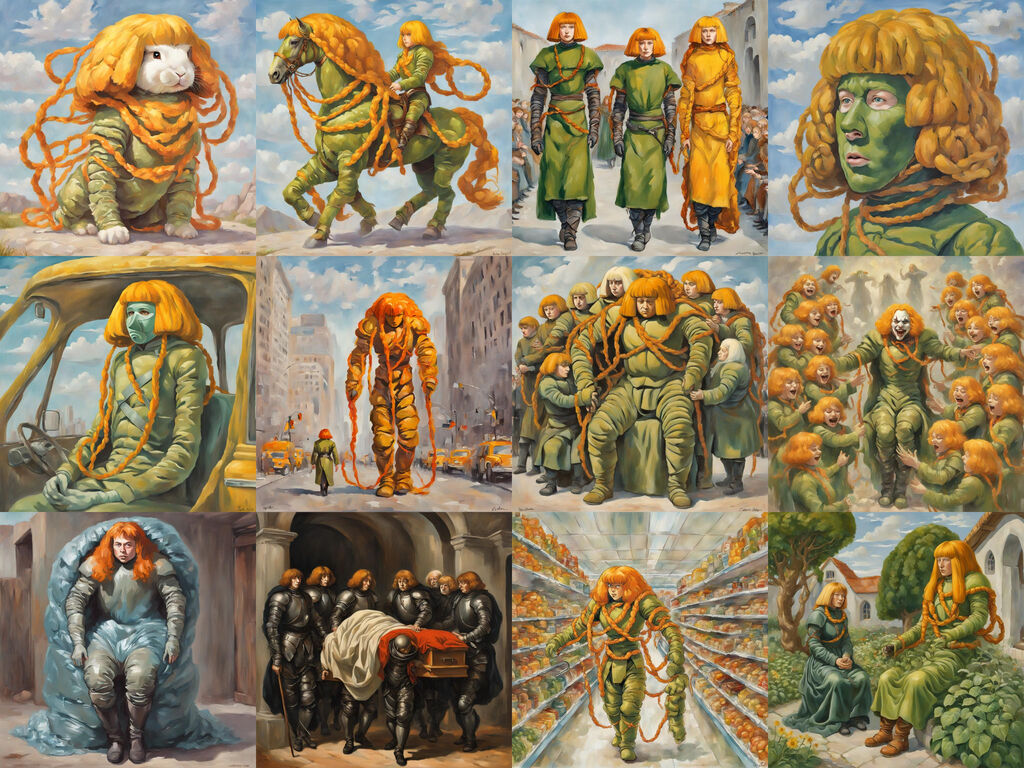
It's probably every other week that I run into someone who knows only a bit about games and probably even less about AI, who says things like "Well, of course, in the future AI will just be making games, right?" I have yet to see this happen, but of course, I am interested in AI as a tool that engenders new forms of games and game-based art. The public might be interested, but for gamers, this is an absolute and complete non-starter, so much so that some game platforms have feckless "AI labels" to warn customers that somewhere someone might have used AI. To me, these moralizing precautions elide the most fundamental question: Is it any good?
I enjoyed Max Read's conversation with artists Holly Herndon and Trevor Paglen in Totei, who aren't game-makers, but offer a perspective on using AI that I hope worms into game-making spaces. "I reject the notion that you can’t be critical and problem-solving at the same time. I think both Trevor’s practice and ours are looking at infrastructure in a really deep way," Herdon argues.
 Interviewed by Max ReadPhotographed by Nikita Teryoshin, OK McCausland
Both artists are experimenting with building their own models, but more importantly, exploring how their work is moving more and more upstream into the engines of production itself. For example, Herndon and Mat Dryhurst trained an AI choral-singing model on 15 community choirs across England and then created space for the public to see how models were used and a legal framework to protect the contributors. "A lot of people will have just interacted with [AI image and music generators] Midjourney or Suno and in case it’s not clear, that’s not what Trevor and I are doing,” Herndon says.
It's a great interview that covers both critique and possibility.
From the Vault
It felt like such a coup almost 15 years ago when writer and curator Nora N. Khan agreed to write something on disgust, empathy, and the game boss as spectacle. Khan subsequently became the long-time editor at Rhizome, guest-edited HOLO, and taught at UCLA and SCI-ARC, so I feel like it would be impossible to get her to do the work she does now. I'd argue that this essay covers so much of the territory from the No Fun issue in that it is also unpleasant to read through the horrifying back stories of so many different game villains. But through it, through putrid stench and moral revulsion, we learn something about how we think of ourselves as human:
Three years ago, on a dark August afternoon, I sat at my desk in Iowa City, looking with interest out the window at a coming storm. Sides of cardboard boxes and class handouts were carried across the street on a warm wind, skimmed off the recycling bins next door. Not a truck or human was on the road.
Then: the lift of the air siren, by the railroad, hurling its horrific caul over the town as it signaled an approaching tornado. The alarm, which I would hear intermittently over the next two years, is a milder version of the London Blitz air-raid siren; and yet its penetrating wail transformed the landscape into a Salgado portrait. I saw mass exodus, plagues, fires, and desolation across the fields; I saw nuclear fallout, I saw apocalypse laying waste. A few months later, I’d hide in my bathroom at two in the morning during another tornado alarm, futilely banging at my cell-phone keypad to let people know where I’d bunkered down. When the siren started up, I found myself praying for the first time in years, for myself, I’d guess, and maybe a bit for the fate of humankind.
At the time, I had just watched the film Silent Hill, a decent rendering of a number of the games. This was my first month in Iowa City, and I was disoriented by my move to the Midwest, compounded by a perpetual lack of sleep. I now suspect my aural memory has fused the tornado alarm with the Siren of Silent Hill, which, like a future prayer call by a mechanical Imam, pulls the abandoned town into the Otherworld. In the first game, the Siren is grainy, like a police or ambulance siren; in 2, the sound is pitched higher, into a long, full register of terror.
When the Siren sounds, out rise the ghouls and demons of the community: an army of twitchy, stunted, blinded humans that jerk about in crazed, thrusting erotic dances. Where my disgust for Nine-Toes can be cleanly isolated and concentrated on his frame, I am not always sure what I am feeling while playing Silent Hill. It is an unusual, powerful game because “the disgusting” is the very material of atmosphere, couched in the history of each character. The disgusting details are not vague or elusive; instead, they form a moral framework.
One to Watch
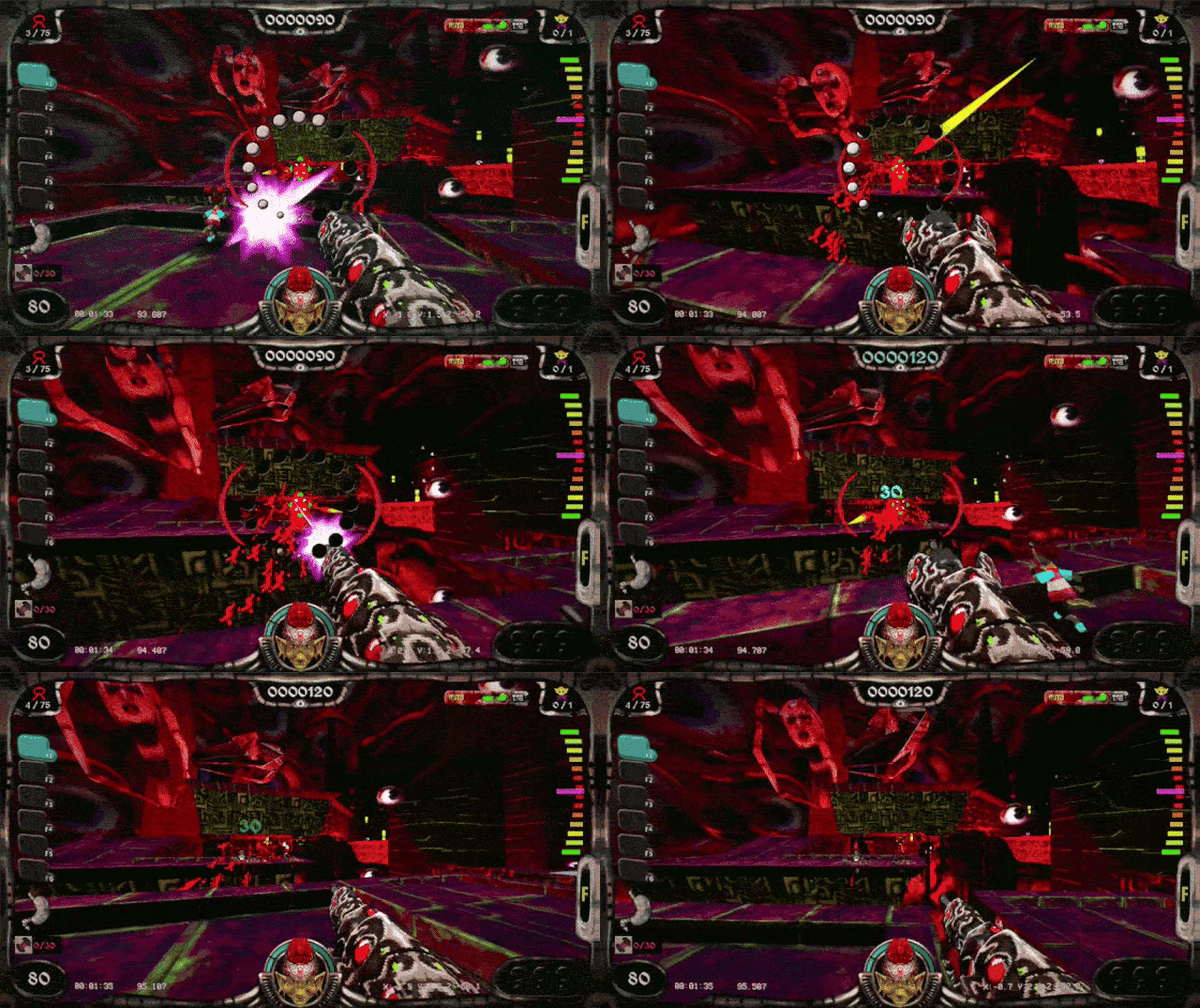
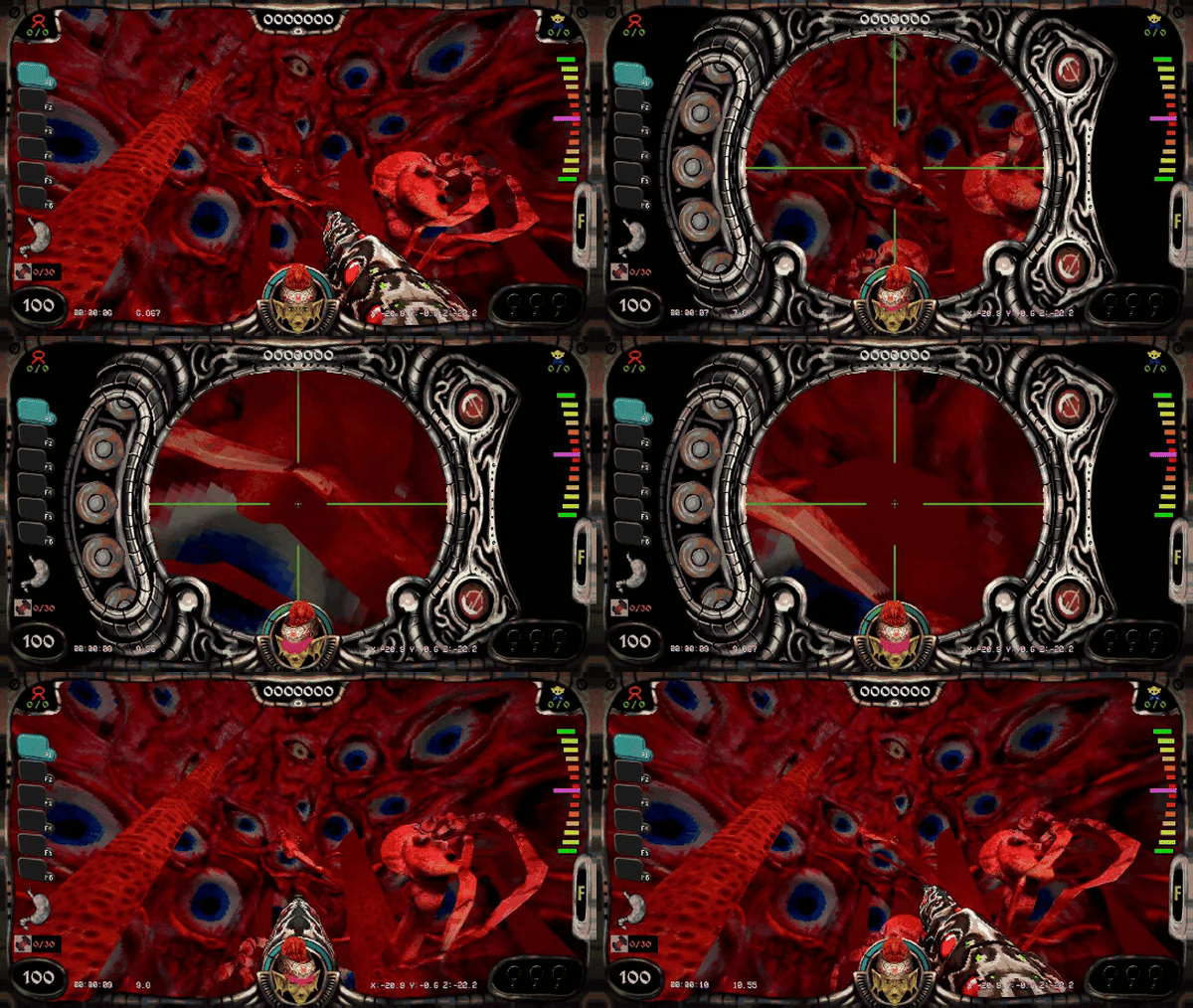
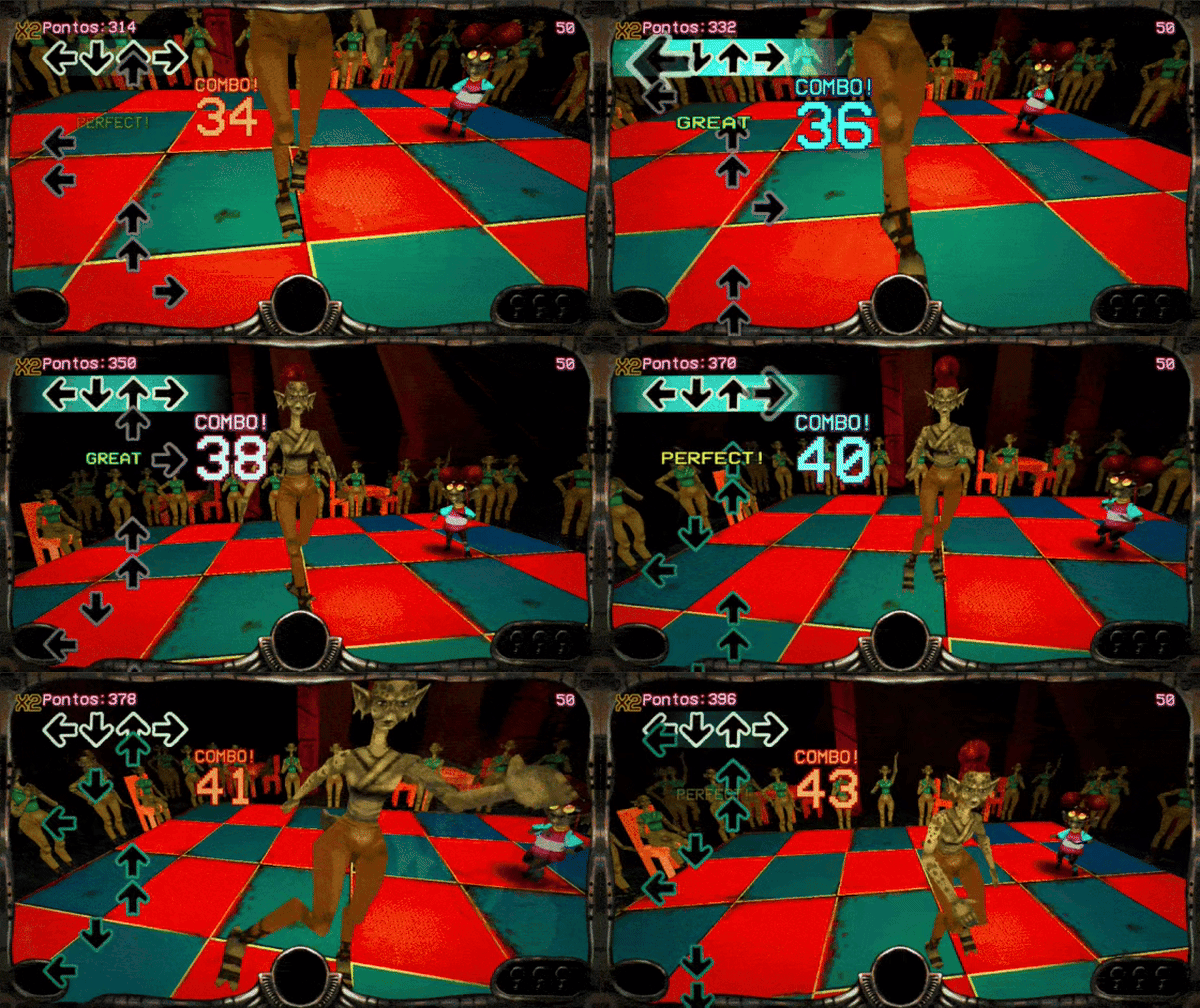
VAL'TY is an exceptionally abrasive shooter from Brazilian game designer Vikintor who also creates "erotic art [...] cold porcelain miniatures, zines, music, and paintings." Self-described as "esoteric punk," VAL'TY follows a ranger of the same name who's tasked with destroying a powerful corporation, but also, her daughter is on break, so she's tagging along. There appears to be dancing as well.
Run-Ons
Dayglow platformer Kami Quest gets a demo. Here's a sharp charcoal animation experiment. Cezar Mocan's End of Signal wins the SOLO AI '25 award. There is a Death Stranding script. Gil Lawson's goblinAmerica also has a demo.