The Teenage Fantasies of Nikima Jagudajev
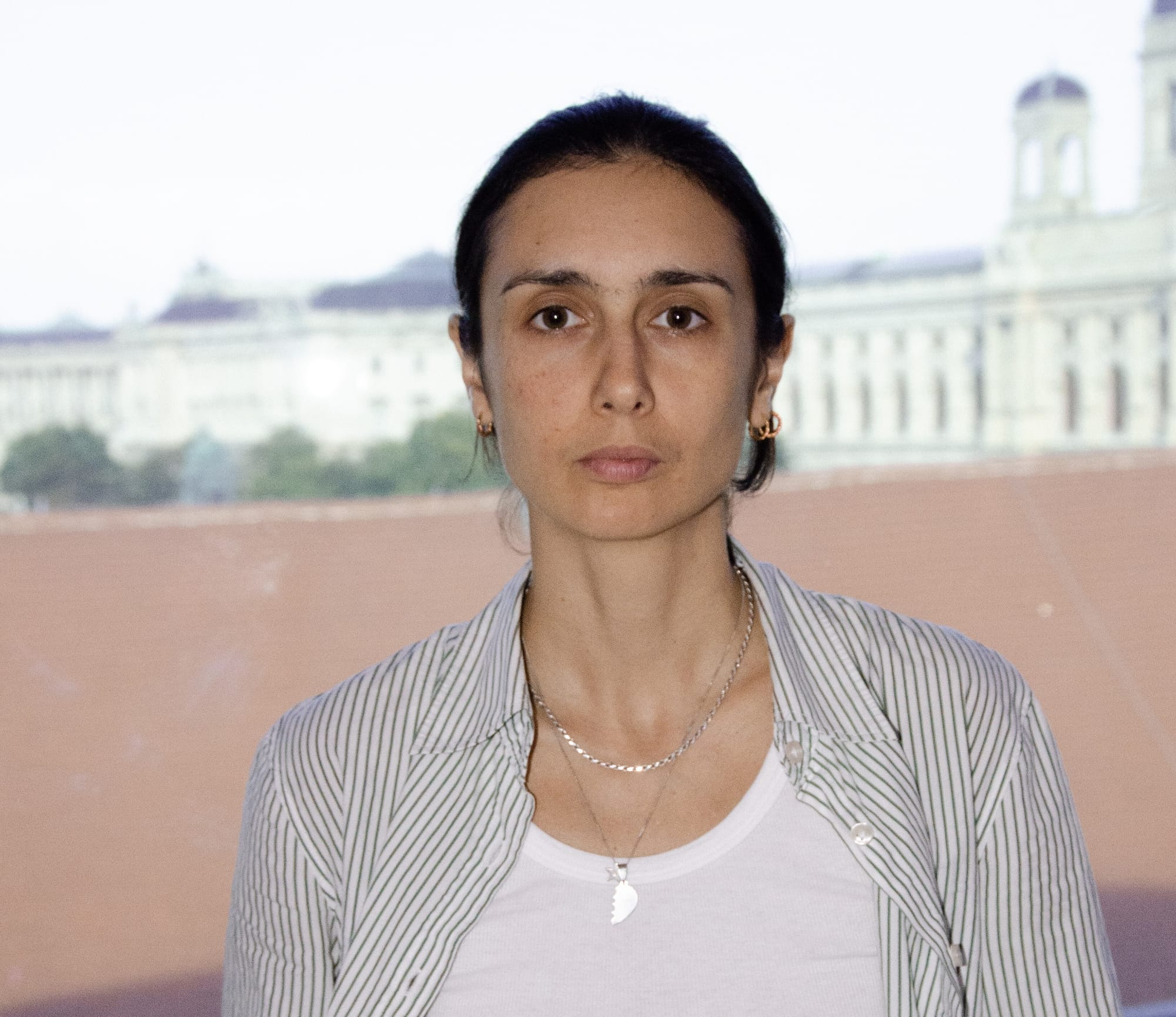
The Austrian-Uzbek artist and choreographer has always made worlds with their own rules—from a childhood fantasy game to Like, a video game built from years of live performance.

Rising is a series on game-makers on their way up.
Brussels-based artist and choreographer Nikima Jagudajev's journey to games pre-dated any of the typical signposts one associates with them. No trips to the arcade. No older sibling leaving a console in the den after leaving for college. No random YouTube videos. Instead, Nikima and their sister started their journey within their own minds, role-playing a fantastic universe called "Cool Girls."
"We had to save the world from the Pluplots master who lived on Planet X," Jagudajev tells me. You see, the master was a monstrous figure who had taken over the lives of their childhood home of Portland, and it was the Jagudajevs' job to liberate them wherever they might be, on the bus or walking on the street. It was a bit of They Live, but through the eyes of children. "We had to protect humanity from the Plax people," Jagudajev remembers. Because, of course, you do. Before launching a career in performance, before making games, there were just two kids who decided the world needed different rules and decided to make them.
The improvisation of childhood blossomed into an interest in anthropology and sociology in college. The work of Dutch philosopher (and my personal fave) Johan Huizinga introduced the porous boundary of the "magic circle," the boundary between play and the real world, and provided a clever reframing of those childhood adventures. But Huizinga and others also gave Jagudajev connective tissue between play as a community practice and their own family of origin. "I was thinking a lot about how creating your own game creates a context for yourself and others," they explain, reflecting on the context surrounding their early dalliances with play. "Coming from a dysfunctional family context, games allow you to execute empowerment."
All of theory, and practice came together with Basically, an ongoing live project that's part production and part playground that centers around fictional interactions of high school students. Jagudajev became interested in the miniature protests of high school. like burn books, carved initials, and locker decorations. and came to title those improvised rebellions "re-schooling." The ability to "fuck around inside of an institution" was an excellent way to describe their own interactions with museums and performance spaces, and Basically exhibits a feral, unpredictable teenage mood. While the performances shift as it's moved from Austria to Italy, the work always starts with a routine called "Walk in the Park", in which a set of dancer-performers pass arm in arm and sit next to each other. Then, visitors enter the performance and pull a card that imbues them with a role (Seam Ripper for a clothing designer, Creatix for a designer, etc.), which animates how they view the rest of their time in the space.
The performers hold hands and chat. They converse with visitors, draw tarot, adjust their lipstick, and change clothes. And somewhere, there is a three-ring binder, a homework assignment of sorts, that contains all the rules that bind the characters together."You get to know the rules as a visitor just by being there, spending time there, and being invited into these subtle interactions," Jagudajev reflects. And now they've building those performances into a video-game work called Like.
One word that never comes up in our conversation is live-action role-play, which shares a similar theatrical and rules context with Basically, although LARPs are typically not observed by an audience. Unlike LARP's lineage, which draws more from the mechanical wargaming roots of role-playing games, Jagudajev's work, like the practices of Theo Triantafyllidis, Patrick Blenkarn and Milton Lim, Symoné, and others, points to an alternate history of role-playing games. It's a lineage that derives from the "performative turn" of the 1960s, which transitioned the arts away from just static representation. I think of it as convergent evolution, where both the experimental tradition, particularly of Nordic-style LARPs, arrive at the same set of practices as an artist like Jagudajev. "A huge part of my work is the relationship with the visitor," Jagudajev notes, even though they haven't done stage work in years.
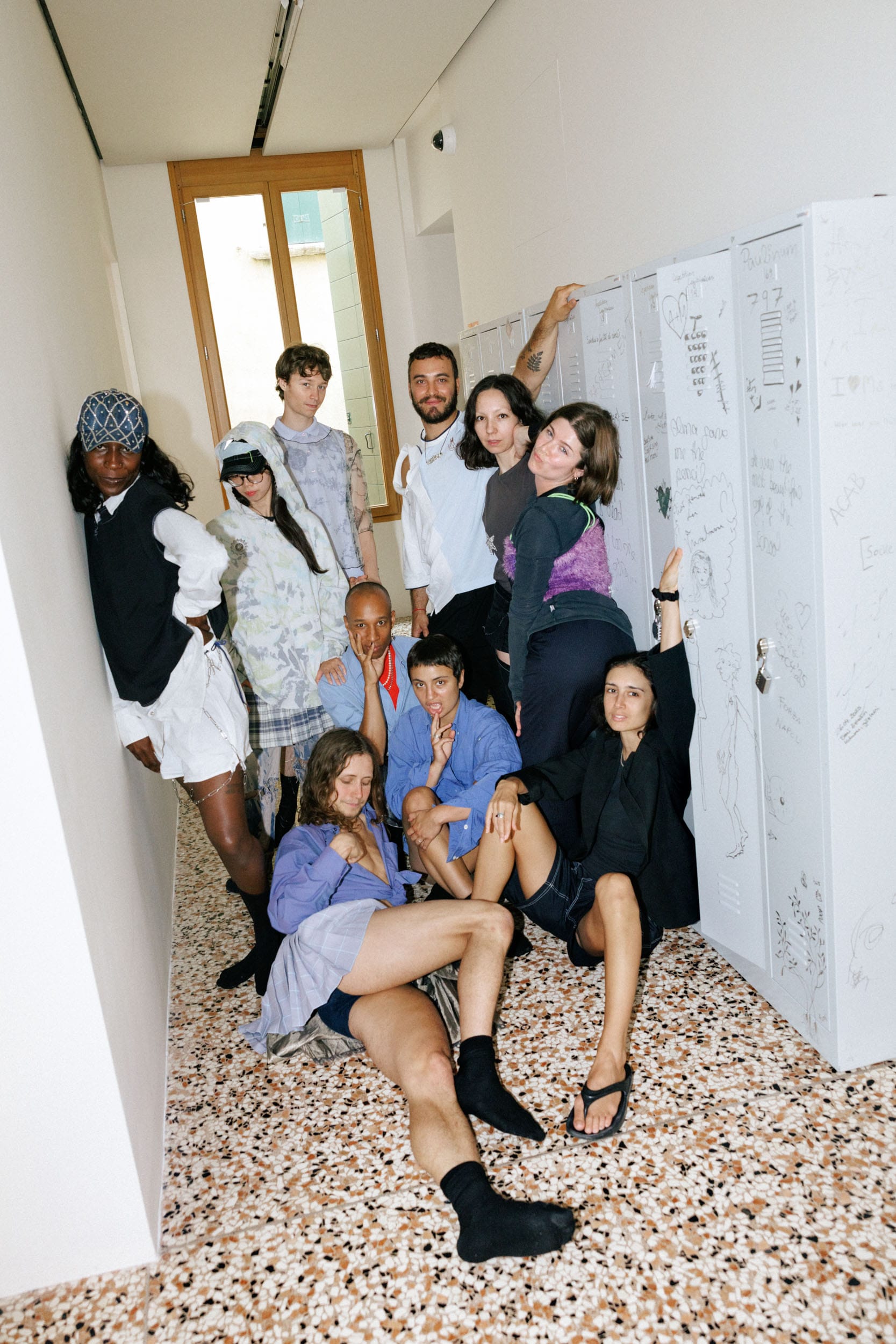
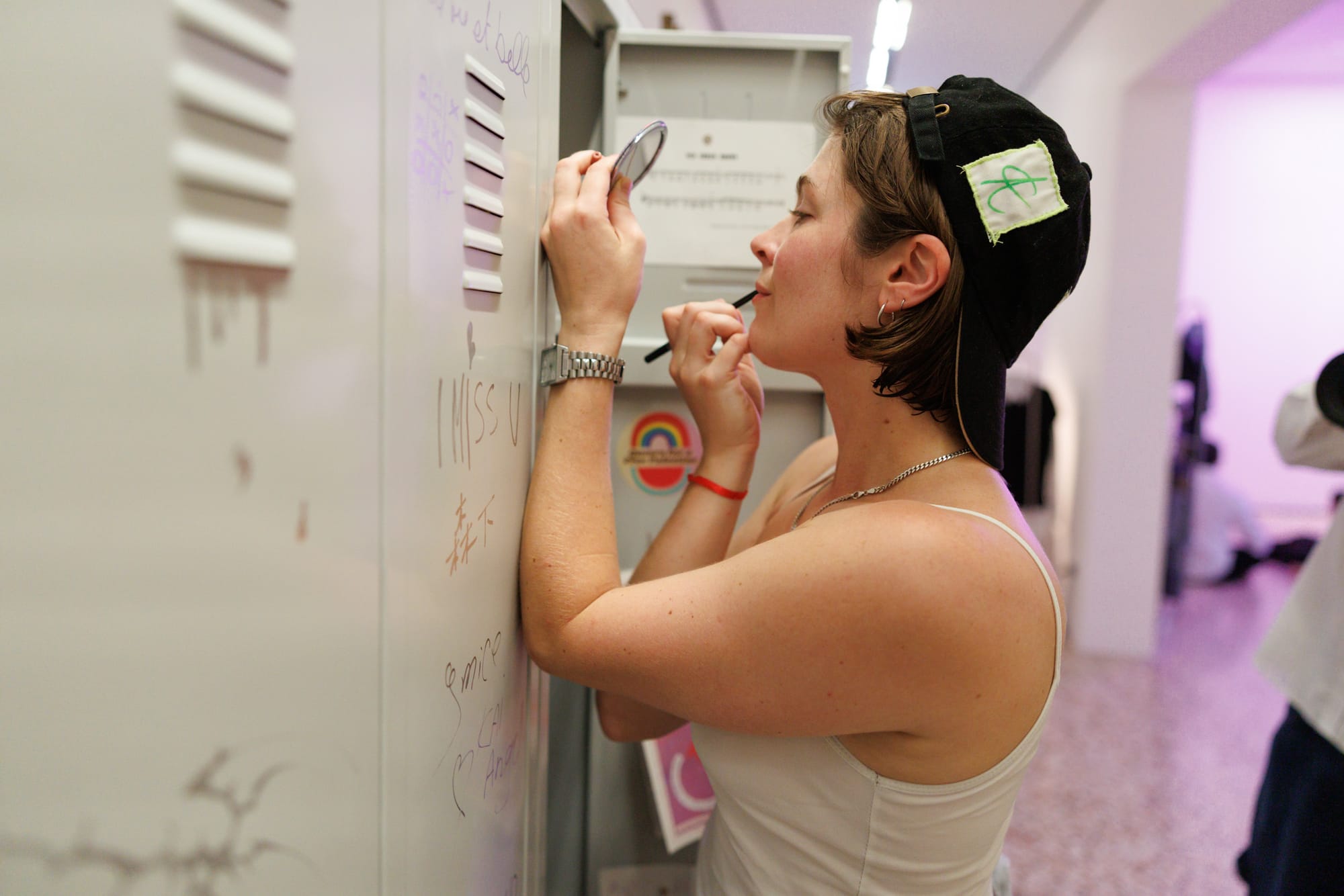
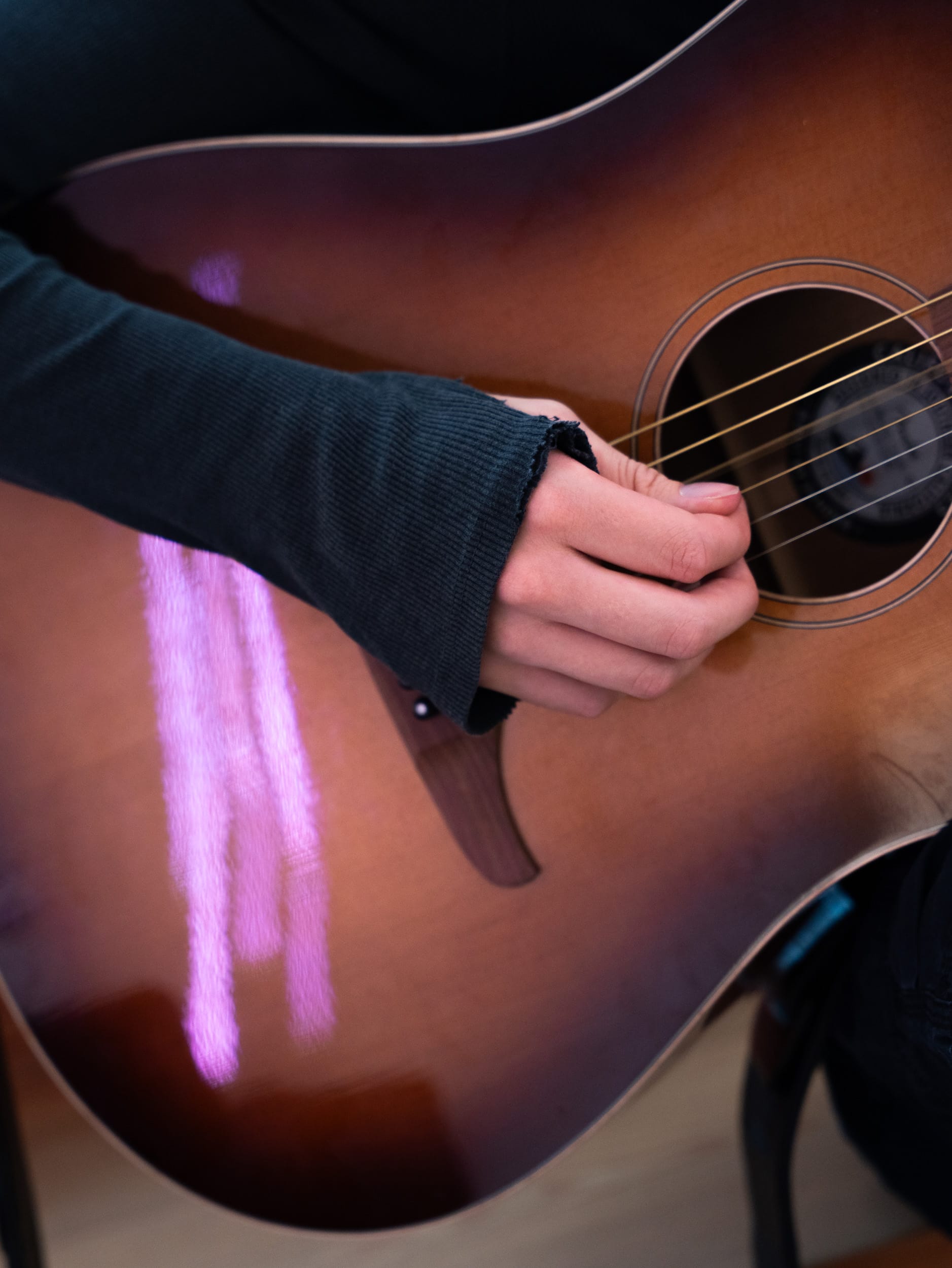
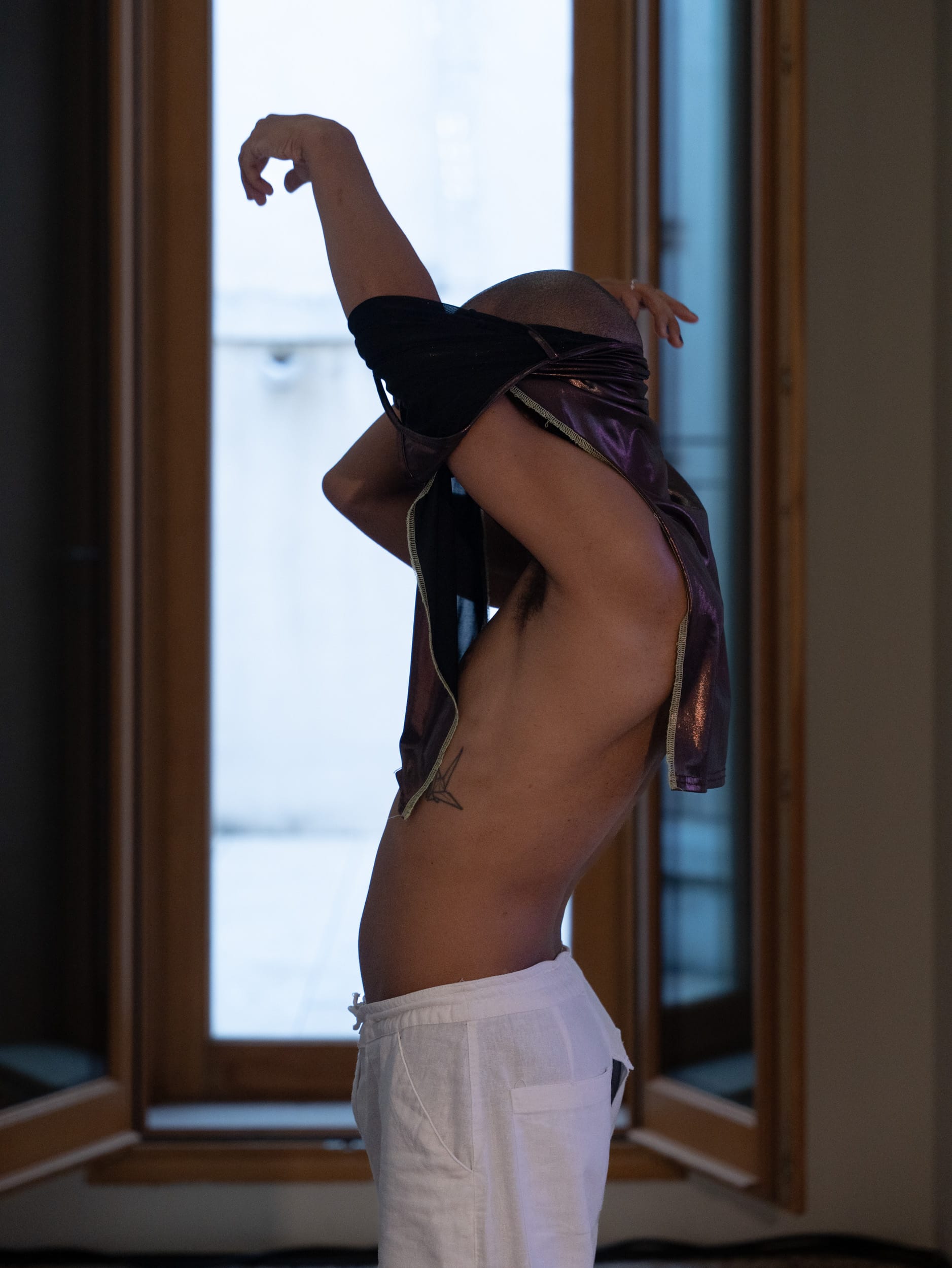
Basically at Scuola Piccola Zattere (Credits: Giacomo Bianco and Marcella Ruiz Cruz)
As Jagudajev toured Basically over a six-year period, they naturally wanted to start documenting the performances as some kind of film. The footage is character-based, mixing observation and interview, tracking the performers' stories, not just their behavior inside the work, and touches on themes familiar to adolescence, from unfriending to sexual awakenings. The organizing idea was that each story would focus on a different aspect of adolescence, but collectively they'd function as something that "could describe one person or many."
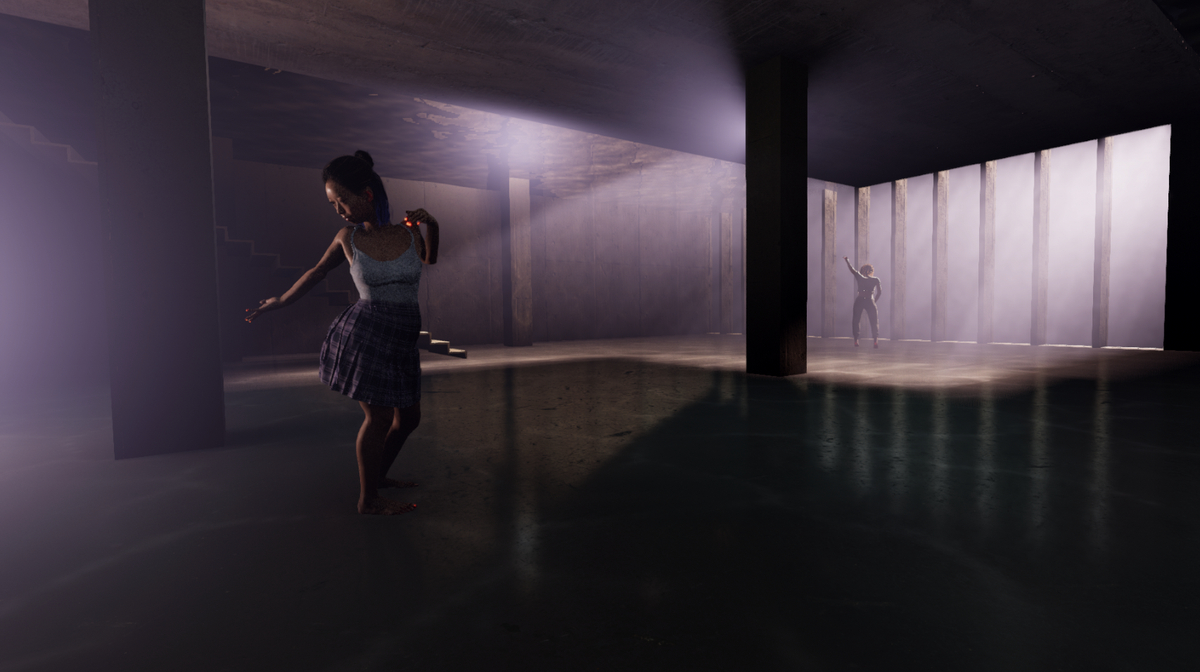
But the film felt unable to capture the totality and inherent interactivity of the live performance, so during a residency at Scuola Piccola Zattere, the Venice nonprofit that opened in late 2024 under the artistic direction of Irene Calderoni, a video game began to take shape. Eschewing performance entirely was itself an experiment for Jagudajev, but LIKE pays homage to its roots with a mix of live-action performances and playable segments across six episodes. Players sit in a loveseat with a single controller, moving through the characters' worlds, and are also asked questions about their own experiences, which are incorporated into the archive. The end work is a type of palimpsest: a performance archive of years of accreted work beneath the veneer of a digital teen drama, à la Life is Strange, beneath the documented wants and desires of its players.
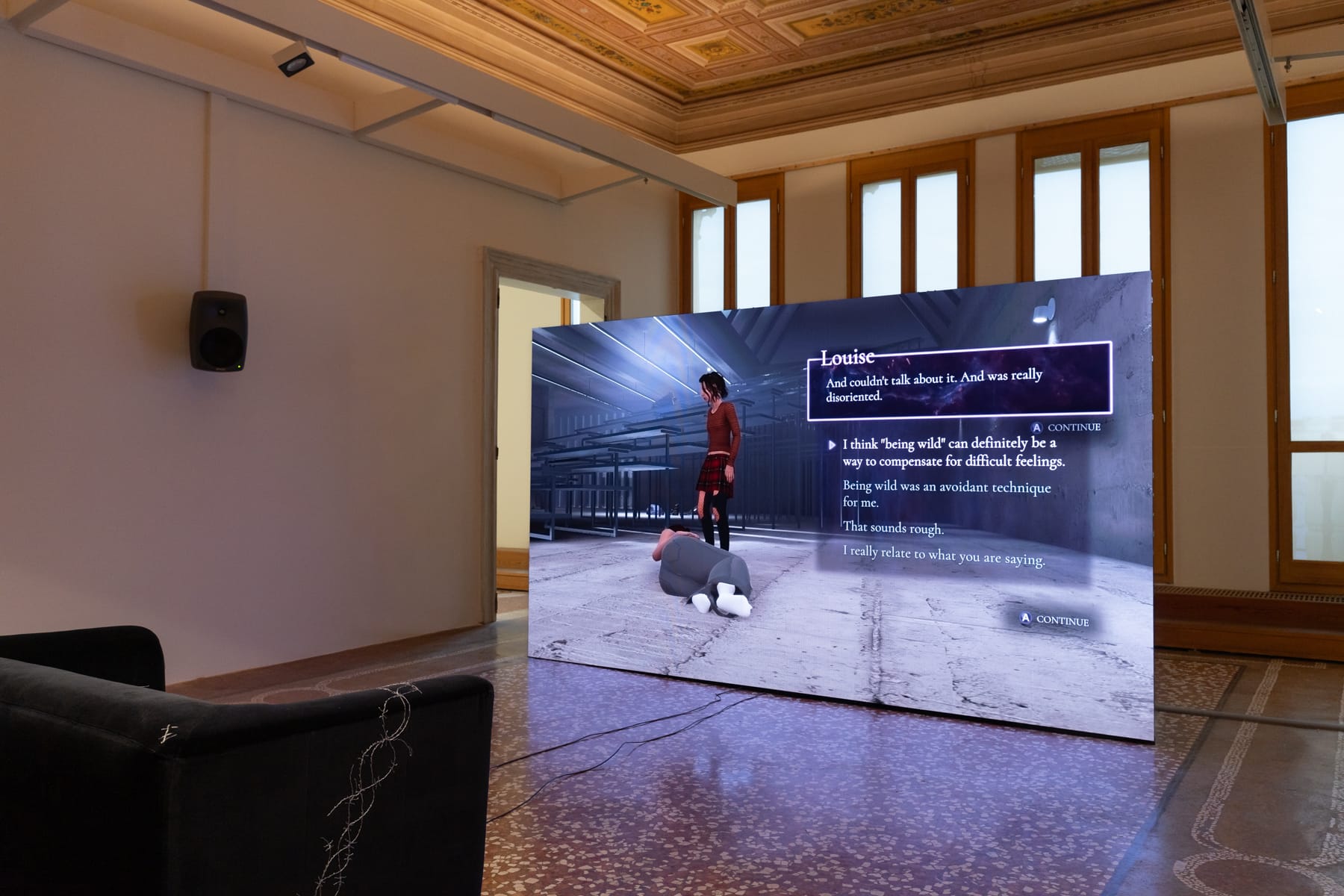
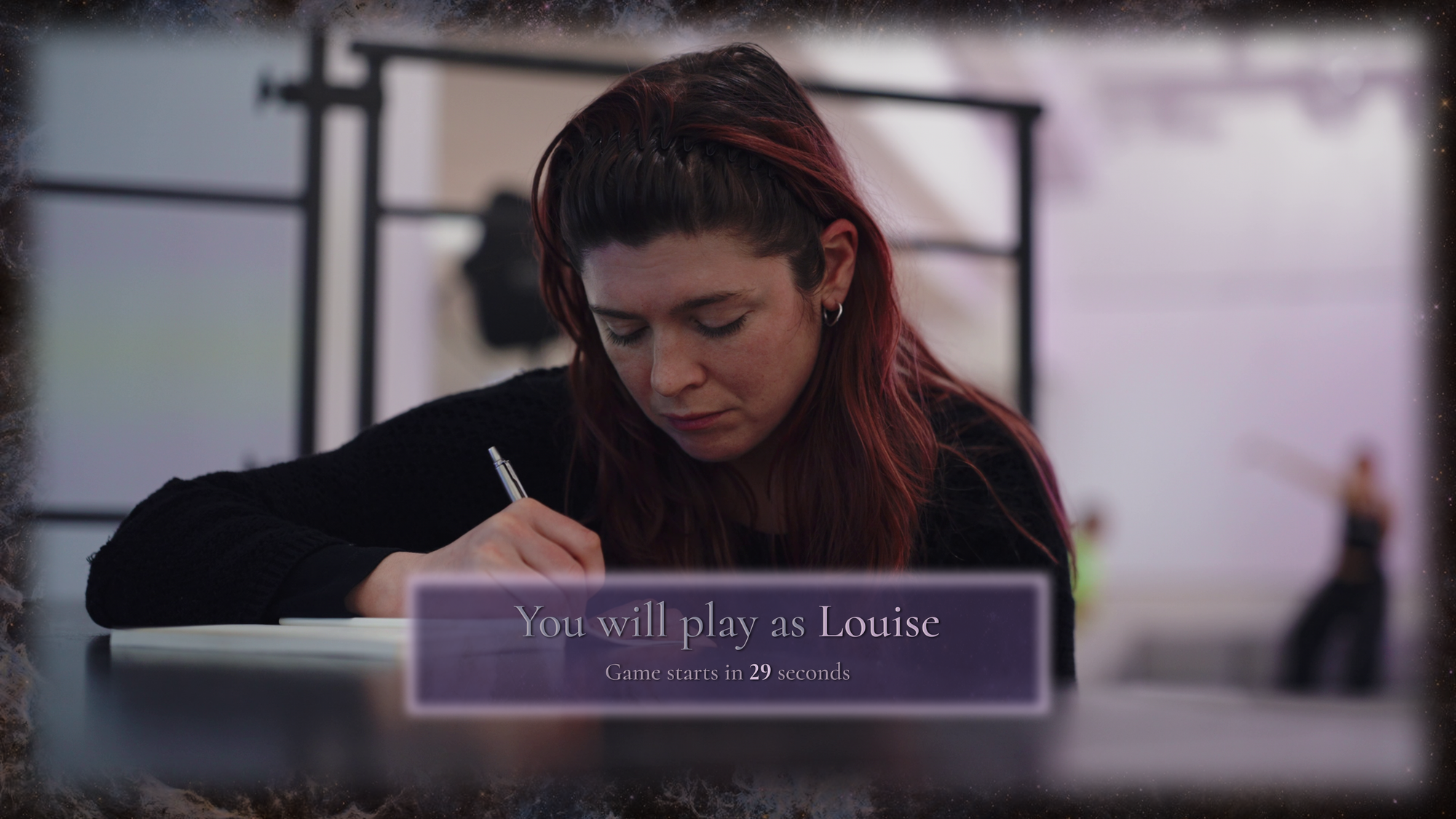
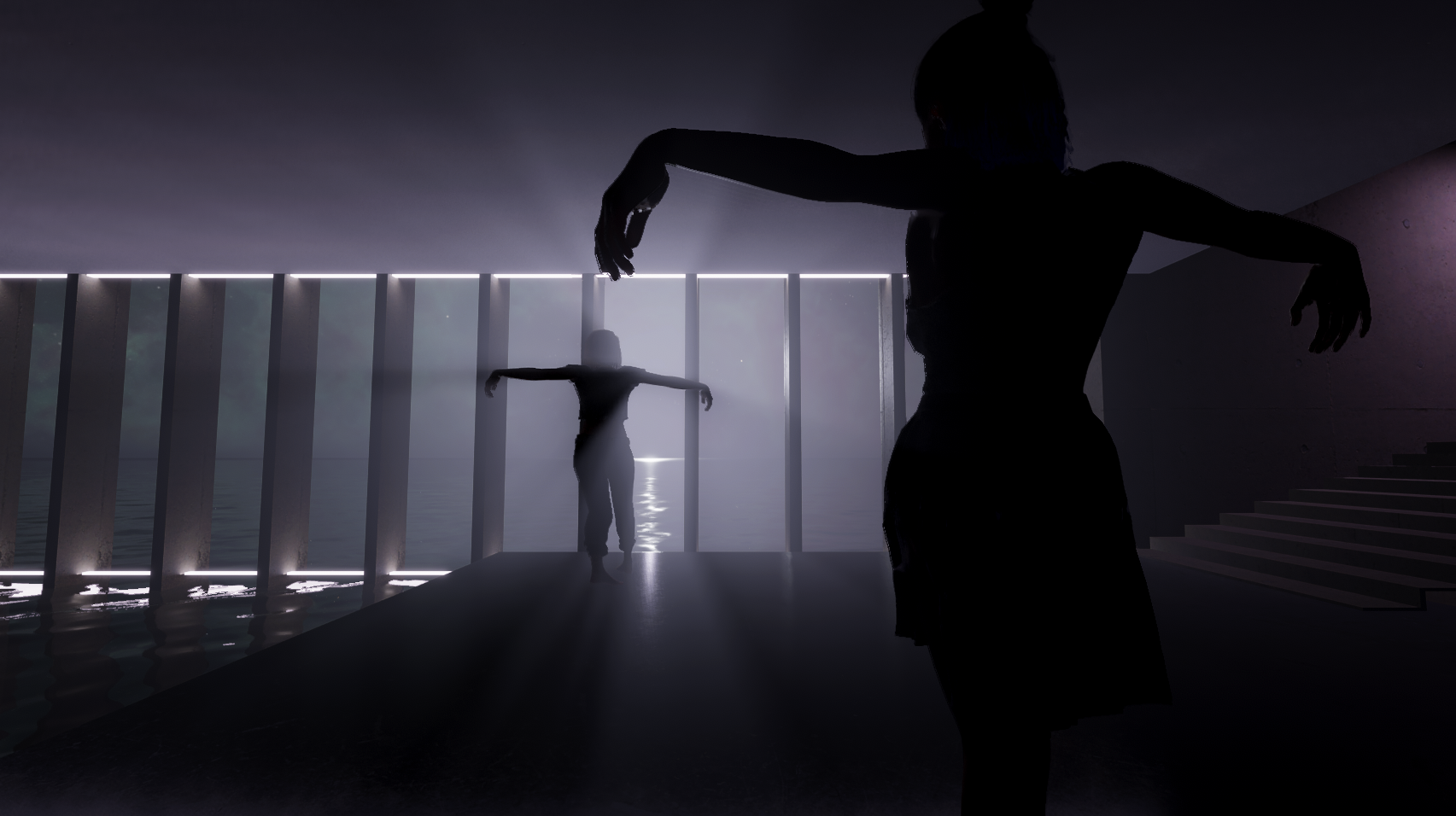
Video games rarely ask us to explore the interiority of their characters, so to transmute the messiness of teenage years into a game context is sharp and very welcome. Moreover, adolescence is arguably one of the most resonant periods, as our prefrontal cortex, which governs self-reflection and reasoning, is particularly active just before that time. "Any cultural stimuli we are exposed to during puberty can, therefore, make more of an impression, because we’re now perceiving them discerningly and metacognitively as things to sweep into our self-concepts or reject," Jennifer Senior wrote in 2013. Jagudajev is compressing that period intro a single six-hour experience, but allowing performers to dance with emergent systems, creating a back and forth between the freedom of liveness and performance and the necessary limitations of encoded instructions. "And to be honest, it's such a complex world in many ways that the performers don't know all the rules either," Jagudajev says. " There's a lot of questioning or trying things out and checking in with each other."
At the LIKE opening in Venice, one of the featured performers sat down on the loveseat, picked up the controller, and played as herself. The character she played was built from years of her own performances, her own stories, her own past. Jagudajev called it "really lovely layers." That's probably the right frame for all of it—a world inside a world inside a world, with no clear outside.