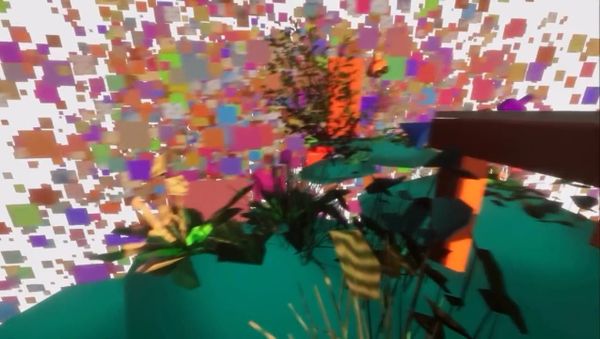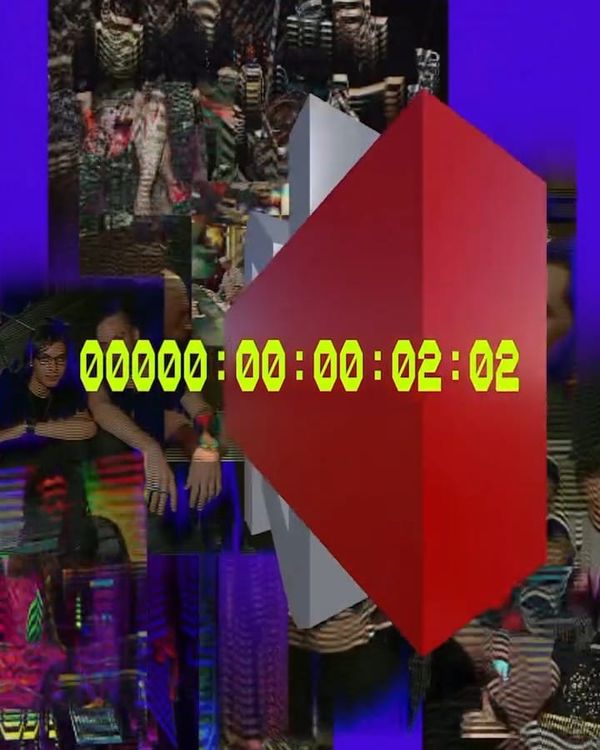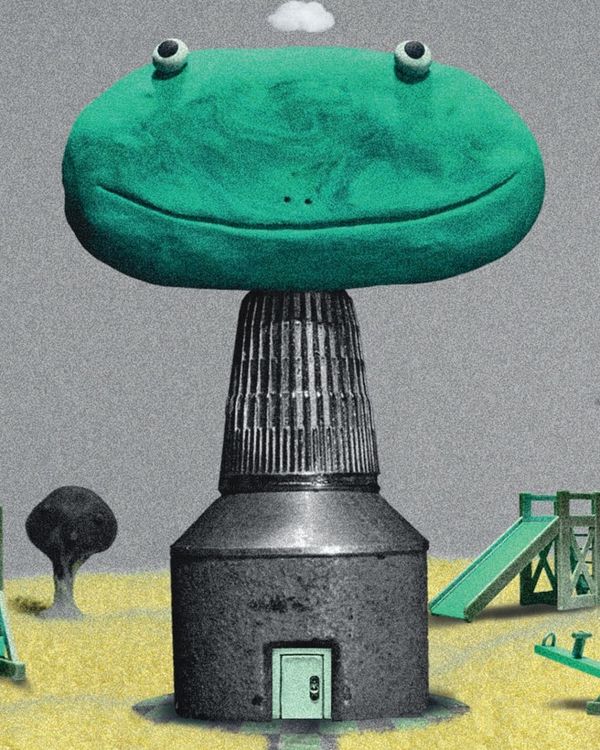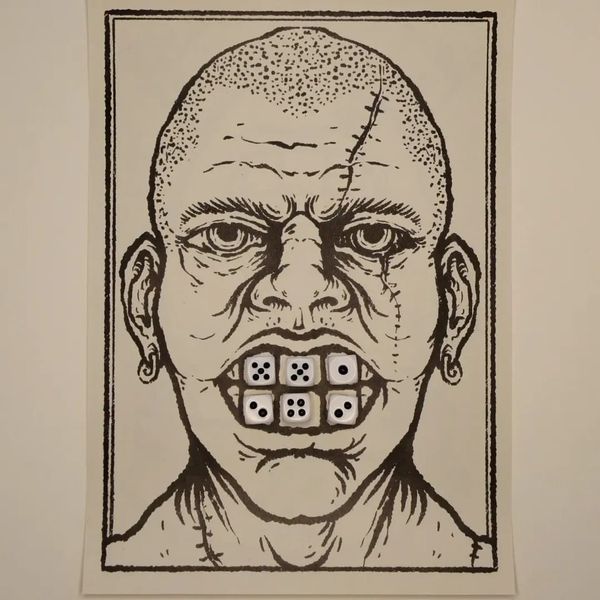
Death is a character select in 1994's Eastern Mind
A history account resurfaced Osamu Sato's Mac-era adventure, where each life ends by choosing which of nine creatures to be next.

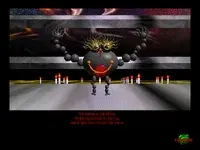
In Eastern Mind: The Lost Souls of Tong-Nou, dying is not a fail state—it's a menu. The game follows Rin, whose soul is stolen by the living island of Tong-Nou, and getting it back means completing the life cycles of nine creatures; every death ends with the player choosing which body to be reincarnated into next. The 1994 Mac curio resurfaced this month when a history account's reel introduced it to an audience that mostly wasn't alive when it shipped, and the response made clear the appetite for pre-commercial Japanese multimedia art is very much alive.
The maker matters here. Osamu Sato is a Kyoto-born multimedia artist and musician who has always treated games as one more canvas—Eastern Mind was built with Sato's studio OutSide Directors Company, published by Sony Music Entertainment Japan for classic Mac OS in 1994, and brought to North America by Sony Imagesoft a year later. Sato folded personal beliefs—reincarnation, animism—into the design, which is why the death loop reads as cosmology rather than mechanic. The same sensibility later produced LSD: Dream Emulator (1998), the PlayStation oddity whose cult never quite dies; Killscreen covered a fan remake of it back in 2014.
Three decades on, the reincarnation structure looks prophetic: death-as-progress is now the load-bearing wall of an entire genre, but Eastern Mind got there by way of Buddhist cosmology rather than run-based economy. The Obscuritory's longer appreciation is the best writing on it, and the game itself is preserved and playable via the Internet Archive.
The timing rhymes, too. Last month we covered tiengiungtong's bodhisattva-lined point-and-click—thirty-two years apart, the spiritual adventure game keeps reincarnating.
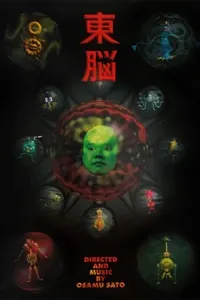
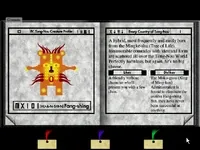
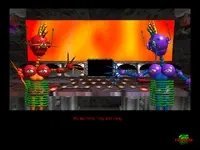
Cover art and screens from Eastern Mind: The Lost Souls of Tong-Nou, via the Eastern Mind Wiki
Games this strange rarely make the algorithm—they make Killscreen. The free newsletter surfaces three decades of them, three times a week.