Daniel Aagentah is building an open world in raw JavaScript
Six months in, NOMIAD has no engine and no editor—just WebGL, multiplayer, and an artificial-life simulation running underneath.

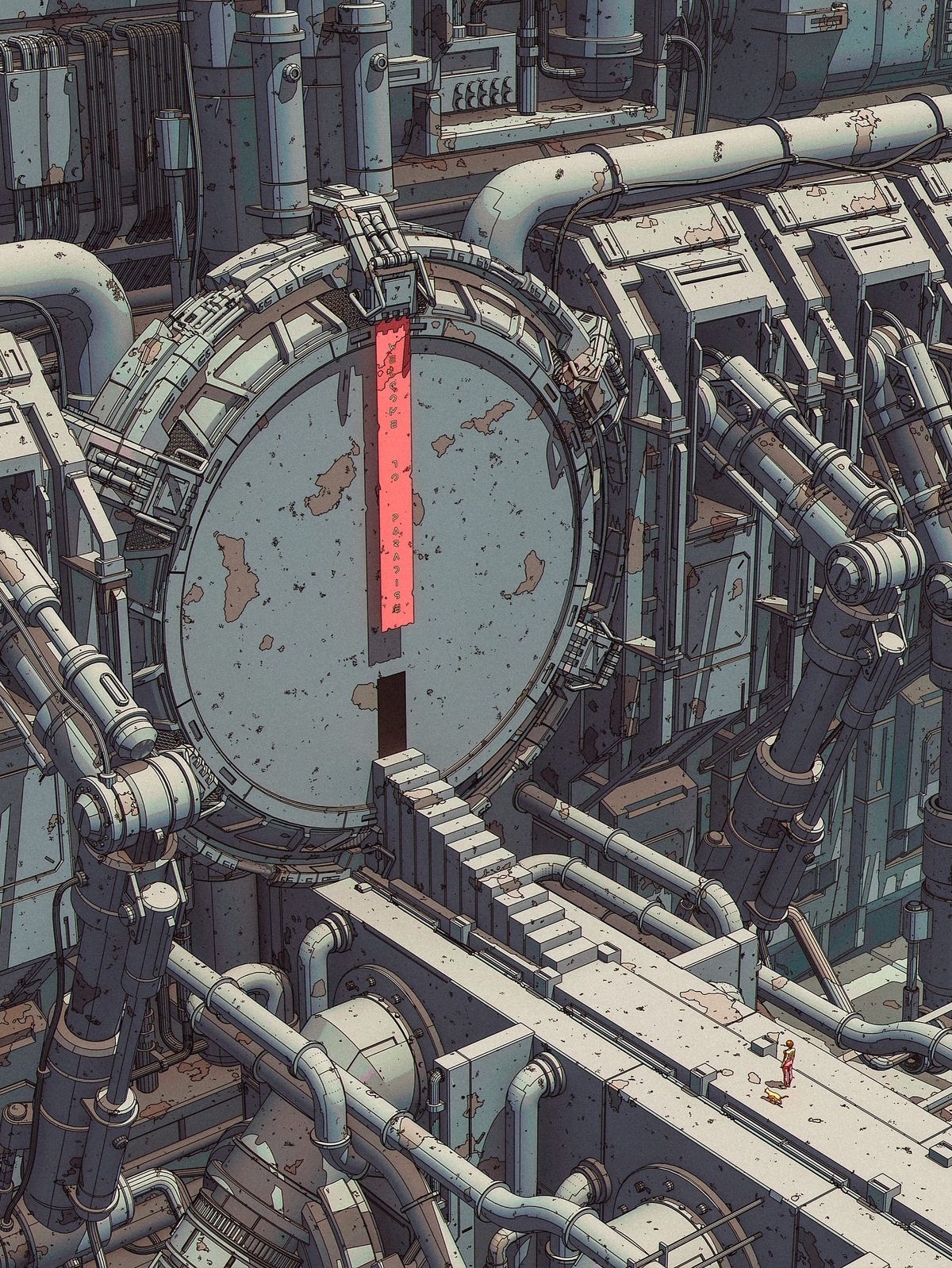
Most game announcements lead with a world. This one leads with a refusal. Daniel Aagentah—the Manchester programmer and electronic musician who founded the bass-music magazine Rendah Mag, and whose open-source visual sequencer nw_wrld has a couple thousand stars on GitHub—announced in a reel that six months of work have gone into an off-world sci-fi game that runs entirely in JavaScript. No Unity, no Unreal, no editor: straight WebGL, with multiplayer already working and an artificial-life simulation driving a non-linear open world. In a follow-up comment, Aagentah gave it a name—NOMIAD—and promised to build the rest in the open over the coming months.
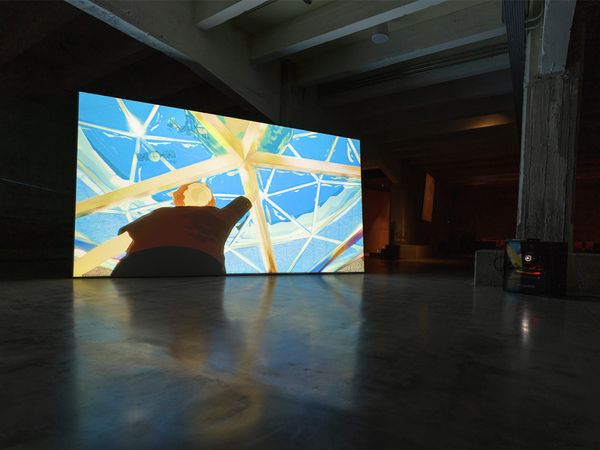
NOMIAD in motion, from the announcement reel.
An engine is a bundle of opinions about what a game is—cameras, physics, scenes, a renderer someone else tuned—and writing raw WebGL means re-deciding every one of those from zero. Aagentah’s whole practice runs this way: a personal site that shows like a terminal, a synth that queries NASA’s asteroid API for its settings, software written to play live shows. The a-life part is the tell. Instead of quests, NOMIAD promises an ecosystem that keeps running whether or not anyone is watching.
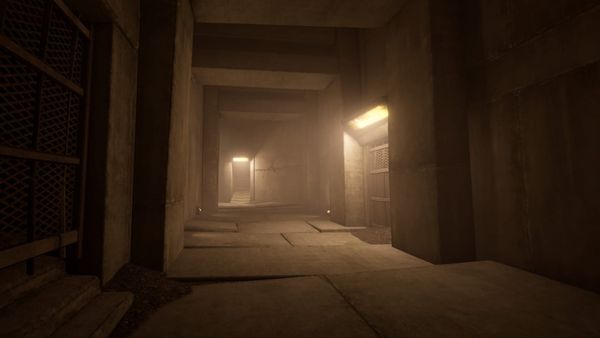
The response to the reel was hungry in a specific way: not praise so much as requests for a door—a devblog, a Patreon, a cartridge, anywhere to follow the build. The reference points people reached for (Duskers, Lethal Company) say a lot about the register the footage strikes: dim, instrumental, machine-first.
We’ve been arguing for a while that the engine layer is where the art lives—Indira Ardolic plays game engines like instruments—and NOMIAD is the same instinct inverted: if the tool shapes the work, write the tool. Watching this one closely.
NOMIAD will be built in public over the coming months, and so will our coverage of it. The free Killscreen newsletter is where we track the people who would rather write the tool than accept the engine.