“When You Go Into Space, You Go Into Your Own Dark”
A cinematographer and two horror game makers on shooting space aboard a Baltic ferry, building a slaughterhouse inside a church and leaning into the dark.

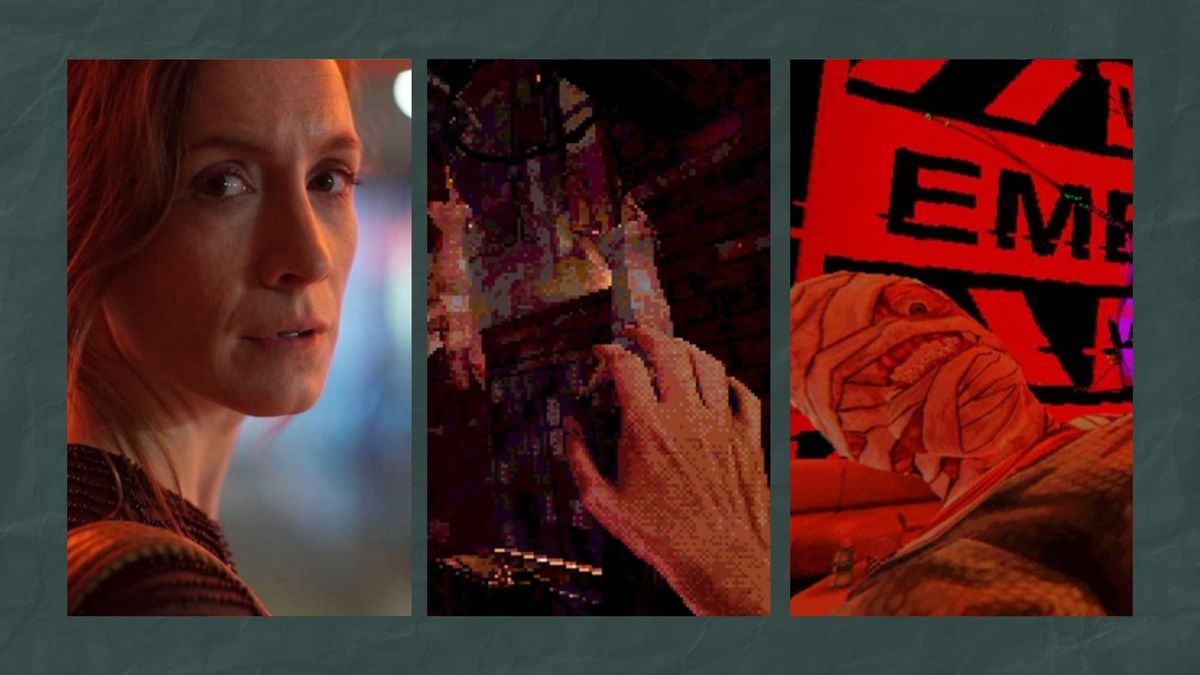
In 1956, Harry Martinson published Aniara, an epic poem about a passenger ship knocked off course on its way to Mars. Seventy years later, the same predicament runs through three works made a few hundred miles apart: Pella Kågerman and Hugo Lilja's film adaptation, shot by Swedish cinematographer Sophie Winqvist Loggins; Mouthwashing, Wrong Organ's 2024 game about a freighter crew stranded after a crash, with Johanna Kasurinen leading art and narrative; and Eclipsium, Housefire's first-person surrealist horror game, directed by Max Friberg. For Cross-Conversations: Horror, presented with MUBI, the three joined me to talk about darkness, ordinary spaces and what happens to bodies under pressure.
Jamin: Johanna, Mouthwashing opens on the disaster itself, with the player at the controls as the ship goes in. Why was it important to start with the crash, narratively, and from that particular point of view?
Johanna: It's the incident in the story that changes everything, from their daily life on the ship to the pre- and post-crash. In Mouthwashing you're jumping between different times, which we broadly cut up into post-crash, pre-crash and what we call post-post-crash, and that's the moment where you get the delineation between the two. But on a gameplal, it's also fun to start with what you think at that point is the character trying to kill themselves. I very much enjoy when people start playing it and the game tells you "steer right" and then you're only able to steer left, and they start getting the context clues that the character is very much not trying to save the ship.
Jamin: There are two countdowns in the game, the countdown to judgment and the countdown to the crash, and it jumps back and forth between them. You could have told the story chronologically. What does the countdown do for the player?
Johanna: If you think of the story of Mouthwashing in chronological order, it's a very simple story. So it was, OK, how can I make this very interesting? One way is to screw with the presentation order. It's hard in a game to do a smash cut, but that was one way we were able to pull those moments off. You hard cut from one scene, and you don't know as a player when you're going to re-emerge, and then you have to take stock of your surroundings and see what's happened.
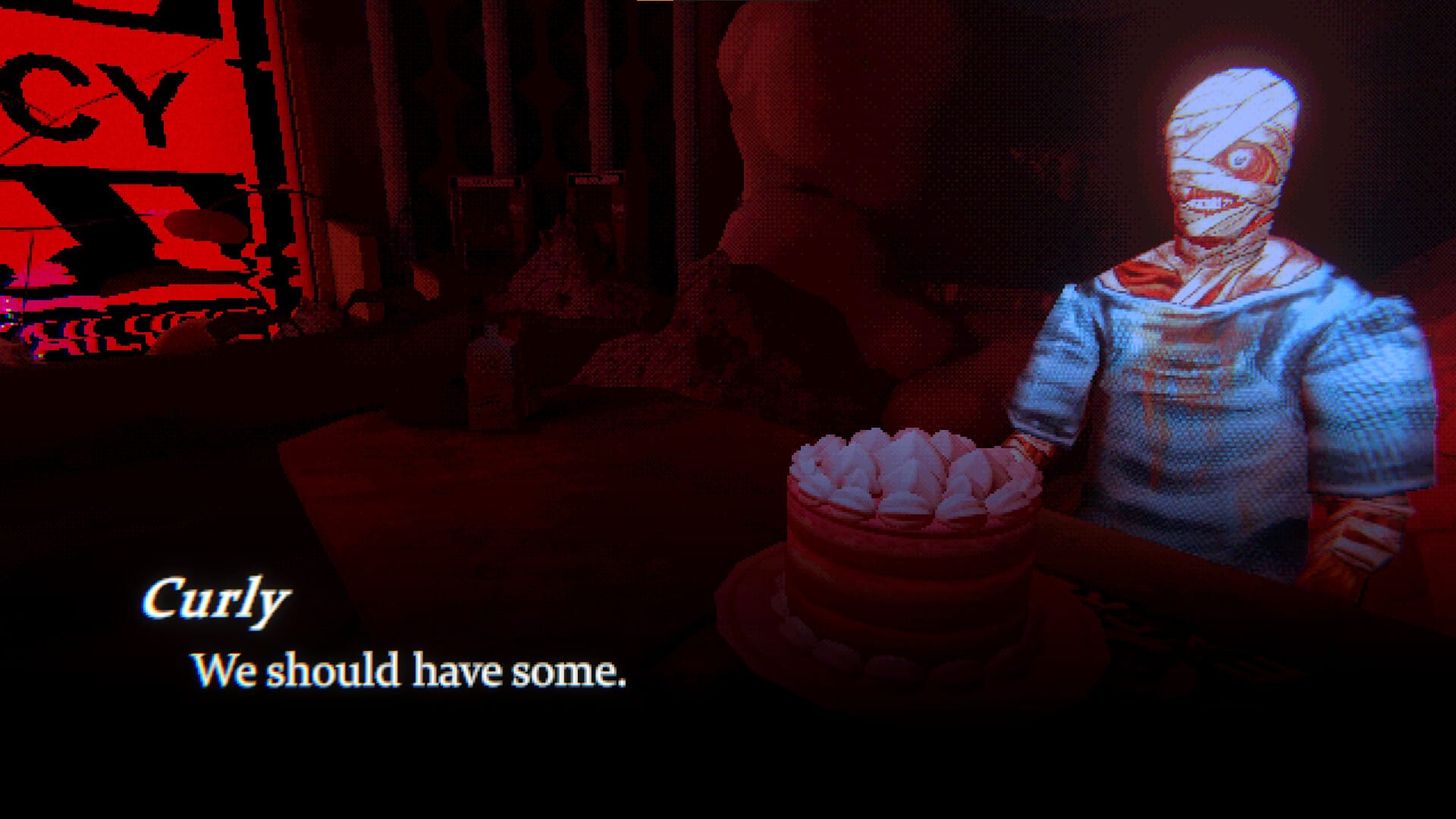
Mouthwashing (Wrong Organ, 2024)
Jamin: Sophie, Aniara has a count-up. There's an inciting event where they lose control of the ship, and then a count-up toward an unknown future. You chose some very un-vibe-y places to shoot a ship that is, in a sense, heading toward a certain doom, airports for instance. Tell me about picking places that would fit that mood.
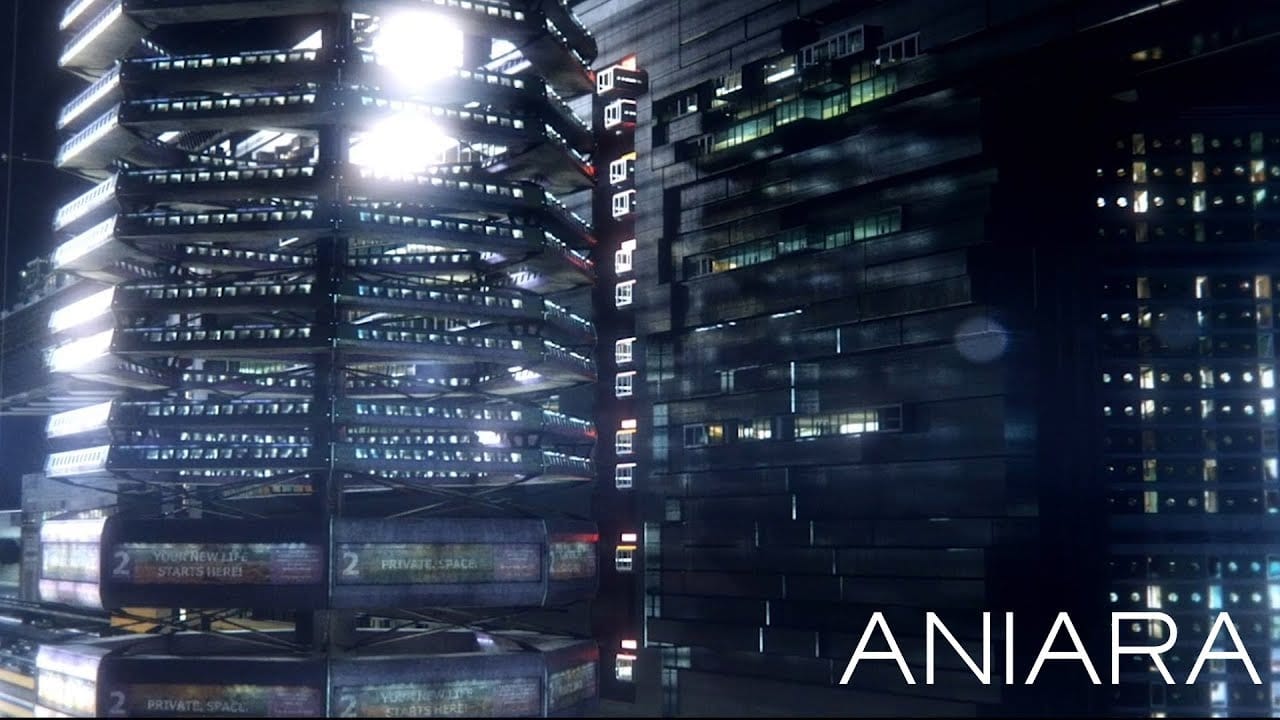
Sophie: The directors were thinking of the ship as this fantastic cruise ship in the Caribbean, a capitalistic heaven, with all these different dinner selections and entertainment systems. So we went to the ferry that goes between Sweden and Finland, and we visited the cabins where the crew lived and their working conditions. These ferries are very well known in Sweden and Finland, and we wanted that vibe, that the space trip is not only glamorous but has the grittiness of life. We watched references like Haneke movies that look at the mechanics of the human descent into an inner hell, so to say. One of the art directors came from art school, and she already had her eyes on several of these non-spacey spaces. How would a Scandinavian spaceship look?
Jamin: Max, there's no inciting disaster at the start of Eclipsium, though the main character wakes up in a hospital, so it's implied something is afoot. How did you want to create that sense of tension and stakes? There are only so many parts of your body you can give away, at the end of the day.
Max: We needed to really trust the players to follow along, because we decided very early on that dialogue was out of the question. Believe it or not, there's a very long script, with every scene planned and what it's supposed to represent. But we present our overarching narrative through symbolism and iconography, and there's a lot of religious subtext, because those common symbols hit at something core within you.
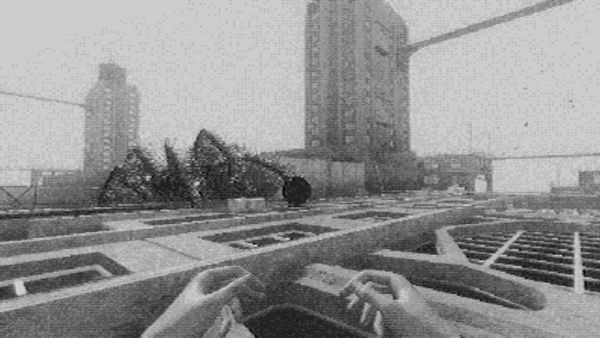
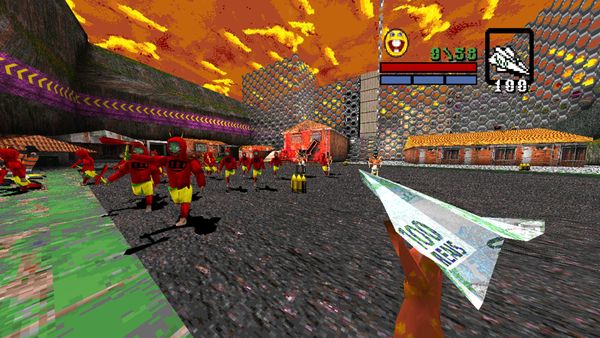
Coming from a role-playing game background, you tend to create fantastical places for players to visit. I wanted to create impossible spaces, which usually mix together two seemingly untenable, oil-and-water sort of things. There's this church structure, huge and grand, but its interior is entirely a slaughterhouse. The pigs ferried in on these hooks never stop, and eventually you find out that you're feeding this huge maggot at the altar, which is also a bottomless pit.
Eclipsium (Housefire, 2025)
Jamin: All three works have this interplay between light and a lack of light. There's no sunlight in a natural sense. Sophie, in Aniara it becomes a flash point: once the Mima is no longer part of their lives, more and more of the world is shrouded in darkness.
Sophie: It just felt very natural to embrace the dark when you go into space and you go into your own dark. We picked the lenses that were used on The Godfather, which really crush the lowest blacks and lift the midtones, so you could have that hardness at the bottom of every shot. And since we were a low-budget production, we struggled with how to emulate space outside the windows, so we put black cloth on the outside and added stars in post. It was very basic, but mentally it was very powerful. After a couple of weeks into preproduction, we could go into any room and push that button in our heads: now I'm in space. And of course darkness will creep in on you.
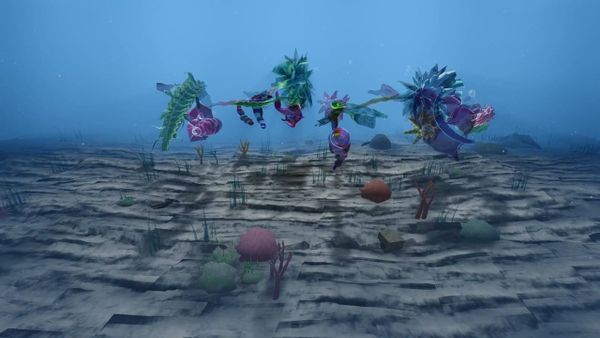
Aniara (Pella Kågerman and Hugo Lilja, 2018)
Jamin: Max, the palette in Eclipsium is always changing, moving in and out in this undulating fashion. Talk about that back and forth of light and darkness.
Max: We wanted to make light a physical character. The woman in the story, who we internally called the princess, is the classic damsel-in-distress trope, but she's not in distress and she's no damsel. She represents light. She is the sun in the story. And you are the moon. You're only shining because her light is reflecting off of you.
I'm honestly a very optimistic type of guy, and I scare easily, so Eclipsium has to be the least scary horror game ever made. To me a lot of the game is about romance. I read this book by George MacDonald called The Day Boy and the Night Girl, which was super influential. Without allowing horror to be part of the experience, you're putting an emotional cap on how real your characters are allowed to become. I enjoy horror because it puts everything on the table.
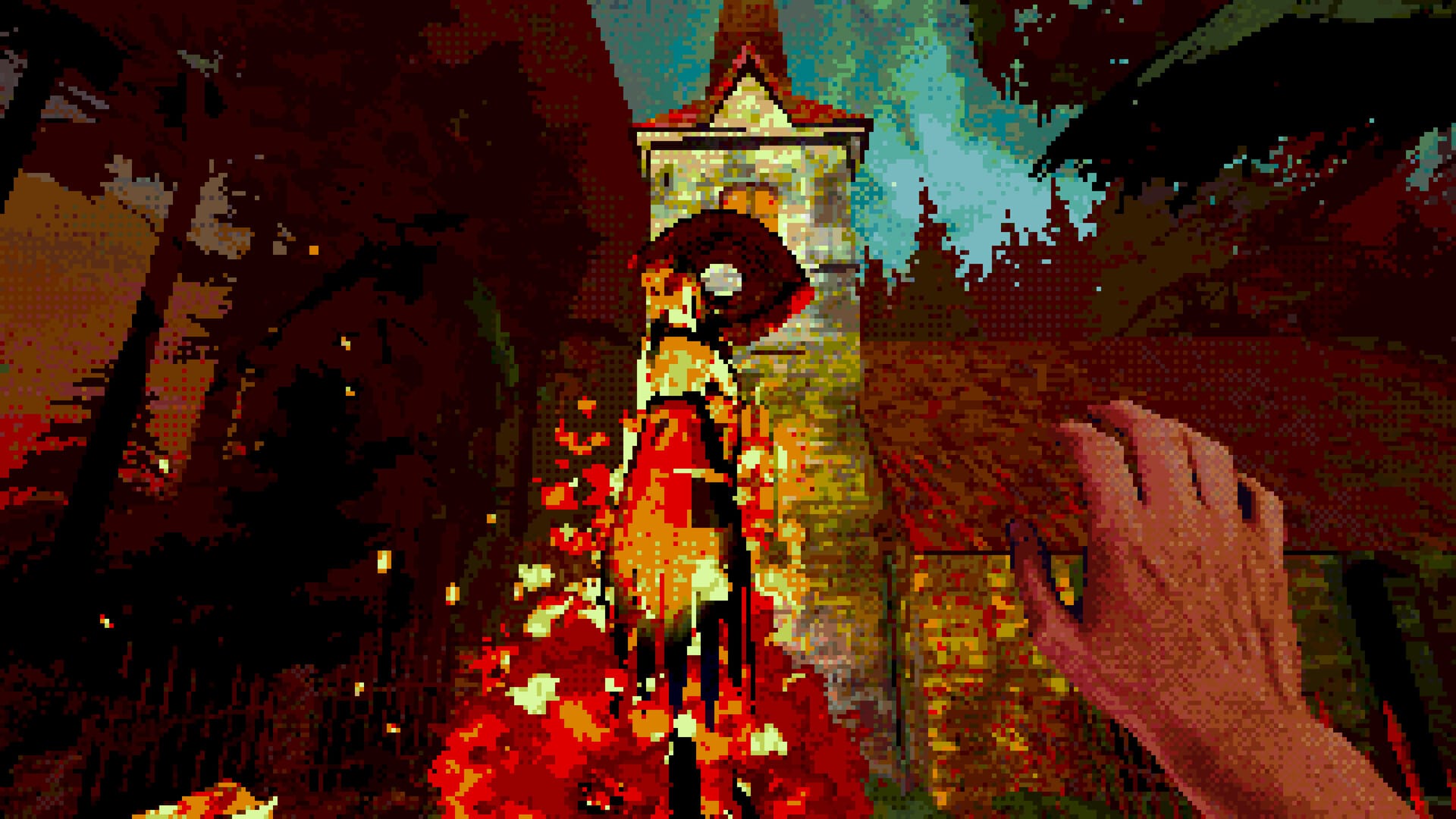
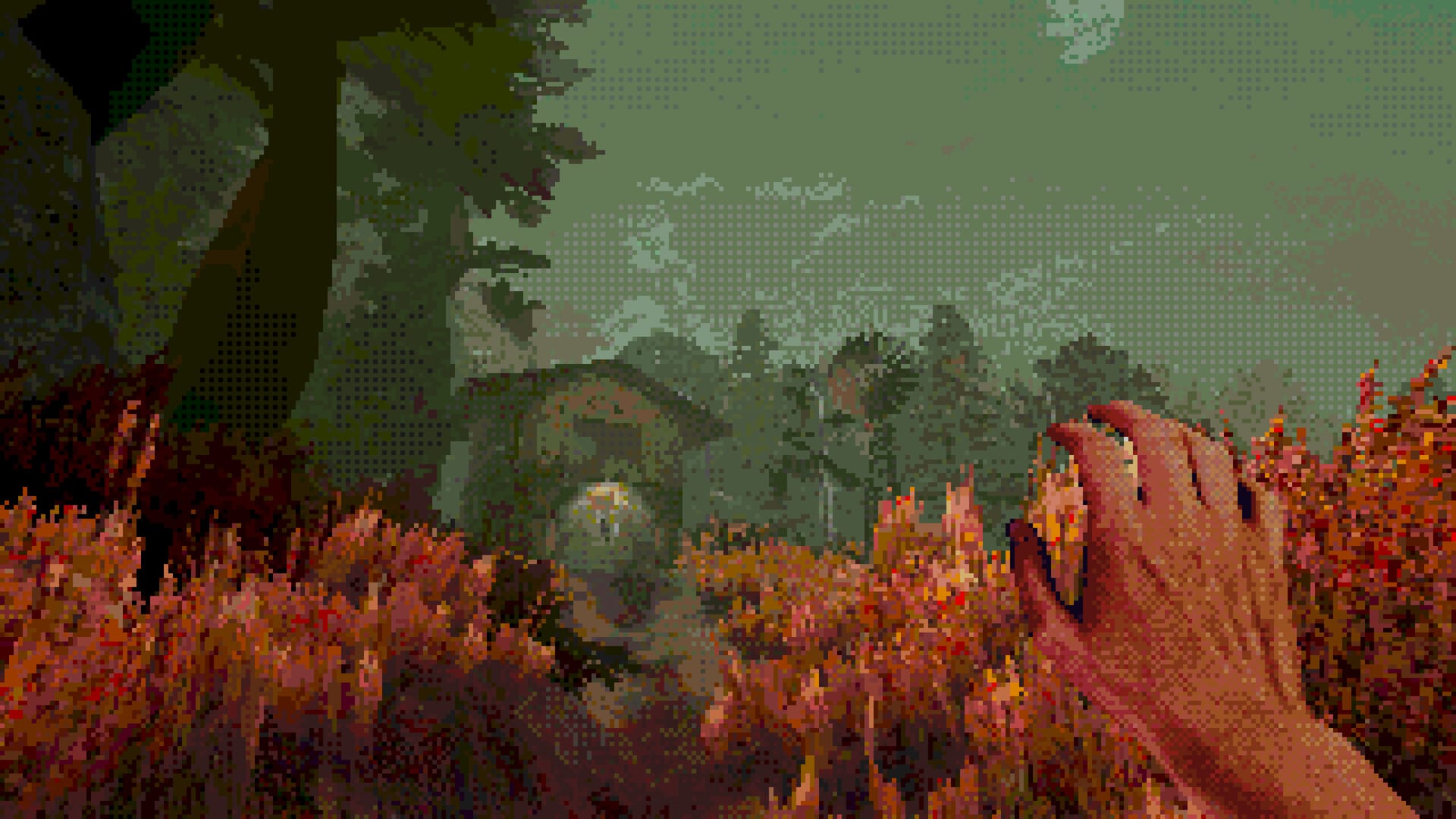
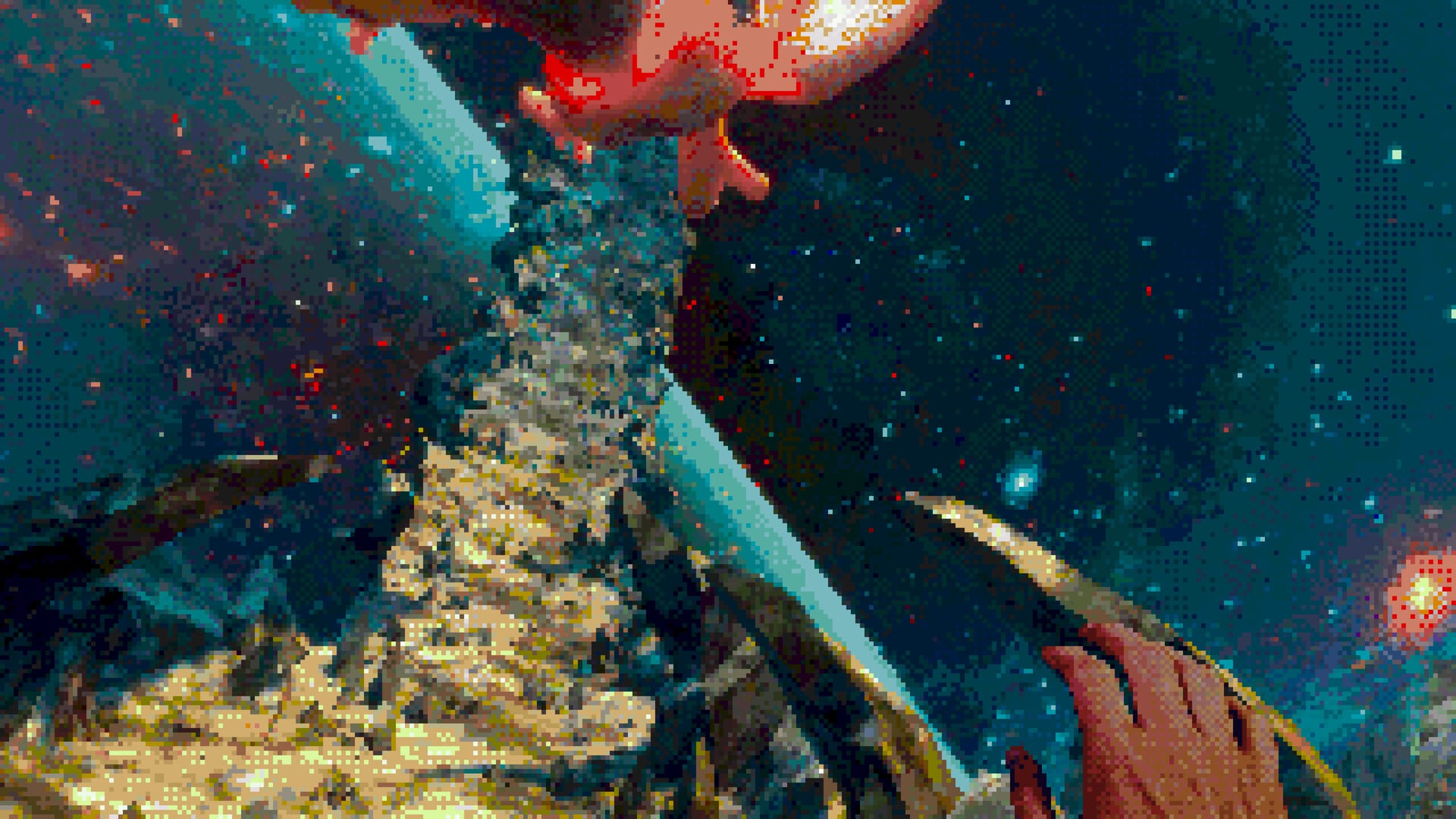
Eclipsium (Housefire, 2025)
Jamin: The last thing I wanted to talk about is the body. All three works deal with different types of bodily decline. Sophie, how did you shoot the decline in sanity as the passengers' lives start to come apart, when reality sets in about where they're going?
Sophie: In Aniara, we tried to move with the bodies in a way that you get to experience in your own body. What they say is less important than what they do. Some movements were made on a dolly, so you're just powerfully pushing. The severeness was in the dolly, and the hectic breathing was in the handheld, when you're running and disoriented. It was a play between the heavy, slow, powerful movement and a more reactive, disoriented one.
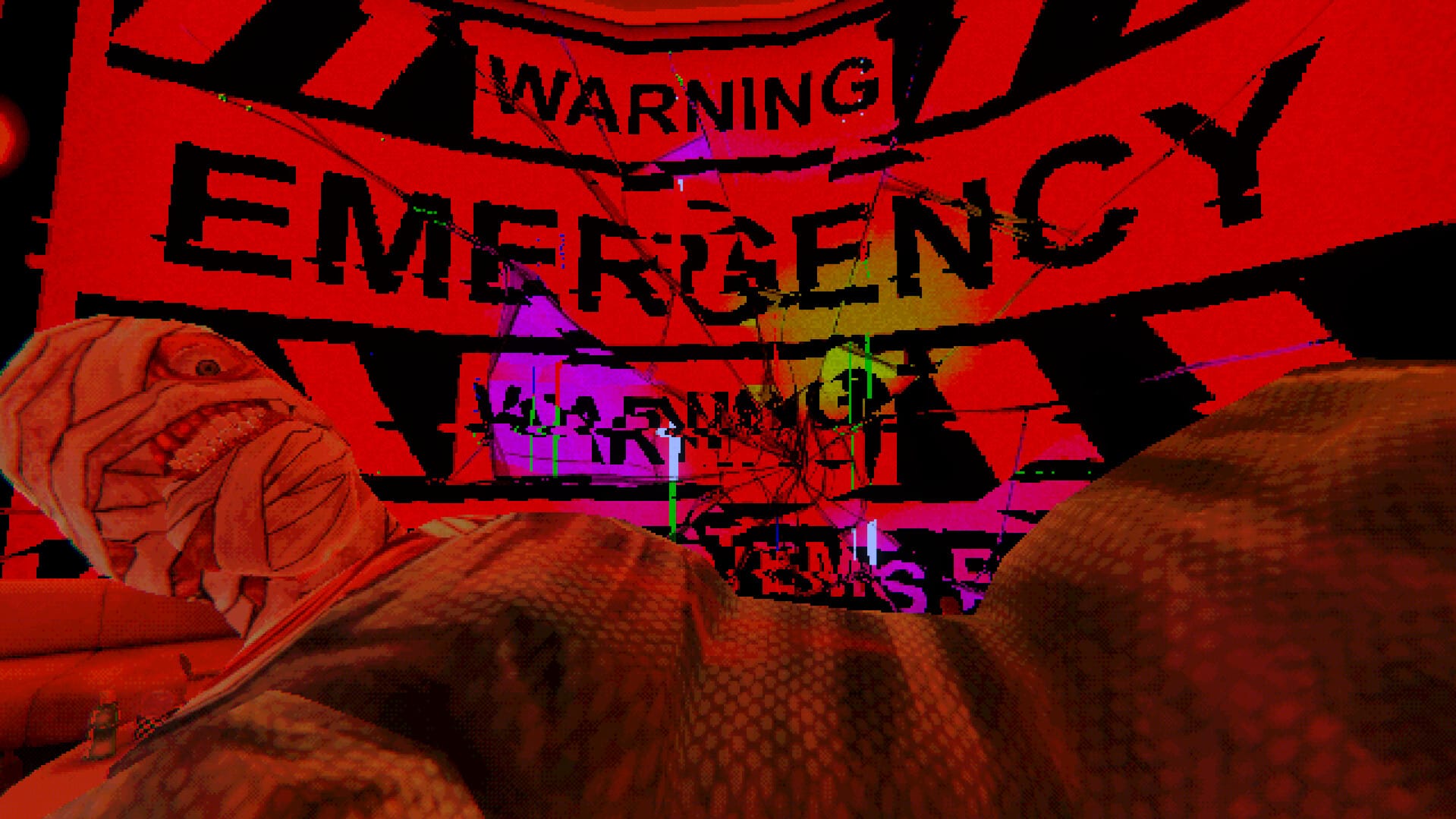
Jamin: Johanna, the image a lot of people will have of Mouthwashing is the bandaged-up Curly. Things happen to Curly that are very upsetting, psychologically and physically, but it's a character who requires a lot of empathy. How did you balance that visible reminder of the tragedy on the ship with wanting people to see there's an actual human being there, even if you can't see his face?
Johanna: It's sort of a red herring. When the first Let's Play-ers started playing, you could tell they thought it was going to be a spooky game where stuff jumps out at you. It's very much trying to mislead you, because the actual horror of the game takes a left turn. With Curly, the point was always to underline through the story that he is still very much human, even though he looks so scary and so damaged. Autonomy and the body are huge themes in Mouthwashing, and Curly losing his autonomy is reflected in the spaceship being lost in space and them being out of control.
Toward the end, we go into full gore, which I'm a huge fan of. But I think the scariest and most interesting parts of the game are the horrific moments that aren't so bloody, and both Aniara and Eclipsium do that well too: imagining yourself in some of these situations, or being as confused and lost as you are in Eclipsium. At some point you notice Let's Play-ers going, this is a very different game than what I expected. And I'm like, gotcha.