A free Los Angeles screening was a history of machinima
At Veggie Cloud, Haydon Mayer and Elijah Valter gave Harun Farocki and a Soulcalibur dance video equal billing.

On Sunday, Oct. 4, a room in Highland Park put Harun Farocki and a Soulcalibur dance video on the same program. RENDER DISTANCE: Experiments in Machinima was a free, 70-minute run of shorts shot inside videogames, guest curated by the Los Angeles filmmakers Haydon Mayer and Elijah Valter for Veggie Cloud, the film and lecture series programmed by Courtney Stephens and Kate Wolf. Their announcement listed seven titles and promised more.
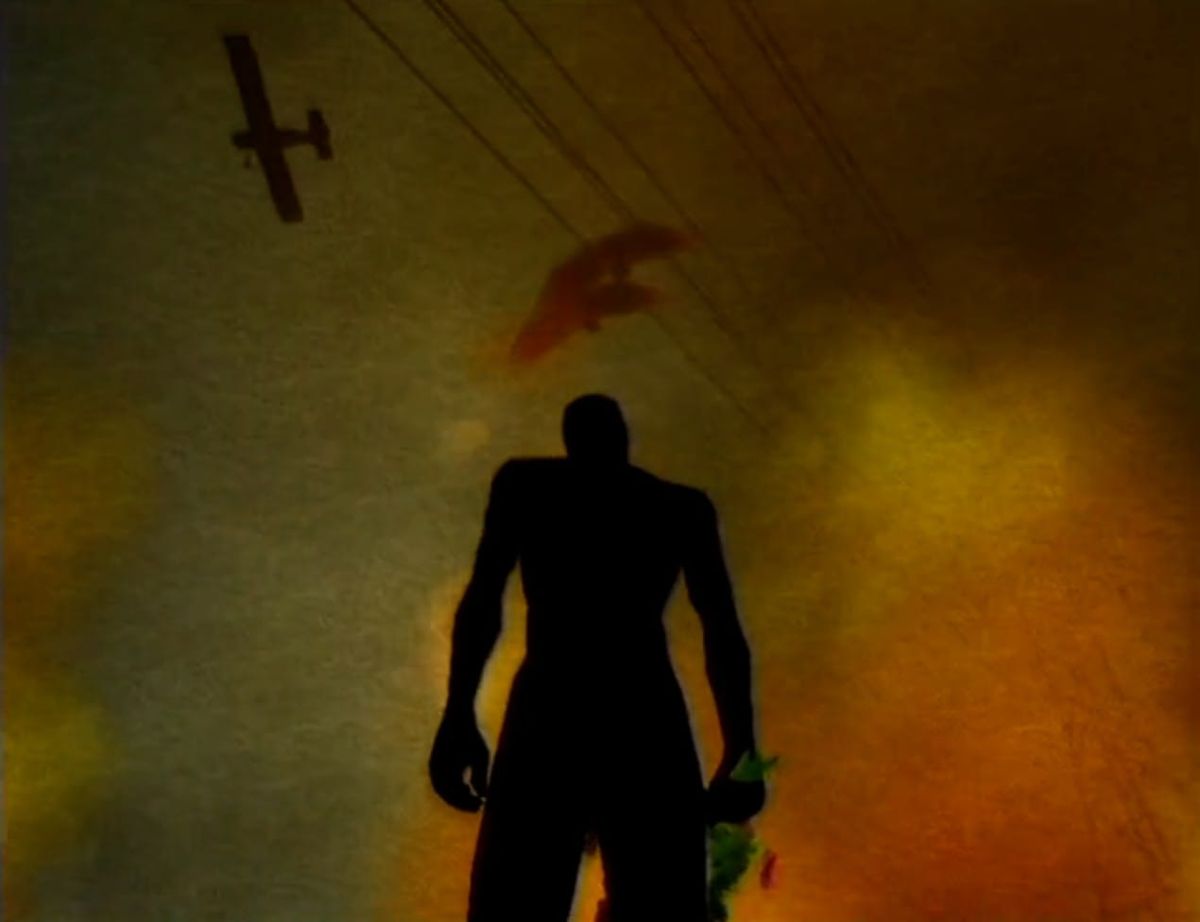
From Phil Solomon's own excerpt of Rehearsals for Retirement (2007), one of the films in the program. It runs silent here; the full excerpt on Vimeo has the sound.
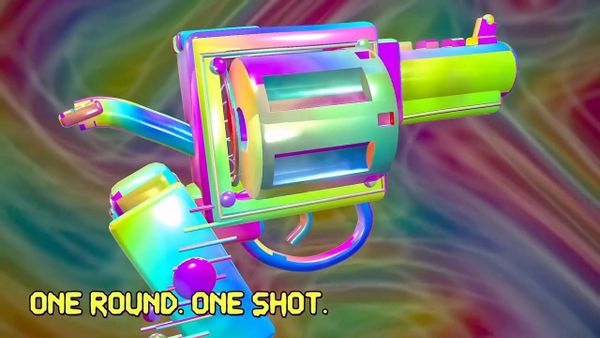
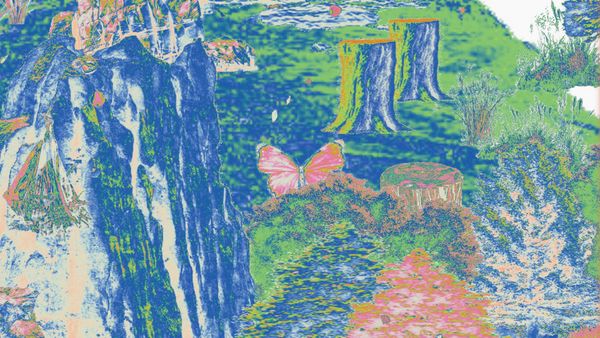
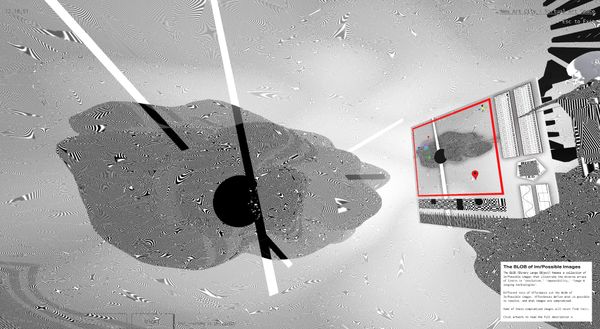
The seven covered 23 years. Chris Brandt's Dance, Voldo, Dance (2002) has two players steering the same Soulcalibur fighter through a synchronized routine to Nelly's "Hot in Herre." Farocki's Parallel I (2012) traces computer graphics from the straight lines of early 1980s games toward photorealism. Phil Solomon's Rehearsals for Retirement (2007) makes an elegy out of Grand Theft Auto: San Andreas. Grayson Earle's Why don't the cops fight each other? (2021) goes into the code of Grand Theft Auto V to learn why its police never turn on one another. Carson Lynn's Bloodborne film A bronze anvil falls to the earth. (2023) and Total Refusal's World at Stake (2025), shot in sports games, brought the program up to date. Marlon Brando's Final Performance in The Godfather Game was credited only to Anonymous.
A canon gets made when someone puts a fan video, a gallery loop and an uncredited clip in one room and insists they belong together. The curators' program note describes films that treat virtual space as "a new frontier for filmmakers to occupy and interrogate," and both curators are filmmakers first: Mayer shot part of the short Love192 in Second Life.
Killscreen interviewed Lynn in 2020, when the artist was still asking, of pictures taken inside a game, "why should I be excluded from the definition of photography?" Six years later the same artist shared a program with Farocki and Solomon. I count that as an answer. The note ends on a hedge I keep rereading: simulated worlds "inevitably fall short of the physical one we actually inhabit (or so far, at least)."
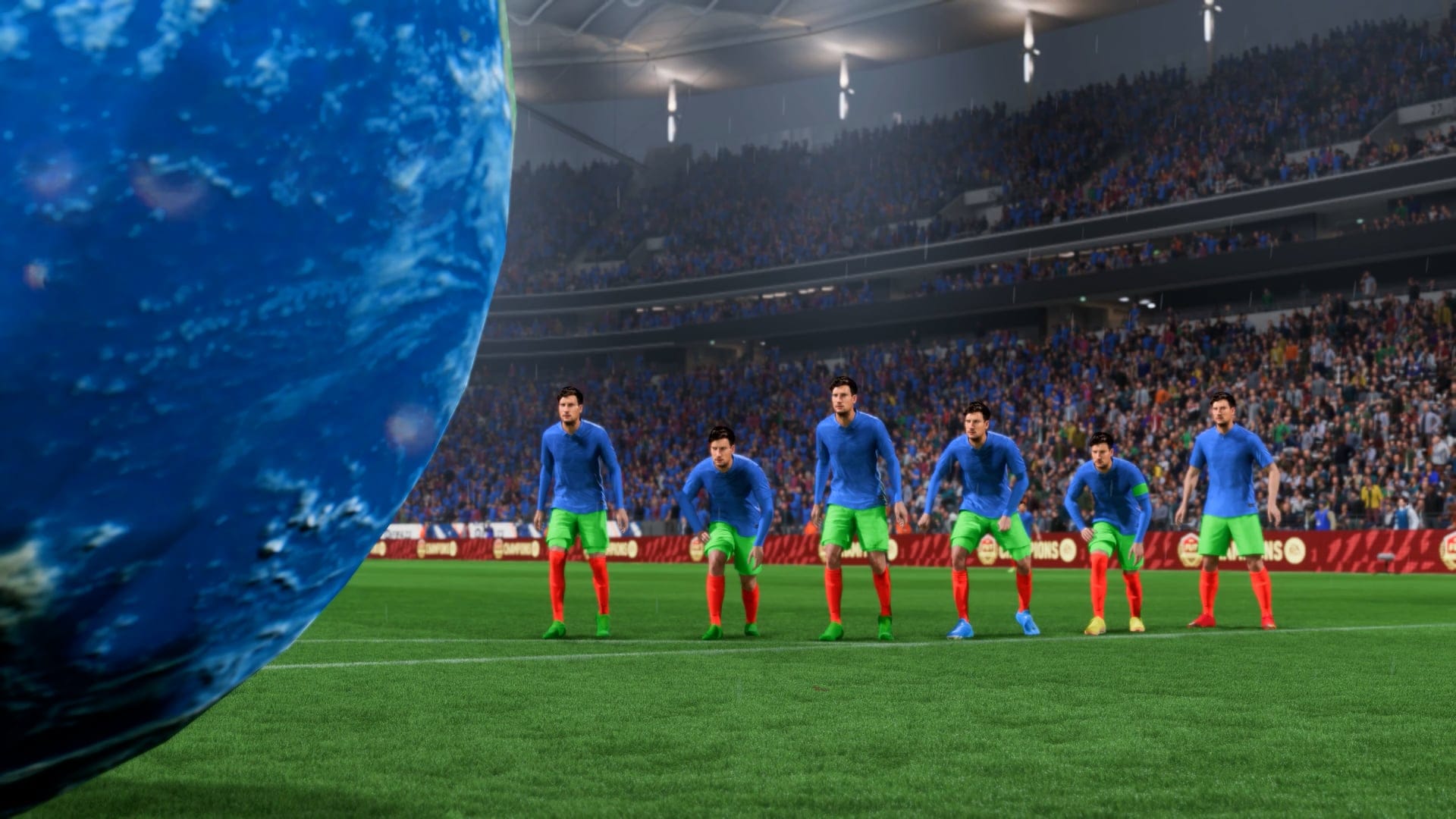
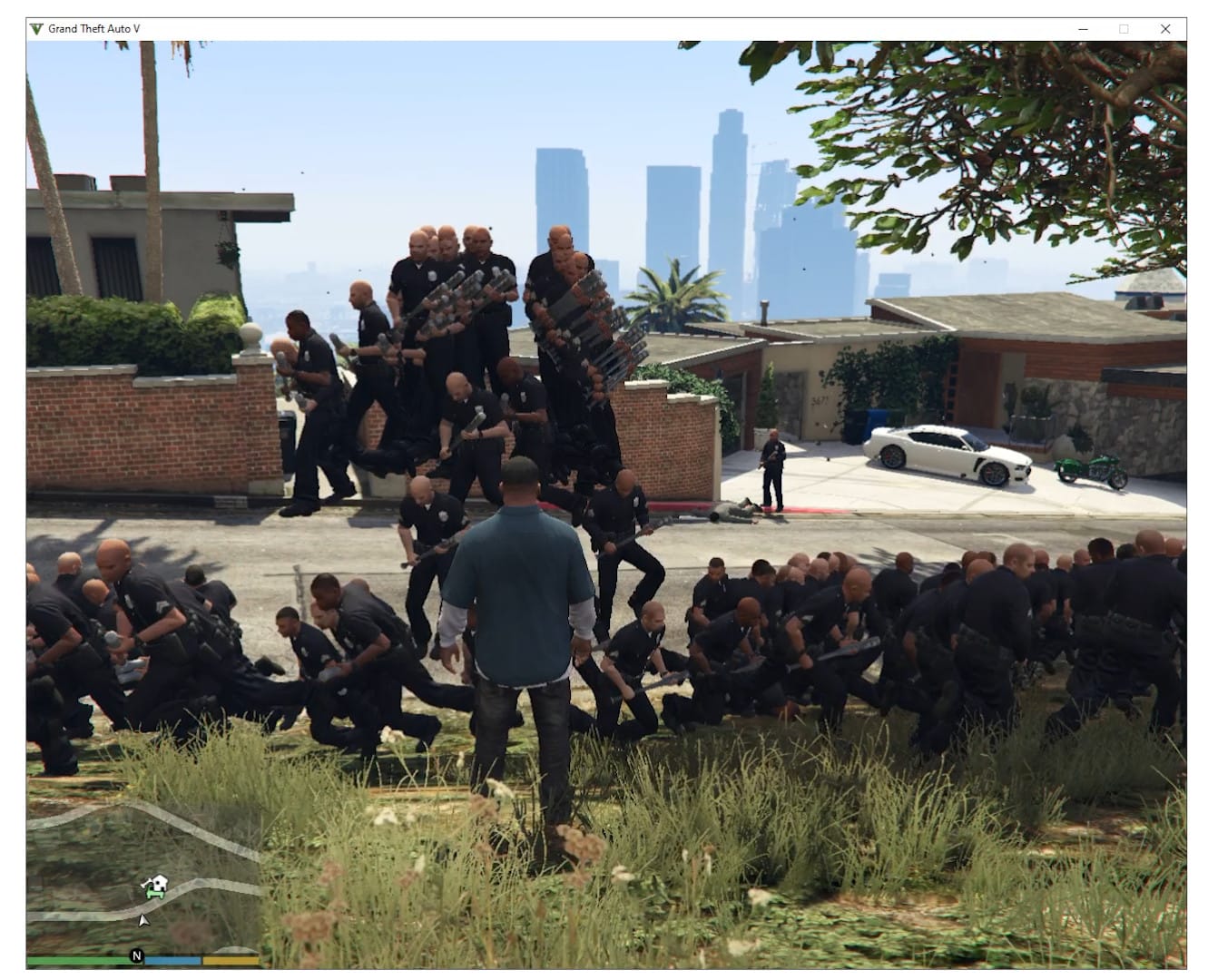
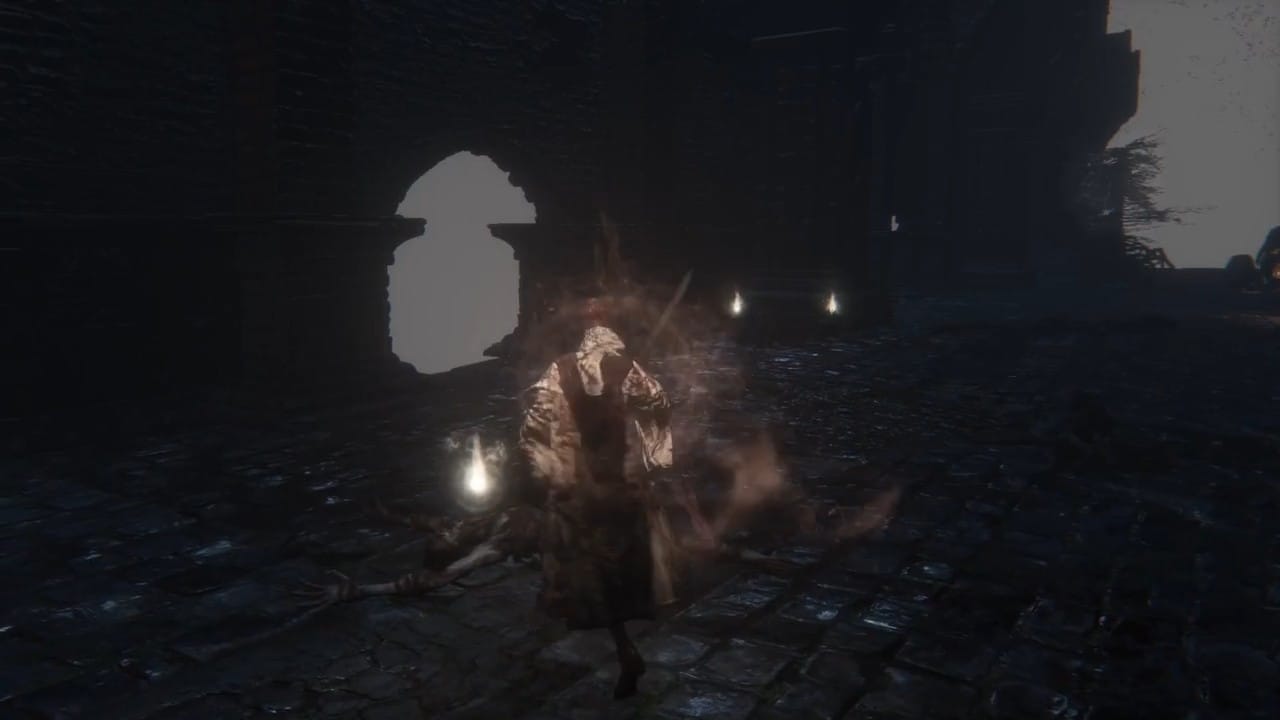
From the program, left to right: Total Refusal's World at Stake (2025), Grayson Earle's Why don't the cops fight each other? (2021) and Carson Lynn's A bronze anvil falls to the earth. (2023). Images: Total Refusal, Grayson Earle, Carson Lynn
A program like this one lasts a night and leaves a flyer behind. Killscreen's free Radar letter writes them down, along with the games and artists almost nobody else covers.