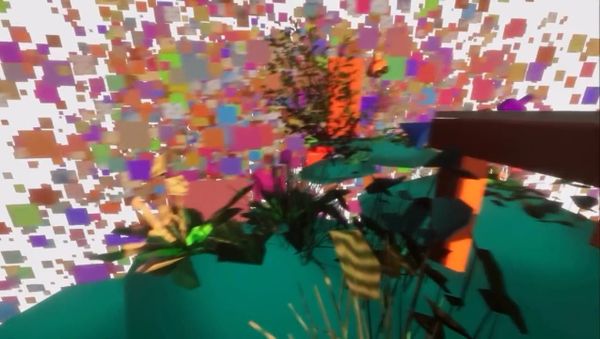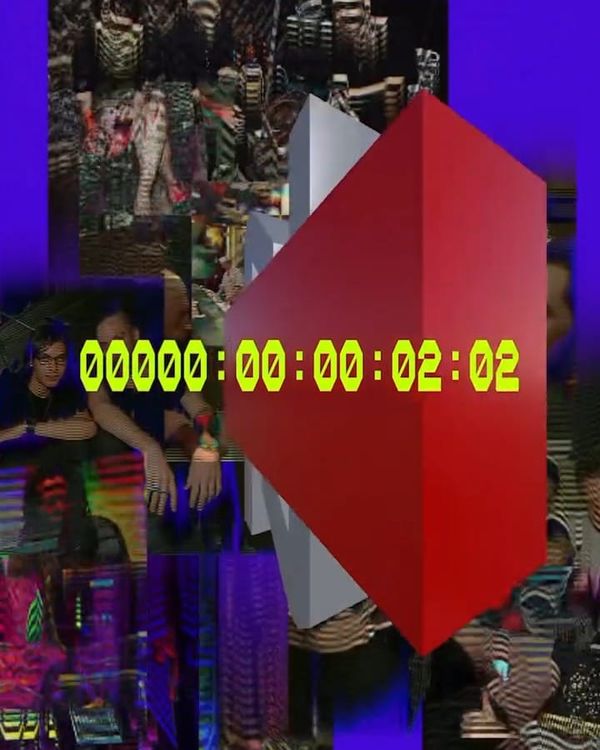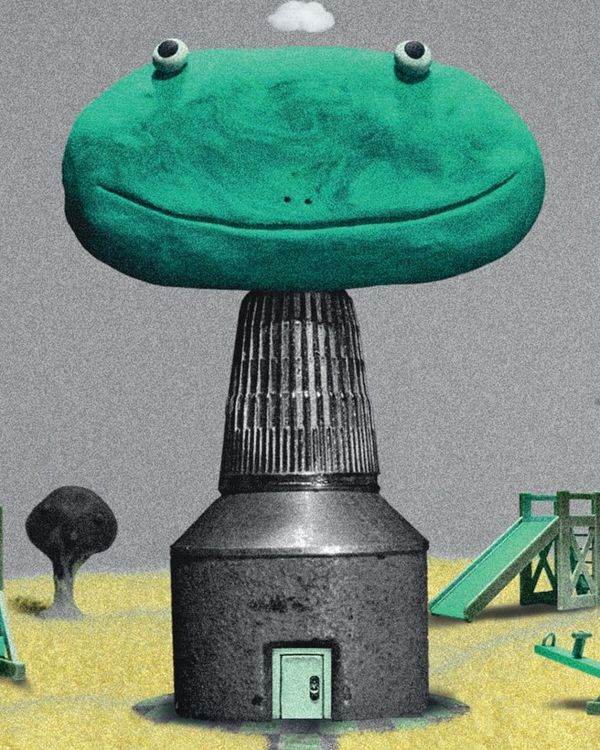
When the pixels cut away, Tenebris Somnia goes live-action
Andrés Borghi—the VFX artist behind When Evil Lurks—and Saibot Studios shot the film sequences with real actors and practical effects; New Blood publishes October 16.

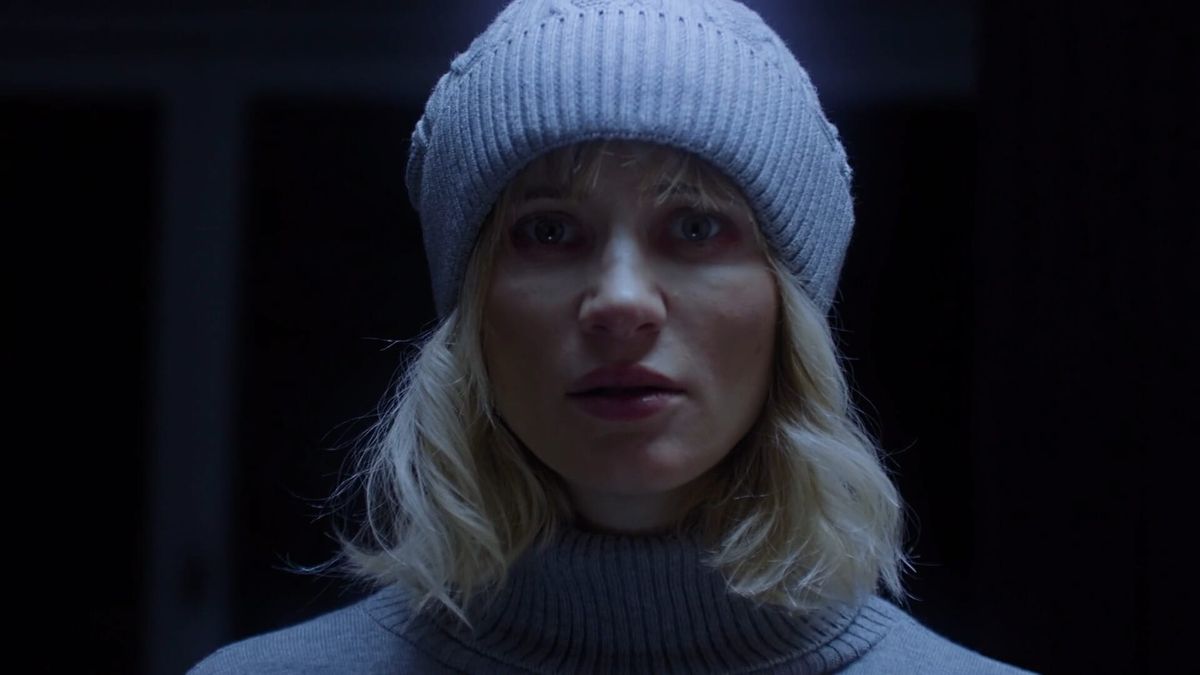
Tenebris Somnia is a survival horror adventure in the 8- and 16-bit idiom—Silent Hill and Resident Evil pacing flattened into retro 2D—until it reaches a key moment and cuts to live action: real actors, practical effects, shot by a professional film crew in Argentina. The people involved explain the confidence. It's directed by Andrés Borghi, the visual effects artist behind When Evil Lurks, and developed with Saibot Studios of Buenos Aires. You play Julia, a young Argentine woman trapped in a nightmare of monsters, puzzles, and dwindling consumables.
The date is now firm: October 16, on Steam, PlayStation 4 and 5, Switch and Switch 2, and Xbox Series, published by New Blood Interactive. The project's producer is Airdorf, creator of the lo-fi horror landmark FAITH, who in the announcement reel calls the approach "FMV-elevated" and the game "HAND-CRAFTED"—capitals theirs. The claim holds up on inspection: the production leans on practical effects throughout, and the Steam page carries no AI-generated-content disclosure.
What I like here is the rehabilitation project. FMV spent decades as games' most ridiculed format, the acronym itself shorthand for Night Trap camp, and its revivals have mostly traded on that irony. Tenebris Somnia plays it straight instead: film as the privileged register. We were tracking this instinct back when an FMV game shot inside a real decommissioned nuclear bunker; a decade on, the format's best argument is again that the camera can go where the sprite cannot.
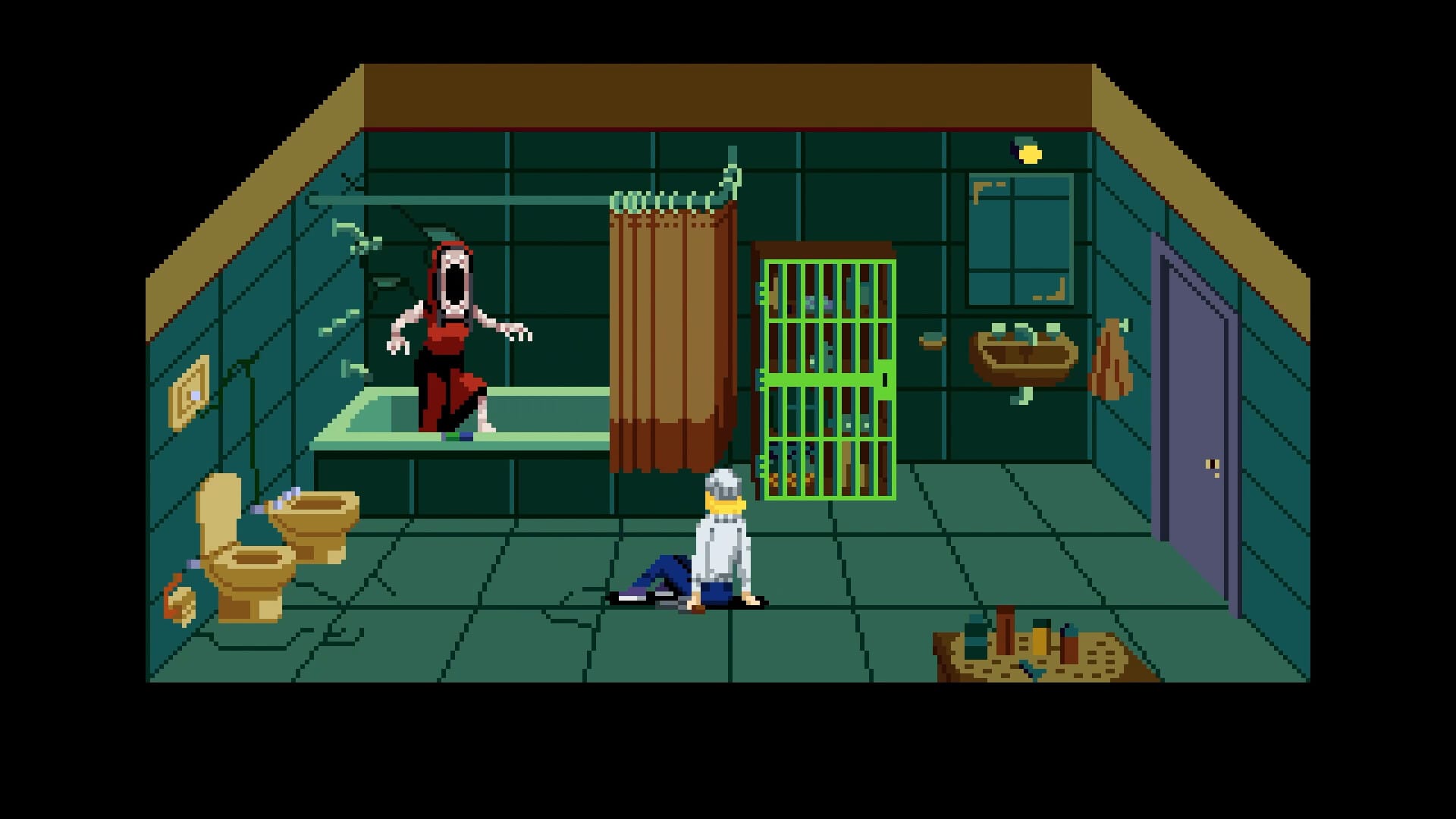
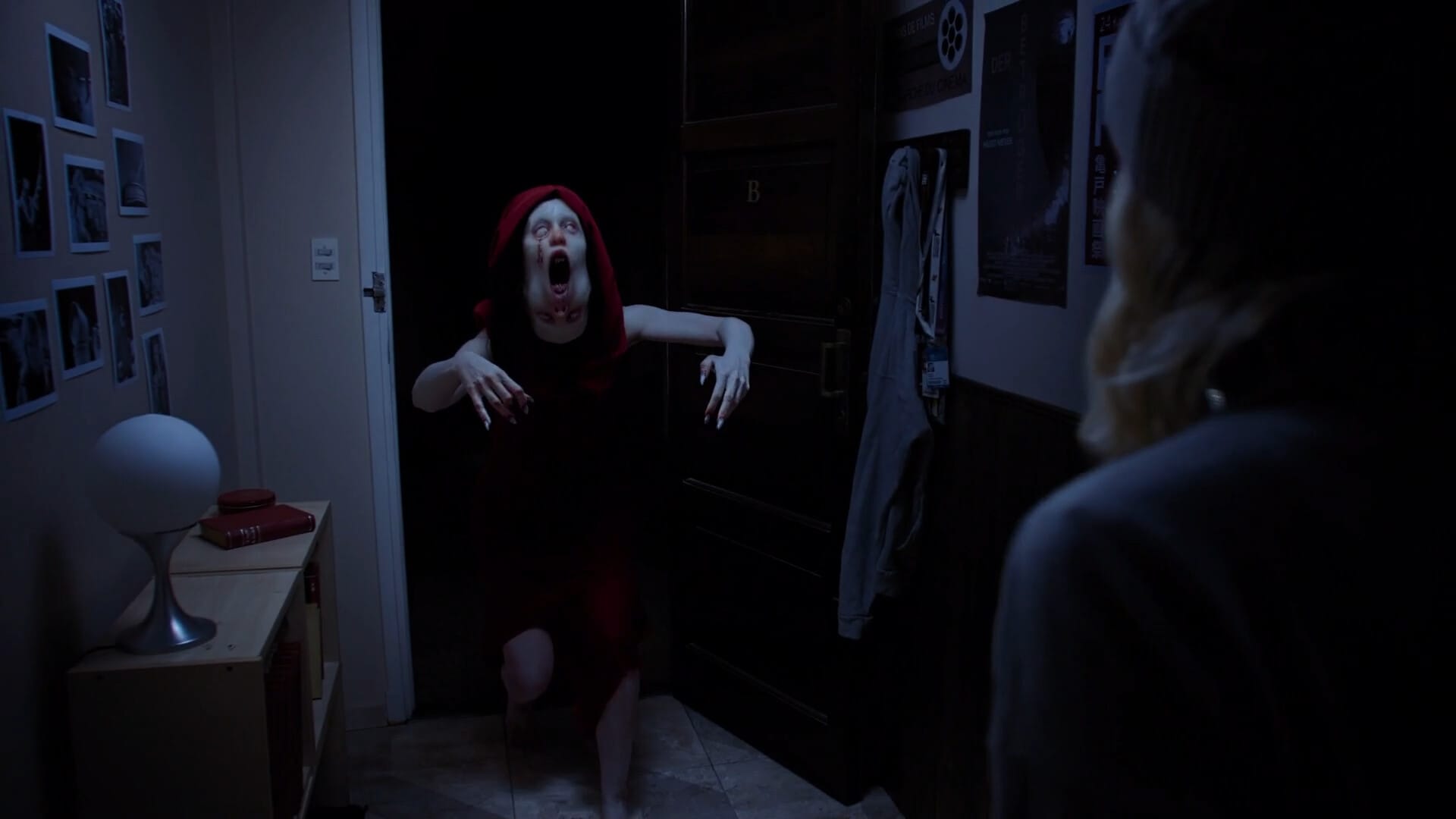
Tenebris Somnia. Screenshots: Saibot Studios / New Blood Interactive
Where film and games trade techniques is exactly the intersection Killscreen exists for. The free newsletter tracks it weekly.
![The Dating Sim That Won't Tell You Why [Podcast]](https://storage.ghost.io/c/25/84/2584b75d-4bd6-4cce-8259-f1d1c65abbb5/content/images/size/w600/2026/10/02c_last-call-for-the-redding-district_yee_npc-what-color.jpg)