SFPC's HTTPoetics reads the handmade web as memory work
Tyler Yin and Kayla Drzewicki revisit the class's hand-built sites: a CD-ROM homage, a hammam of grief, pop-up loops of a toxic relationship.


The School for Poetic Computation published a lovely piece of maintenance on August 18: "Sites for Remembering," in which Tyler Yin and Kayla Drzewicki revisit the websites made during the third run of HTTPoetics, Todd Anderson's seven-week class on the poetics of raw HTML and CSS. The announcement carries the thesis in one line: in a culture of generative abundance, making a website by hand is "an act of love that goes against the grain."
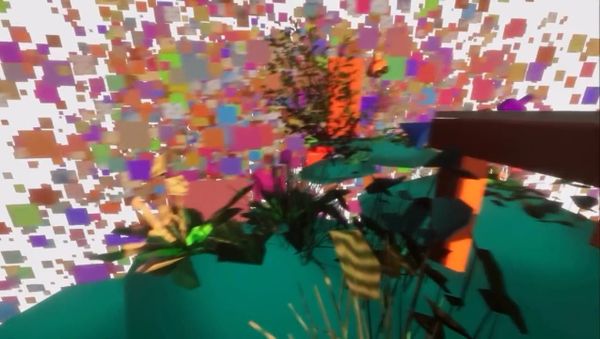
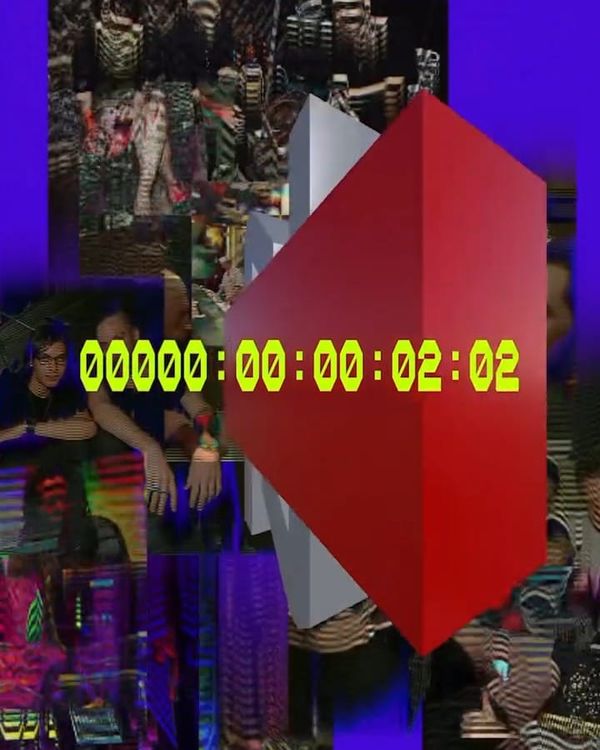
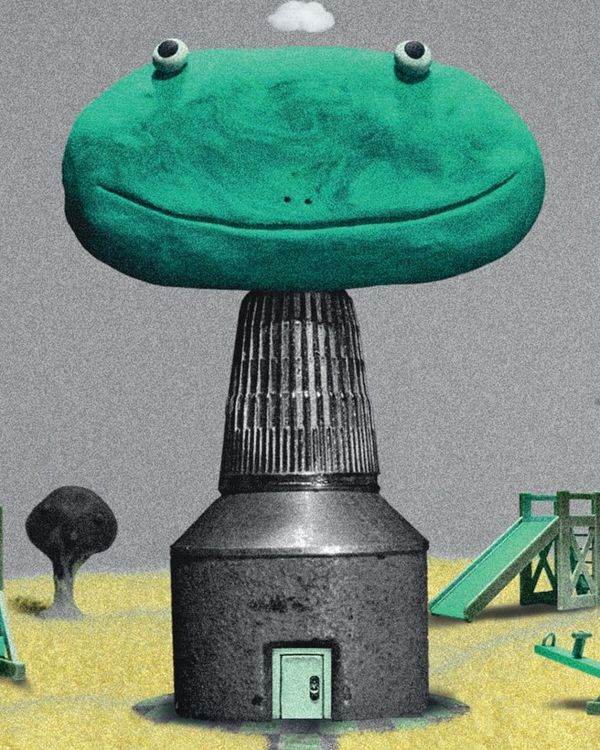
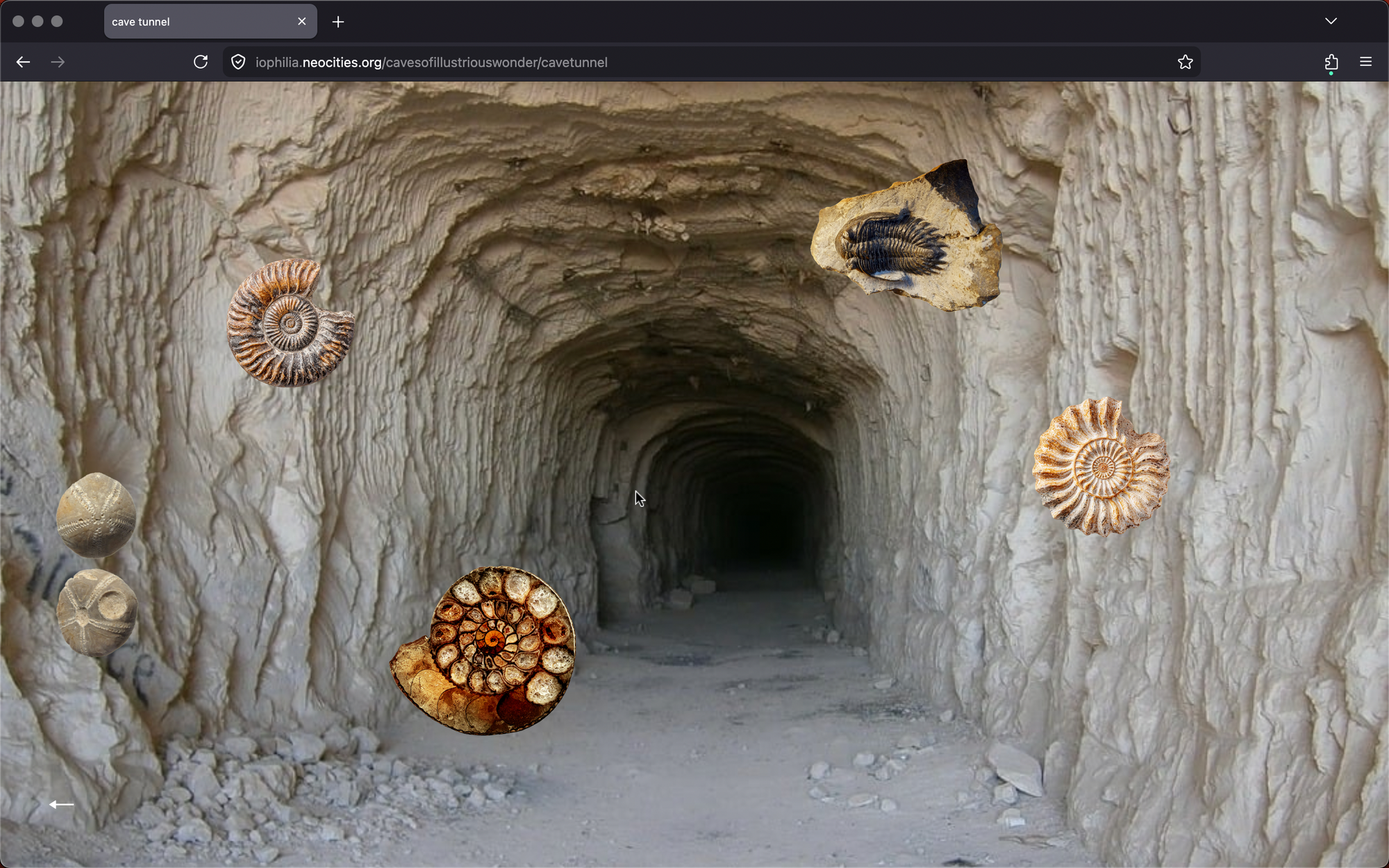
Gracielle Camara's iSpy World remakes the I Spy books as a browser experience with a cursor-flashlight, straight out of the CD-ROM era of seek-and-find. Ethan Murakami's when you leave a window open narrates a toxic relationship through dialog boxes and pop-ups, where the only available "choice" is inaction, looping until the visitor finally closes the windows—branching structure used to model being stuck. AJ Toure's iophilia navigates cave scenes by collage; Azad Namazie's ham.mam opens bathhouse rooms with a ritual in each; Samiha Alam's do not stop the car treats the site itself as a transitory space between memory containers.
The class read Laurel Schwulst's line of thinking about websites as rooms and houses, and it shows: these are places, not pages. The argument underneath is the one Killscreen keeps making about games—craft as resistance to the generated and the forgotten—and it has a long tail here; back in 2016 we covered a website built to remember the pre-broadband internet. Websites rot faster than memories do. Hand-coding one anyway is the point.
The handmade-versus-generated argument is the one Killscreen keeps making about games. The free newsletter is where we make it, weekly, by hand.
![The Dating Sim That Won't Tell You Why [Podcast]](https://storage.ghost.io/c/25/84/2584b75d-4bd6-4cce-8259-f1d1c65abbb5/content/images/size/w600/2026/10/02c_last-call-for-the-redding-district_yee_npc-what-color.jpg)