Seventeen artists rethink our place on earth at the Frist
Shimmer: Dreaming the Posthuman brings game-engine worlds by Ian Cheng and Jakob Kudsk Steensen to Nashville, plus an MIT Press catalogue.

- When
- Through Jan. 3, 2027
- Where
- Frist Art Museum, Ingram Gallery, Nashville
This fall the Frist Art Museum in Nashville hands its Ingram Gallery over to the nonhuman. Shimmer: Dreaming the Posthuman, on view September 25, 2026 through January 3, 2027, gathers 17 artists working with everything from digital animation and AR/VR to artificial intelligence, all aimed at the same target: the assumption of human superiority that, in the museum's framing, blocks an ethics of care for the planet. The announcement circulated via participating artist Nancy Baker Cahill, whose AR work sits alongside a genuinely stacked roster.
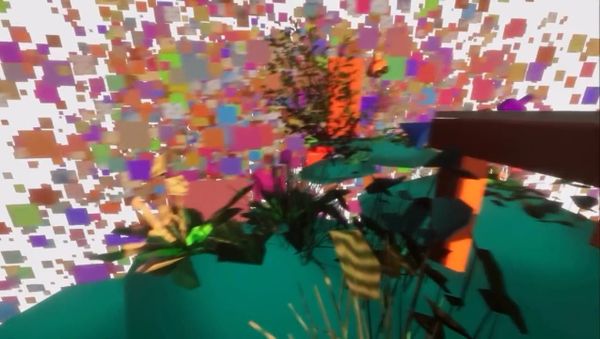
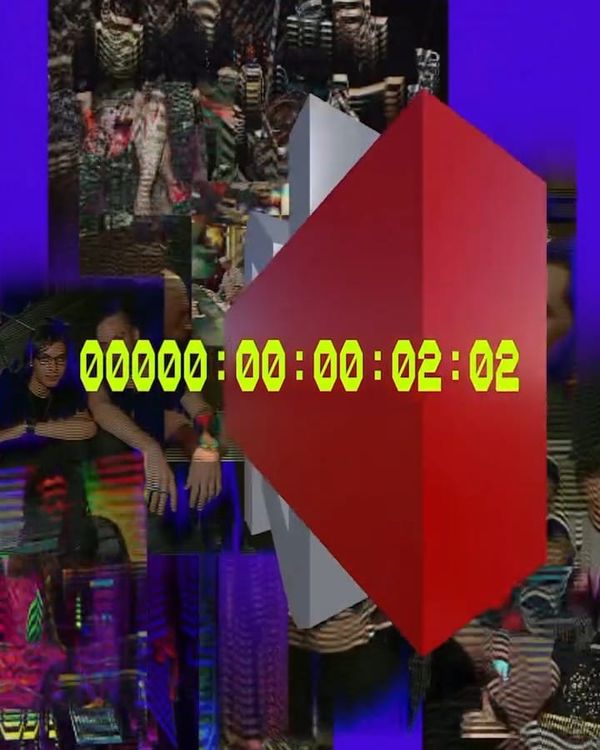
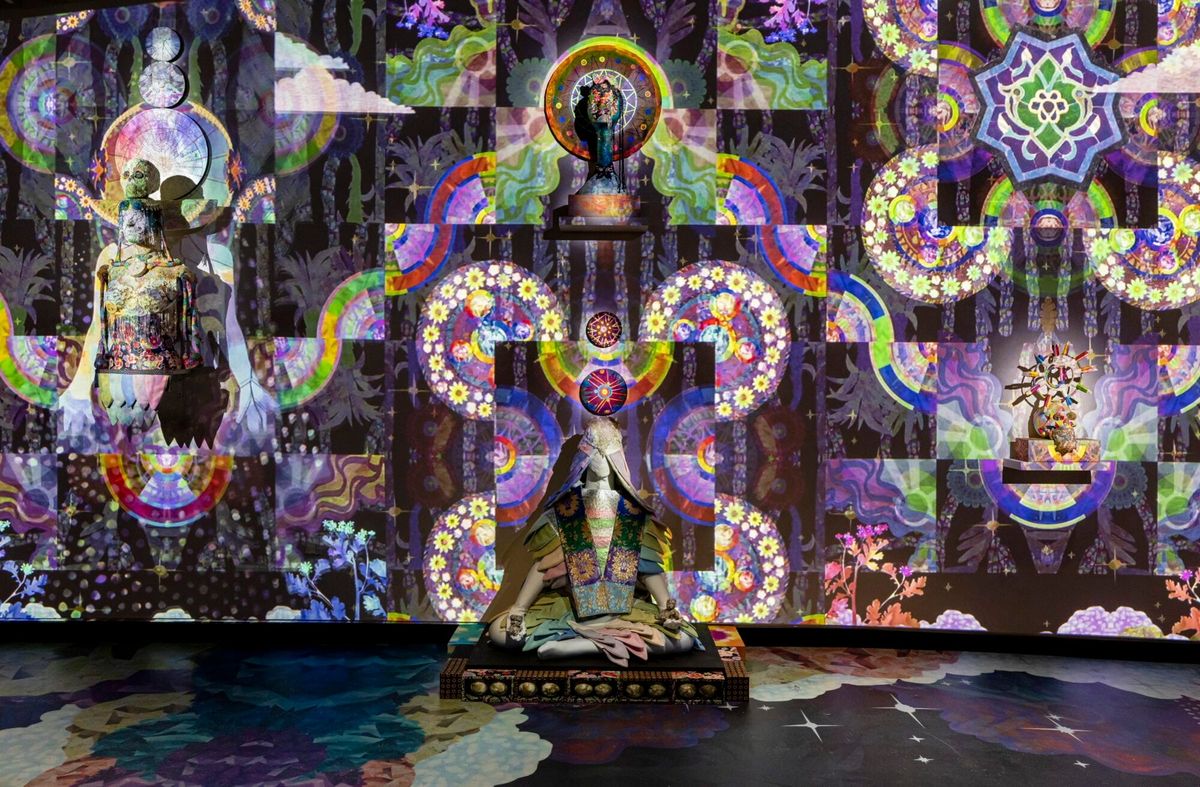
What strikes me is how much of that roster runs on game technology. Ian Cheng's live simulations behave like ecosystems left to play themselves. Jakob Kudsk Steensen builds swampy, first-person landscapes—the show includes Aquaphobia—in a game engine. Marina Zurkow's Mesocosm (Wink, TX) is generative software running a 146-hour year. Add Rachel Rossin, Jacolby Satterwhite, and Saya Woolfalk's kaleidoscopic Floating World of the Cloud Quilt, and the exhibition reads as a survey of real-time simulation as a museum medium. The show sorts itself into three sections—ecology and extinction, guiding avatars the curators call “angels in the machine,” and ontologies that bridge ancestral and contemporary belief systems.
There's a book, too: Shimmer: Artists Dream a Posthuman World, a 166-page MIT Press catalogue coedited by the Frist's Mark W. Scala and writer Nora N. Khan, one of the sharpest critics working on art and computation. Museums have been absorbing game hardware and game grammar for a while now—we watched four decades of consoles move into the museum—but Shimmer flips the direction: not games entering the collection, but the museum adopting games' native trick of building worlds that don't need us at the center.
Museums are borrowing games’ native tricks, and Killscreen watches it happen every week. The newsletter is free.