A dangling marionette is Vitalic's newest synthesizer
The spirit of Gary's mod lives in 1024 architecture's PUPPET installation

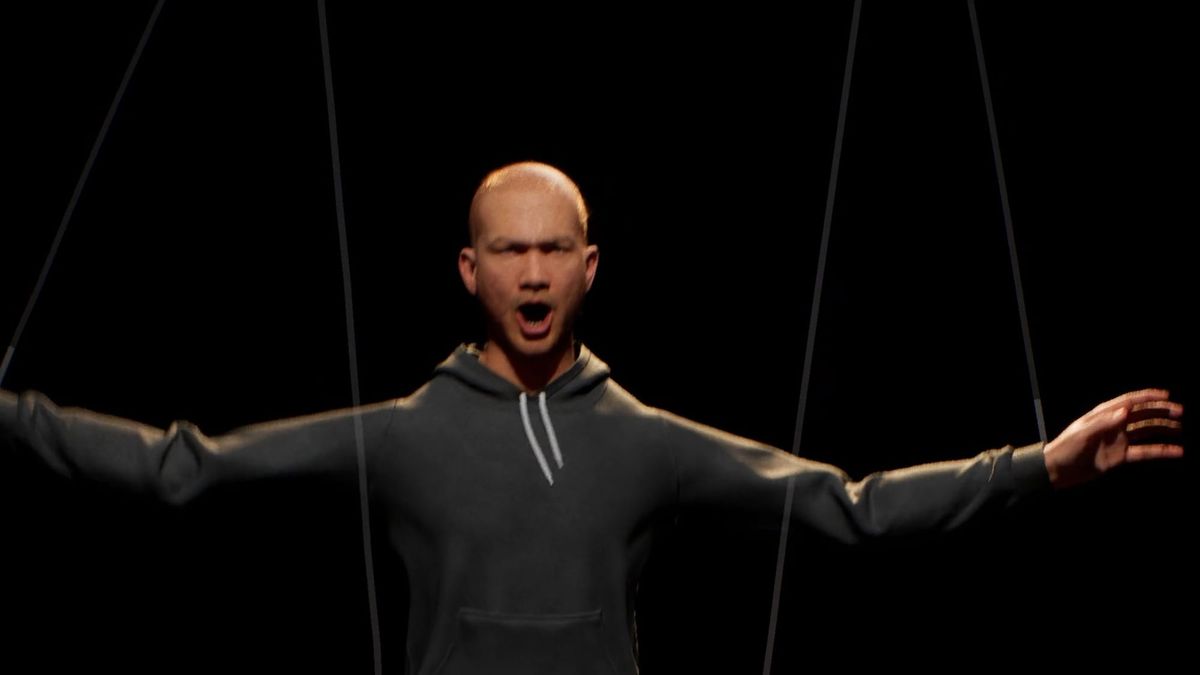
The instrument hangs there like a ragdoll waiting for a physics engine to notice it. In PUPPET, an installation by French studio 1024 architecture and electronic producer Vitalic, visitors grab a marionette-like 3D character and play it: each gesture triggers a melody, a rhythm, an effect, until yanking the figure around has composed an actual track. The video announcing its Atlanta date makes the loop legible in seconds — gesture in, sound out, the cause-and-effect grammar of a game tutorial aimed at composition instead of combat.
PUPPET by 1024 architecture x Vitalic (excerpt, muted). Watch the full video with sound on Vimeo.
1024 architecture is Pier Schneider and François Wunschel, architects by training who have spent nearly two decades making buildings and stages behave like software. The pair's history with Vitalic goes back to VTLZR, the volumetric light synthesizer that toured with the producer in 2012. Neural reviewed PUPPET in May and located what makes it interesting: its “disarticulated” body language sits closer to alternative games and artists' animation than to the spotless virtuosity computer graphics usually chases.
After a Spanish premiere at L.E.V. Matadero in July, the piece lands at SITE, Goat Farm's one-night festival across its 12-acre Atlanta campus, on October 3 — one of more than 50 works on the grounds, with support from Villa Albertine.
Games have been sneaking the body-as-instrument idea into art contexts for a decade such as Limp Body Beat, which made percussion out of floppy physics men, back in 2016. And just weeks ago we watched Nxt Museum hand visitors the puppeteer's strings. PUPPET closes the circuit. The ragdoll — the most undignified citizen of game physics — gets promoted to synthesizer, and the audience gets promoted with it, from spectator to performer.
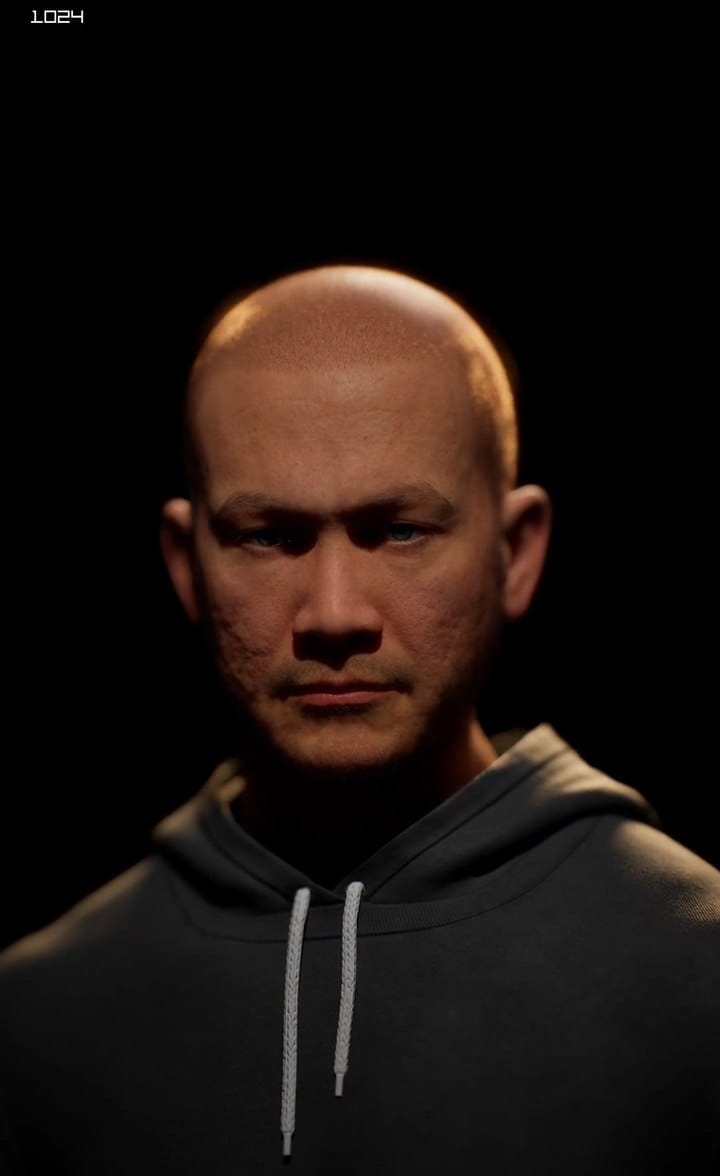
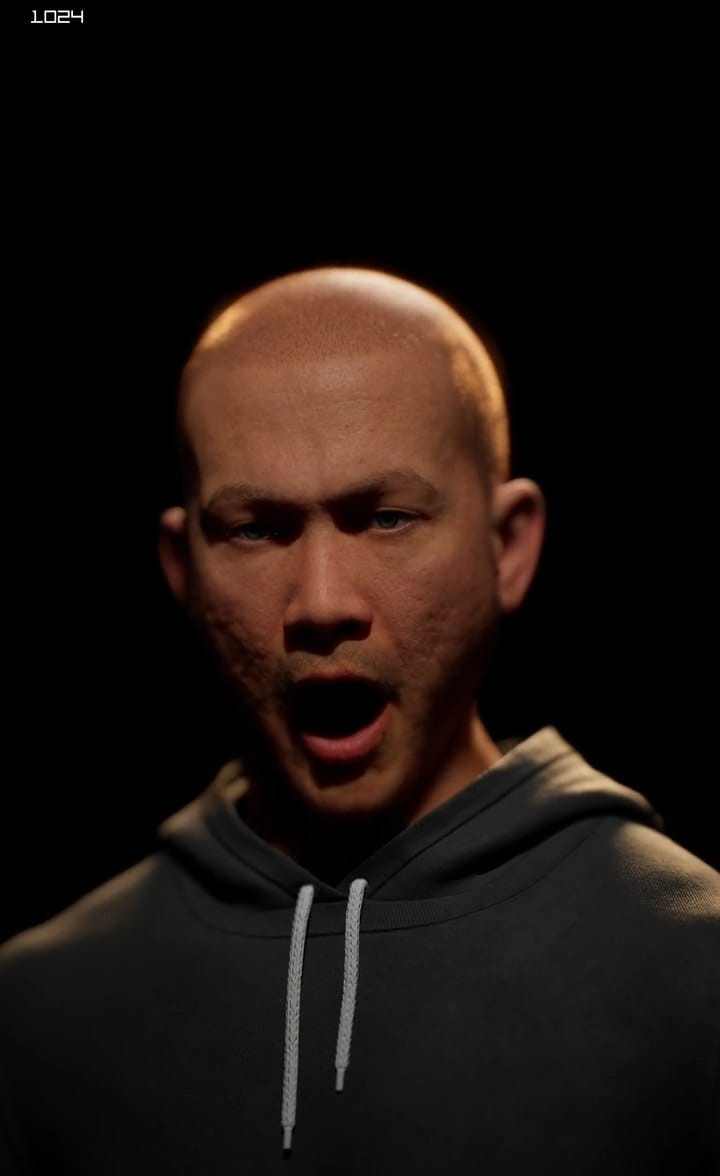
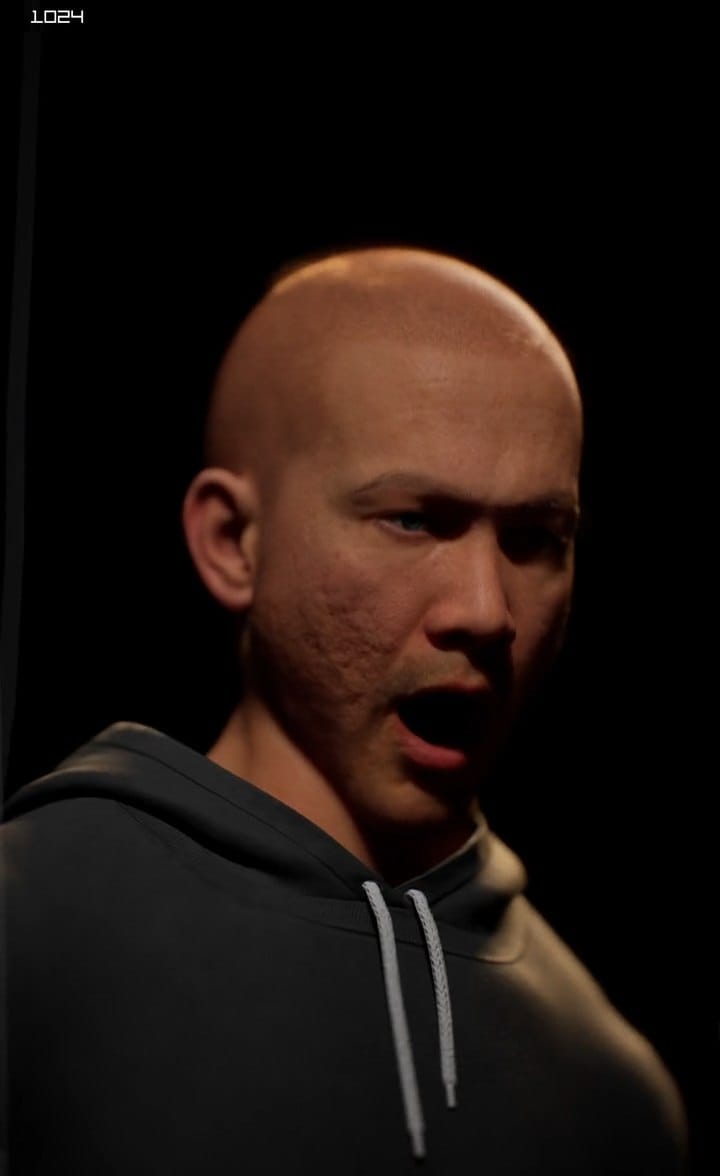
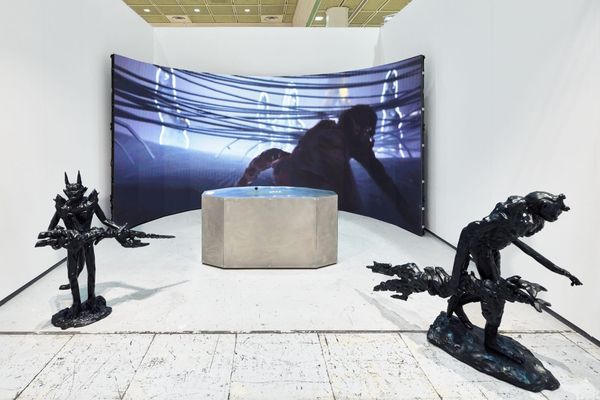
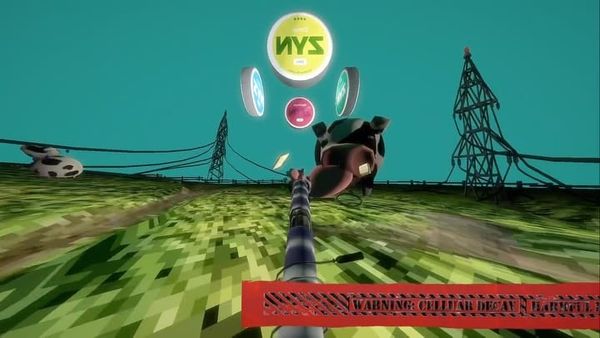
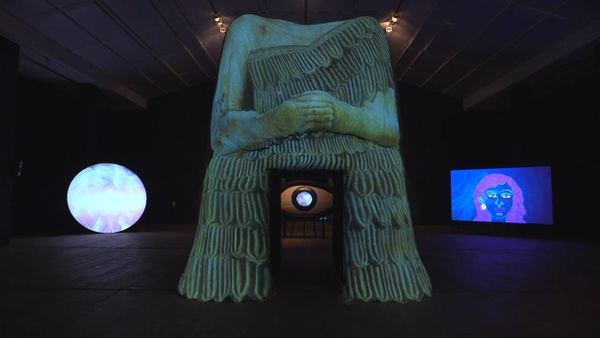
Frames from PUPPET. Courtesy 1024 architecture.
Game mechanics keep escaping the screen — into galleries, festivals, concert rigs — and Killscreen has been following them out since 2010. The free newsletter is where the next one turns up first.