Plum Road Tea Dream's grief sanctuary gains a mausoleum
Jira Duguid's level joins six other sanctuaries built by an avatar called S., in a game whose only verbs are walking, sitting and listening.


Somebody playing Plum Road Tea Dream has already asked how you get out of the Mausoleum. That is either a bug report or the most accurate review the level will ever get, because a Mausoleum is Jira Duguid's contribution to the game's sanctuary for queer grief: a room built for mourning, with a player standing inside it looking for the door.
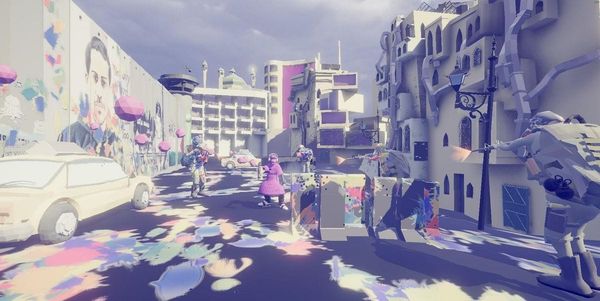
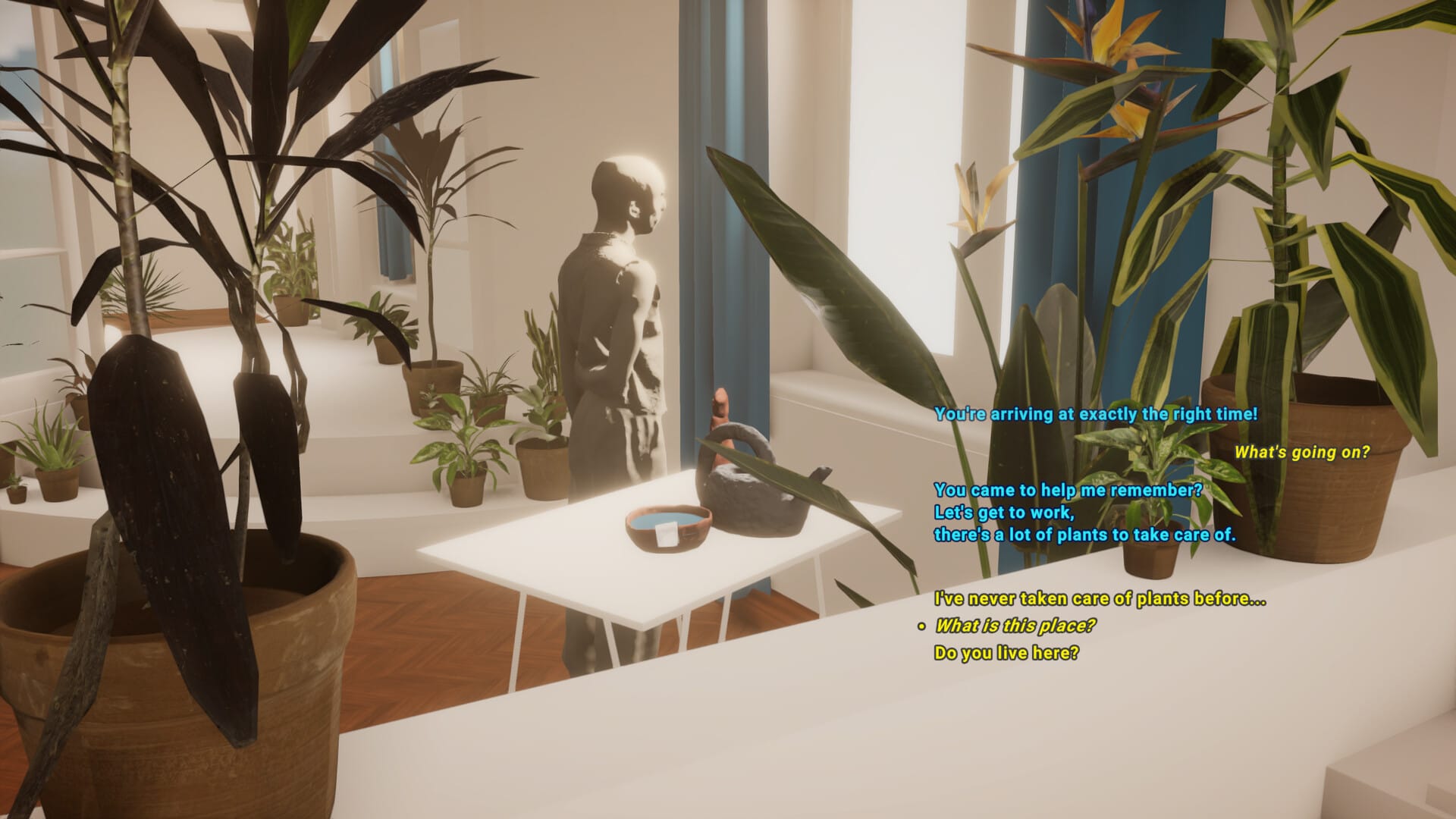
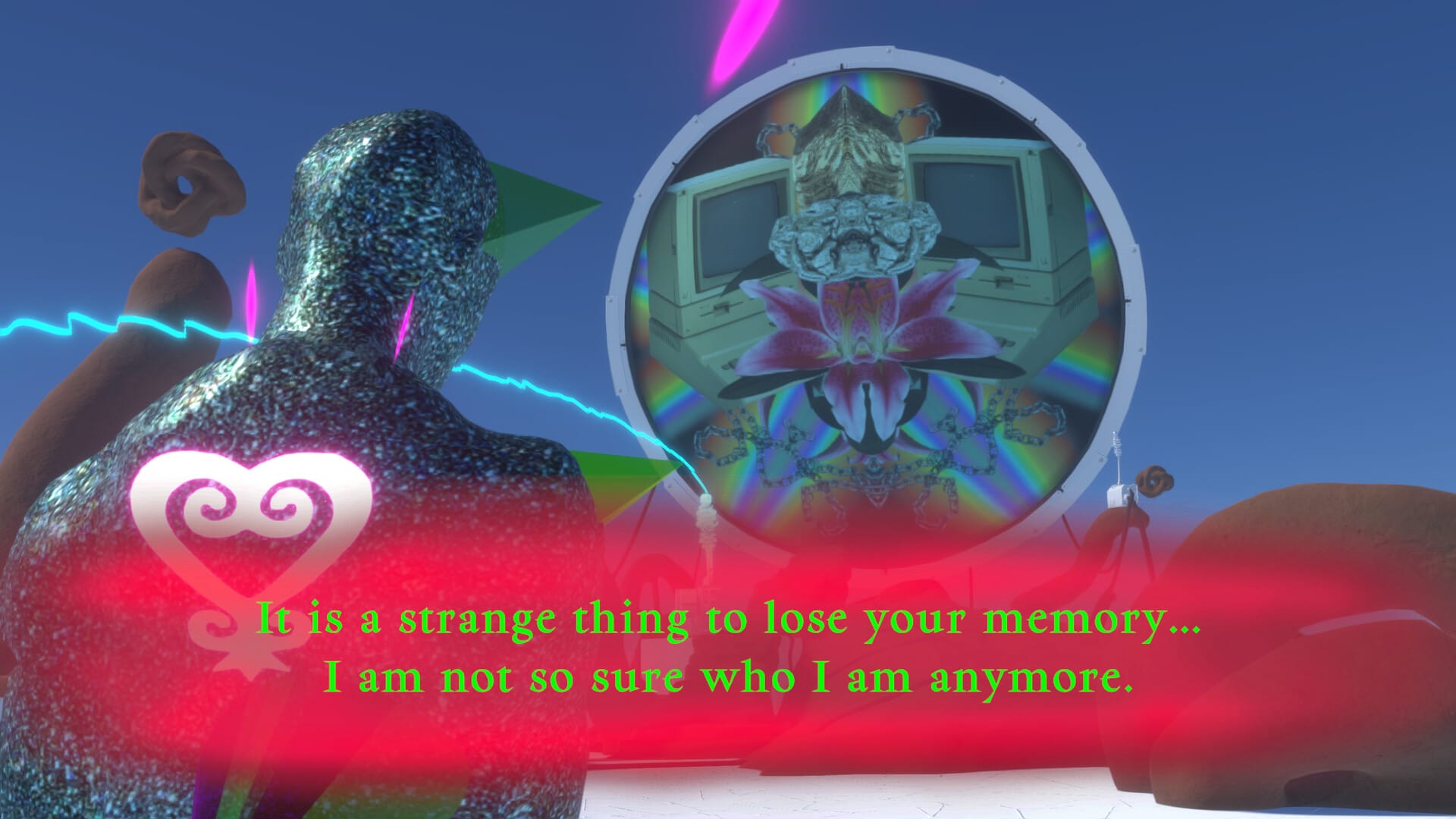
The game came out on Steam in late July. It is the work of Samuel Baidoo, a Brussels-based artist and performer, made with Reveal Game Studio and a collaborator list that runs to six game developers, 11 artists, and four composers. You play through seven sanctuaries built by an avatar called S., a young queer game designer of color whose memories you are walking around inside. The main verbs are walking, sitting, and listening. Visual styles lurch from hyperreal to PSX-era jaggies depending on which chapter's memory you're standing in—a formal decision that reads as autobiography, since nobody remembers their life at a consistent resolution.
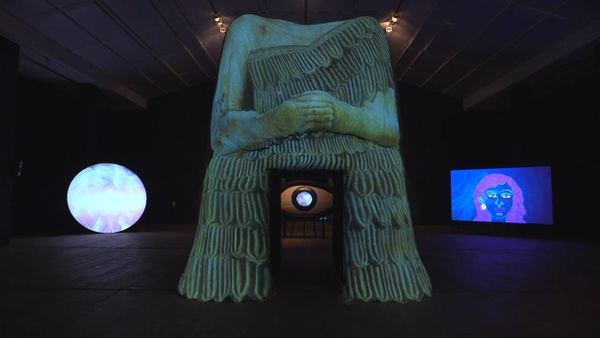
The pitch is explicit about what it's pushing against: Plum Road Tea Dream means to detach the videogame from "violence and imperialism" and hand it to connection and healing instead. Clay sculptures and handmade objects were 3D-scanned into the world, so the thing is physically continuous with the studio it came out of. It was a Nuovo Award finalist at this year's Independent Games Festival—and it isn't only a game. In April, Baidoo staged it as a live performance at DE SINGEL in Antwerp, two sold-out nights with an exhibition running on afterward. The sanctuaries have already been rooms people sat in.

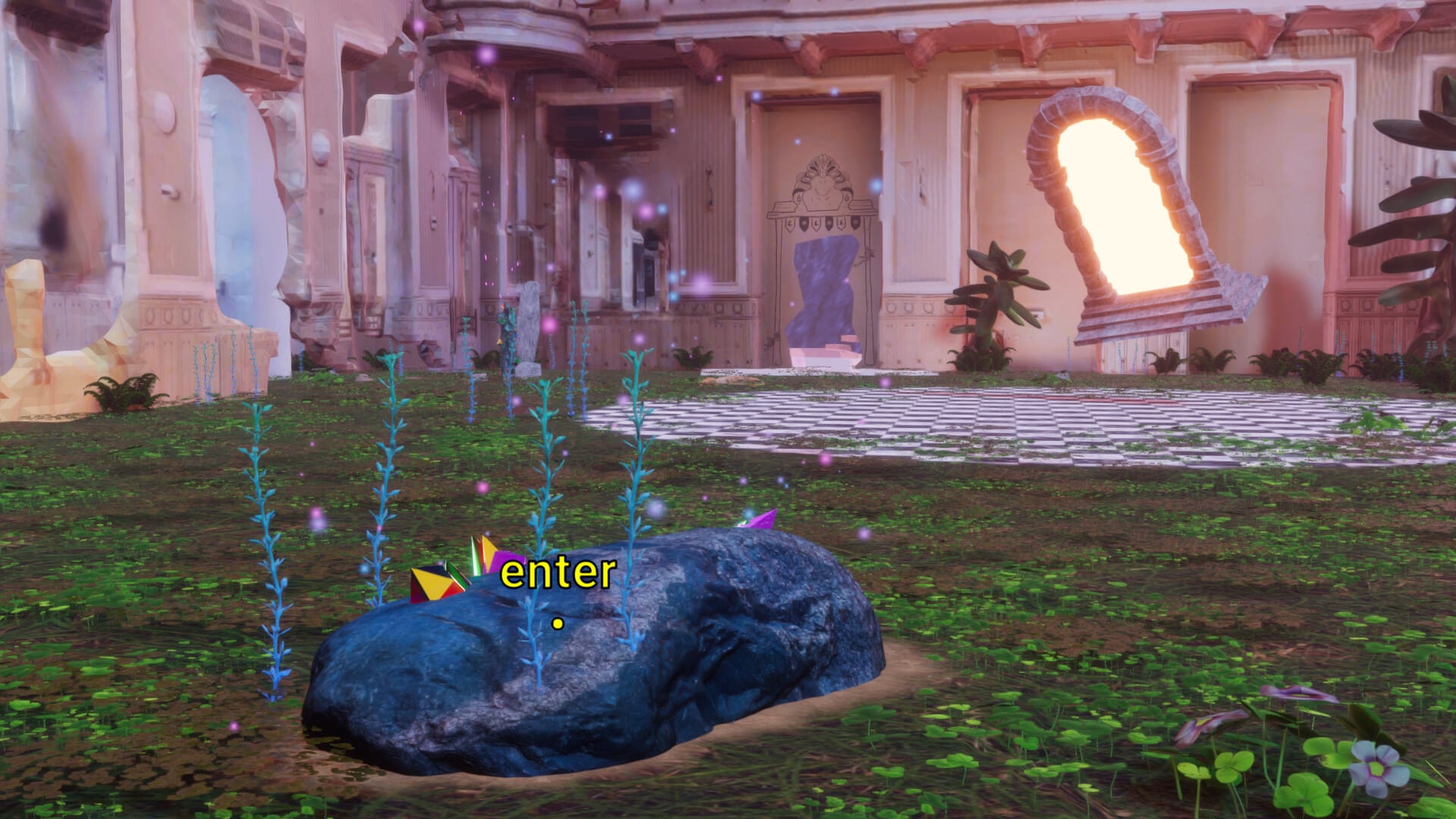
Killscreen keeps returning to this. Earlier this year we wrote about Jonathan Coryn's six-year project where caressing grieving figures is the mechanic, and a decade before that, Fragments of Him. Duguid's mausoleum extends the lineage in a specific direction—not grief as narrative, but grief as architecture you can be inside, and struggle to leave.