Paul Chadeisson's Megastructures Fill a New 240-Page Book
Read-Only Memory's Horizons runs from Ancient to City, with case studies that take single images from sketchbook to final render.

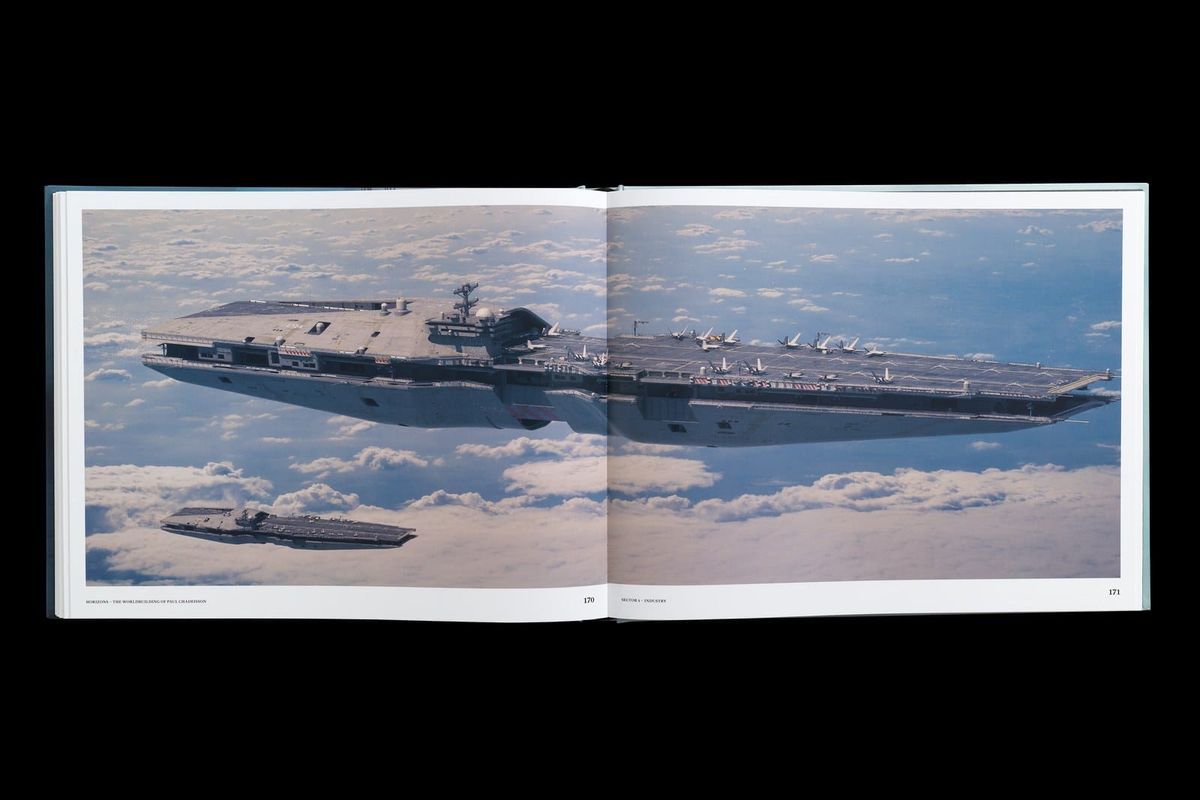
Read-Only Memory released Horizons: The Worldbuilding of Paul Chadeisson on Nov. 19, according to the publisher's announcement. The 240-page, landscape-format book collects personal and commissioned work by Paul Chadeisson, a concept artist whose credits include the anime short Blade Runner Black Out 2022 and the games Final Fantasy XV, Call of Duty: Infinite Warfare and The Surge.
The book has four chapters: Ancient, Space, Industry and City. Each pits reproductions of finished images with what the publisher calls "Worldbuilding Case Studies," a single image from sketchbook pages to a rough 3D build to the final high-detail render. Read-Only Memory's listing places the work in a line running back to 1970s science fiction illustrators, among them Ralph McQuarrie and Syd Mead.
Chadeisson has stated the structures start from real industrial sites. "I used to visit a lot of abandoned places like power plants, blast furnaces, slums and medieval places," the artist told ArtStation Magazine in 2018. "I am very fascinated by the amazing things humans can build and forget when it's not profitable anymore." The megastructure itself has a long history in games: in 2016, Killscreen looked at how Tsutomu Nihei's manga Blame! shaped videogame architecture.
The standard edition is $65. A slipcased Deluxe Edition, $125, adds an alternate cover and a 240 by 310 mm archival print signed by Chadeisson. It is limited to 500 copies. Read-Only Memory, based in London, is best known for design-led game histories such as PlayStation: The First 30 Years, which Killscreen covered on its release.
For more reading see ArtStation Magazine's 2018 profile of Chadeisson, Chadeisson's concept art for Remember Me at Concept Art World and the Deluxe Edition listing.
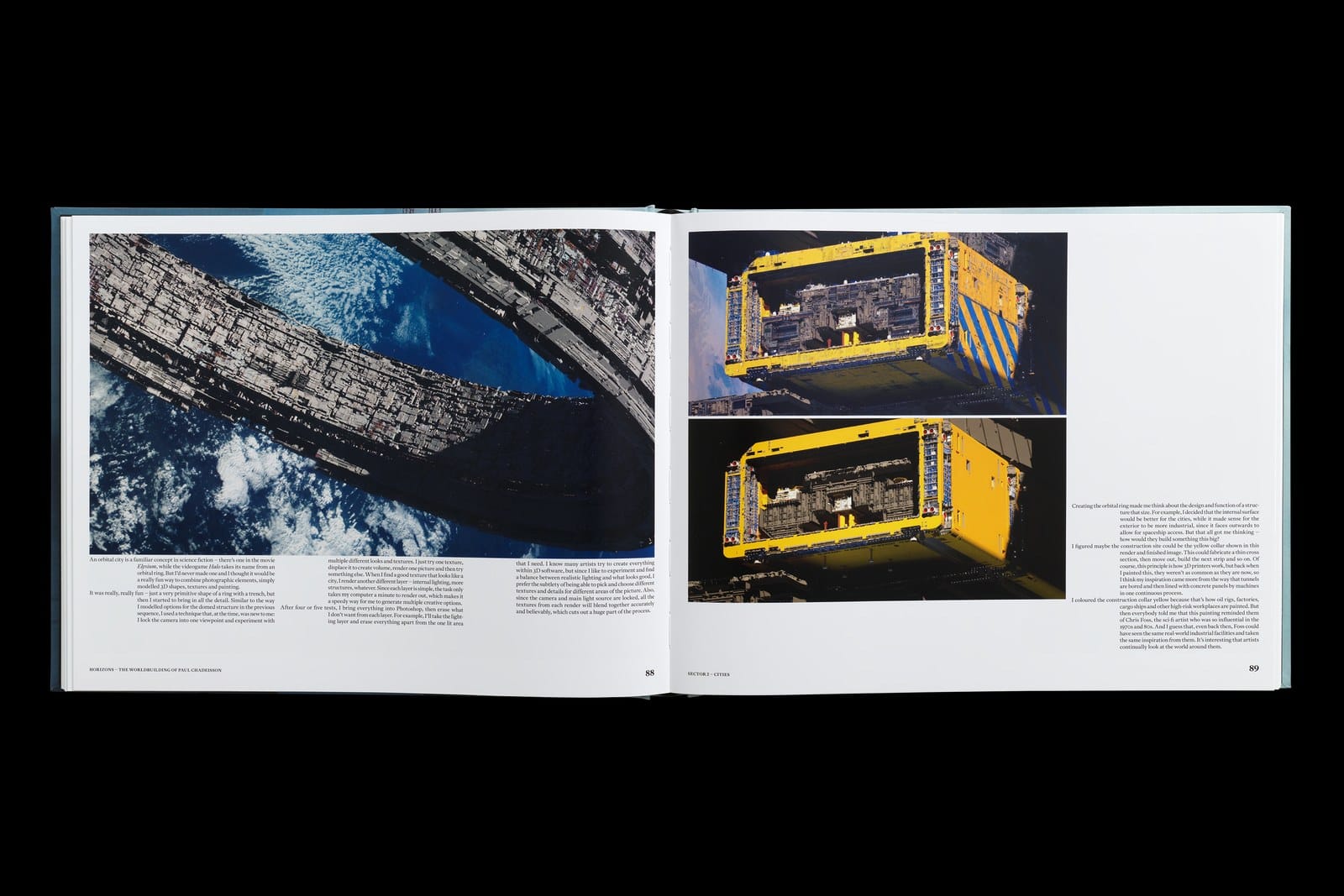
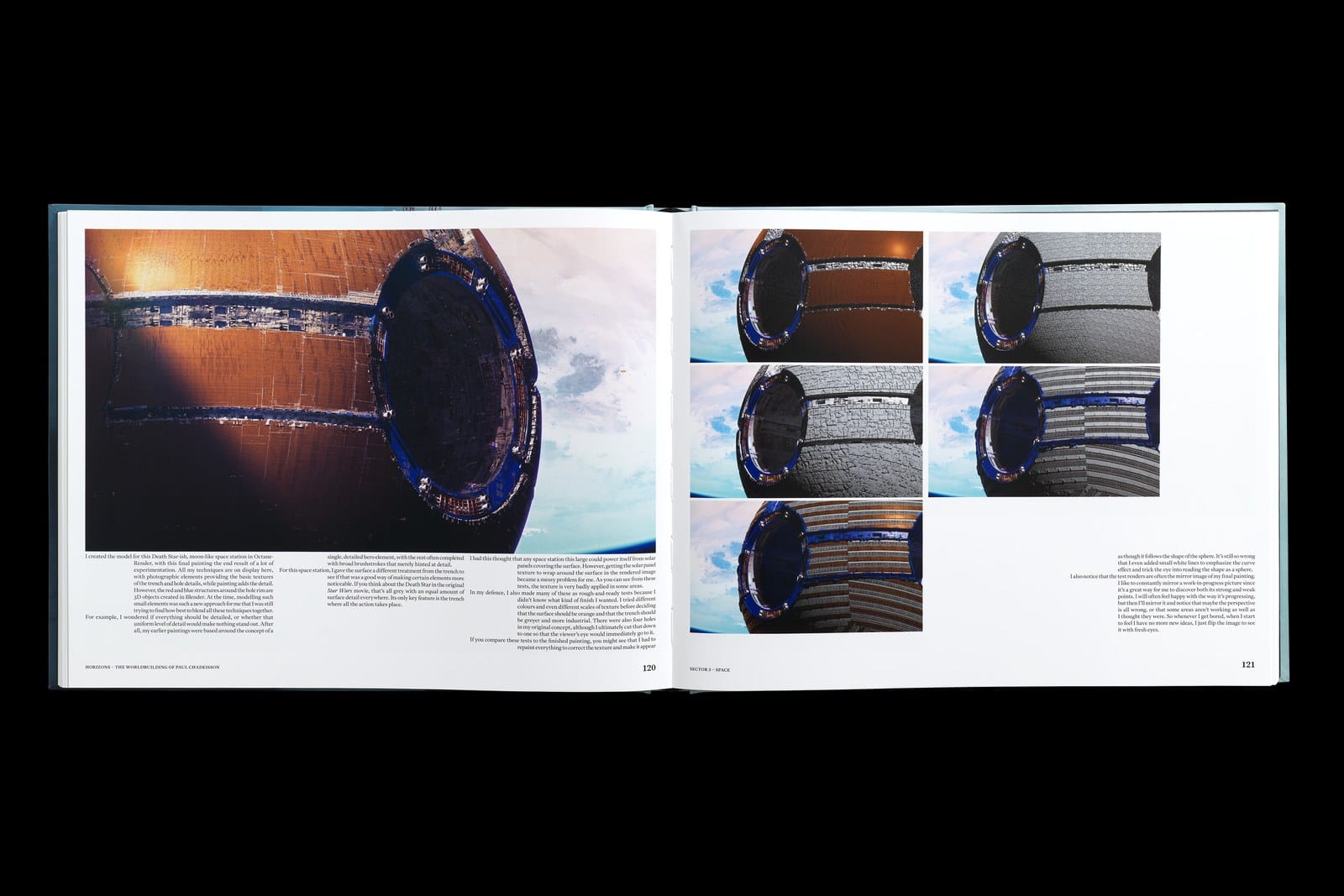
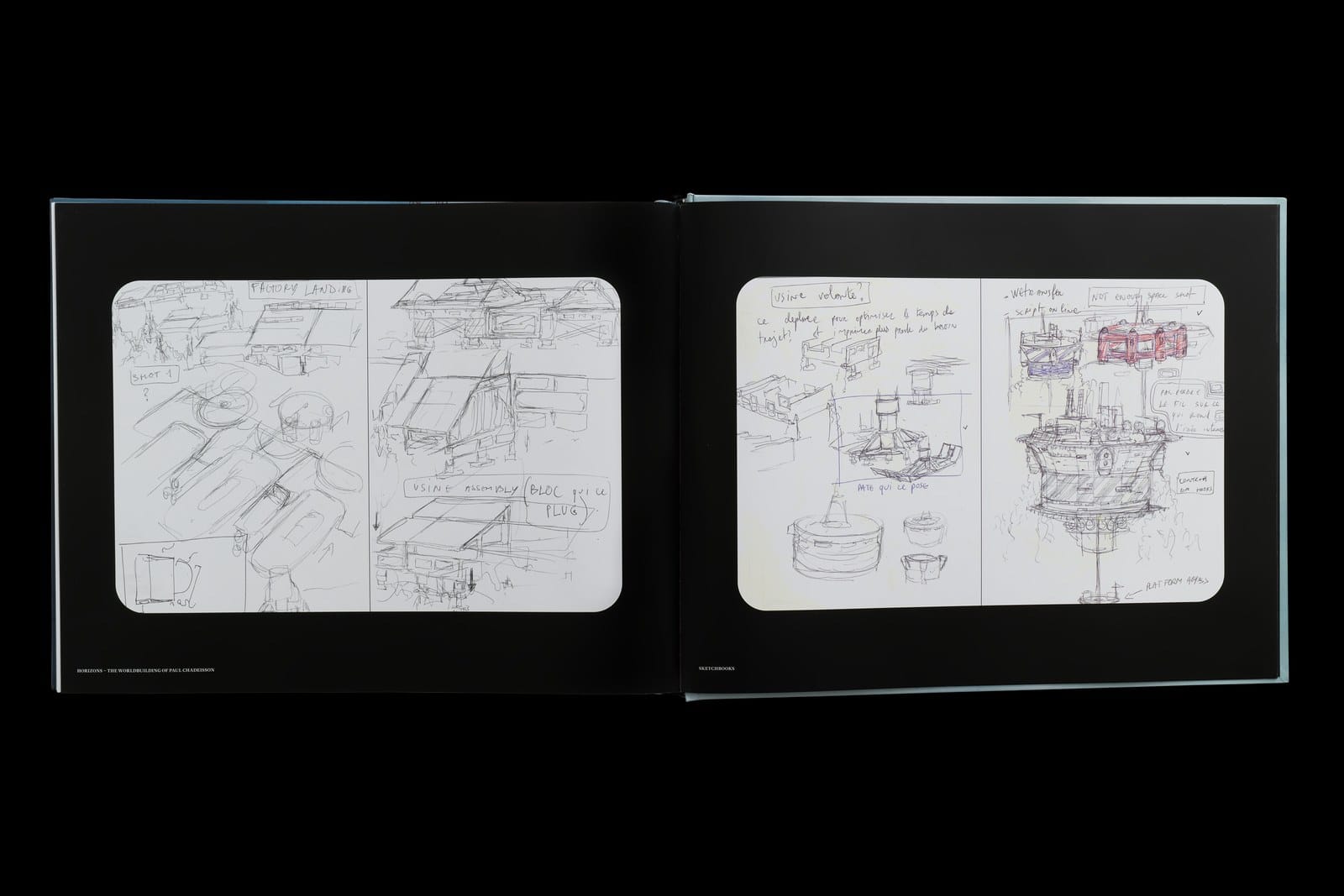
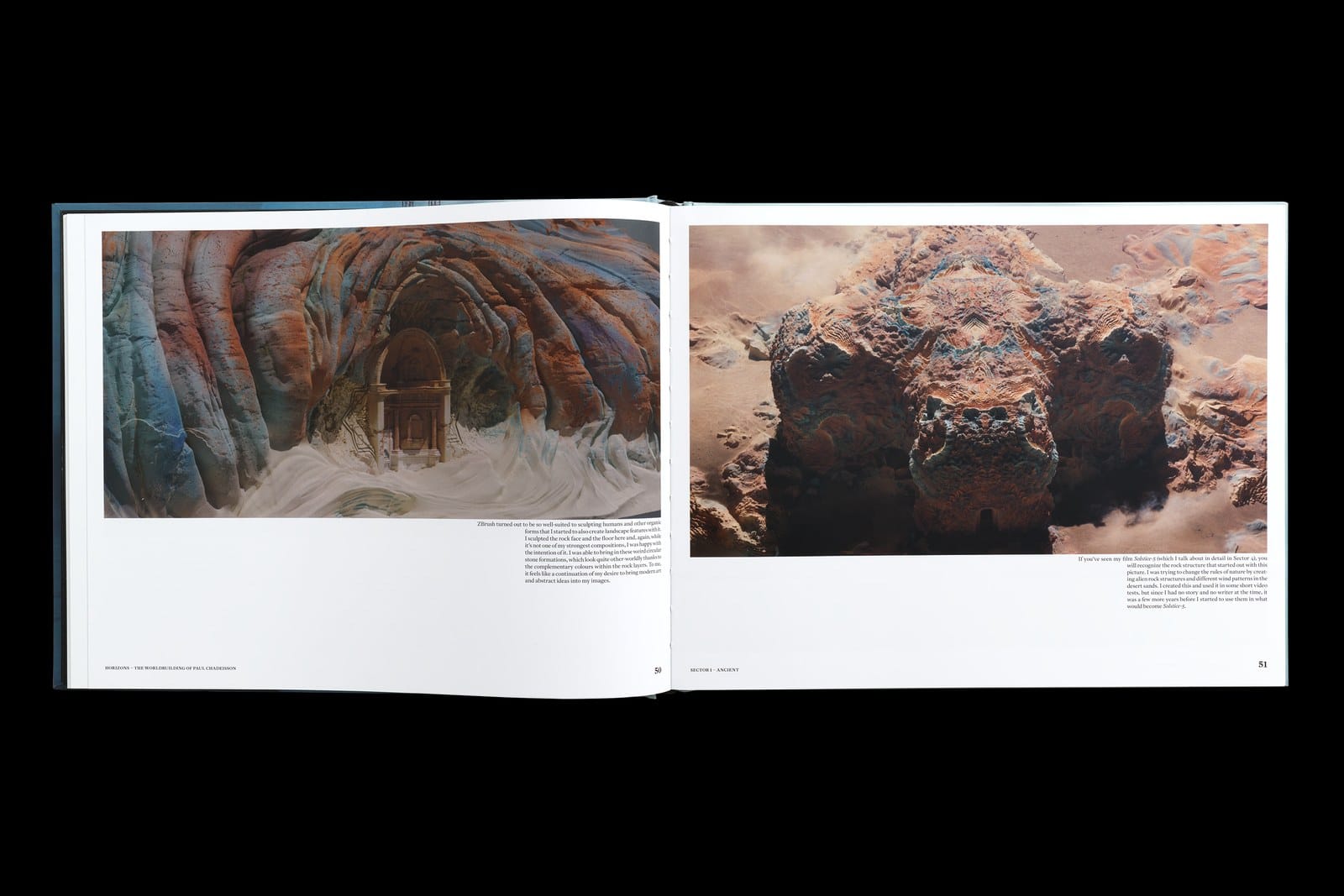
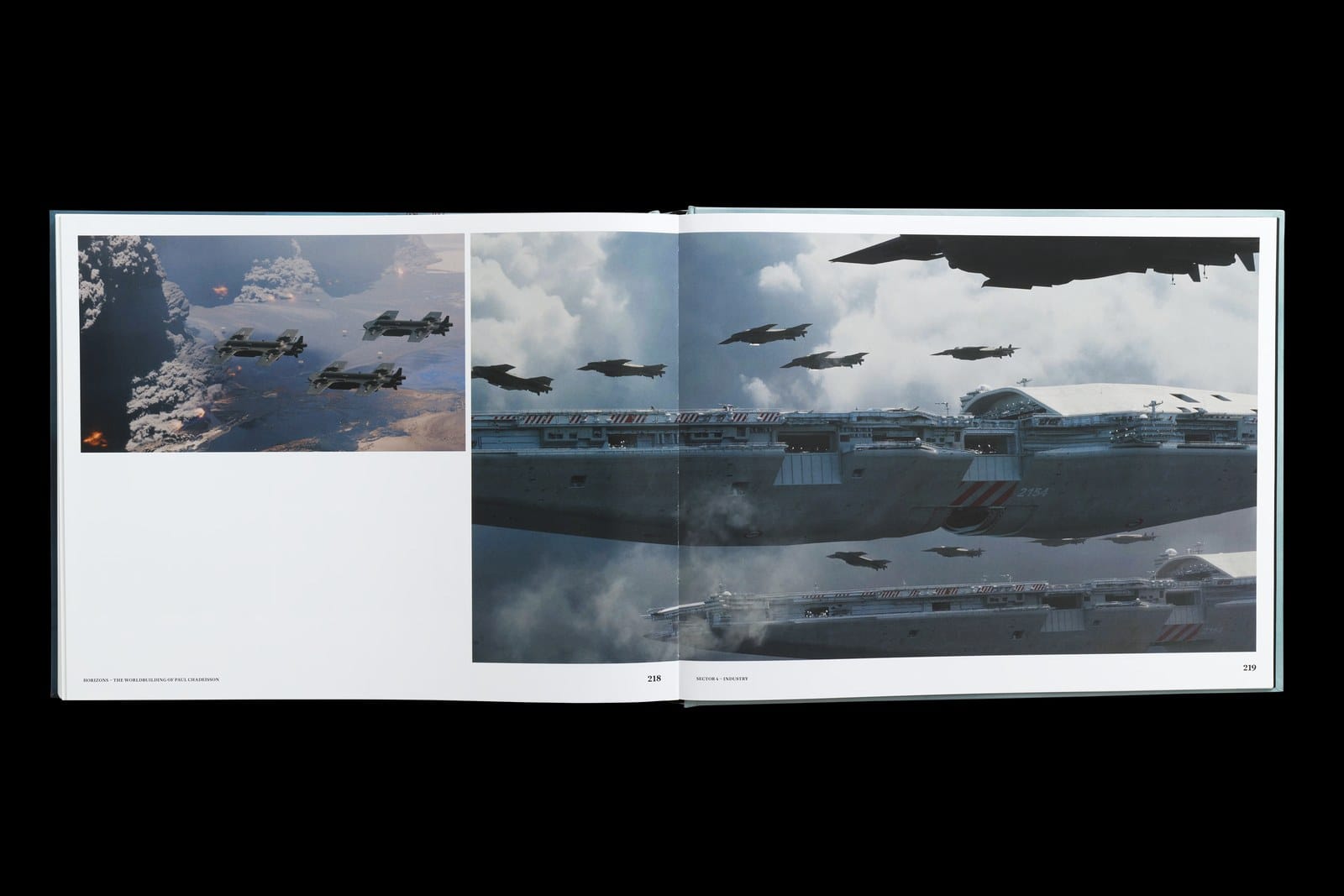
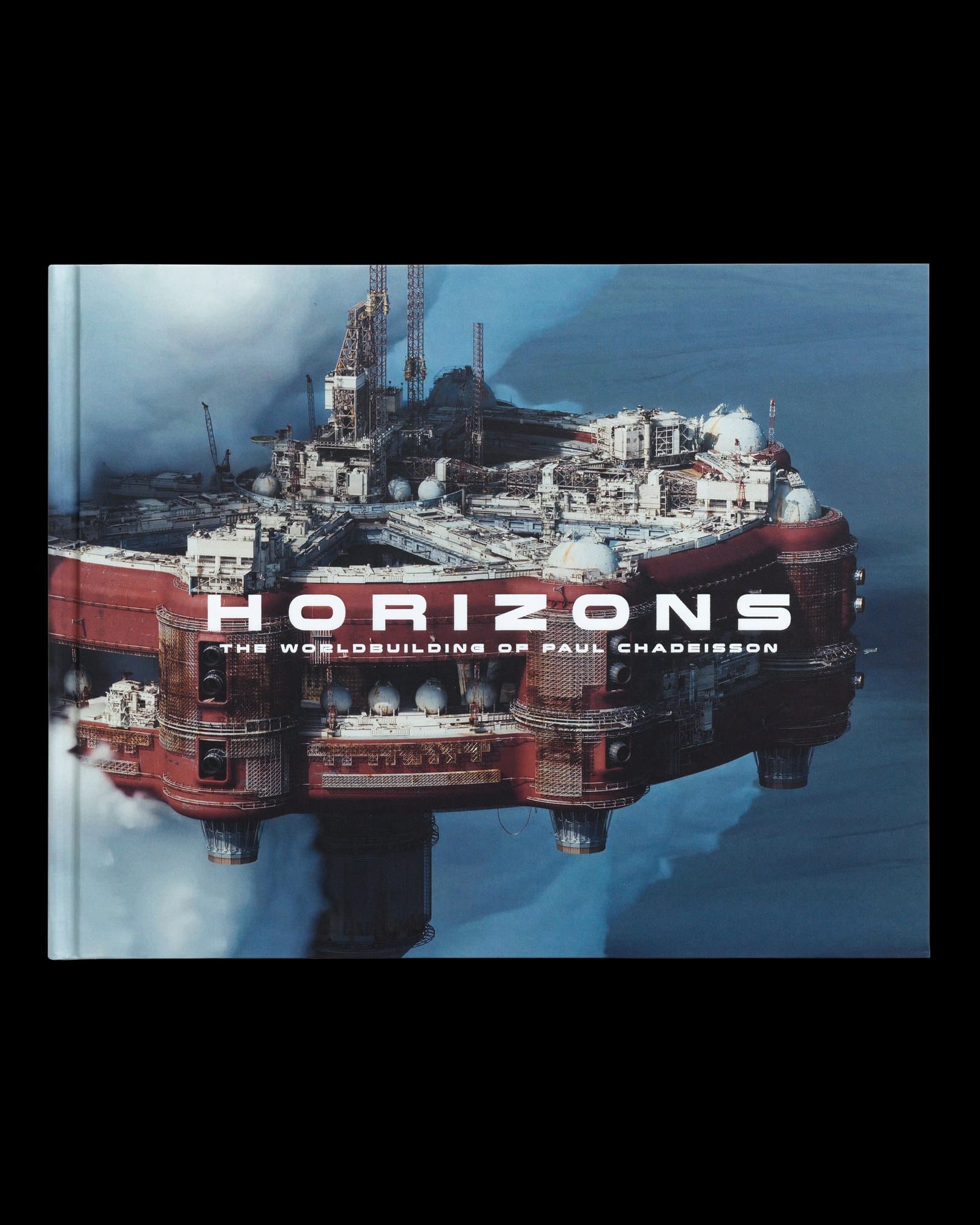
Spreads from Horizons, including sketchbook pages from a worldbuilding case study, and the cover. Photos: Read-Only Memory
Killscreen covers the artists who build worlds for games and then keep building them on their own time. The free newsletter collects them twice a week.