Night at the Museum
A sweaty dinner in Paris and some Irish humor

Hello hello!
First of all, thank you so much for riding with me while I took a nice break this summer. (And a special thanks to Aleksandra, Chia, and Raphael, who became members while I was away.) As many of you know from creative endeavors, big and small, time away is an excellent way to rewire and refocus. I heard someone say that the narrower your expertise, the wider your interests need to be, so that means spending time away from the very thing you know so well.
That said! I did make some time to catch up with some games and culture folks in Europe. That meant a lovely lunch with Kristian Volsing, Senior Curator for the Contemporary Programme at the V&A, who's been working on games programming at the museum for over a decade. I also caught a tea with artist Lawrence Lek who I interviewed last year , and had dinner with artists Mélanie Courtinat, Lou Faroux, Vincent Moulinet, and Jonathan Coryn on a short-lived cool break after the miserable heat wave in Paris.
One common thread with everyone I spoke to was the relative lack of sophistication among intermediaries: culture workers, gallerists, granting organizations, universities, publishers, and so on. While public interest in games is incredibly high, even if it dipped slightly after the pandemic, they find themselves constantly explaining, even defending, their work in front of others.
That said, in all cases, and especially with the members of the Distraction Collective, the deepening contours of micro-scenes with games are apparent. When I first started looking at games over 15 years ago, I made early comparisons to some of the independent game work to the New Wave movements of the 60s in France, the US, and Hong Kong. In all cases, the local led the global, but with the independent game burst of the late aughts, the work never really felt like it was from a place, the way that Bonnie and Clyde fêtes the American West or Wong Kar Wai opened the doors of the Chungking Mansions. Danny Snelson and I talked a bit about this on our last podcast, but I believe the next and most important frontier for games will be necessary fragmentation of the medium into local quarters, from which the Next Big Thing can emerge. I hope I can keep traveling to document from the ground.
Ok! On to this week's newsletter.
“It's a Horrible Thing to Be Stuck in a Metaphor”
Irish game designer Stephen Gillmurphy meanders through his approach to horror, one zine at a time.
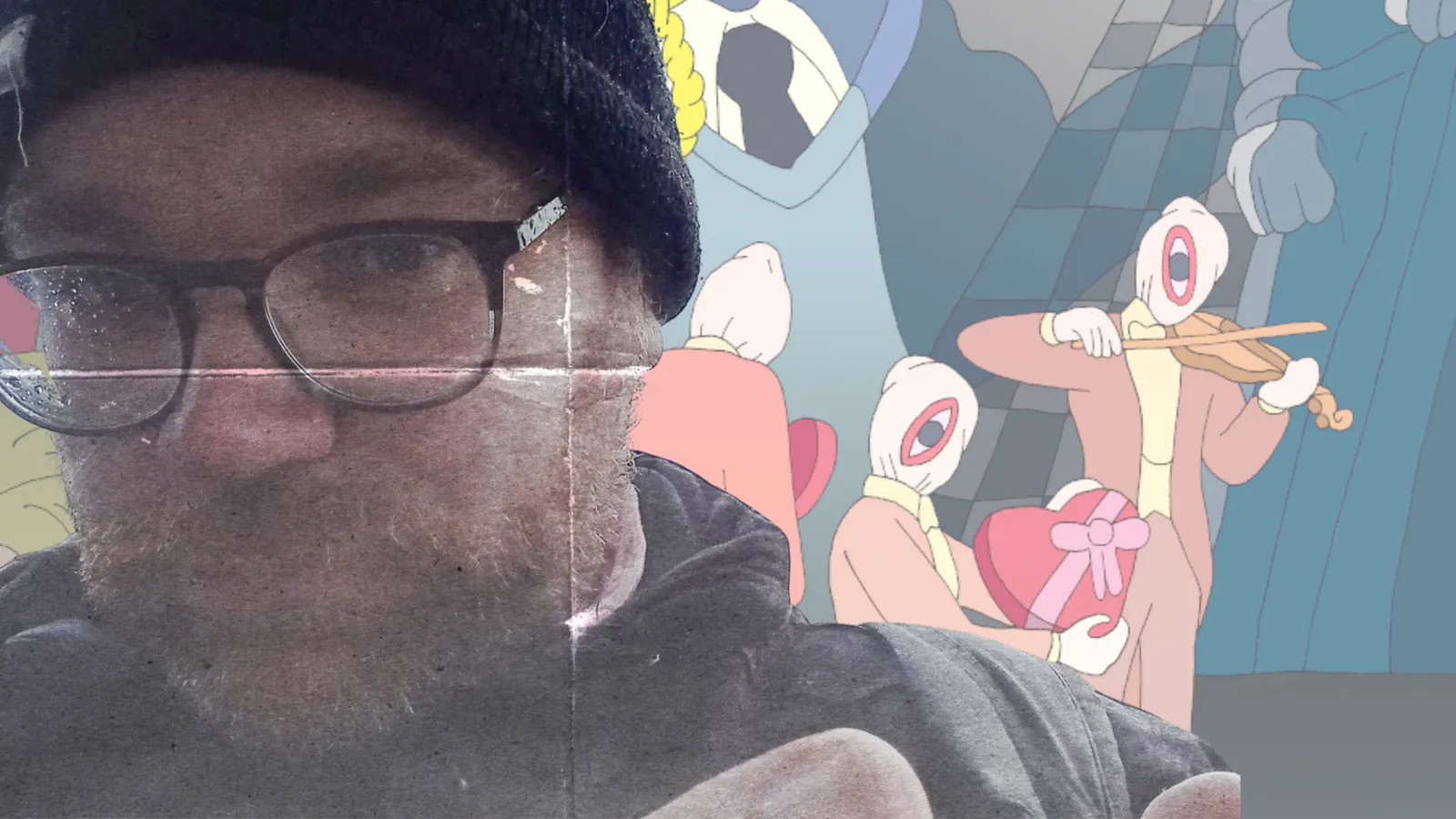
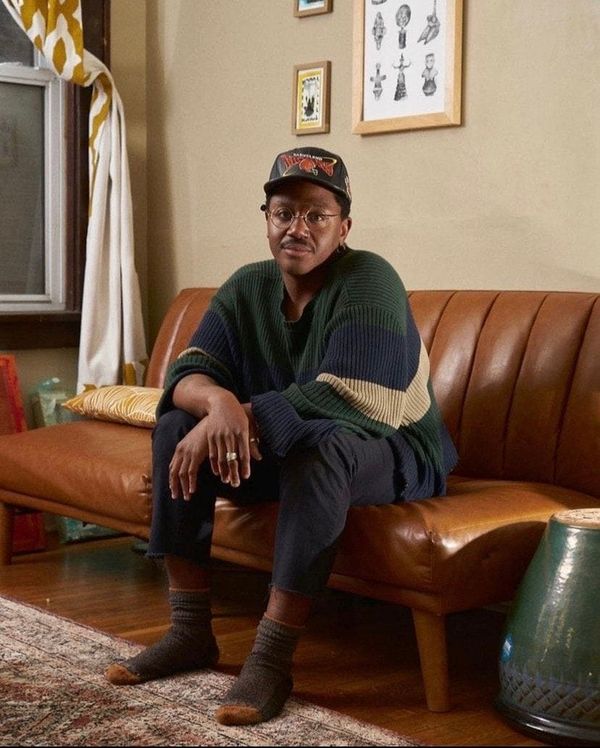
Game designer Stephen Gillmurphy tells me that he has a hard time finishing things from start to finish. Ideas come to him quickly, while daydreaming usually, but then something isn’t quite right, so he makes some adjustments. He calls it drift, but in Spanish, one might call it sobremesa, that byzantine logic of post-dinner conversations that starts here and moves poco a poco somewhere else entirely. Joan Didion famously quipped, “What's so hard about that first sentence is that you're stuck with it. And by the time you've laid down the first two sentences, your options are all gone.” To write is to make a commitment, but if you keep replacing those bricks as the house is being constructed, as Didion did and Gilmurphy the tinkerer does, you’ll lead yourself to some truly strange places.
Gilmurphy assigns his itinerant tendency, in part, to a longer tradition of Irish writers. The aposiopesis of Tristam Shandy, Flann O'Brien's nesting authors, Beckett's voices winding down, treated that drift as a structural principle rather than a failure. Gilmurphy, who works as thecatamites, has spent four years building the same kind of maze.
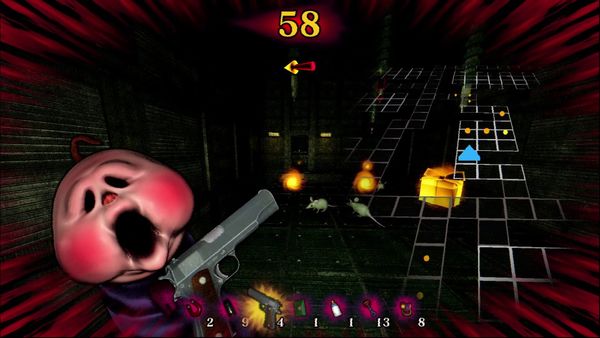
Anthology of the Killer, his nine-part comedy horror and winner of the 2024 IGF Nuovo Award (and a Playlist selection), follows BB, a zine-maker in a city where masked killers are part of the weather, through hand-drawn, scanned environments shuffled together until they tip from sense into something denser and stranger. Talking to Gilmurphy has its own gravity as he wanders through ideas in real time. We spoke about Irish humor, the politics of the RETURN key, poisonous Victorian wallpaper, and the horror of being trapped inside a metaphor.
SPANDREL
On the radar
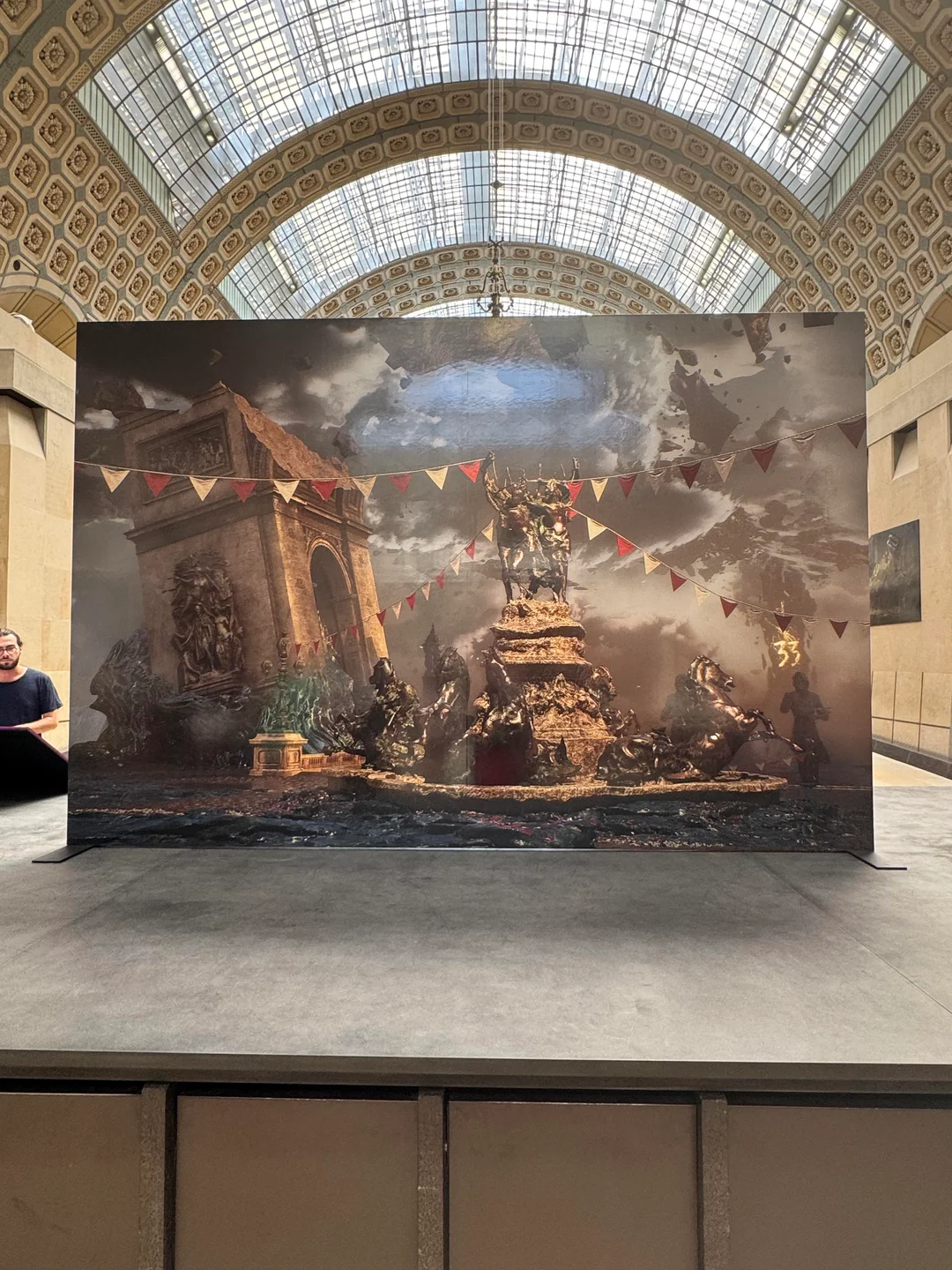
On my last day in Paris, we went to check out some Impressionist and Nouveau design objects at the Musée d'Orsay, and to my surprise, I saw, from the mezzanine, the familiar scenography of Clair Obscur. As it turns out, my visit coincided with a three-week exhibition of concept art from the game on the main floor of the cavernous former Beaux-Arts railway station. I did find the framing a bit confusing as to how the concept art interacted with the work around it, but I'll take what I can get.
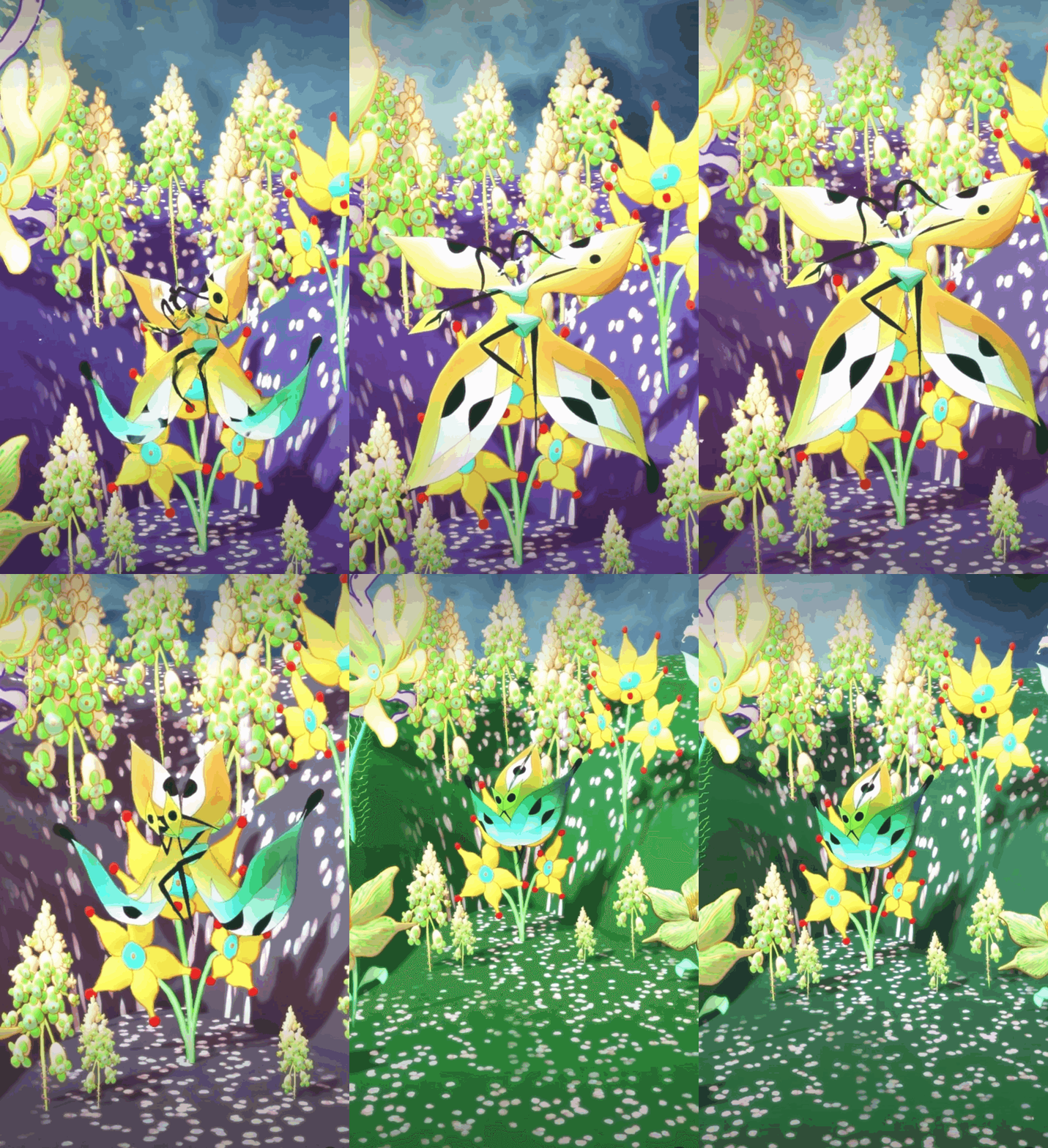
Animator, performance artist, and game designer Paloma Dawkins didn't reveal much about a set of new work, only suggesting that all their work "was about butterfles rn." Cryptic, but exciting!
Travess Smalley treats the pixel like a fiber, compressing early net art glitch logic and woven textile patterns into "rugs" that read as both hand-knotted and machine-rendered. Pixel Rugs, his first monograph, traces that logic in operation since 2021 through studio sketches and essays linking his work to Harold Cohen's plotters and the procedural grids of early roguelikes—proof that a jpeg can carry the same structural memory as a loom. Fun sidequest from Navajo textile artist Melissa Cody's spritely pixel weaves.
CLASSIC
From the vault
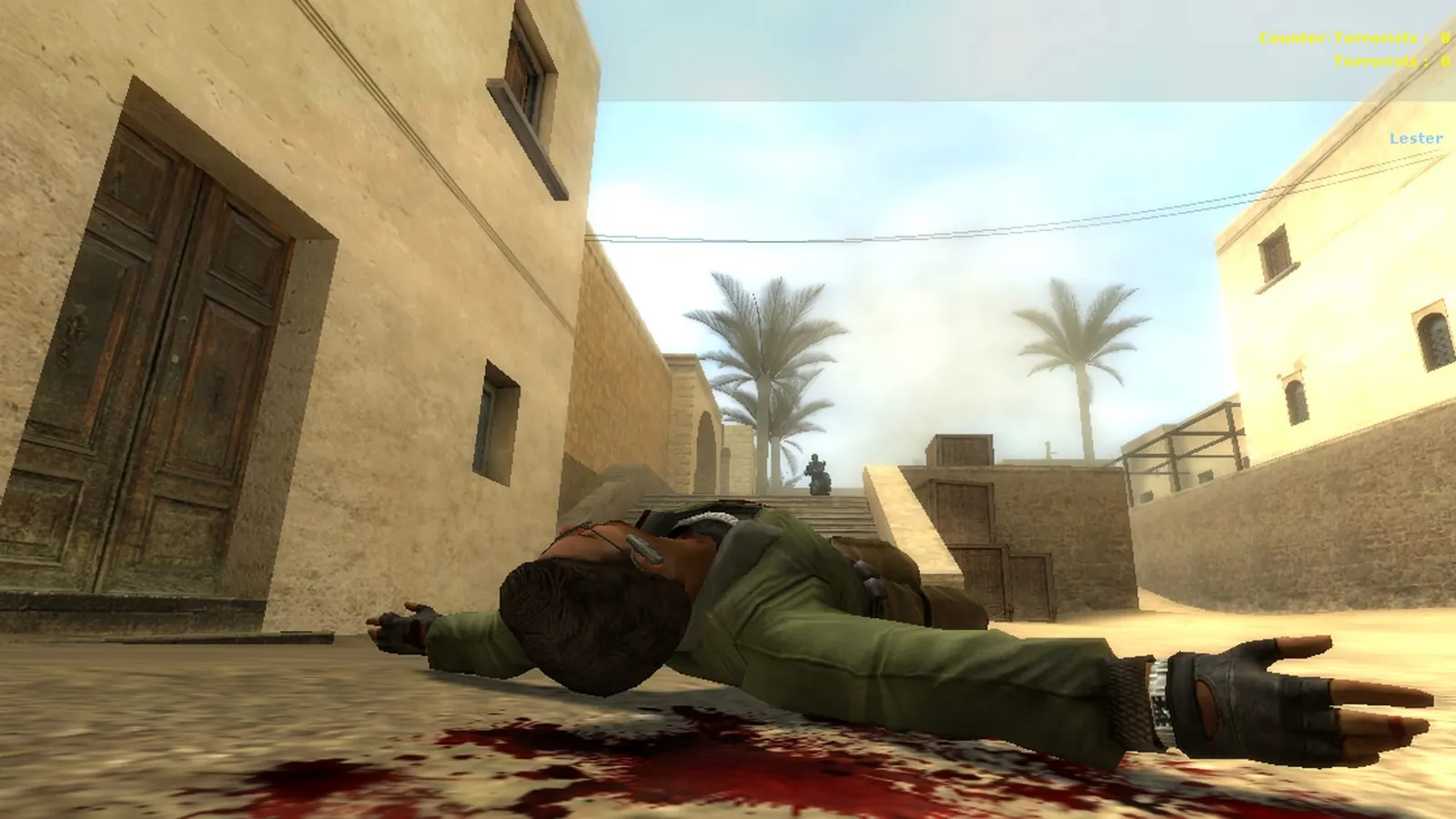
Almost done with the No Fun issue (available online for members). In a reflection on difficulty, game designer Matthew Burns reflects on the cost of winning:
My neighbor and I were on the same team. I sensed his frustration with me rising as our opponents made their final push for our flag. I second-guessed myself at every moment: Should I throw a grenade? The target’s usually long gone before it detonates. If I aim for my opponent’s head, I’ll probably miss. If I try to pump bullets in his torso, he’ll come up close and melee. My own melees were always timed wrong—I was either hitting air or pressing the button while I was looking at my own dead body.
“Oh, come on,” my neighbor shouted, as I keeled over and died again. I waited to respawn, thinking I might still have a chance to chase down the snatcher of our flag. It was not to be, of course. With defeat declared, my teammate squeezed his eyes shut, put the controller down, and took one of those “disappointed dad” deep breaths. I tried to make a joke to acknowledge my failing, but he ignored me. I briefly considered offering a sincere apology. But all I could do was wander off back to my desk and hope the moment faded away soon.
In retrospect, I think he was doing me a favor. There is a special kind of anger that one reserves not for one’s enemy, but for the inept teammate whose bungling costs everyone victory.
One to Watch
It's been a minute since I've done psychedelics, but for those who partake, those wavy dayglow vibrations are oh, so, difficult to capture without resorting to caricature or kitsch. Dutch artist Alle Jong has spent the last six years hand animating Sketchy Fables frame by frame after initially showing an early version in 2022 at the Drawing Center in Diepenheim. You wake up from a dream and are off to see your grandmother in the tallest skyscraper in the city, with apparent double-barrel detours along the way. The meticulous approach reminded me of Jordan Mechner's clever and time-intensive rotoscoping process to capture the limpid character movements in Prince of Persia in 1989.
Run-Ons
Meow Wolf mini-doc takes you inside Mama Werm. Mexico's Centro de Cultura Digital adds video games to its priority list. Alice Bucknell is developing two works at Le Breq on the Mississippi River and creatures that live forever. The (in)famous chatbot ELIZA turns 60, and a new book traces its history in the lineage of AI development. Installation with 100 phones mimics the real-world practice of synthetic influence.