The end of the world isn't so bad
Plus a defense contractor dreams of drones


SPANDREL
Liam Young's hope and realism at the edge of humanity
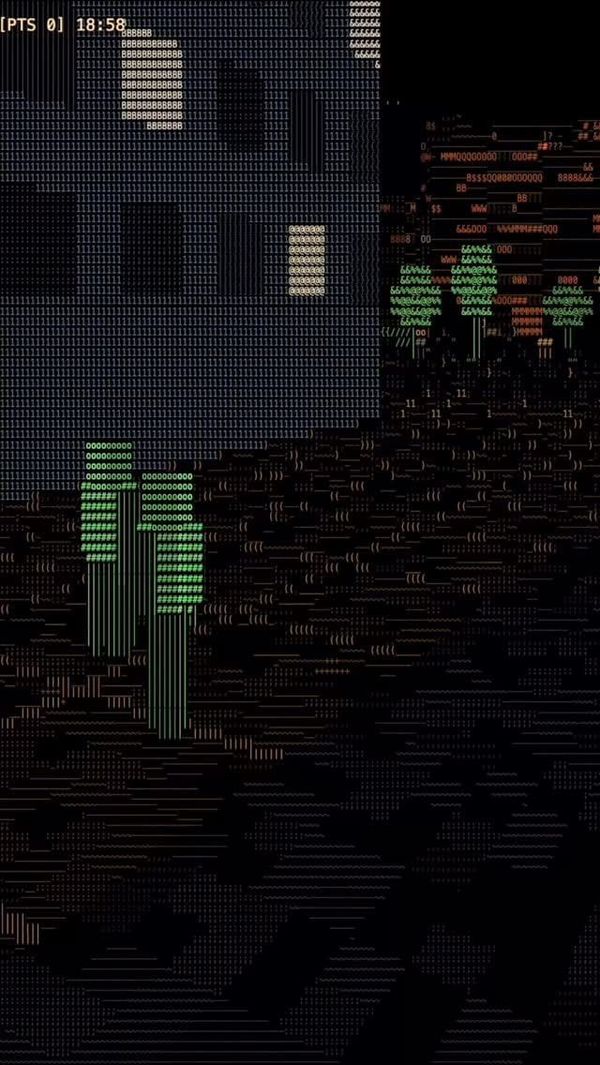
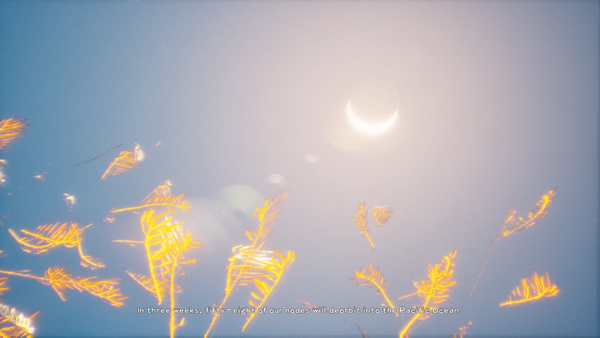
Earlier this month, during our time in London, I ducked out of family time to stop by the Barbican Centre, since we were close by. Unfortunately, it was a Monday and it was closed. (The Barbican Library's exhibition on the year 1996 in British music was lovely though.) But thankfully, what I had come to see, Liam Young's In Other Worlds, had been open in Los Angeles earlier this year as a test run, and Young was kind enough to give me a tour of Planetary Imaginaries.
Coming off the back of any number of climate-related crises this year (pick one), In Other Worlds provides an alternate perspective on our climate future, grounded in science, illuminated with hope and scaffolded with emotional honesty. Featuring writing from Lisa Joy (Westworld, Fallout) and Kim Stanley Robinson (The Ministry for the Future), voices from Diego Luna, Richard Ayoade and Maxine Peake, and costumes from Emmy-nominated designer Ane Crabtree (The Handmaid's Tale, The Sopranos, Westworld), it takes us to the very edges of where we might go someday.
The whole of the work presumes disaster is coming, but we are not helpless actors in this story. It's a work of total world-building, constructing various stories about the inhabitants of this place with models, costumes, and film to build out this version of a climate future, from a farmer looking to reclaim his craft with the help of machines to a group of scientists who travel the globe in an enormous blimp. Each story also draws deeply on what's happening now, such as a networked supercomputer based on real-world "dark factories" in China that operate without light.
It's a touring show, so hopefully it'll come through your town soon.
Ed Fornieles Builds a Teenage Boy Out of 999 Images
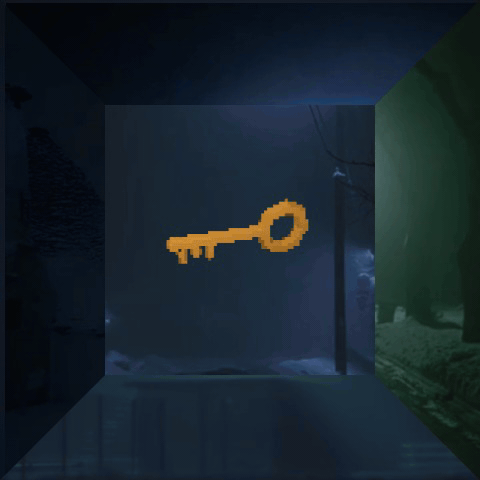
Artist Ed Fornieles released a new digital series, Borrowed Lives: Anon, 999 artworks he has described as "the psychic projections of a figure navigating adolescence." The centerpiece is an imagined teenage protagonist (ostensibly a boy), and the hundreds of pieces track his changing interests, often angry and profane, that reflect the challenging aspects of teenage male life online. It's a companion to the work of artists like Maya Man and Molly Soda, who document a young woman's experience through performance and vulnerability.
Of course, what grabbed me is the use of videogame imagery here not only as shorthand for young male entertainment interests, but also as companions to images of idealized versions of the male body, memes mocking terrorist attacks and a bit of graphic pornography, specifically Japanese hentai. I find this challenging, as I recognize the history of games is closely tied to male adolescence, but I also hope games will break free from this shorthand for social isolation.
Fornieles suggests that games in the work offer "a kind of cover."
They allow certain impulses to appear that might otherwise be too shameful, pathetic, funny, violent, tender, or confused to express directly. They become theatres of becoming, but also machines for repetition. You arrive looking for language, and the language gives you a body.
You can decide if the work also provides a way out.
A reminder for members that we'll be hosting a chat with Mitchell Chan about his game Boys of Summer that recreates an entire existence through personal data. Here's what I wrote:
What enfolds is a life. For me, it's a sad life. I don't make pro baseball and am fired from an Amazon warehouse. I slack at work to make time for conditioning, in grim hopes of making it back someday. A modest income as a luxury influencer only compounds my growing debt. I find no dates. I attempt to microengineer my diet as a last-ditch effort to find happiness. I die alone at 63, leaving behind only creditors. At the end, I'm thinking only of that moment–an absolute corker in the state championship–that could have changed my life forever before falling helplessly into an outfielder's glove.
Hope you can join us or become a member.
One to Watch
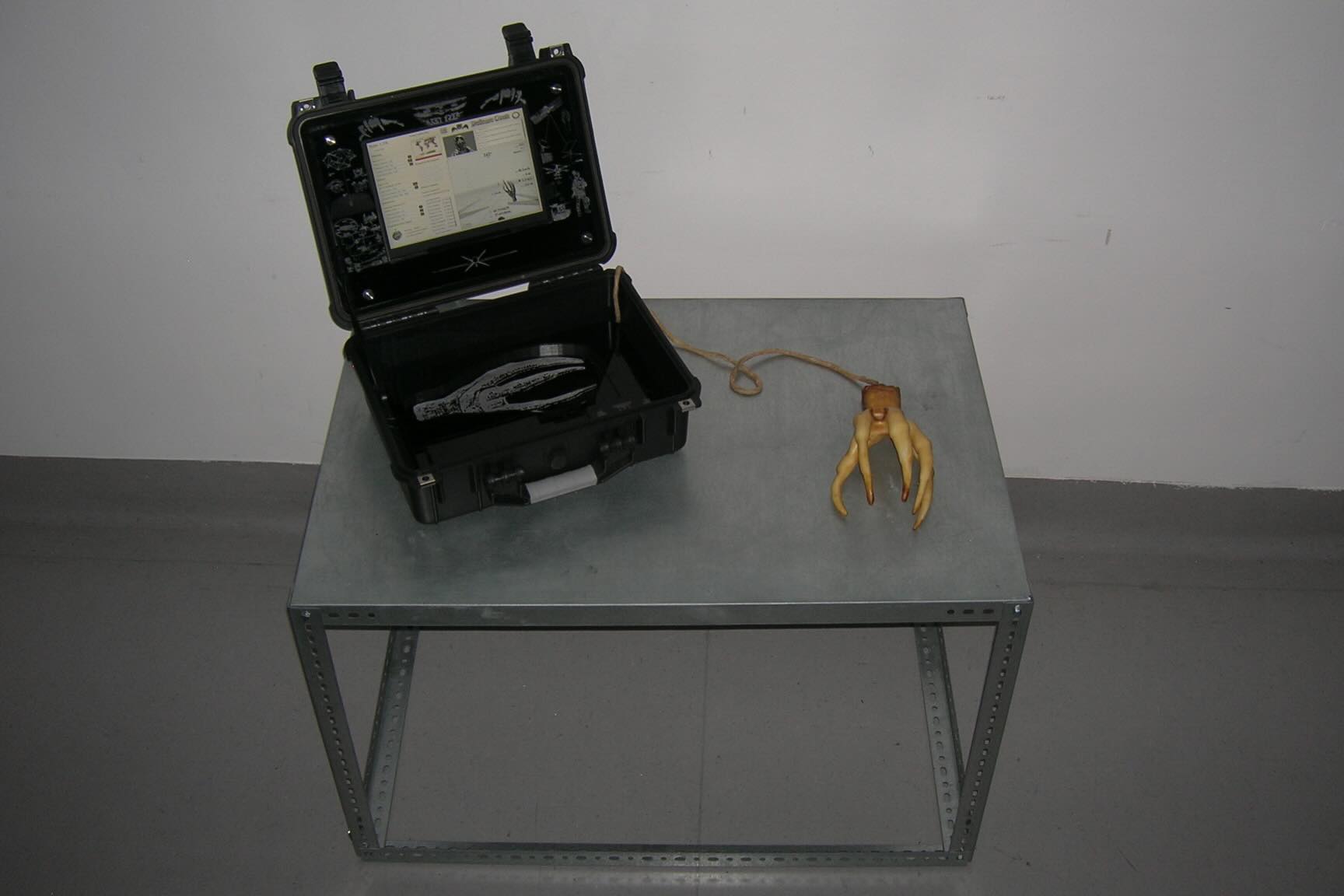
Austrian game designer and media artist Joshua Mattson released clips of his in-progress work, Defense Contractor Fantasy World. You play as, well, a defense contractor working on autonomous weapons, manufacturing artificial sentiment and, of course, raising venture capital, baby. Mattson says the goal is to showcase how AI warfare will be obscured behind the language of marketing and capital, and he takes reference from Palantir's Skykit, which abstracts the reality of war into a portable suitcase. And if that's not repulsive enough, Mattson made a smooth latex hand that you can hold.
It's interesting to see autonomous warfare return as a fertile subject for game makers. The "war is hell" theme had a bit of a moment in the early 2010s with games like Spec Ops: The Line. But nothing predicted our moment better than Paolo Pedercini's Unmanned (2012), which cast you as a drone operator whiplashing between murdering civilians and shaving your beard.both
Run-Ons
- ¹Messi's shot was saved, but I think you understand my point.
- I didn't post this one, but Kojima did a big thing with Prada, continuing his run as fashion-world crossover. I might explore this a bit more.
- A new book looks at how we use computers to render politics
- David OReilly releases Eachother, " a simulation of a million beings who live, find each other, bond, fight, breed and die."