Murlo Builds a World You Can Play
Chris Pell spent a decade reading dance floors. Now he is building a Luddite point-and-click alone, for one player at a time, with an album hidden inside it.


William Blake trusted almost no one to make his books. He wrote the poems, etched the plates, printed the pages, and colored them by hand (with his wife, Catherine, of course), so that word and image arrived together as one private cosmology. Murlo, the Manchester producer and illustrator born Chris Pell, works in a similar spirit. Across a string of releases on his own label, Coil Records, he has been building a single world one record at a time: the dreary sprawl of Coil City, the forest folklore of Dolos (2019), and the AI-worshipping cult of Puckle (2023), the records arriving with his own graphic novel, sculptures, and lore.
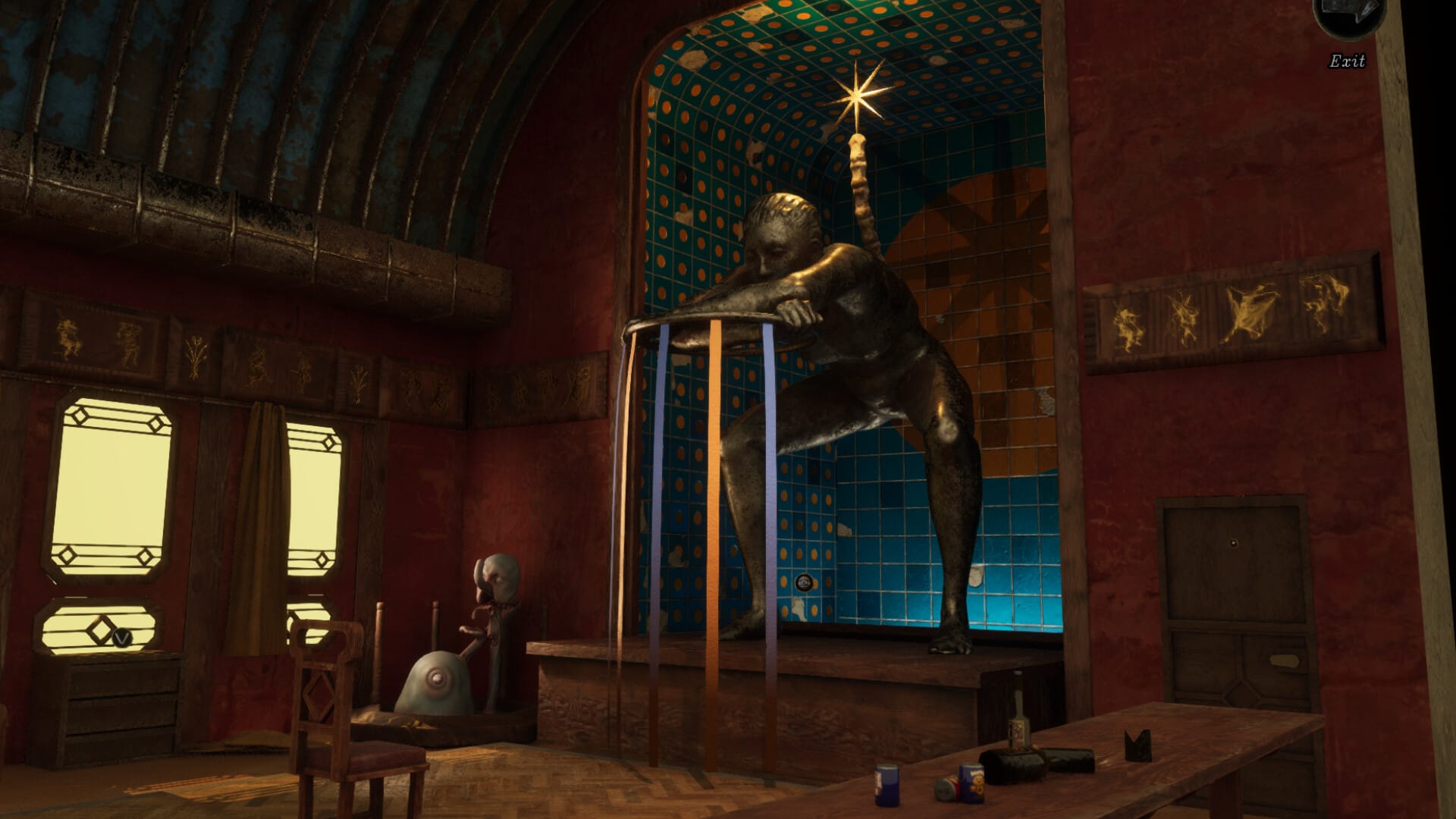
For most of the last decade, Murlo made his living the usual way, touring and releasing records. A track synced to an advert changed that. The money bought him time away from playing shows, and for the past two years he has spent it on a game. Something Beautiful, a music-driven, point-and-click adventure he is building alone, sets the spirit of the 19th-century Luddites loose on a broken industrial estate, with an entire album embedded in the world and jukeboxes made of flesh.
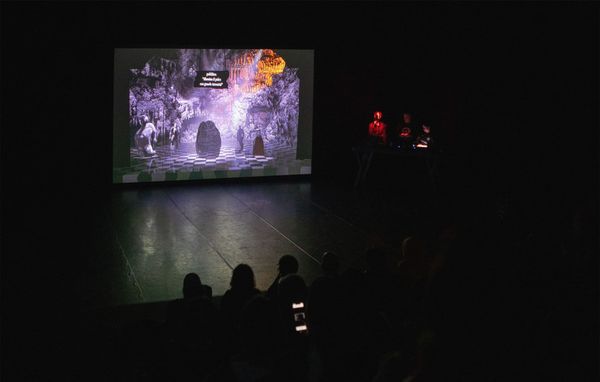
It is a move from outdoors to indoors. A DJ reads a room and plays to whoever is standing in front of the decks. A game asks someone, anywhere in the world, to sit alone with a complete, self-contained thing, closer to putting on an LP than to going to a show. At a concert you are rarely fully present. In front of a computer, you might be. A slice of the game ran this spring on the Media Wall at Factory International's Aviva Studios, played on a controller he covered in his own 3D-printed sculptures, and Murlo hopes to finish the full game within the year. We spoke about Shepshed, jungle music in a theme park queue, haptics, and why the buttons are under your skin.
–
Jamin: Chris, maybe to start, walk me through your pathway to games.
Murlo: For the last 10 or so years, maybe longer, I was a full-time musician. I come from a dance background, but as I started making albums, I wanted to go into more immersive storytelling. Like a lot of people's creative pivots, COVID was a big turning point. I wanted to pursue something that wasn't necessarily performance-based, something a bit more long-form, and that's how I fell into the idea of making a game. I'd been using 3D software for a long time, making videos for music, so I already had a background in setting up scenes, environments, and animations, and that gave me a pathway into working with a game engine.
Jamin: I was speaking to another 3D artist, Harriet Davey, who grew up in the West Yorkshire moorland, and they said that when they started developing 3D art, they could see this subterranean influence of where they grew up working its way into the backgrounds. You grew up in the East Midlands. Do you see something similar in your work?
Murlo: A hundred percent. I grew up in a small market town called Shepshed, and it was pretty working class. I was the first in my family to go to university. The game is all based on an industrial estate, which is very similar to the one I grew up by. Growing up in a place like that, I was very isolated from a lot of stuff. I used to spend hours and hours in my room drawing fantasy art, copying Boris Vallejo, who did a lot of scantily clad men and women fighting lizards. What I really liked was the detail in the craftsmanship, the anatomy and the shading, and that had quite a big impact on how I approached illustration and world-building.
Jamin: There's a longer lineage of musicians making that jump into building broader worlds. I remember the David Bowie exhibition at the V&A, which traced the set design and world-building he did for each of his stage shows, tied to the concept albums. Were there musicians who inspired you as you moved into making games?
Murlo: Music was always the vessel for something else for me, and a lot of my inspirations come from outside of music. I've always liked it when a theme park has a themed line for the ride, that idea of cohesive world-building. There's a ride at Alton Towers called Oblivion. I used to go on school trips there, and there's this jungle track that loops over and over again. I didn't realize how ingrained it was until I went back a couple of years ago and got this surge of nostalgia: the video warning you to be careful going into this area, this really heavy jungle music in the background. It's a pageantry, and it's very similar to videogames.
Jamin: Your NTS show for Something Beautiful had Swing Kids and Mudhoney in it. Here in the U.S., hardcore almost always means that, but maybe I'm biased, because I was a hardcore kid.
Murlo: I'm into both hardcores, and they're very different. I grew up listening to the heavy guitar music side of things, and when I moved down to Brighton for university, I was properly exposed to club culture. We had clubs in Loughborough, near where I grew up, but it was mainly people going out to scrap with each other, so I never had a good relationship with dance music in my teens.
With the game, a lot of it is dredging up scenes and feelings I had growing up in this place, and a lot of that is intrinsically linked to guitar music for me. Whenever I visit this place in my head to world-build, I keep coming back to the bands I used to listen to. So finding the balance between the electronics and the guitars has been quite fun.
Gameplay trailer for Something Beautiful. Video courtesy of Murlo
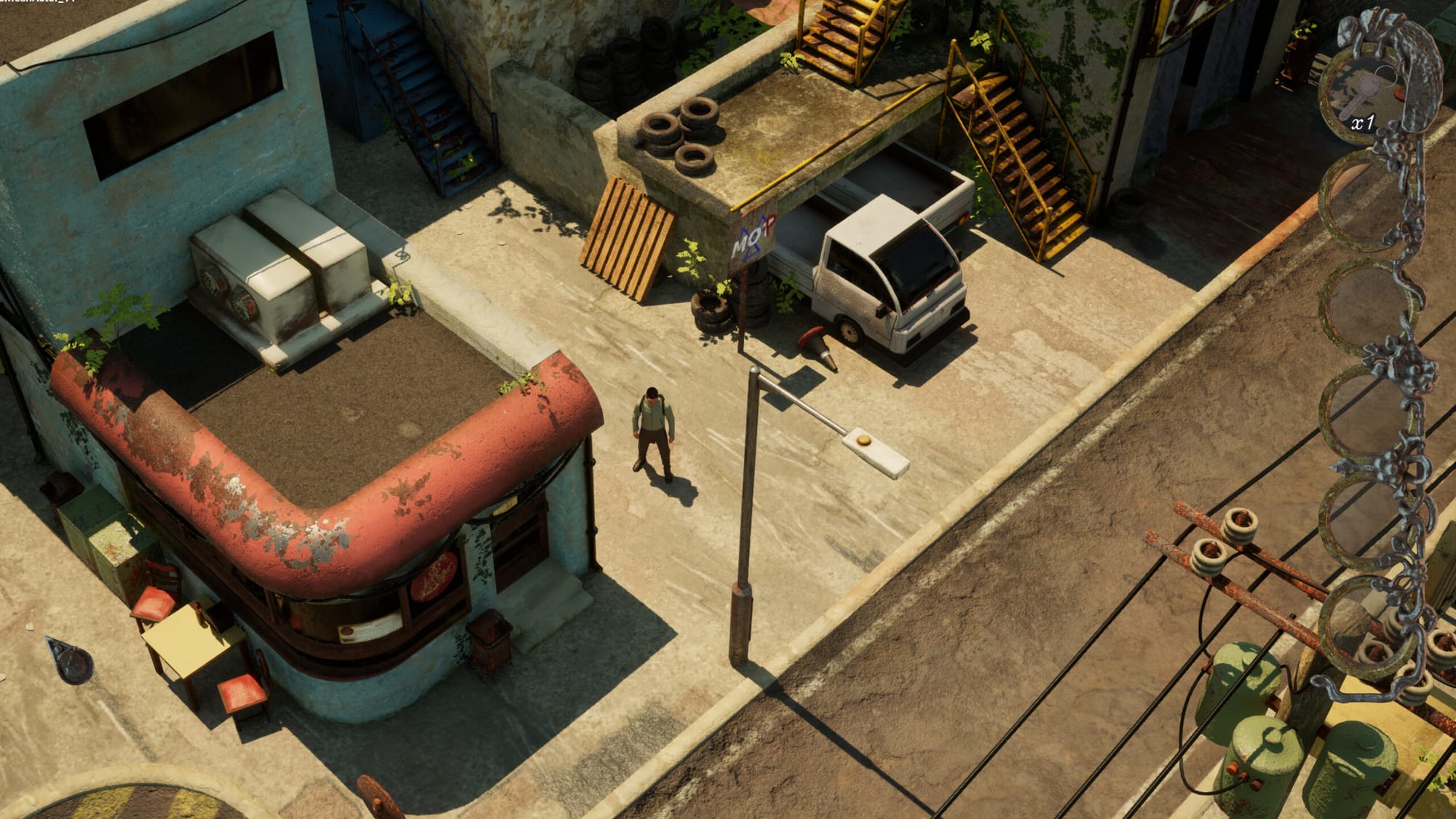
Jamin: The game is set in a fractured industrial estate, and it moves between point-and-click and music-box interactions. Tell me about the ebb and flow between the very close-up interactions and the more isometric point of view.
Murlo: When I started, I came to these questions of how much I was going to follow the point-and-click tropes. It's cool, but it's a bit dated, and I don't want to fall into the trap of the moon logic of how items interact with each other. So part of it was, what if in these environments you can hunker down and play a little game? I've always enjoyed minigames—the Pokémon slot machines, Gwent in The Witcher—where you've got this functioning little world around it, and you can just go and play. And one of my strengths is music, so learning how MetaSounds works in Unreal Engine means I can use components of the music to drive the gameplay, rather than it just sitting in the background.
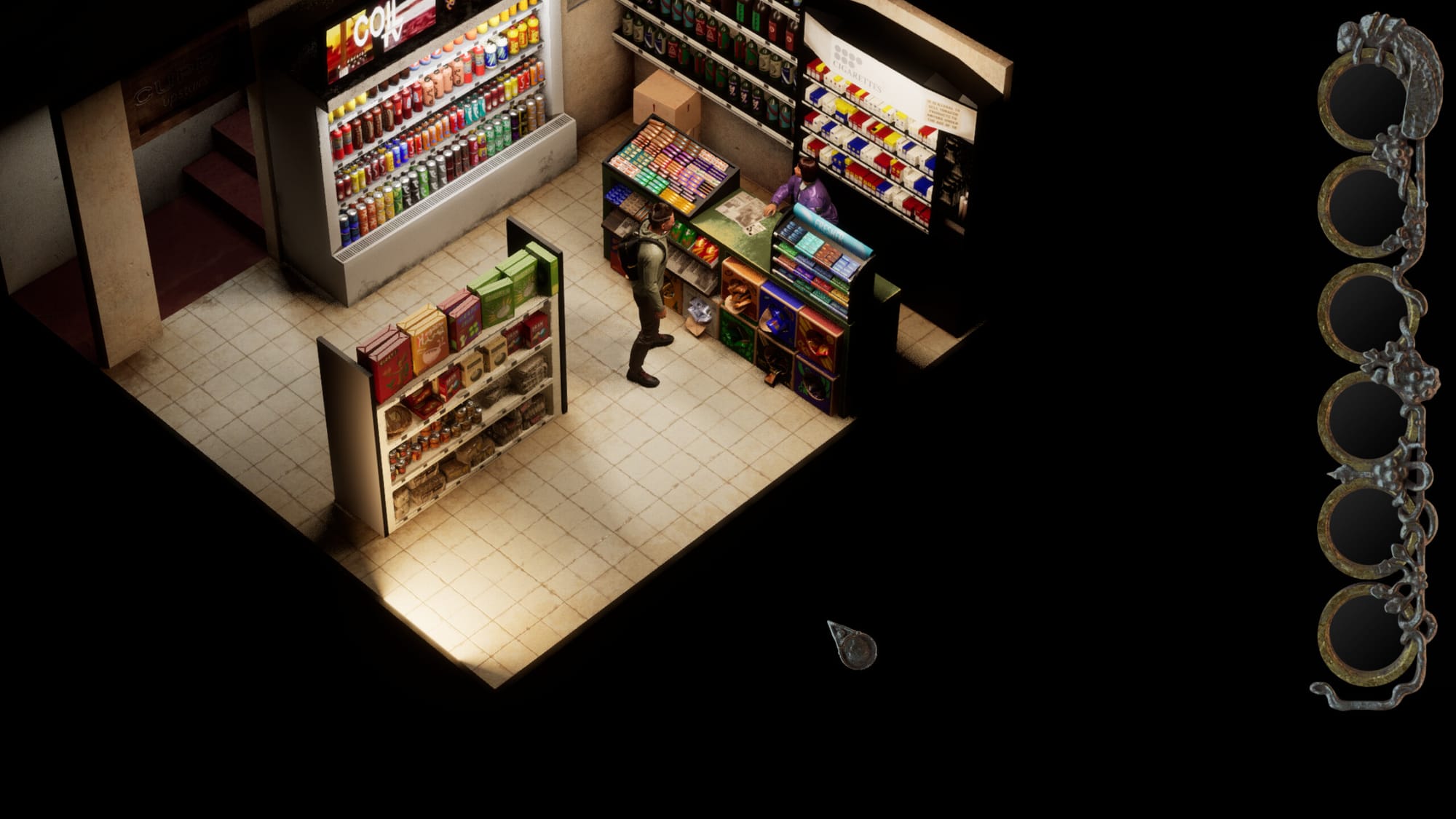
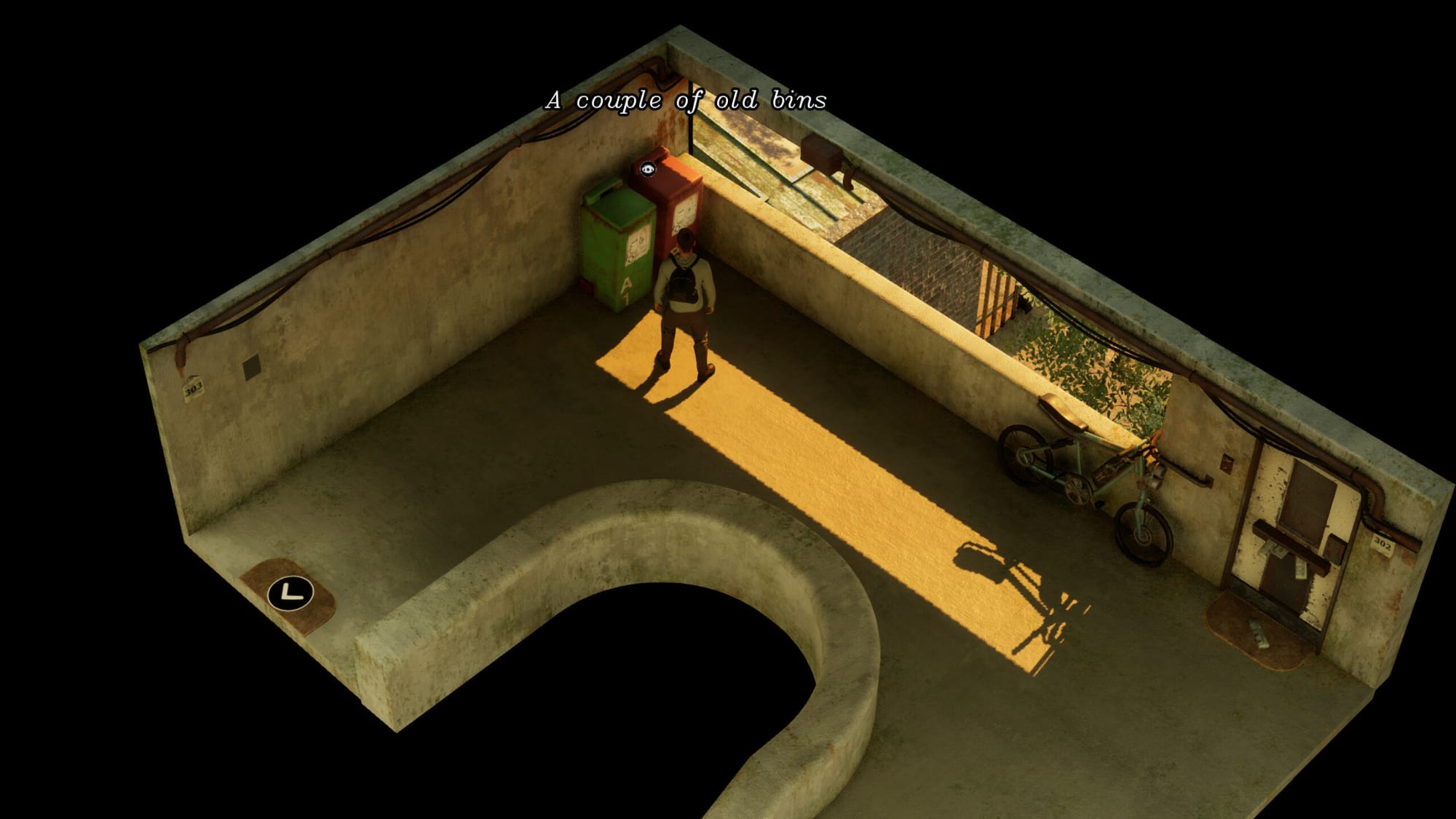
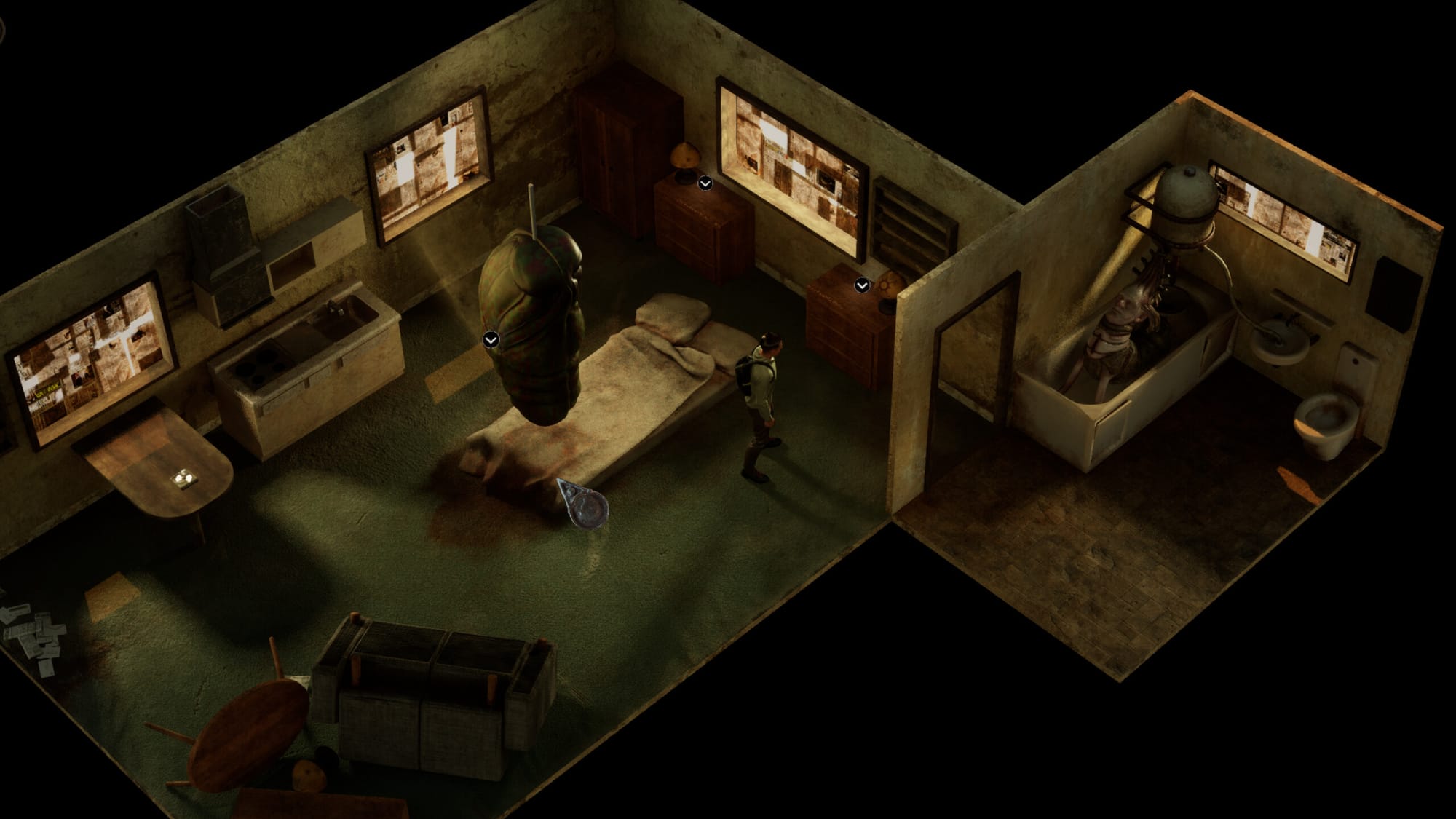
Interiors from Something Beautiful. Images courtesy of Murlo
Jamin: Music in games can be very transactional, always in service of some other interaction system as opposed to being the centerpiece. But you come out of the lineage of dance music, using an Akai or a Wacom, so maybe you've already built this interactive literacy, just not in a game context. What is a good feeling of interaction between you touching the device?
Murlo: When I came across game design research, the words “tactile” and “haptics” were mentioned quite a bit, and I find it quite interesting. If you put the time and effort into specific details, something rocking, or nice audio feedback to what you've just done, it's game-changing. I'm just one person. I could work on one room for three weeks and it's not going to get finished, so narrowing down that feedback has been quite important.
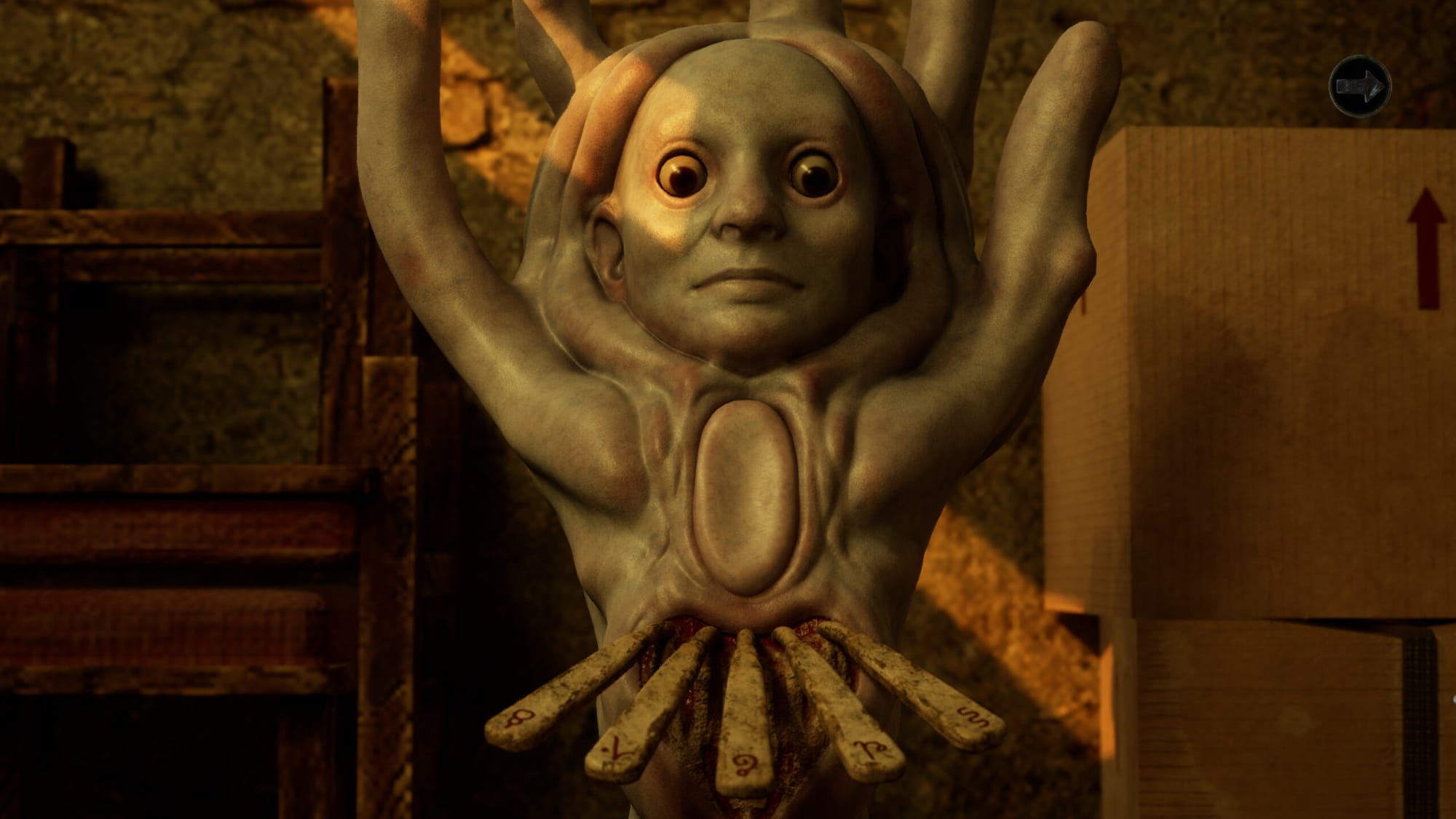
Recently I built a sequencer into the player's arm. When you press one of these sequencer buttons under your skin, I rendered out another version of the arm with the skin pressed in. It's a detail I would probably overlook if I weren't trying to do this tactile thing.
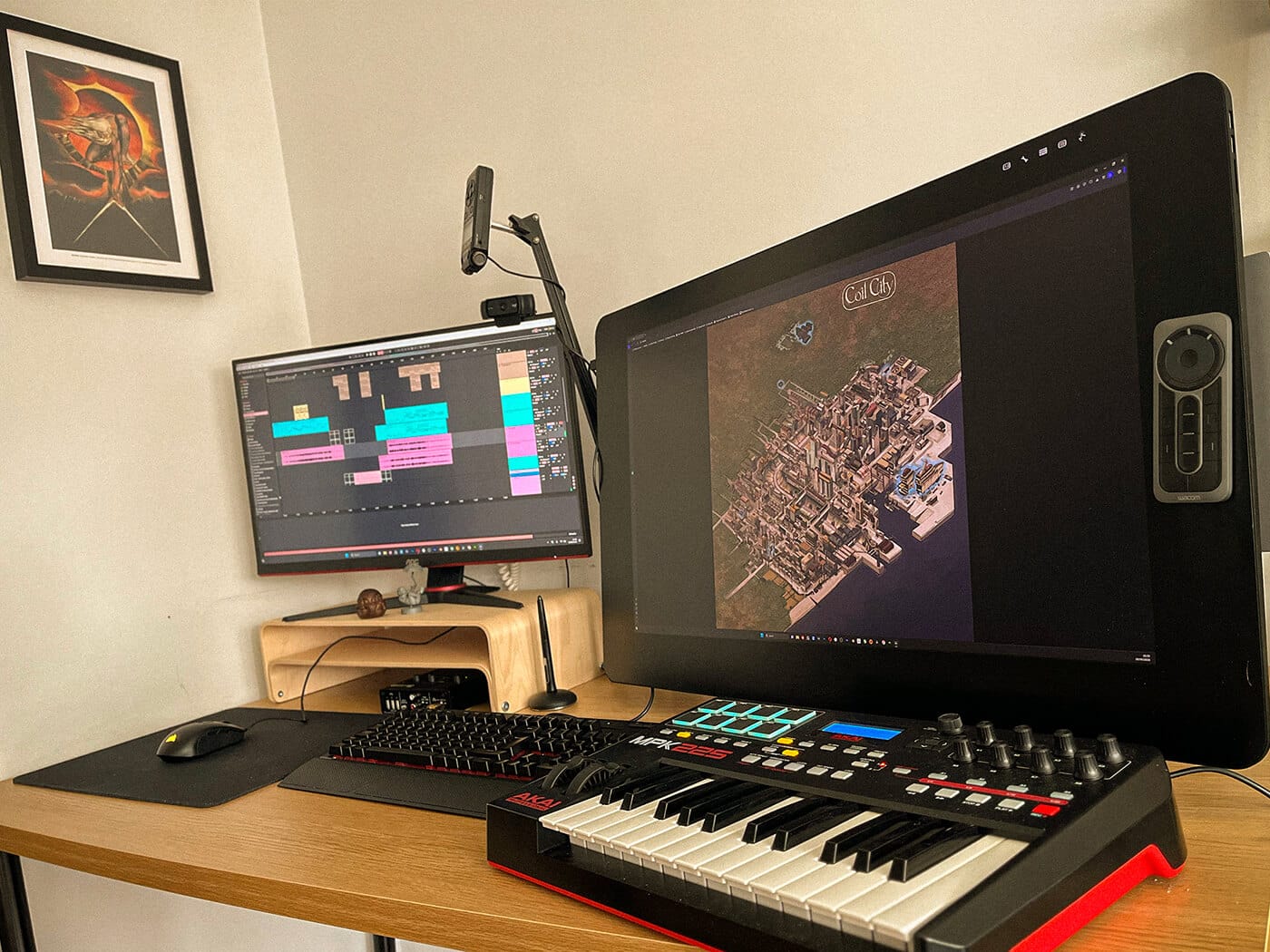
Jamin: You have Coil Records and Coil City, and then Puckle. How long has this universe been building toward the game?
Murlo: I was writing the story back when my album Dolos came out, in 2019, this little folklore story about a man who gets lured into the woods. Then I did Puckle, which featured the main antagonist of this game. But back then it still wasn't going to be a game. I started making it about two years ago, and it snowballed. I was lucky to be able to move away from music and not play shows all the time, because I had music synced with an advert, and I basically used that money to survive while making the game. Fingers crossed, it'll be done in about eight or nine months.
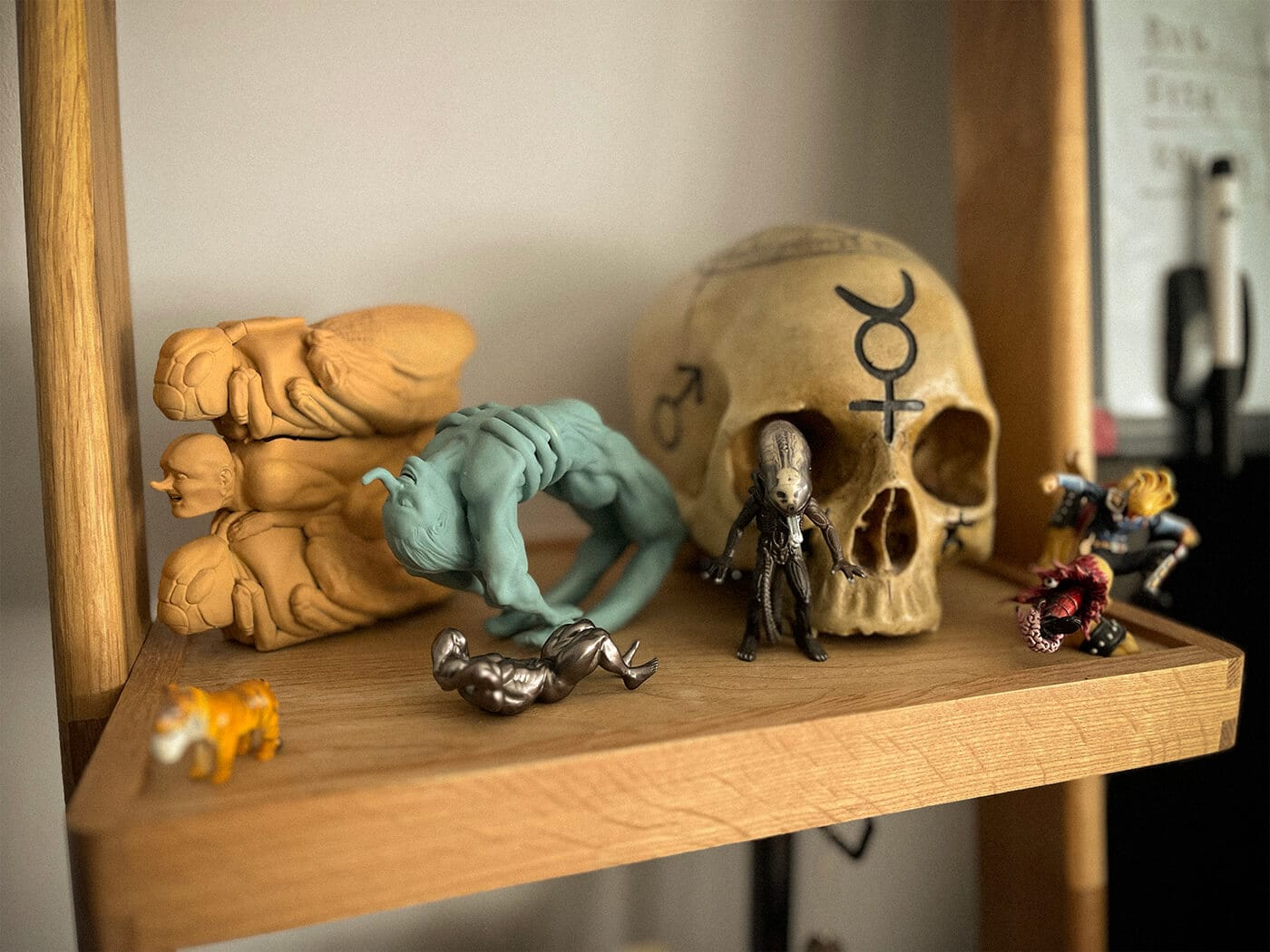
Jamin: Factory International has been very welcoming to games experiences inside Aviva Studios. As a live performer, and now showing this work in arts contexts, how does that shape the way you think about a game that, for the most part, will be experienced by people at home, in nonpublic environments?
Murlo: When you're a DJ, you just look up from the decks and you can see how well it's going, or whether everyone's just standing there with their arms crossed. With a game, you have to trust your instincts and your gut a lot more. Being the center of attention at parties still feels comfortable, even after all these years. But the idea of making something people can just experience on their own, in a room or wherever they are, is a completely new concept. The game contains all the context. It's not like playing a festival or a night; you're presenting a self-contained world. I tried to treat my last two albums like that, because even though they're electronic, not all of the tracks are dance tracks.
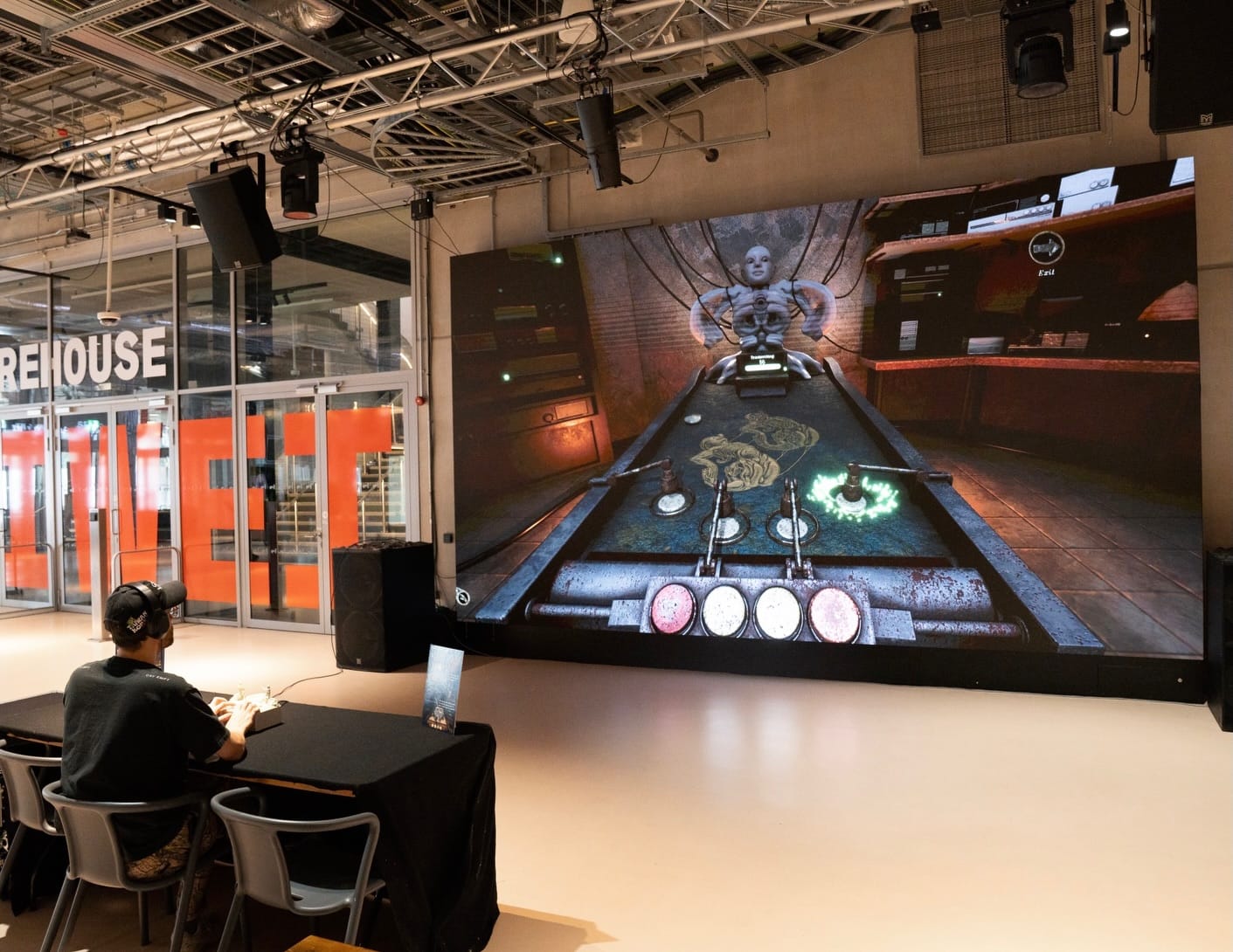
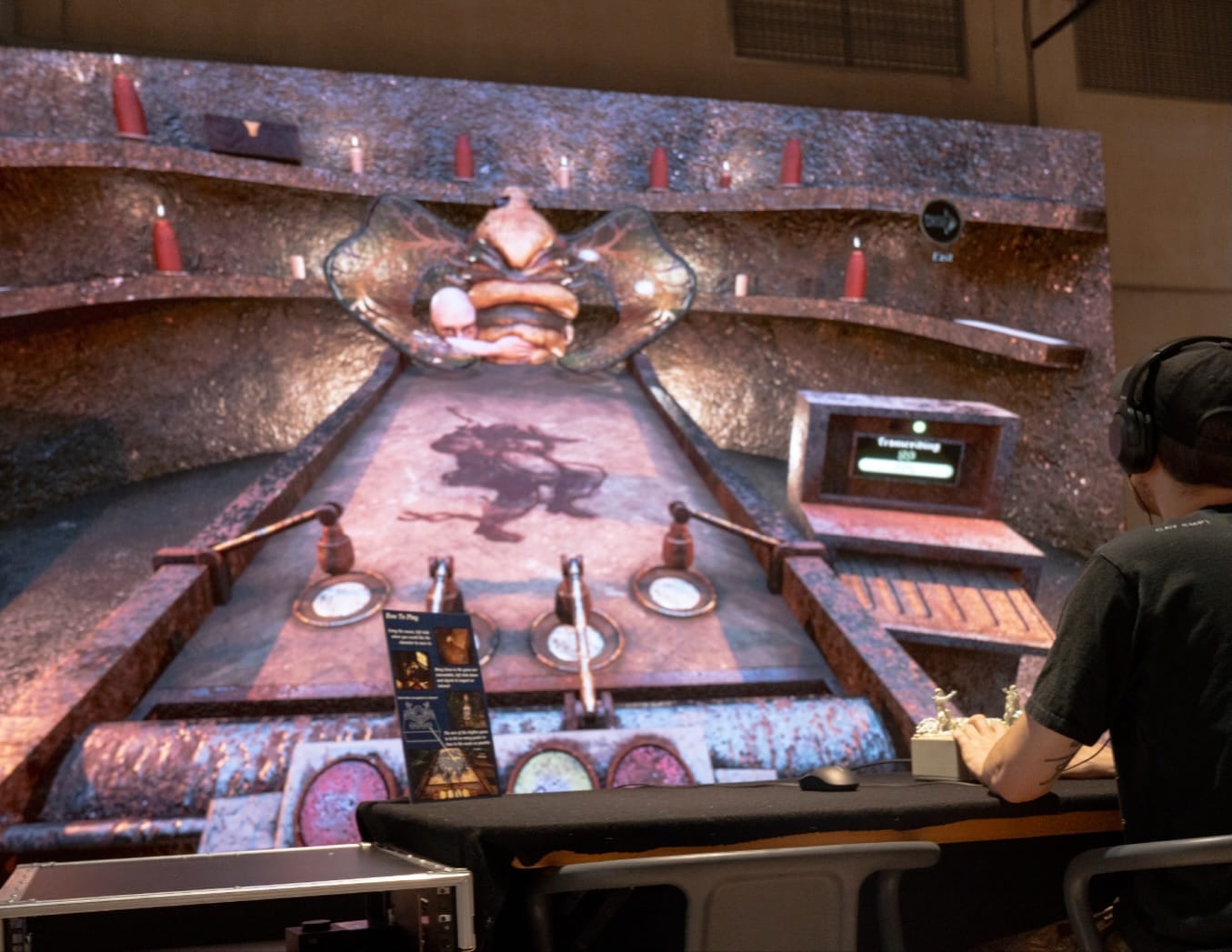
Something Beautiful on the Media Wall at Aviva Studios. Photos courtesy of Factory International
Jamin: Walk me through the Flesh Disk jukeboxes. I'm looking at the body that opens up like Hellraiser, and there's a hand.
Murlo: A lot of the game is to do with this Cronenbergian idea of technology coming home to roost in your body, and how we accept technology and the autonomy that gets taken away. In the rhythm game, when you're talking to someone, they shoot out these notes, and each one represents the words they're saying to you. The Flesh Disks are a more primitive version of that conversation. It's like a record player, based on old MiniDiscs, just made out of flesh. You pop these collectibles into a receiver, and it plays the music, which controls the lights or the rotation of objects in the room.
Jamin: Your references on the Steam page are Cronenberg, Kafka, Lynch, and then William Blake, which felt like the outlier. Tell me about Blake.
Murlo: The general inspiration would be Romanticism. William Blake had his own almost folklore level of imagination and world-building in his poems and paintings. Francisco Goya is similar, with this vast imagery that's even beyond the supernatural. It's so baked in stylistically. And it deals with this lineage of art and English history, with the Luddites, and a string of inspiration with Art Nouveau too, making objects functional but also beautiful. I think that kind of imagery has been lost in a lot of contemporary art.