Game Spaces Become a Film Set in Weird, Tremendous Punishing
Henry Hargreaves' Bartlett research project restages moments of play so viewers can remember what it felt like to hold the controller.

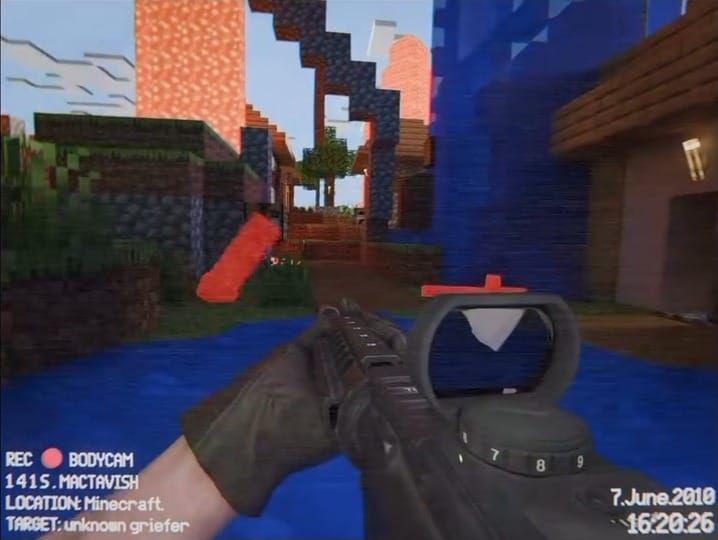
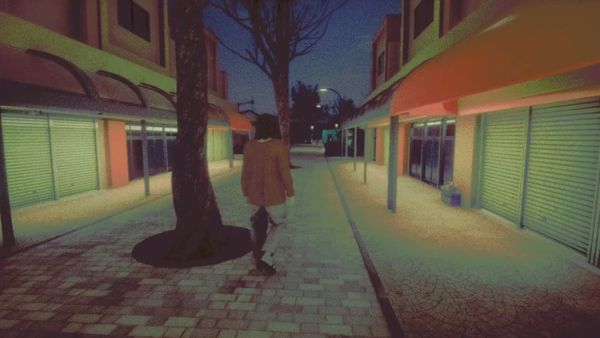
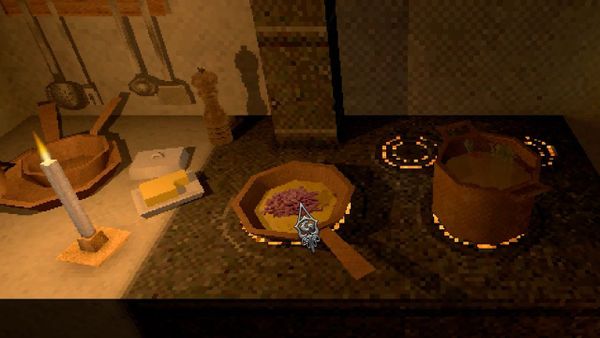
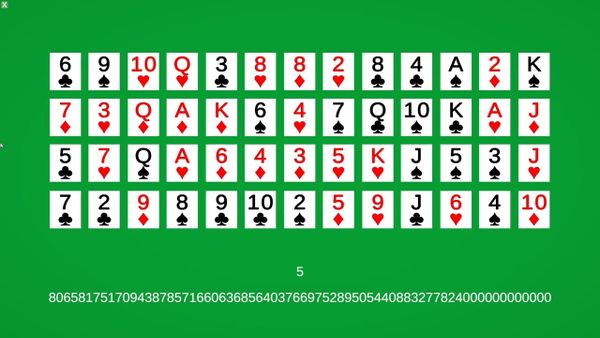
The Bartlett School of Architecture's Cinematic and Videogame Architecture program has released an excerpt from Weird, Tremendous Punishing, a research project by Henry Hargreaves that builds a film out of game architecture. The program describes it as "a video game adaptation research project aimed at creating a film using game architecture."
An excerpt from Weird, Tremendous Punishing. Video: Henry Hargreaves / Bartlett CVA
The project starts from a conundrum of adaptation. When a game becomes a film, the viewer can no longer act on it, "the loss of the ergodic layer." Hargreaves pulls from grounded cognition, the idea that thought is lived through the body, and recreates moments from games so that the audience gets what the statement calls "the remembrance of play" instead of the play itself.
It is the latest work from the Bartlett program that Killscreen has covered, after Jiaying Li's Osaider and a pair of games from two architecture students shown at the school. Game-to-film translation has run in both directions on the site, including a 2015 piece on a videogame adaptation of Hamlet that went back to the stage.
For more reading see Killscreen's Jiaying Li Builds Osaider Out of Shifting Palace Modules, Jian Chen and Yuet Ching Lo Show Games at the Bartlett, and A videogame adaptation of Hamlet has been turned back into a stage show.
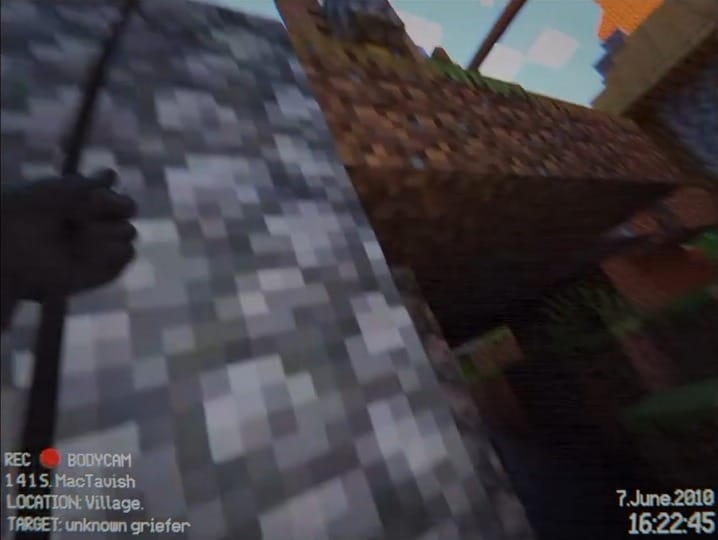
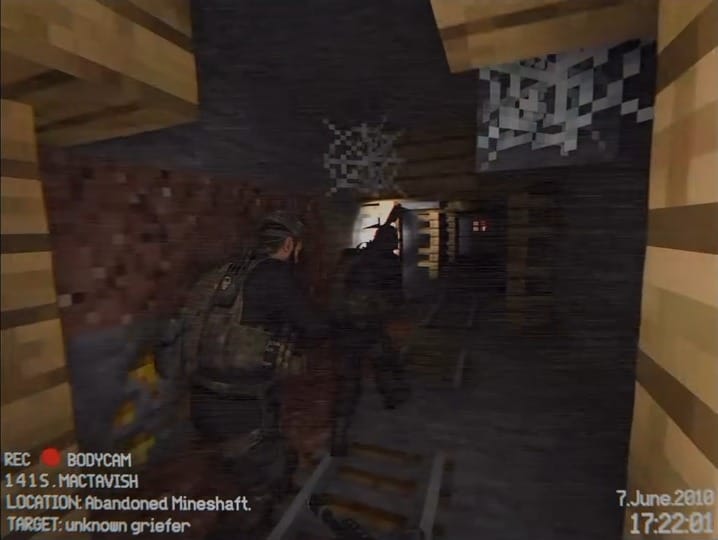
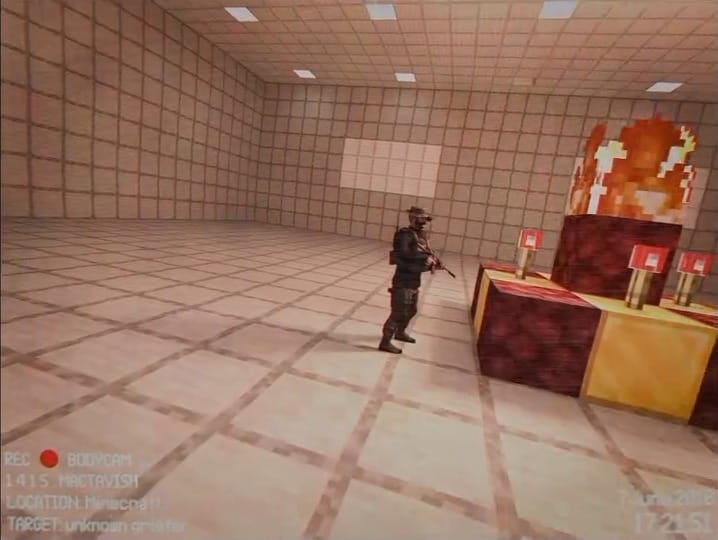
Stills from Weird, Tremendous Punishing. Images: Henry Hargreaves / Bartlett CVA
Killscreen covers the work happening where games meet film and architecture, and almost nobody else is watching that edge. Get the free Radar three times a week.