Dimitri Gregorio Rebuilds the Lost Penn Station
The 1:1 model of the McKim, Mead & White terminal, torn down in 1963, began as a personal project and became an act of preservation.

If you are one of the unfortunate ones whose first experience of New York City was by bus, and not by train, you might have had quite a shock. I remember riding the Chinatown bus from Boston down to NYC, then being unceremoniously dropped at 8th Avenue and having to work my way to the surface. Saying Penn Station is unpleasant isn't controversial, especially if you know what the place was like before. After the original Penn Station was demolished in 1963 to make way for Madison Square Garden, architectural historian Vincent Scullt bemoaned: “One entered the city like a god. One scuttles in now like a rat.”
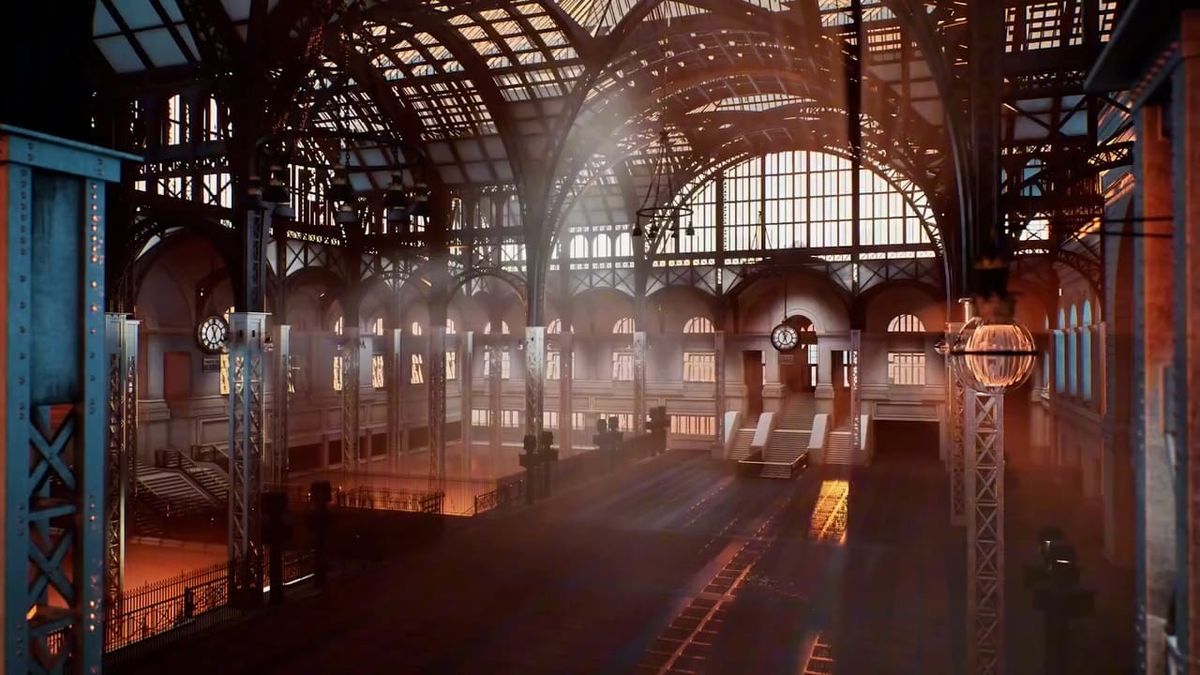
But even rats get wings, thanks to 3D artist Dimitri Gregorio, who has built Pennsylvania Station, 1910, a 1:1 reconstruction of New York's original Penn Station in Unreal Engine. I'm typically not a sucker for these types of projects, but given my attachment to Killscreen's first home, Epic Games 54-second walkthrough created a longing for what could have been: low sun through the iron-and-glass vaults of the train concourse, wrought-iron stairs, and the hanging station clock with its "Timed by Benrus" sign.
A walkthrough of Pennsylvania Station, 1910, shown muted. Watch it with sound. Courtesy Dimitri Gregorio and Epic Games.
The original station was designed by McKim, Mead & White, and Gregorio worked from photographs, drawings, and documents. Epic described the result as research, texturing, lighting and assembly that grew from a personal project into "something more akin to a preservation or educational endeavor." "There are so many lost buildings, places, and moments in history that only survive through photographs, drawings, and documents," Gregorio said in Epic's announcement.
The building has pulled artists back before. In 2021, Stan Douglas recreated scenes from the old station's existence as large photographs for the new Moynihan Train Hall across the street. Gregorio's version uses a game engine instead of a camera, so visitors can walk through the space rather than view it. If only, if only....
For more reading, see Columbia's Gateway to Metropolis: New York's Pennsylvania Stations, and Killscreen's An architecture studio now works inside game space and Halo: The Master Chief Collection is a model for preserving videogame history.
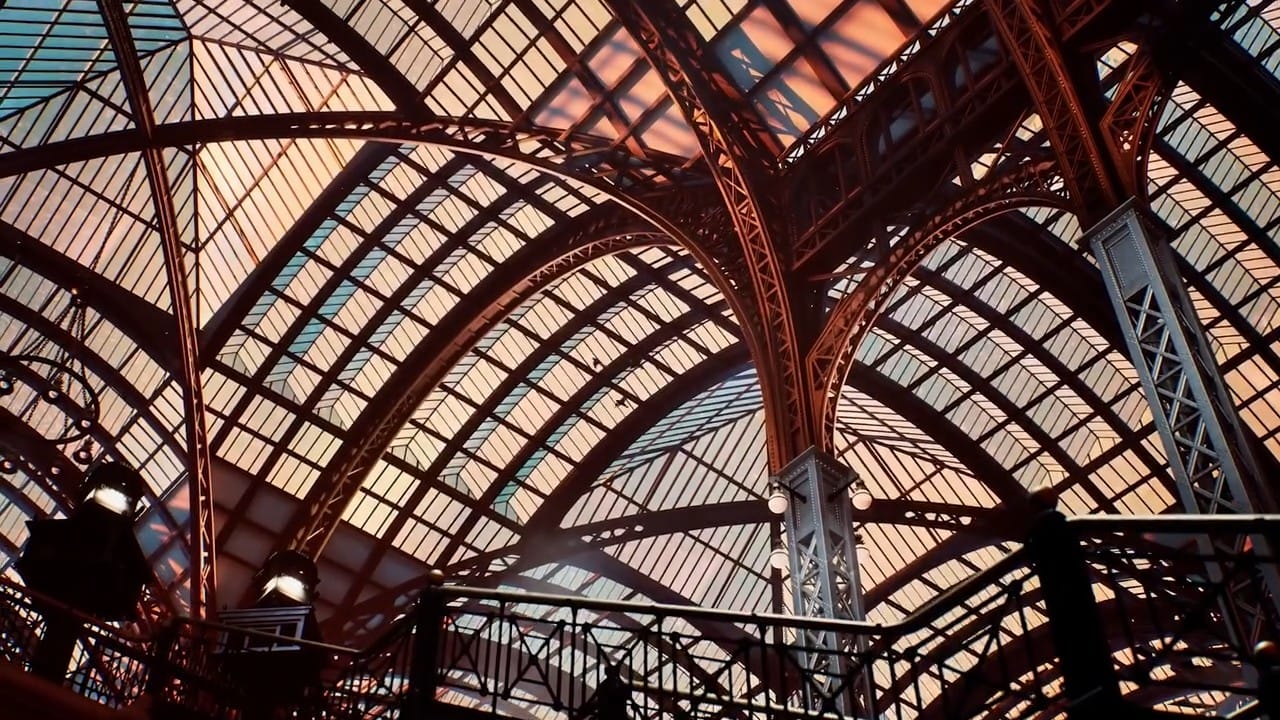
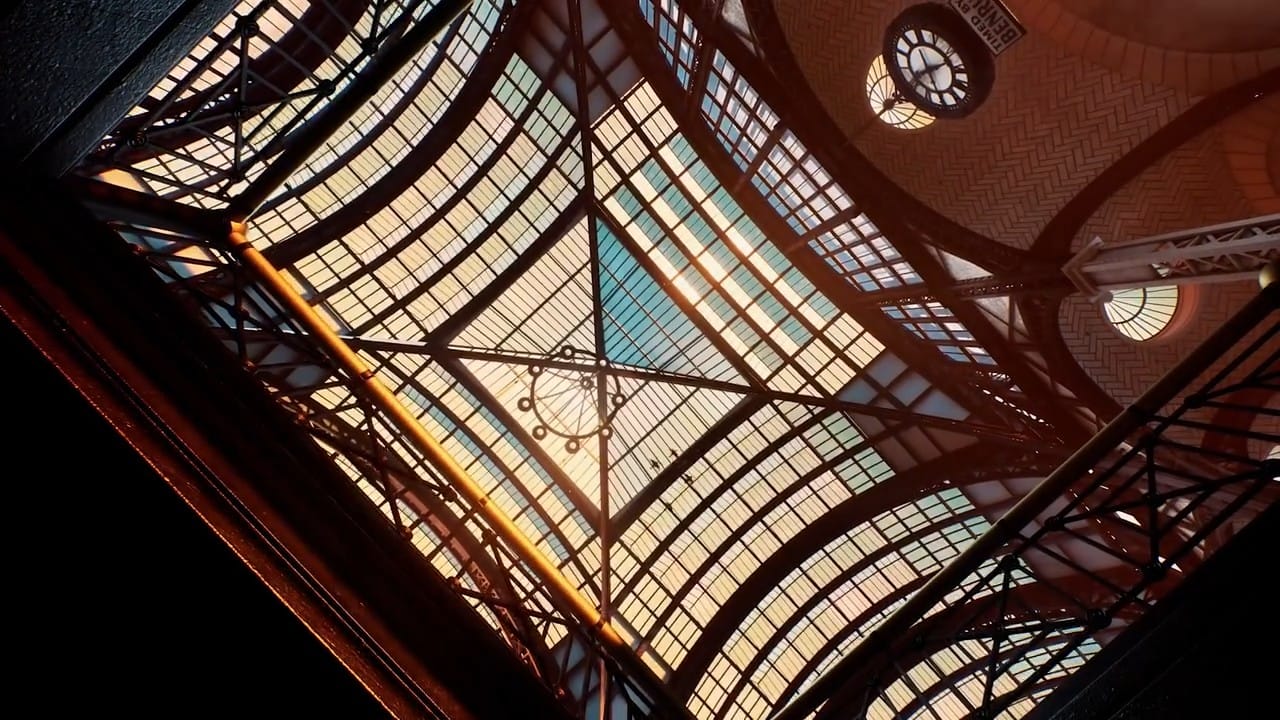
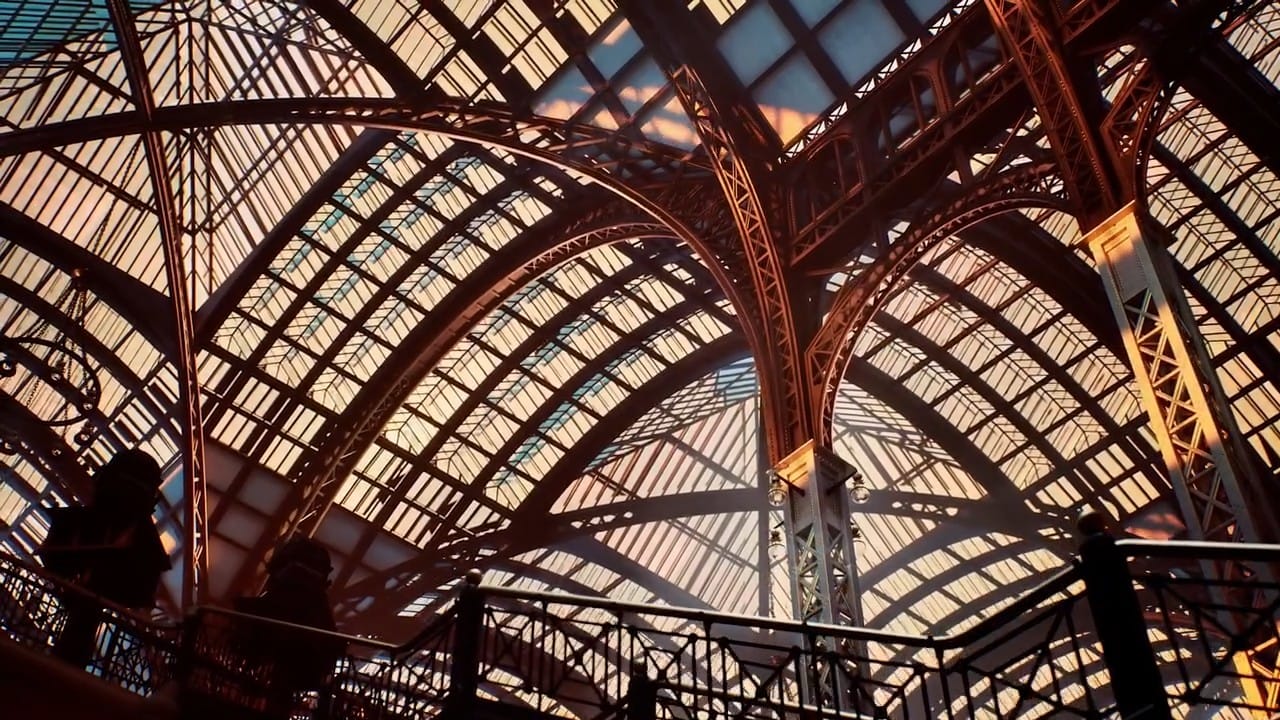
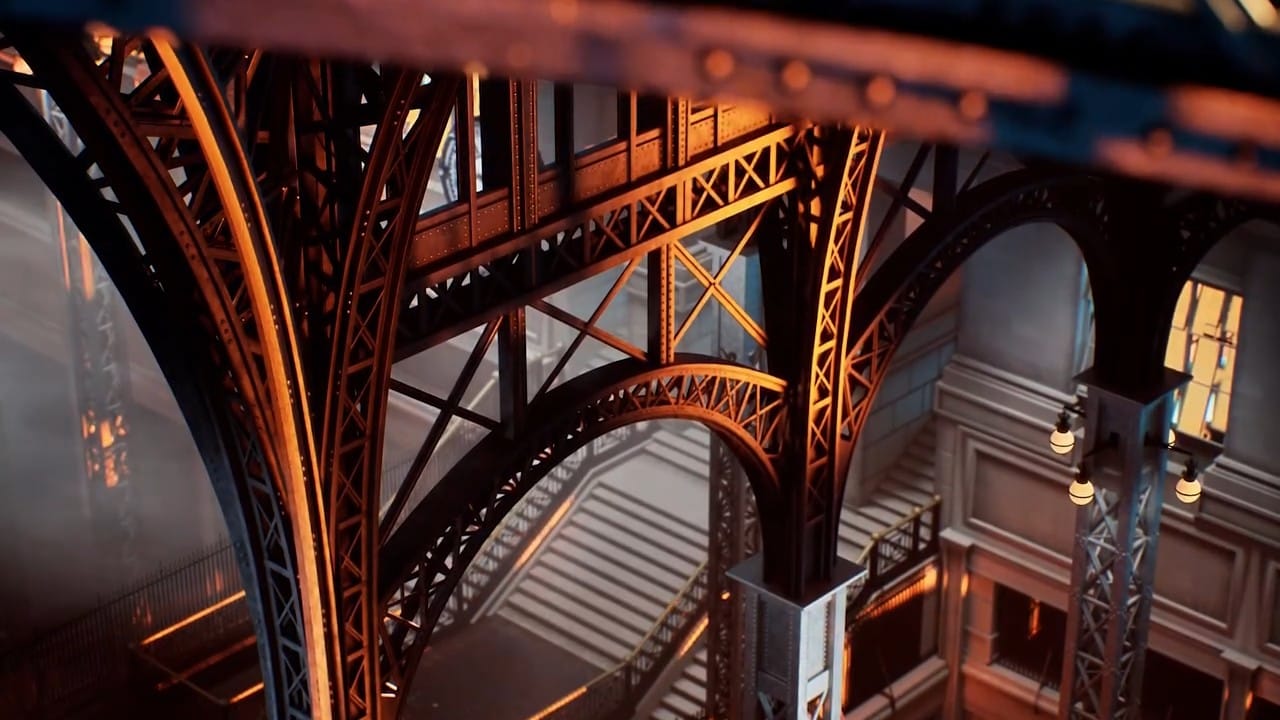
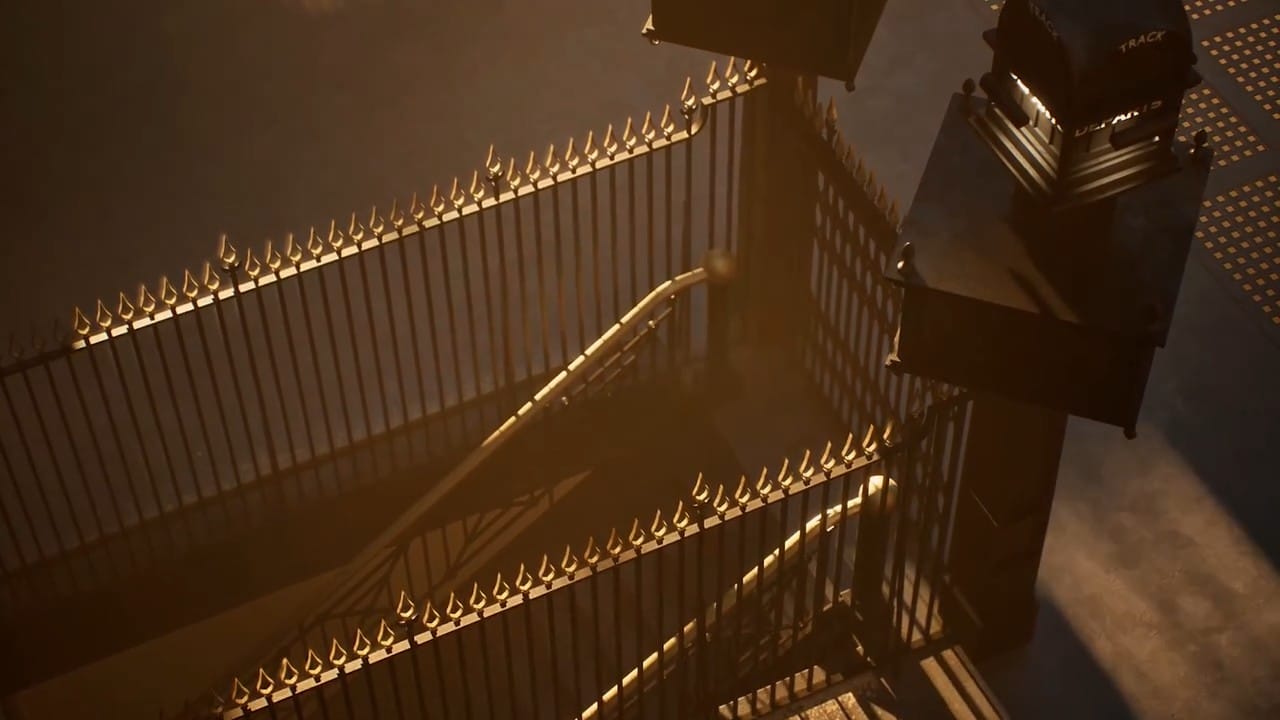
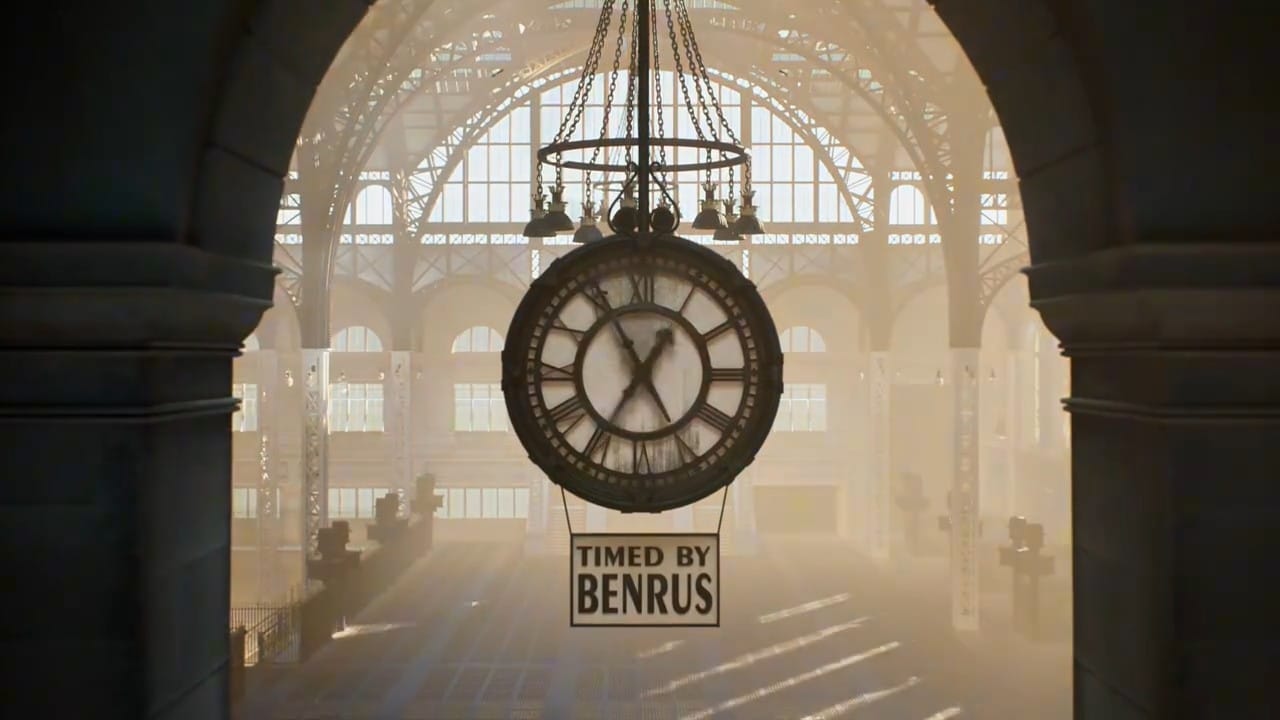
Frames from the Pennsylvania Station, 1910 walkthrough. Courtesy Dimitri Gregorio and Epic Games.
Killscreen covers what game engines are being used for beyond games, from lost buildings to gallery work. Get the free Radar three times a week.