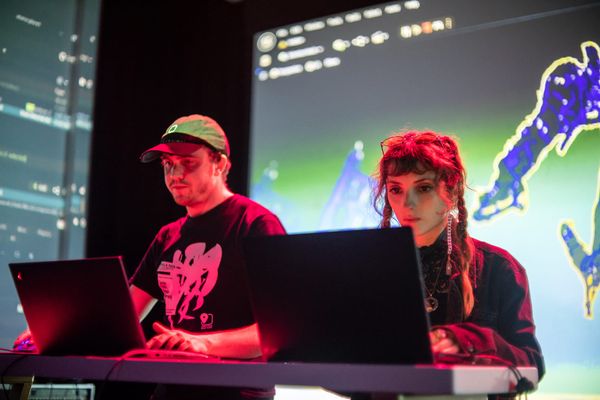
live coding
Indira Ardolic's Live-Coding Performances Turn Game Engines Into Instruments
Indira Ardolic uses game engines to create audio-reactive environments for live-coding performances, where bugs and glitches become part of the show.

Jamin Warren founded Killscreen. He produced the first VR arts festival with the New Museum, programmed the first Tribeca Games Festival, the first arcade at the Museum of Modern Art, won a Telly, and hosted Game/Show for PBS.

live coding
Indira Ardolic uses game engines to create audio-reactive environments for live-coding performances, where bugs and glitches become part of the show.


behavioral design
From Labubus to loot boxes, gambling mechanics have escaped video games to colonize daily life—turning every transaction into a chance for excitement.
News
A history account resurfaced Osamu Sato's Mac-era adventure, where each life ends by choosing which of nine creatures to be next.

generational memory
Artist Ina Chen uses deepfakes, family archives, and interactive technology to bridge generational gaps in a moving performance about Chinese history
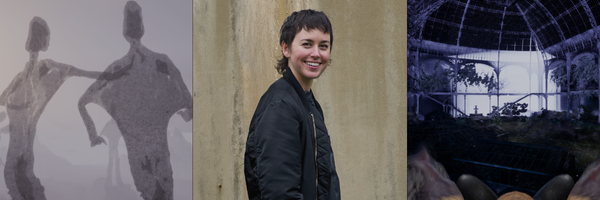
We speak with Alice about why plants make good dance partners, how black holes are really about the wavelength of desire, and why more game artists are trying to "f*ck it up" in multiplayer design.
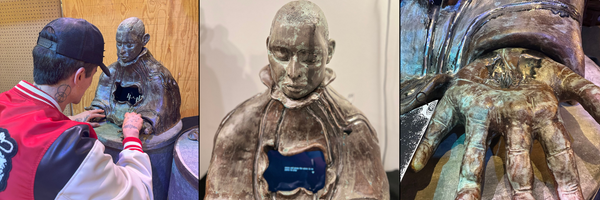
ceramic art
Artist Teddy Pozo transforms clay and circuitry into intimate gaming experiences, exploring transgender identity through sculptures that respond to human touch.

The Game Design of Everyday Things
Ben Stiller's Severance uses game design principles to explore information, identity, and workplace control through the lens of split personalities and corporate mystery.

AI consciousness
Lawrence Lek builds virtual worlds where AI develops consciousness, self-driving cars attend therapy, and surveillance systems dream of being wild foxes.

CGI noir
Lawrence Lek creates cinematic game worlds that blur fiction and reality, using AI aesthetics and virtual architecture to examine our technological present.
3D art
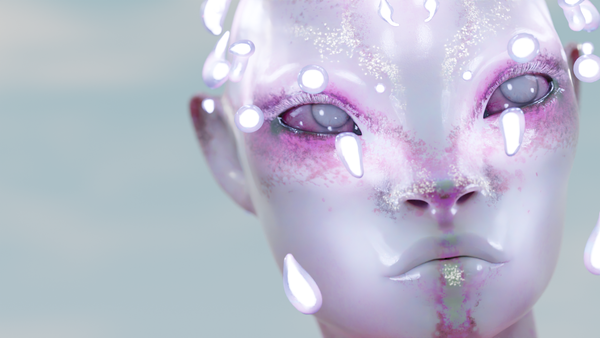
Berlin-based artist Harriet Davey transforms game engines into laboratories for queer identity, creating luminescent alien creatures that challenge gaming's aesthetic norms.

media theory
Games demand too much time, creating cultural moats that prevent shared experience and meaningful discourse. What if brevity could unlock their potential?