A whole triennial is named for a platformer's grace period
Alice Bucknell's Coyote Time—an eco sci-fi text adventure premiering at St. Louis's City Museum this fall—gave Counterpublic 2026 its title.

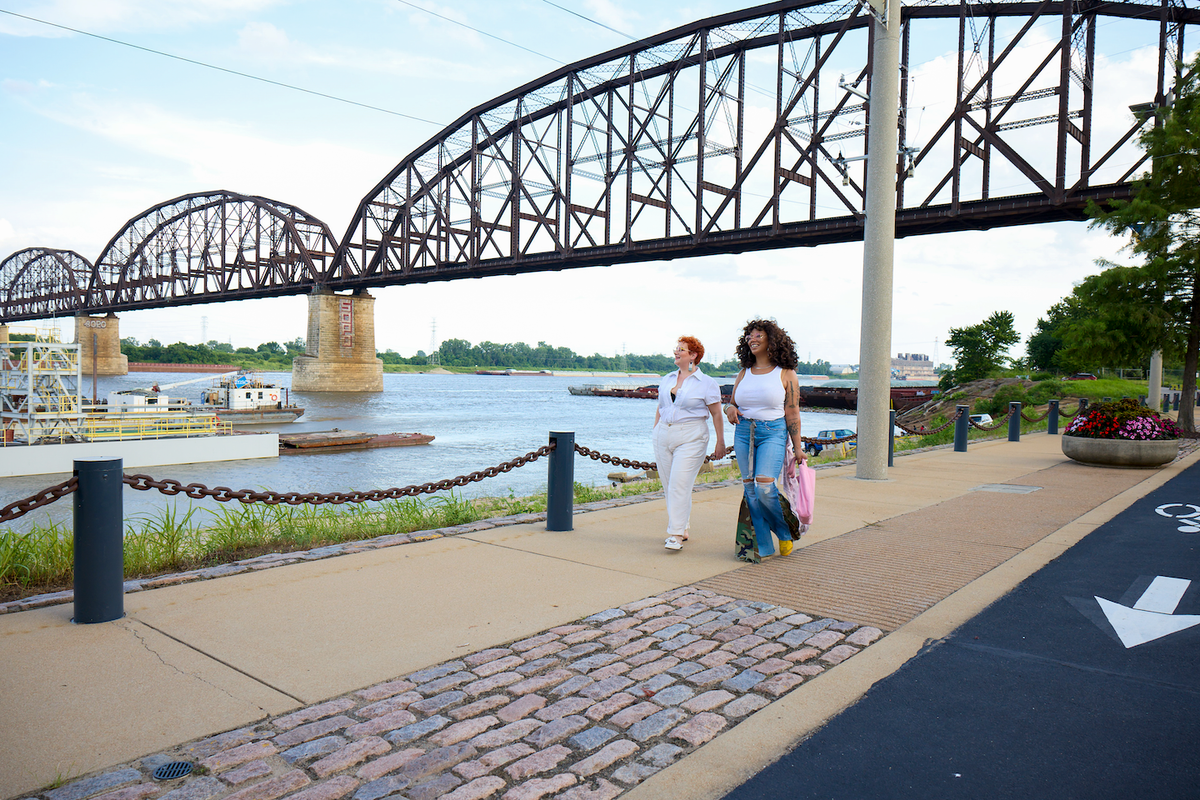
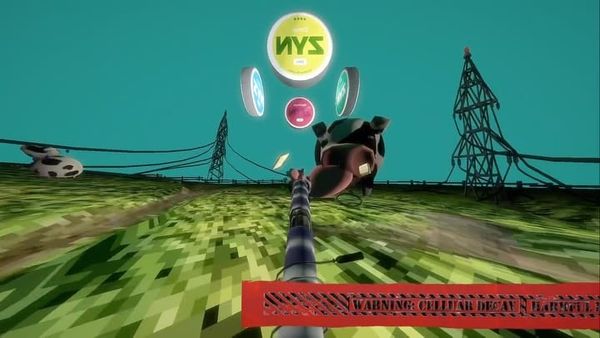
Coyote time is game design's mercy rule: the few frames after your character runs off a ledge in which a jump still counts. Alice Bucknell has stretched that grace period over an entire city. Coyote Time, Bucknell's eco sci-fi text adventure, premieres this fall at Counterpublic, the St. Louis public art triennial running September 10 through December 13—and the exhibition took its name from the game, gathering 50 artists under the figure of a character "suspended in midair, unsure of what comes next." Name another major American art exhibition organized around a platforming mechanic. I'll wait.
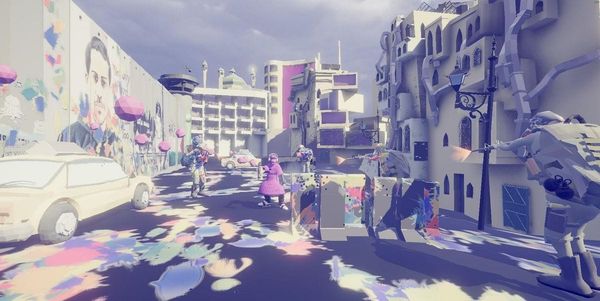
The game invites players into an "infinite night" of text, sound and speculative storytelling. Bucknell developed it in residency at La Becque on Lake Geneva, where an early build and its soundtrack surfaced at July's Summer Open Studios: game development by Joseph Pleass and Ben West, pixel art by Khaled Makhshoush and Omar Khouri, and a score by Nina Keith. In St. Louis, per St. Louis Magazine, it will be playable at the City Museum—the found-object funhouse that is itself the city's great monument to play—with Nora N. Khan curating the commission.
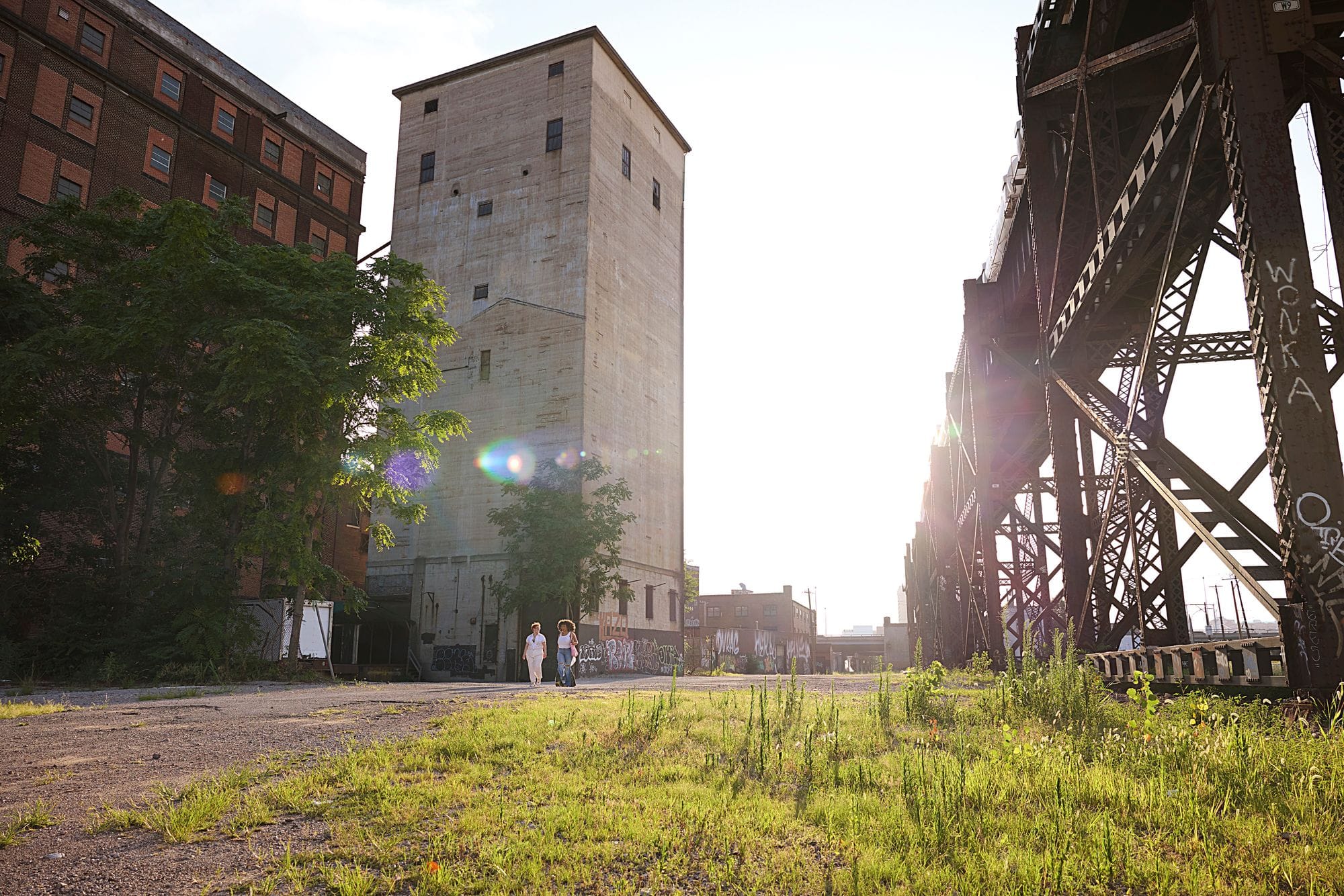
Bucknell has spent years treating games as interfaces for ecological systems—we talked with them about pollination simulators and quantum love stories, and last year SFMOMA acquired The Alluvials, Bucknell's game of drought and water politics, as the first video game in the museum's permanent collection. What makes the new title land is its double edge: a grace period is also borrowed time. The ground is already gone; the jump might still register. That's the wager a triennial is asking half a million visitors to inhabit, and it's the most precise use of a game-design term as ecological metaphor I've seen all year.