A game about Guantánamo is being built with its survivor
Mansoor Adayfi, held without charge for 14 years, joined Joseph DeLappe and Biome Collective as co-creator rather than subject.


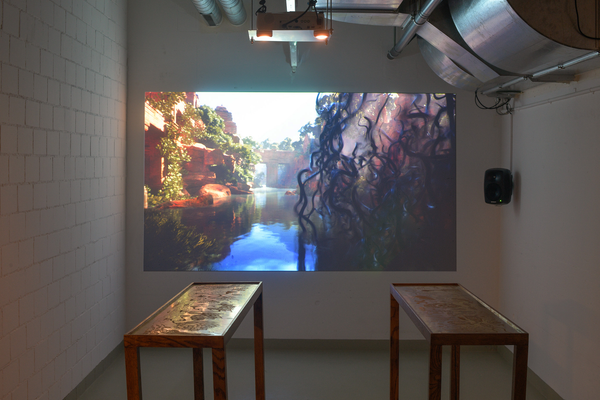
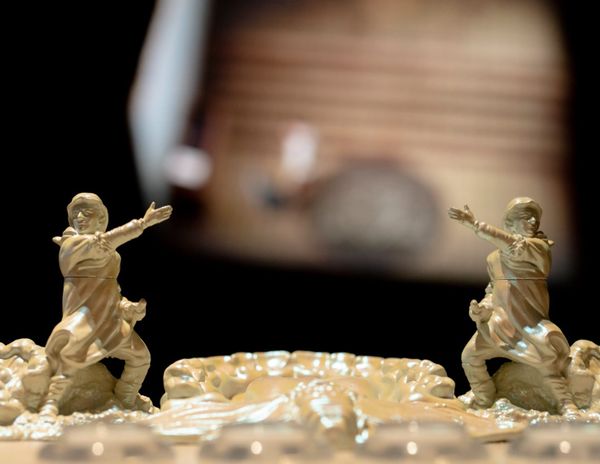
In May, Biome Collective convened GTMO 441: Games, Detention, Power in Dundee—the public sharing of a Creative Scotland-funded residency week spent developing a video game from the lived experience of Mansoor Adayfi, held without charge at Guantánamo Bay for 14 years as Detainee 441. Joseph DeLappe announced the project with the premise that gives it its charge: the game is being made with Adayfi, not about Adayfi, on the bet that this experience can be shared "in a way that only a video game might do."
Inside Guantánamo, games—traditional, improvised and digital—"became tools of survival, resistance, and psychological escape under conditions of extreme confinement," as the organizers put it. That grounding matters. Play as a documented practice of the detained is a very different foundation from empathy-game tourism, and this team knows the difference.
The roster is a who's-who of tactical media: DeLappe, Abertay University's professor of games and tactical media; Biome Collective's Malath Abbas and Tom deMajo, who made the BAFTA-nominated Killbox with DeLappe—we covered that drone-warfare game back in 2016; Antonio Aiello, co-writer of Adayfi's memoir Don't Forget Us Here: Lost and Found at Guantánamo; Mississippi State art historian Jenna Altomonte; and Abertay's Darshana Jayemanne.
The May 28 sharing at Abertay has passed, and the project remains early-stage, so what exists now is a direction rather than a release. But the direction is the story. As the organizers note, Guantánamo still holds detainees amid renewed proposals to expand detention operations there. Deciding what "you" means in a game like this—who plays, who watches, who waits—is exactly the conversation this residency was built to force.
Killscreen has followed games into war rooms, courtrooms and prisons since 2010. The free newsletter brings that coverage straight to your inbox.