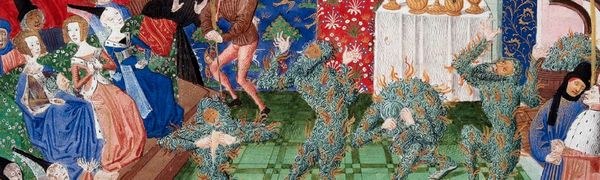
It was December 31, 1958. In Rapture, the underwater city in BioShock (2007), the most affluent residents gathered at a masquerade ball in the Kashmir Restaurant for a night of dinner and dance. However, a sudden explosion marked the end of the celebration—and the beginning of a ceaseless civil war.
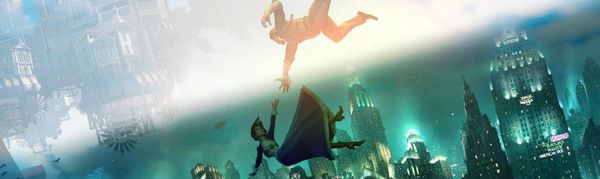
Between 2007 and 2014, Irrational Studios and 2K Games told a story. This single story had five acts: BioShock (2007), BioShock 2 (early 2010), Minerva’s Den (late 2010), BioShock Infinite (2013), and Burial at Sea (2013-2014). Since episodic presentation encourages isolated judgment, it wasn’t alwa
Defining a genre is a troubled process the moment a discussion of its elements begin. Those nebulous divisions that separate detective and gothic fiction, science fiction and horror, adventure and fantasy; all seem built on shaky foundations as tropes and archetypes bleed into each other. More often
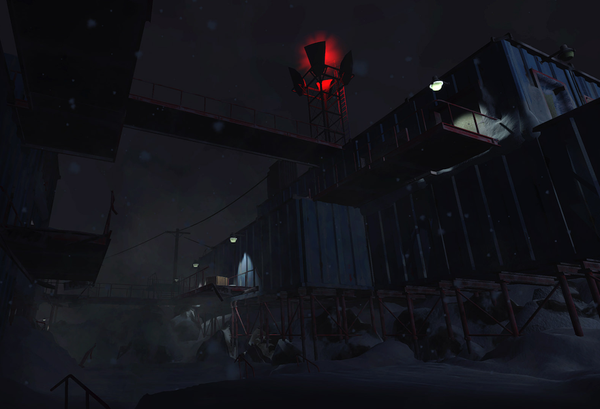
Orthogonal Games, the studio behind 2013’s The Novelist, has announced its next project, called Near Death. It presents a simple premise: Your plane has crashed in Antarctica. You’re cold, you’re alone, and it’s dark. There’s an abandoned research station within walking distance. Try not to die. It’
French philosopher Guy Debord talked about the idea of the dérive, a mode of travel where the journey itself is more important than the destination, where travelers “let themselves be drawn by the attractions of the terrain and the encounters they find there.” But to think of dérive as a kind of ran
One of the first things that people notice when they flip on their consoles are the catchy intro sequences; the flashy animations of the screen. Videogames have a quantified area around them that’s visual. After all, so many game elements are conveyed through visual means, such as objective markers
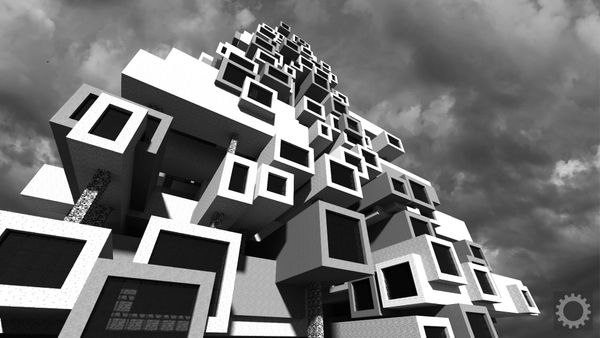
The case for preserving brutalist architecture requires some strange contortions. Defenders of gems like London’s Robin Hood Gardens or the Orange County Government Center must claim that buildings whose charms are derived from their heft and imposing strength are at risk and in need of our protecti
Back in September 2011, two lads out of Manchester founded a small development studio named White Paper Games. The chosen logo was an origami crane, an apt symbol of what kind of games they aspired to make: aesthetically graceful objects, made from familiar material, twisted into thoughtful, complex