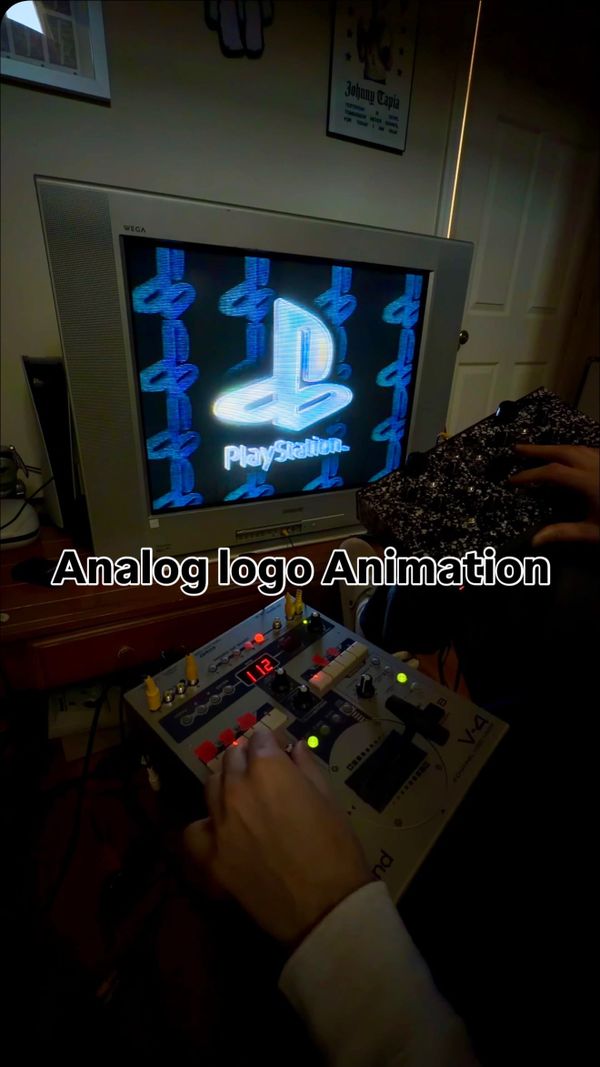
Mitch Anzuoni is building a money laundering simulator
Offshore, made with Pete Christian, treats the criminal network as a sign system where signification is the gameplay.

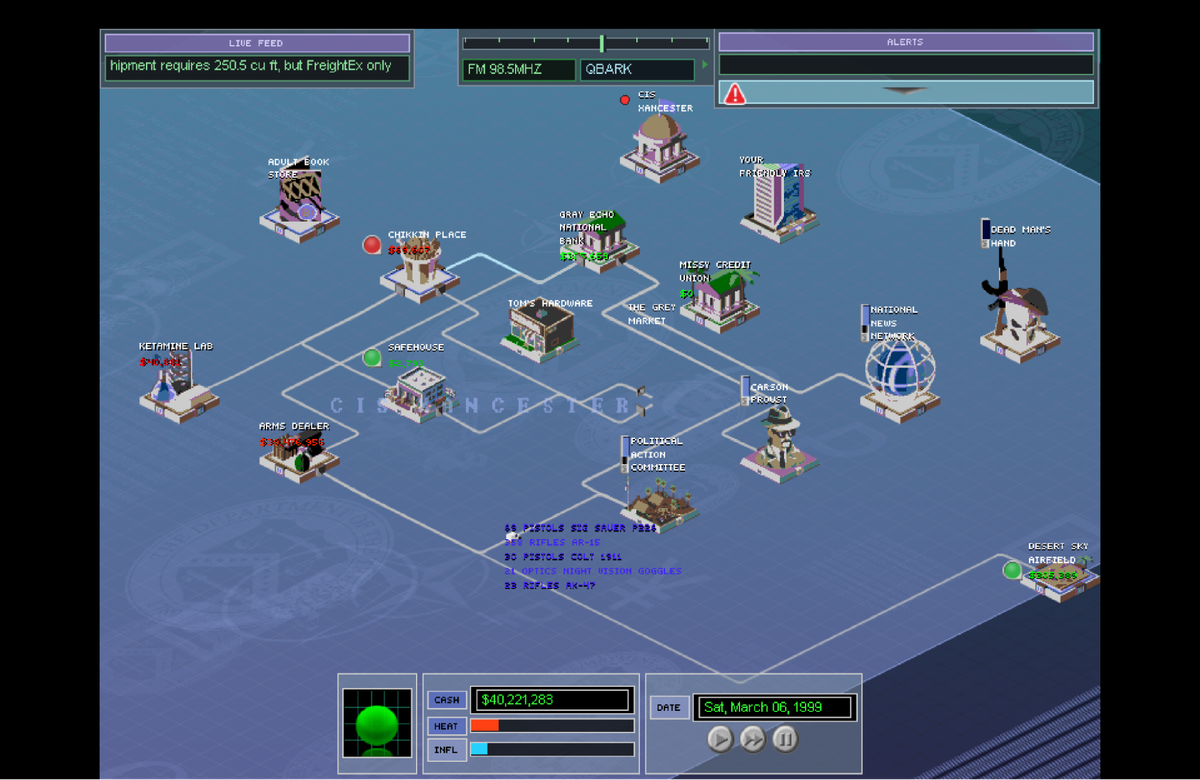
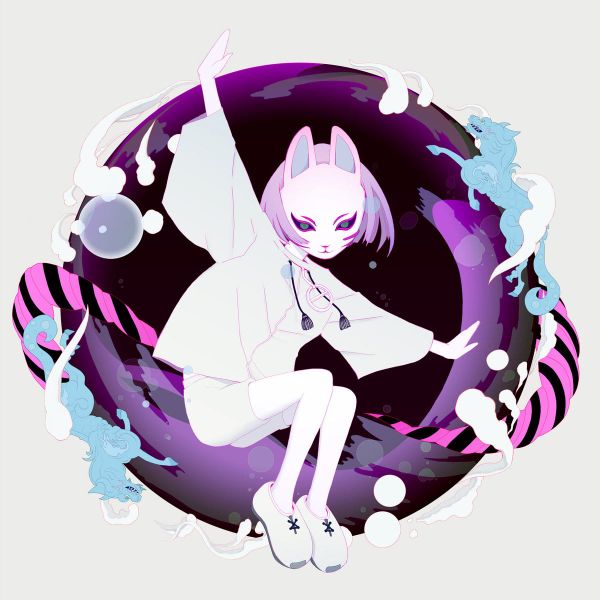
"Signification is the gameplay." That's Mitch Anzuoni in Rhizome's artist profile from late July, describing Offshore—an isometric money laundering network game and self-described deep state simulator in the works at Inpatient Interactive, the studio Anzuoni runs with collaborator Pete Christian. I had a chance to see some of the work at DEMO and begin with a set of icons, drawn by Christian, and learn to build relationships between them. The network grows, more signs surface, and the web you assemble becomes, in Anzuoni's words, "a coagulated sigil." A crime game where the crime is diagramming.
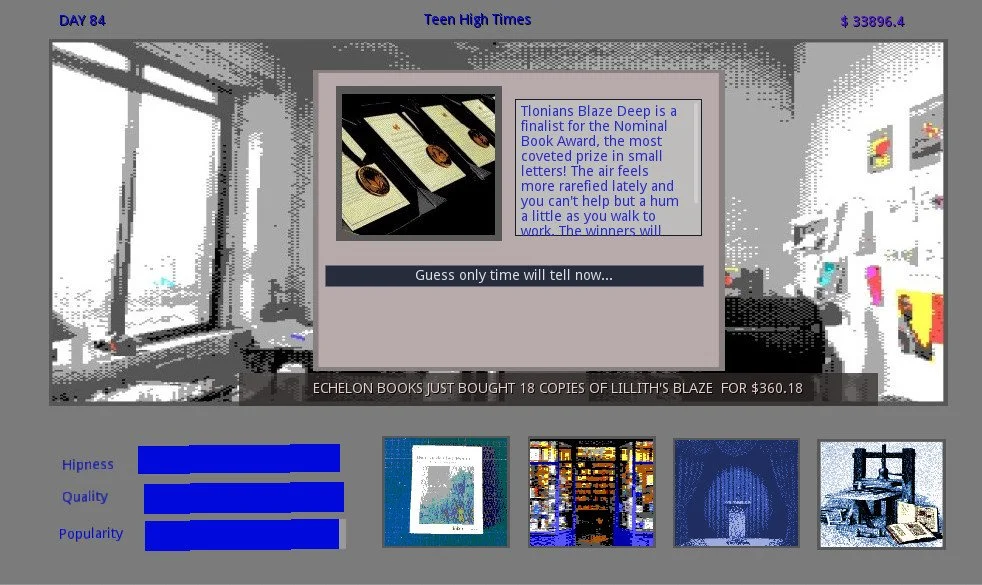
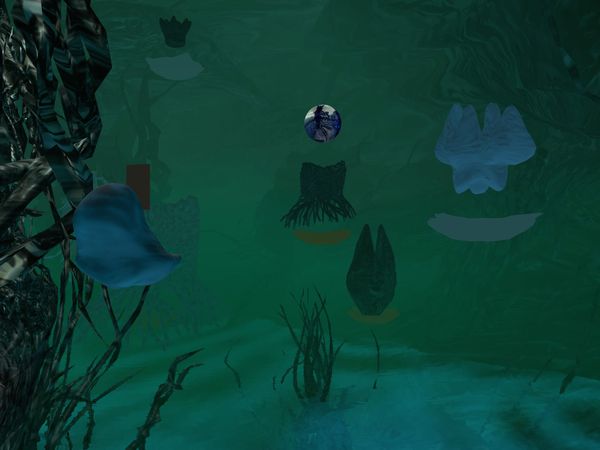
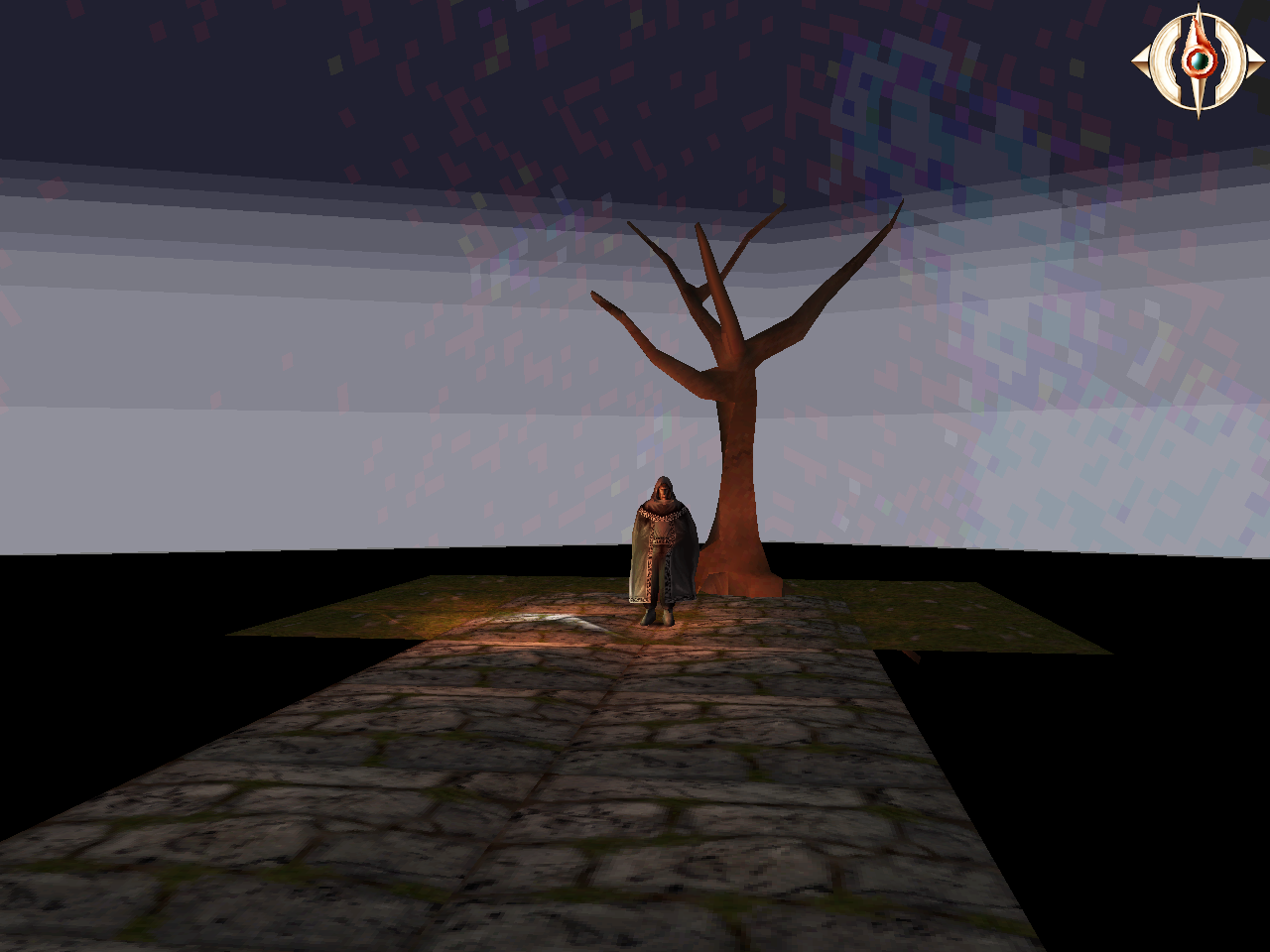
Anzuoni is better known as the founding editor of Inpatient Press, and the publisher's eye is all over the games. Small Press Tycoon (2022) made a management sim out of running an outfit much like Anzuoni's own. Ex Libris, released in May, is a monastery allegory built from medieval Scholastic concepts, its floor plan arranged on Kabbalistic lines, with open debts to Umberto Eco—and it was made, remarkably, in Sword of Moonlight, FromSoftware's King's Field construction kit from 2000, with custom models backported into a 26-year-old rendering pipeline. "Sometimes 640x480 VGA is all you need," Anzuoni tells interviewer Matilda Lin Berke, against a current wave of retro-styled work that fakes old display artifacts with modern tools.
The interview, flagged on Rhizome's Instagram, also lands a clean jab at gallery-ready art games—first-person environments whose symbolic potential gets washed out in favor of what Anzuoni's friend calls "art sauce." Games, Anzuoni argues, are "the ultimate sign-system, the universal encoder," and treating them that way means caring about software itself: its portability, its mutability, its strata. We asked a version of the same question in our piece on preserving games while you're still making them. Offshore has no release date yet.