
Extreme Measures
If making videogames turns into a science, where does that leave the art?
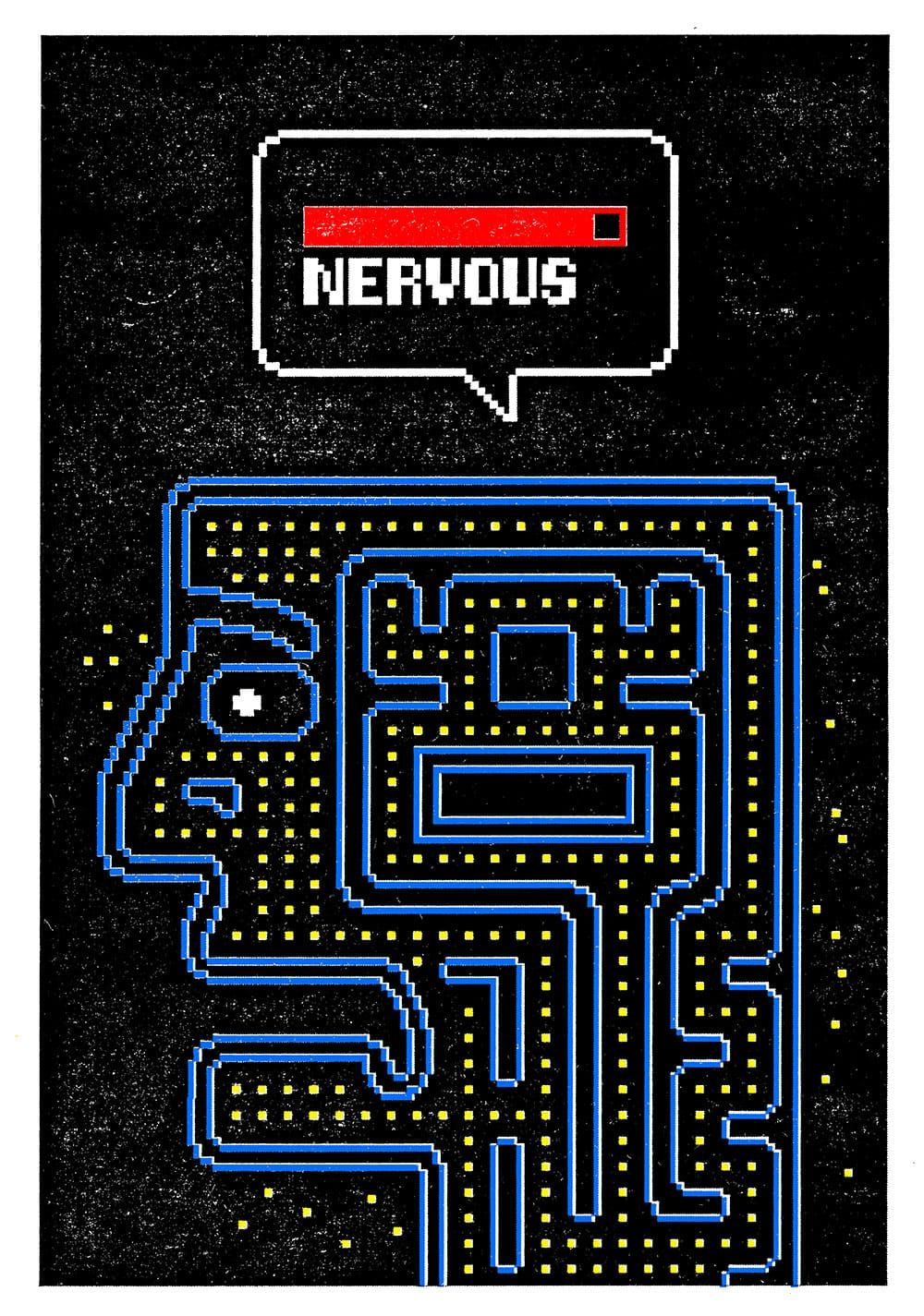
Last year, officials from the Food and Drug Administration (FDA) and the Defense Advanced Research Projects Agency (DARPA) met in Arlington, Va. to discuss the future of biological feedback. The sort of machines they were talking about—machines that could quantify physiological functions (blood pressure, skin temperature, muscle tension) and compute useful data from it—were first introduced in the late 1960s by the mathematician Norbert Wiener at MIT. Soon the machines were in universities’ labs and hospitals. By 1980, the Biofeedback Certification Institute of America oversaw the best practices in the burgeoning field; the book Biofeedback: Clinical Applications in Behavioral Medicine came out the same year. By the 1990s, nearly every hospital in America had means for electronically measuring a patient’s response to external stimuli, and so did many doctors’ offices.
Biofeedback has been around for nearly 50 years, but it wasn’t until the last decade, in particular the past few years, that the machines used to measure physiology became mass market. In 2006 Apple and Nike teamed up to release the Nike+ platform, a combination shoe-embedded sensor and iPod adapter that tracks your run and delivers the report to Nike’s website or your smartphone. When DARPA’s scientists and engineers met with the FDA, they were thinking beyond shoe sensors and apps. The meeting last year was about putting biosensors inside people.