A philosopher files Grand Theft Auto next to de Sade
Daisy Dixon’s Depraved treats games as full participants in the history of dangerous art, not late examples.

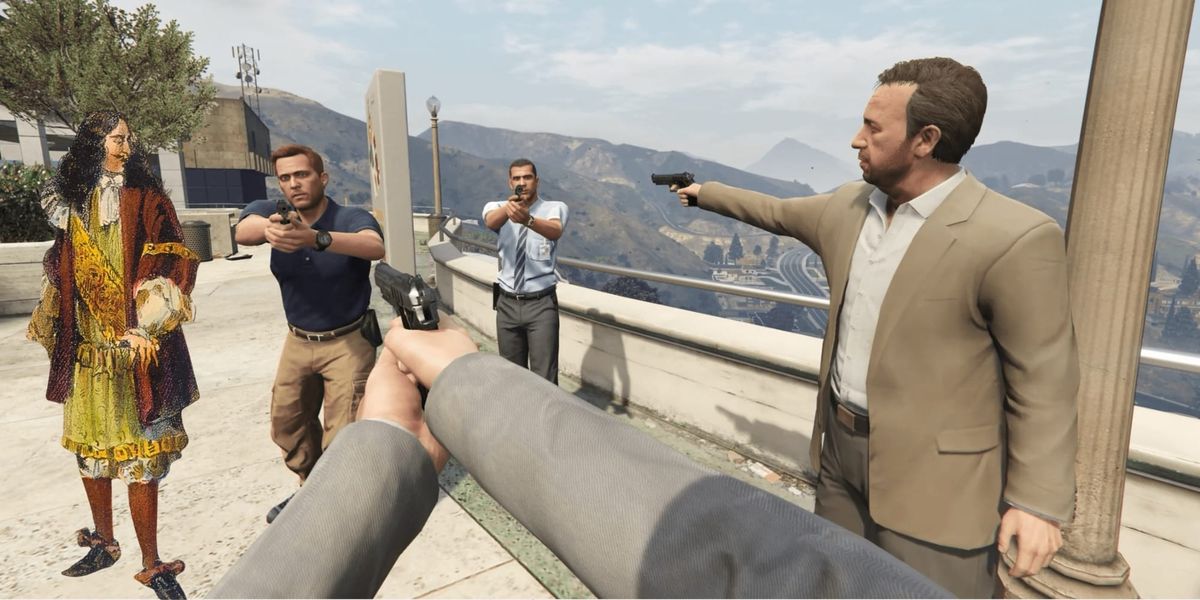
In the autumn of 1785, over 37 evenings in a Bastille cell, the Marquis de Sade wrote The 120 Days of Sodom in miniature letters on a 40-foot scroll and hid it in a gap in the wall. That scroll—lost in the storming, mourned with “tears of blood,” now a French national treasure—is where the excerpt Lit Hub ran in August begins, and Grand Theft Auto is where it ends. It comes from Depraved: The Story of Dangerous Art, the new book by Daisy Dixon, an assistant professor of philosophy at Cardiff University who specializes in immoral and dangerous art—and who keeps a studio practice in painting and sonic sculpture on the side. Lit Hub's announcement post is what put it on our radar.
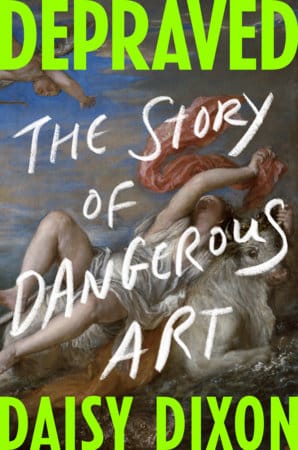
What makes the book worth your shelf is structural: games sit inside the argument rather than tacked on at the end. The Grand Theft Auto series—waterboarding scene and all—gets the same treatment as the Lady Chatterley trial, Mapplethorpe's Senate tormentors, the porn wars, and the Whitehouse crusades: every era is convinced it has finally found the artform that will corrupt us, and every era's enforcers overreach. Dixon's warning cuts both ways: “the very gatekeepers of supposedly depraved art can also be dangerous.” The book is out from Faber in the UK and Viking in the US.
Games have been the century's favorite moral panic, and the panic is older than the medium. One only need look back to 2012 via Kurt Vonnegut's letter to the book burners, and how it wrestled with what Grand Theft Auto V actually asks of its player in our reading of its nihilism. A philosopher of art doing that work with games in the room—as material, not as scare quote—is still rare enough to be news.
Every era finds a new artform to panic about; we cover the people making this one worth defending. The free newsletter is one game and one argument a week.