Caves of Qud Gets a 1,500-Copy Physical Edition
Freehold Games' simulation roguelike, nearly 20 years in the making, lands on a Switch 2 cartridge with a fold-out overworld map and a 3LP soundtrack.

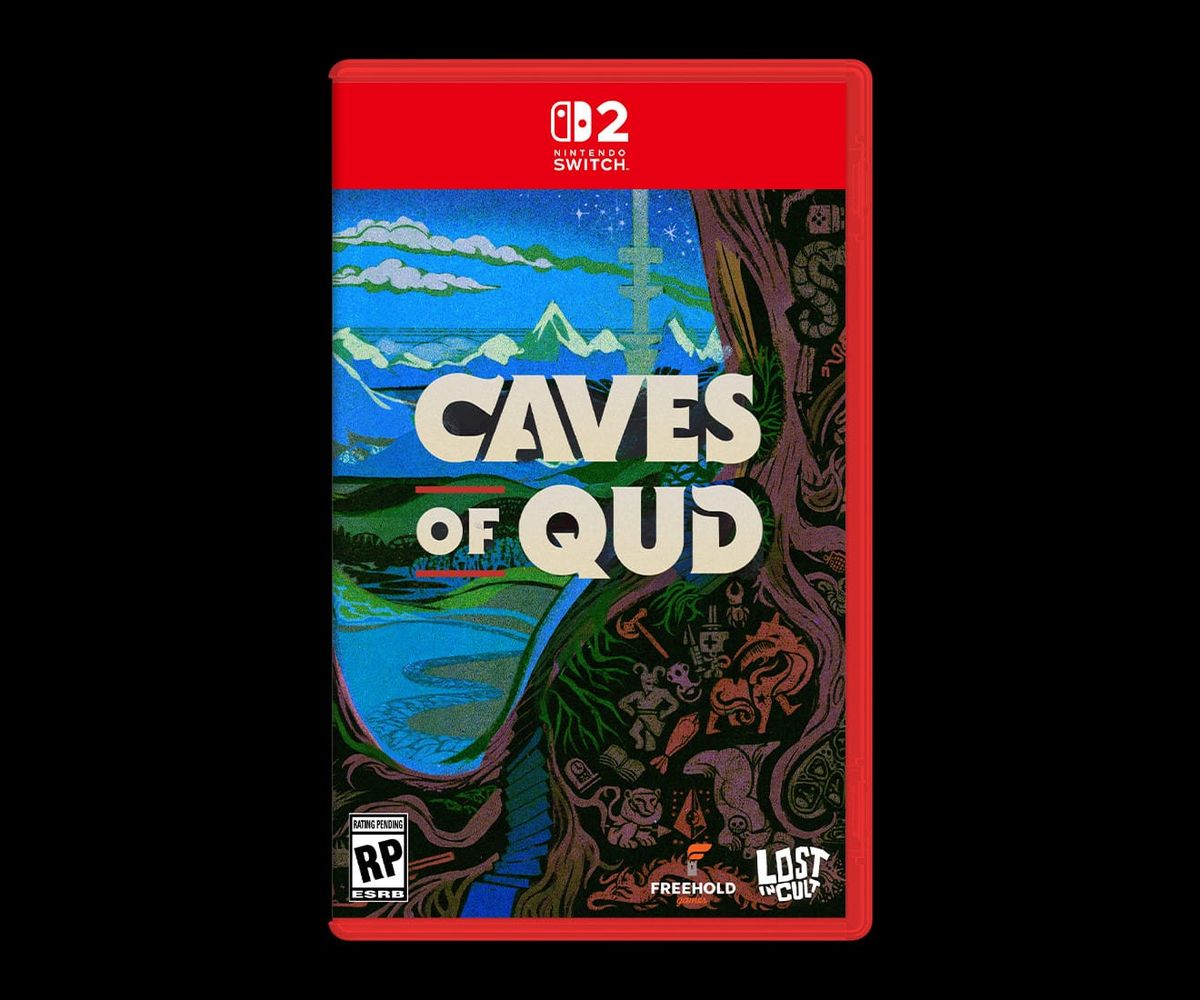
Lost in Cult is releasing Caves of Qud as a physical Nintendo Switch 2 game. The limited EDITIONS package is capped at 1,500 copies, and a standard Retail+ version is also open for pre-order. Both boast the full game on the cartridge, and both come with a store-exclusive fold-out map of the Qud overworld. The label announced the edition with publisher Kitfox Games and developer Freehold Games.
From the Caves of Qud launch trailer, Freehold Games and Kitfox Games. Shown silent; the full trailer has sound.
The EDITIONS slipcase carries new cover art by Sajan Rai, and the set adds a poster and sticker by Raquel Meyers and an essay booklet on the game's history. Lost in Cult also sells it bundled with the 3LP soundtrack it released earlier: music composed and selected by Craig Hamilton, mixed by Ohad Nissim, pressed by Stumpy Frog Records and housed in a triple gatefold with art by Filip Ugrin.
Caves of Qud began in 2007 as a project by Jason Grinblat and Brian Bucklew, who put out the first beta in 2010. It reached its full release on PC in December 2024. The game runs every creature on the same systems as the player, down to body parts and allegiances across more than 70 factions, so a wall can be dug through, melted, or eaten with the right mutation.
The release is the sixth Switch 2 title in Lost in Cult's EDITIONS line, which pairs each game with commissioned art and writing. Killscreen first wrote about Caves of Qud in 2015, in a piece that compared a patient playthrough to reading The Grapes of Wrath.
For more reading see RPG Site's report on the Switch 2 announcement, Freehold Games' studio site, and Killscreen on the physical release of Samorost 3.
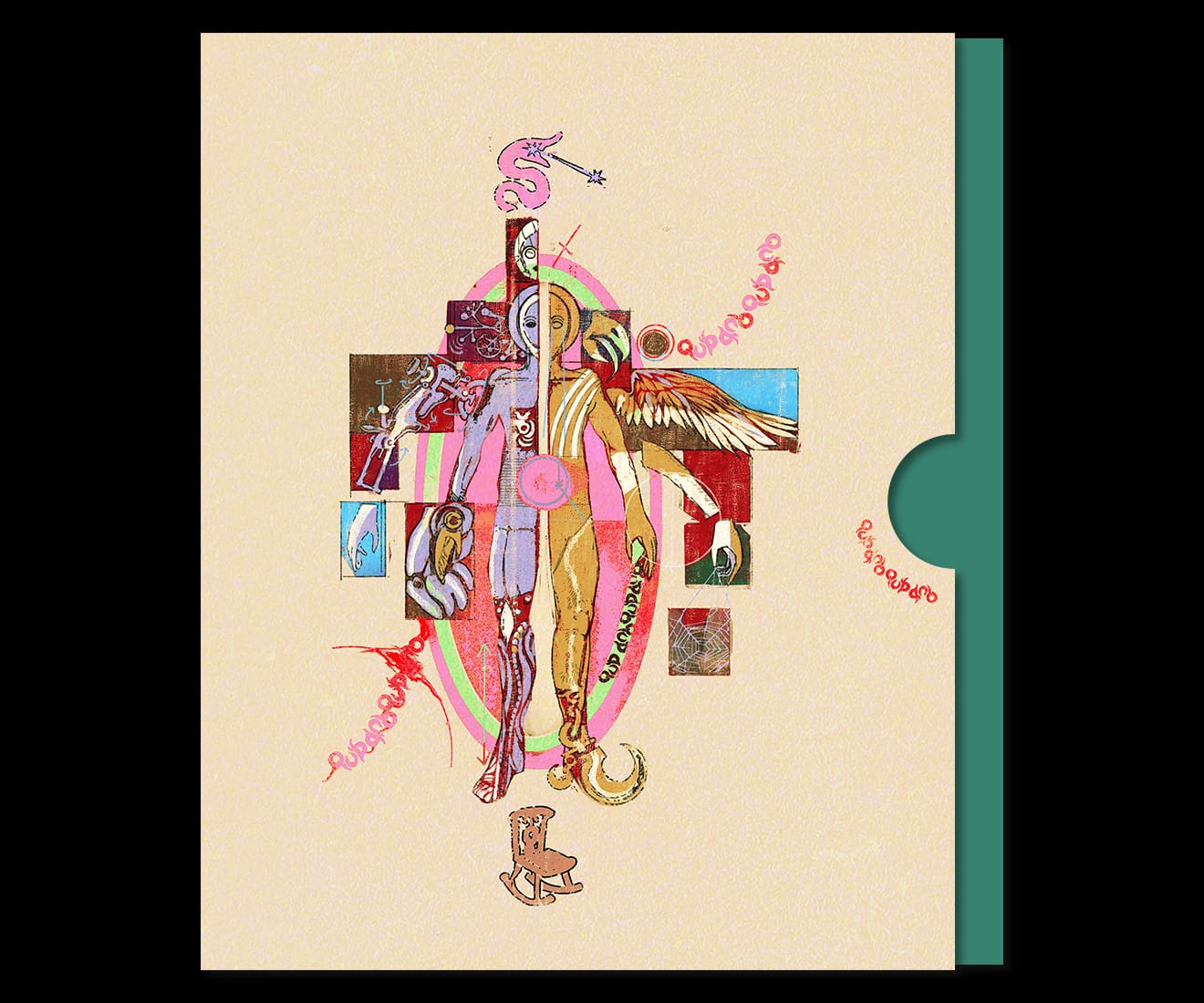
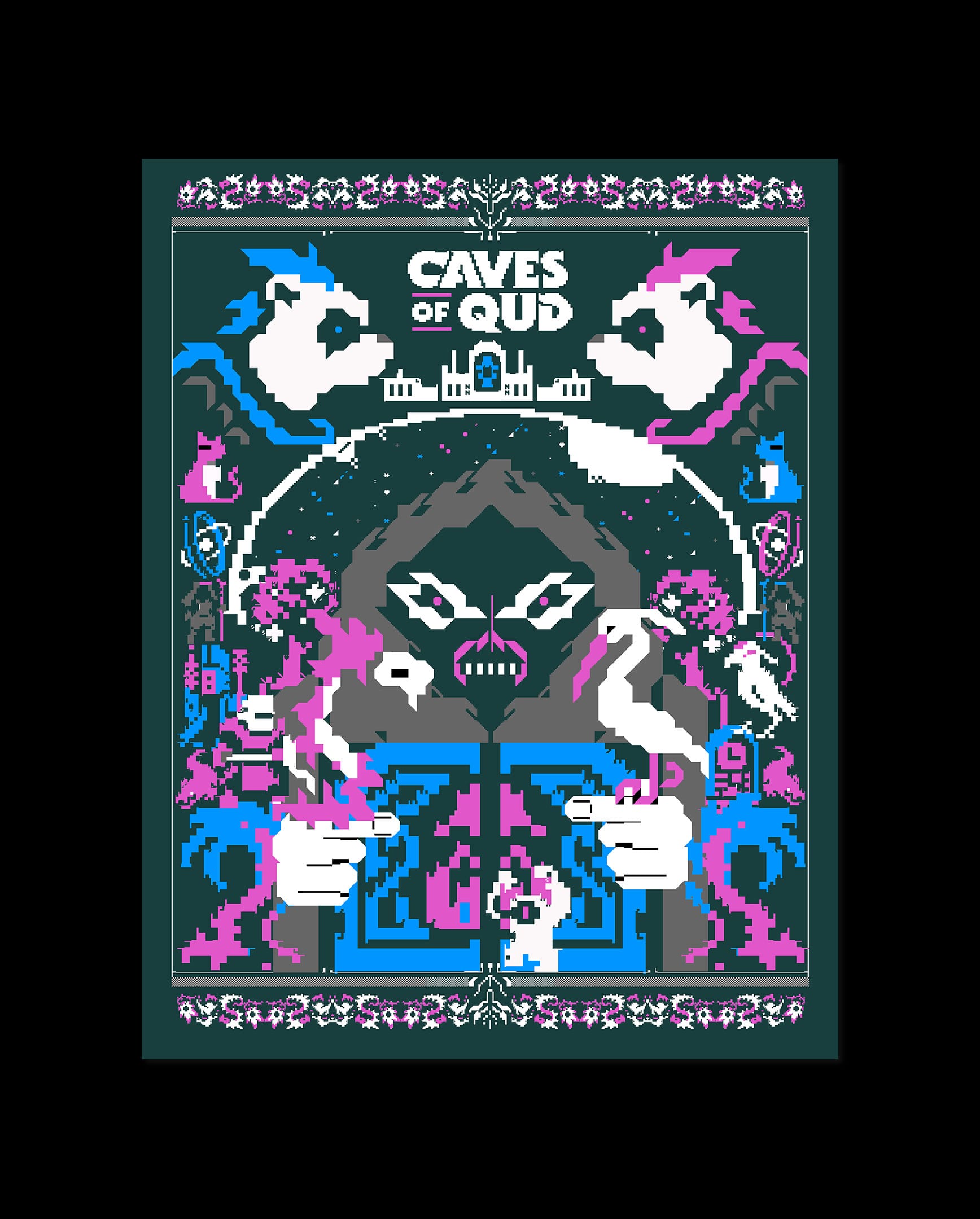
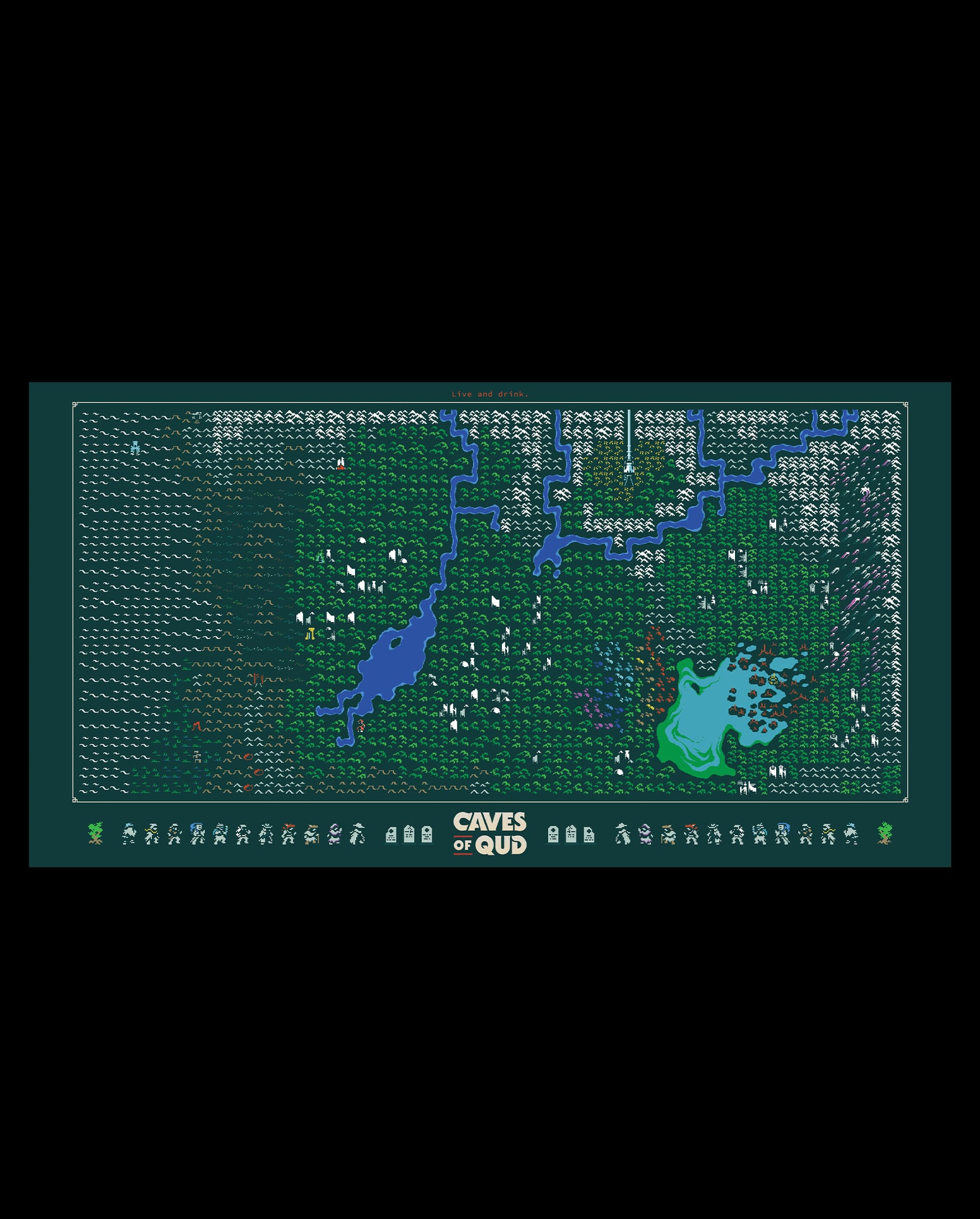
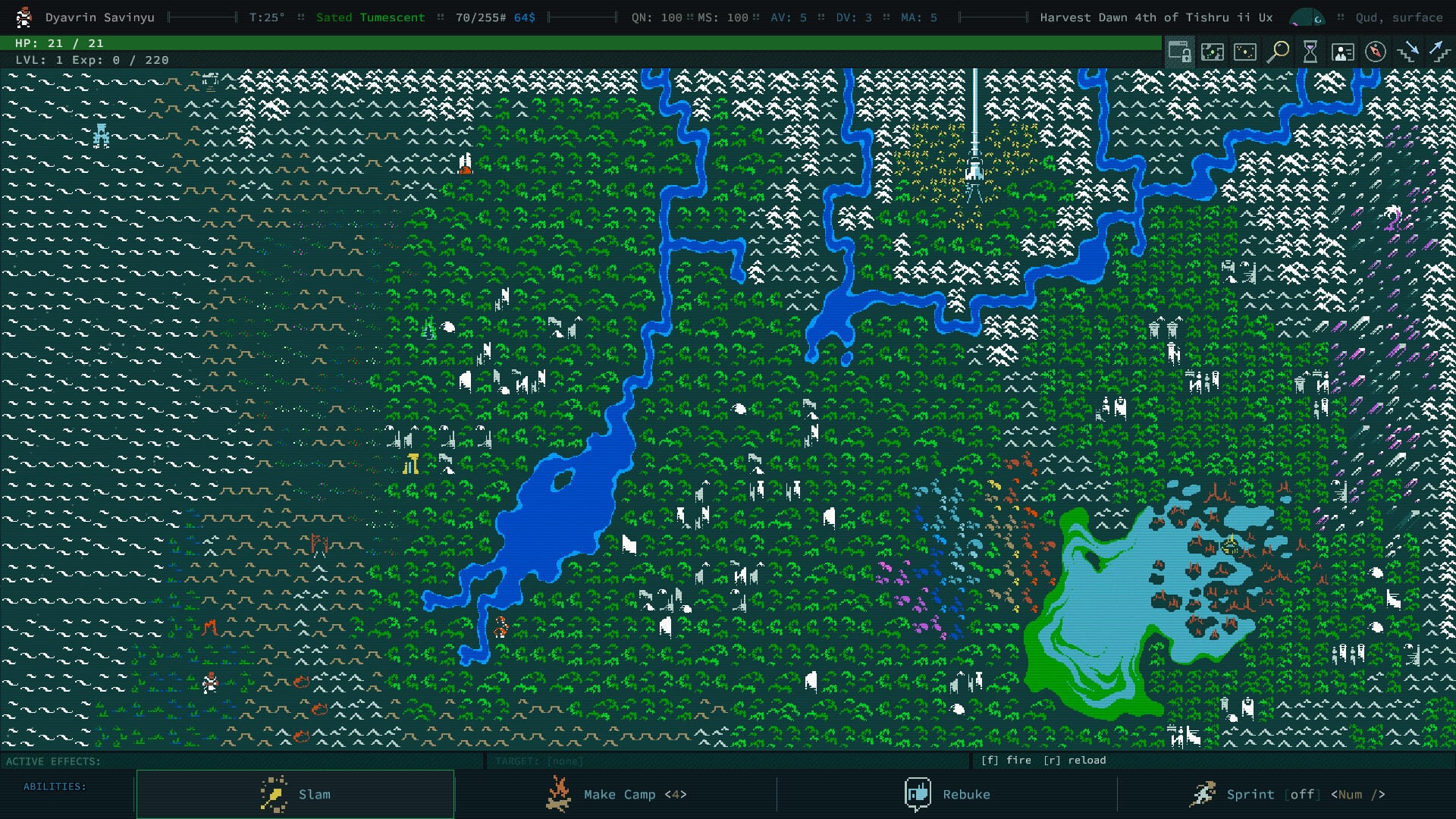
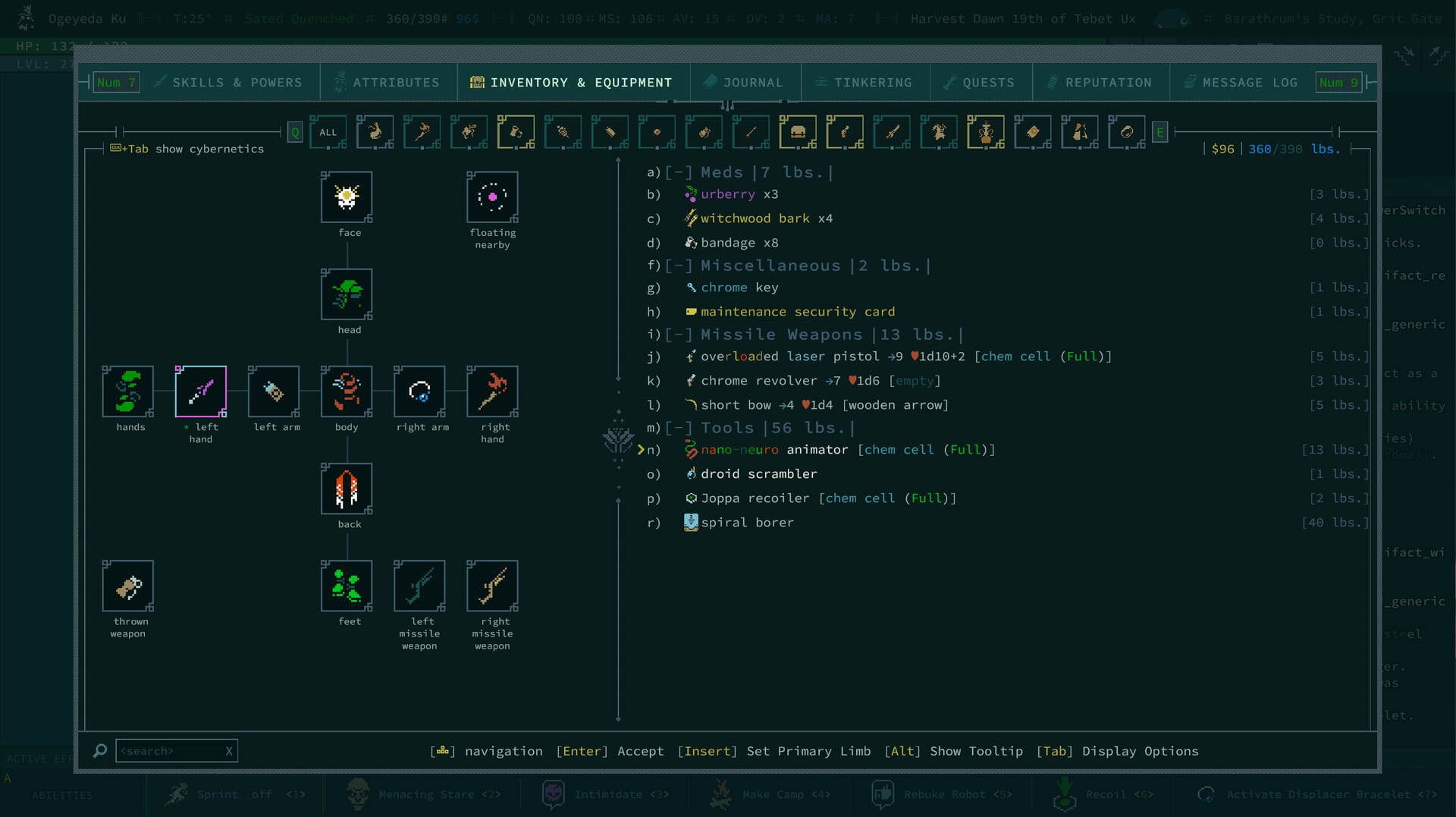
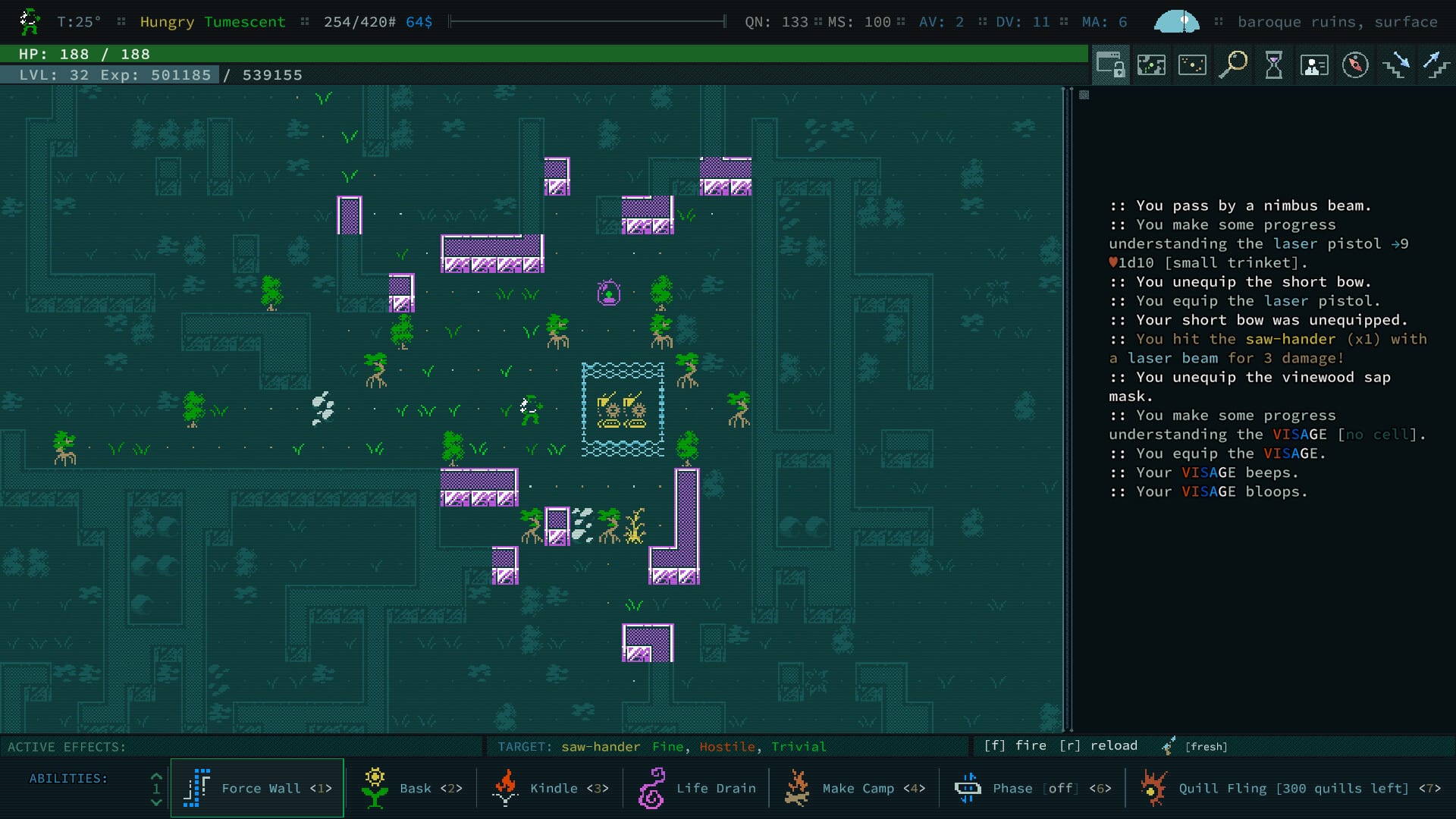
The EDITIONS slipcase, poster and fold-out map, courtesy of Lost in Cult, and Caves of Qud screenshots via Steam.
Killscreen follows the games built to outlast their platforms, from 20-year simulations to the labels pressing them into objects. Get the free Radar newsletter and keep up with the work almost nobody else is covering.