
Boxed Out
How a golden age of box art sold us worlds the hardware could only hint at.
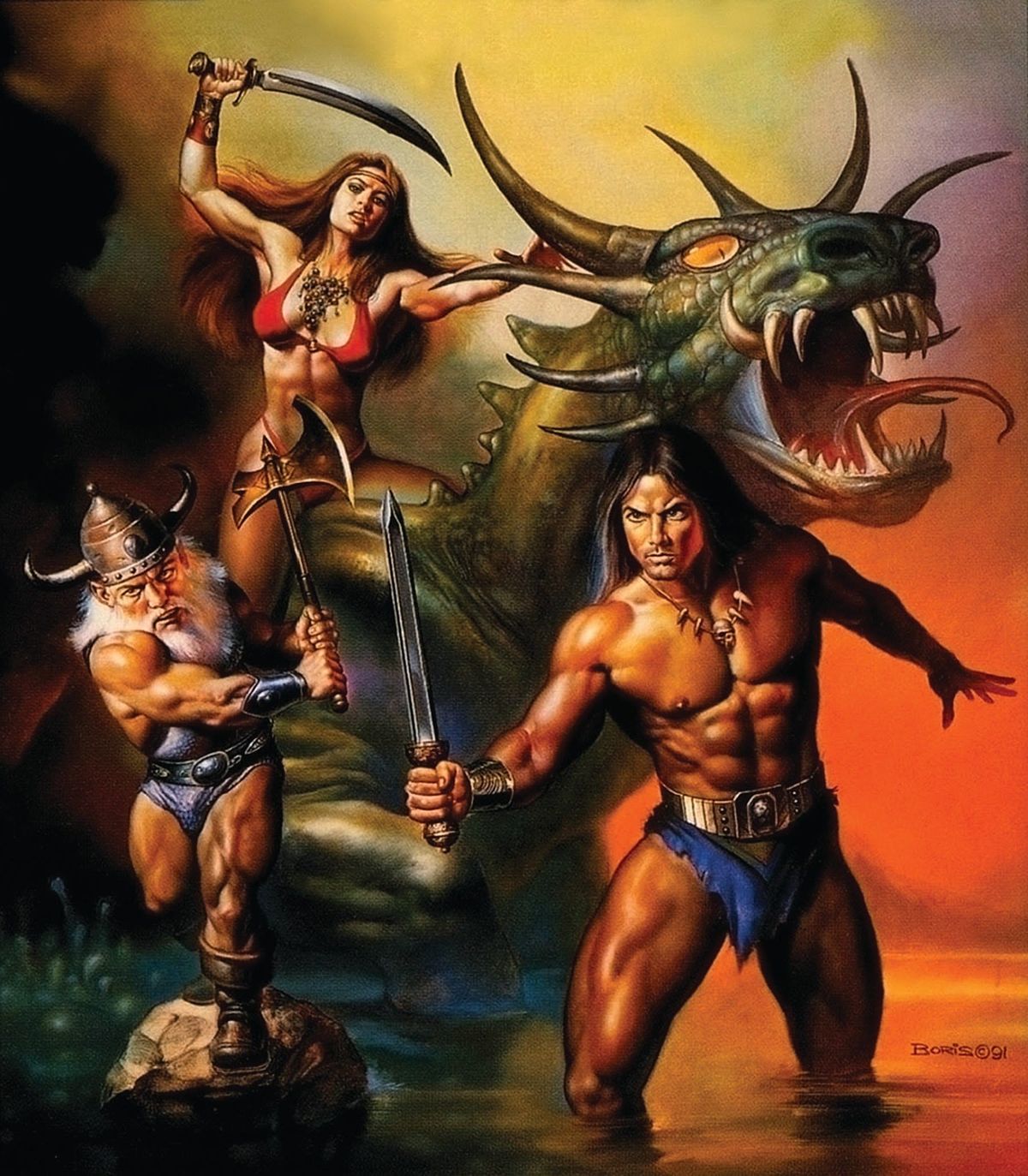
As any aging gamer of the FuncoLand era who once tossed good money at a bad game can attest, the artwork of early videogame boxes was rooted in deception. Or, if not quite "deception," then certainly a drastic, drastic embellishment of what the rudimentary gameplay itself was actually like. "In the absence of truly engaging in-game art, manufacturers tried to capture gamers' imaginations via auxiliary aesthetics," wrote critic Josh Jenisch in his book, The Art of the Video Game.
Videogames are not the first medium to utilize sensational and misleading ancillary art. In the early 20th century, busty femme fatales and sinister serial killers leered out at potential readers from fiction-magazine covers. "Artists," writes Pulp Culture author Frank Robinson, "were as prized for their ability to depict action and strange or horrifying scenes as were the writers of the stories for their unique talents." Later, in the 1950s, the studios behind B-movies were eager to tap into the fantastical base desires of teenagers. "The shocking, thrilling elements were emphasized to pull in the crowds and the posters often promised more than the films delivered," note commercial-art historians Tony Nourmand and Graham Marsh. In fact, studios would often design the posters before a film was produced. "[Only] then, if it still looked good, would they go ahead with a script."
For the earliest home computer games, little embellishment was needed. The technology itself was the draw. Computers! Microchips! Robots (probably)! What more did you need to empty the pockets of 13-year-olds fresh out of a matinee showing of The Empire Strikes Back? The idea of having to make "sexy" the modern miracle of videogames seemed as necessary as putting an air freshener in a flying car. Even the titles of the Atari 2600's games needn't be anything more sensational than a droll, single-word description: Combat, Baseball, Dragster, Sorcerer, Blackjack. The artwork on their covers often felt like an afterthought, as well. Activision's 2600 titles, for example, normally featured a basic (albeit colorful and funky) sketch of a car or helicopter or dragon on the box. The cartridges themselves simply showed a screencap of actual gameplay.